
Review · DUBAI
Dubai.Discover Old town,Markets,street food,Abra &Museums
Old Dubai tells a better story than its skyline. This $19 walking tour leads you through Al Seef, historic lanes, local markets, Arabic coffee stops, street food, and a traditional abra ride. I especially like the mix of food, history, and shopping in one outing, plus the chance to ask a local guide about customs instead of simply looking at old buildings. The main drawback is that hotel pickup costs extra through a separate option, and the tour does not provide a return drop-off.
I also like how the route crosses Dubai Creek by boat before reaching the spice and gold souqs. Guides such as Hichem, Abdullah, Abdallah, Abdul, and Tarek have been praised for clear explanations, humor, and help with bargaining. Bring comfortable shoes and cash, and expect a walking tour that suits curious first-time visitors more than anyone seeking a slow, private museum visit.
Key points at a glance
- Al Seef and Al Fahidi setting: Begin among narrow lanes, restored traditional-style buildings, old houses, and local art galleries.
- Arabic coffee and local tastes: Try coffee, tea, camel milk chocolate, street food if selected, and samples at the spice market.
- Traditional abra crossing: Ride across Dubai Creek to reach the spice souq, one of the tour’s most memorable transitions.
- Practical souq advice: Your guide can explain products, answer shopping questions, and sometimes help you negotiate prices.
- Strong guide reputation: Hichem, Abdullah, Abdallah, Abdul, and Tarek are repeatedly praised for humor, care, and cultural explanations.
- Good low-cost introduction: At $19 per person, the tour packs in several sights, tastings, a boat ride, and a local guide.
Why this is a useful first look at Old Dubai
Dubai is often presented through towers, malls, rooftop pools, and engineered attractions. This tour points you toward a different city, one built around the creek, trade, family homes, religious customs, and small markets. I like that shift in focus. You get a clearer sense of what Dubai was before its modern skyline took over the postcards.
The route is also practical. You do not spend the day on a bus looking through glass. You walk through old neighborhoods, stop for explanations, taste small local products, cross the creek by abra, and finish among gold displays. That variety keeps the outing moving.
At $19, the value is unusually strong if you want an introduction rather than a specialist history tour. The price includes a local guide, entry to the historical sites, the abra ride, bottled water, tea and coffee, a camel milk chocolate sample, and visits to the spice and gold souqs. Street food testing depends on the option you choose, so check that detail before booking if tasting is one of your main reasons for going.
The tradeoff is structure. You have free time for shopping, but the markets are part of a guided route, not a full afternoon set aside for browsing. If you become absorbed in saffron, jewelry, textiles, or souvenirs, you may wish you had more independent time.
More Old Quarter and Medina Food Walks in Dubai:
- Dubai: Old Town, Creek, Museums, Souks, & Street Food Tour
★ 4.8 · 10,816 reviews - Dubai: Old Town, Souks, Street Food, Guided Tour & Abra Ride
★ 4.9 · 7,170 reviews - Dubai: Old Town, Souks, Street Food, Guided Tour & Abra Ride
★ 5.0 · 1,664 reviews
Starting in Al Seef and the old lanes
The meeting point is Wokyo Noodle Bar at Al Seef, next to the Al Fahidi Marine Transportation Station. This is a useful location because it puts you close to the creek and the older quarters from the start. If you arrange hotel pickup, transportation is provided in a small car or van depending on the number of people. Without that option, you make your own way to the starting point.
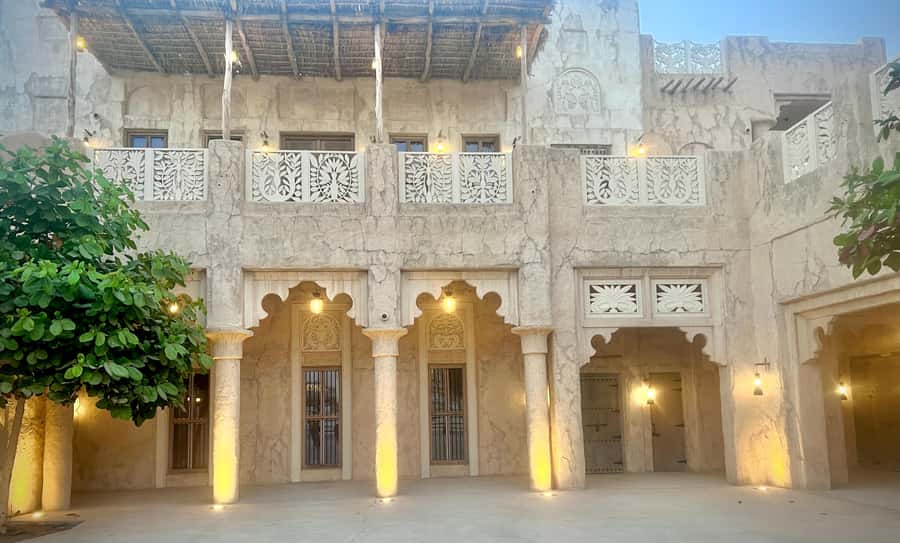
Your guide begins with an introduction to Dubai’s past as you move through the narrow alleyways of Al Seef. The appeal here is not one grand monument. It is the change of scale. Modern Dubai feels huge and polished, while these lanes bring you closer to older building styles and neighborhood life.
You should wear comfortable shoes. The tour includes walking through lanes, markets, and historic areas, and the heat can make even a modest walk feel longer. Carry cash as well, since you may want to buy small food items, spices, or souvenirs along the way.
The guides are a major part of the experience. Hichem is often praised for explaining Arab culture in several languages, including English, Italian, French, and some Japanese. Abdullah and Abdallah are also described as warm, funny, and attentive. Abdul, who is from Sudan, is praised for making cultural information easy to follow. Tarek is singled out for his detailed knowledge of Dubai’s past.
Guide quality can vary on any group tour, but this experience has a clear strength in its human side. You are not just following signs. You can ask about religion, local customs, food, and everyday life, then get an explanation shaped by the person leading you.
Historic houses, coffee, and local customs
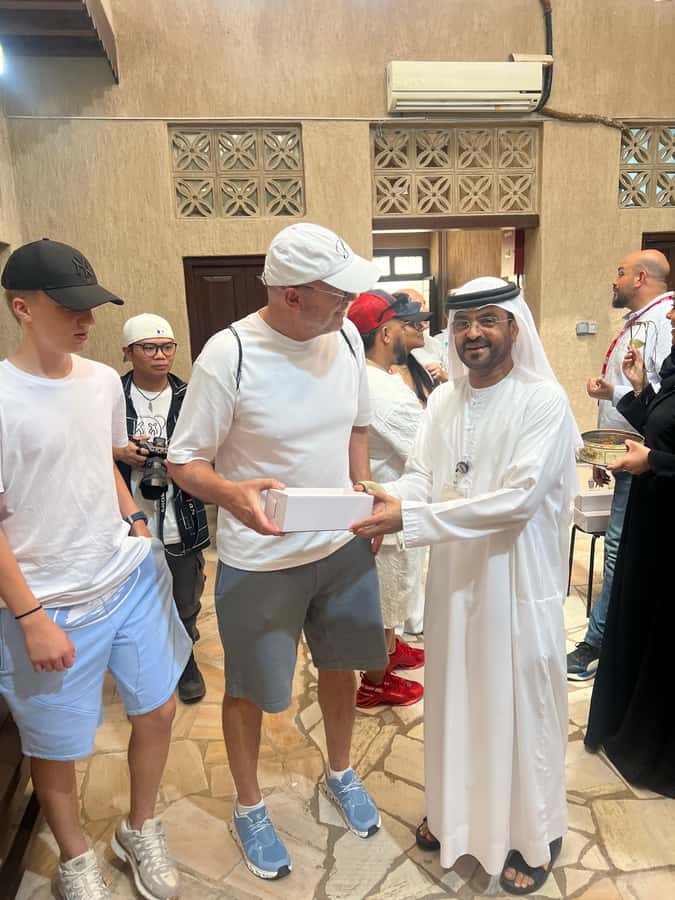
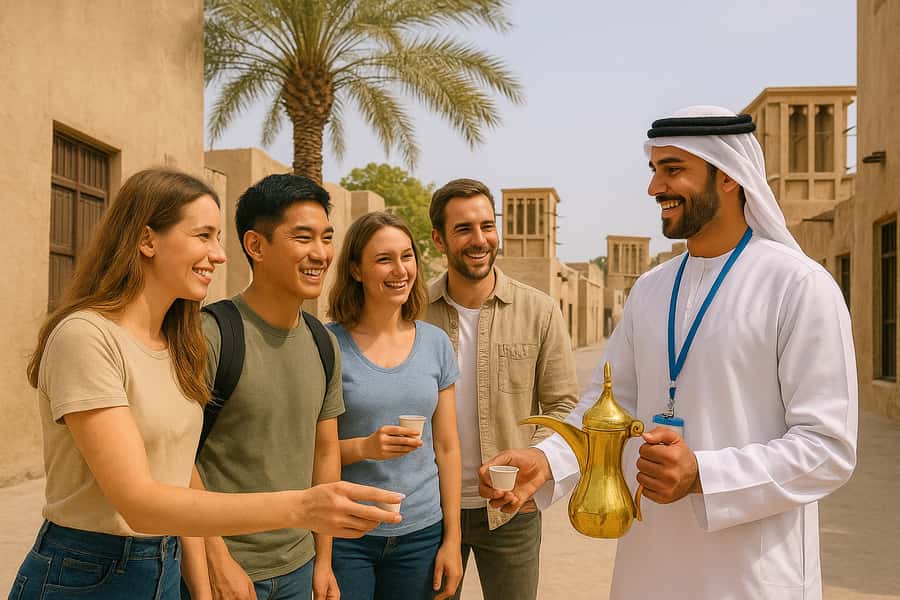
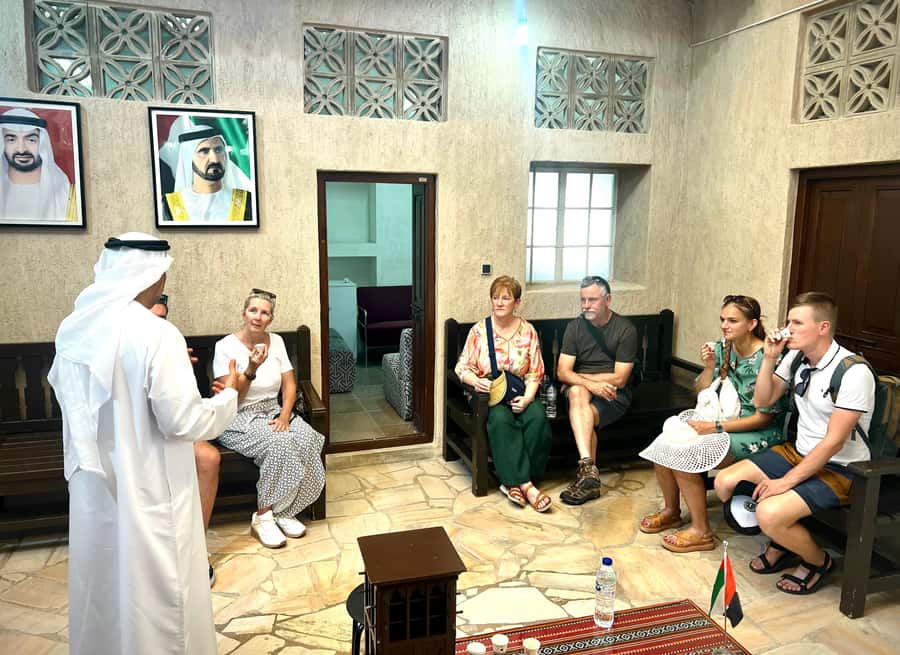
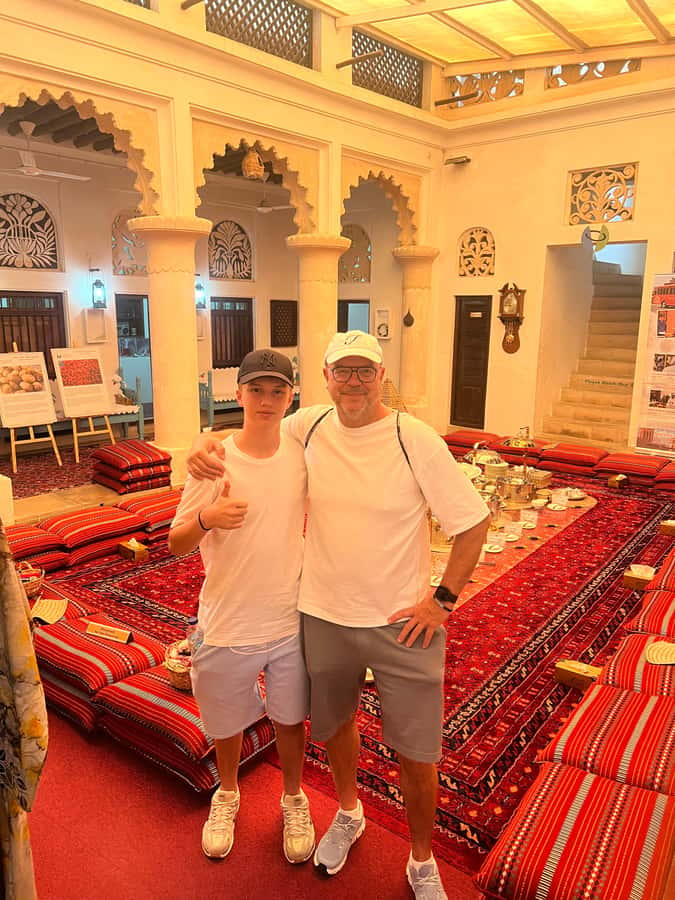
The next part takes you into a historic neighborhood with old local houses. This is where the tour does more than show you photogenic walls. Your guide explains how people lived, how the city developed, and how local customs still shape life in the UAE.
Arabic coffee is served during the visit, along with tea and other refreshments. Coffee here works as a small cultural lesson, not just a drink break. You get a chance to slow down, taste something associated with local hospitality, and ask questions while the guide explains the setting.
A camel milk chocolate sample is also included. It is a small taste rather than a full food tour, but it gives you something distinctive to try and helps break up the walking. If your selected option includes street food testing, you get an additional snack stop. Because the food inclusion depends on the option, do not assume every booking includes the same tasting.
Local art galleries are part of this section too. That adds a useful contemporary note. Old Dubai is not only about preserving the past, and a gallery visit gives you another way to see how local identity is presented today.
I would treat this portion as a cultural introduction rather than a museum visit with long displays and labels. You will hear more from your guide than you will read from exhibits. That makes it engaging, though anyone hoping for a long, quiet museum session may find the pace too active.
Walking beside Dubai Creek and entering the market
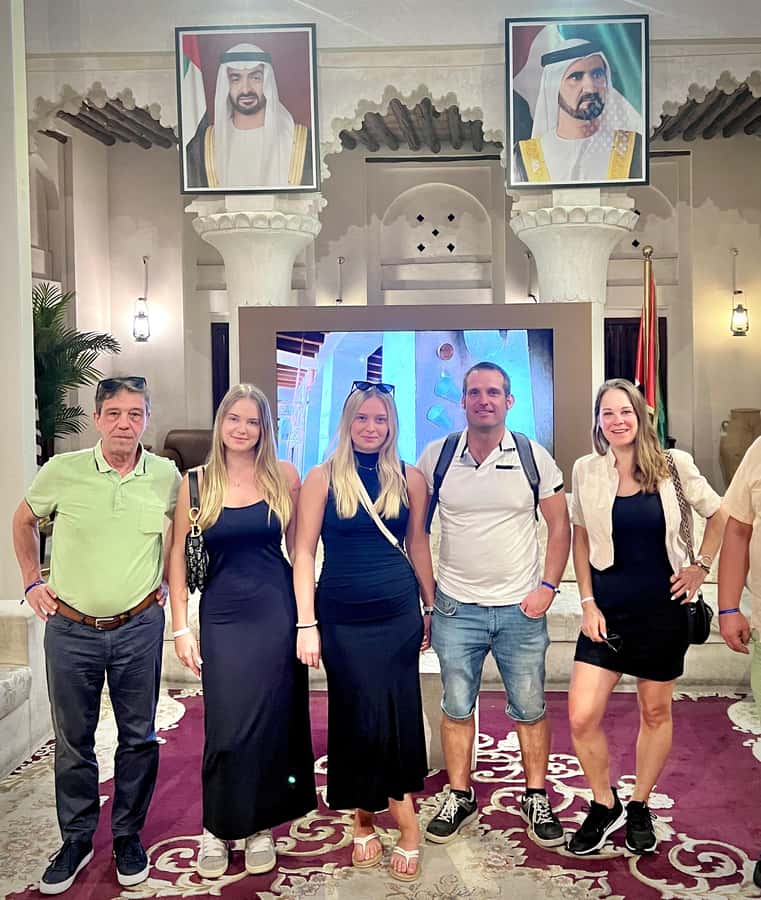
The route continues along Dubai Creek, one of the key physical features of old Dubai. The creek helps explain why the area developed as a trading center. It also gives the tour a natural sense of movement, taking you from historic lanes toward the working market districts.
Your guide offers shopping tips before a quick visit to the old grand market. This advice is useful because souqs can feel exciting and confusing at the same time. You may see products that look similar at very different prices, and a guide can help you understand what you are looking at before you buy.
There is free time for shopping, but the emphasis remains on orientation. I would use this part to note prices, ask questions, and decide what you actually want. Bargaining may be part of the experience, and Hichem has even helped with negotiations. Still, you should remain polite and set your own spending limit. The guide can advise you, but the final purchase is yours.
The market stops also come with a pressure warning. The supplied details do not promise that every shop visit will be free from sales attention. Your guide can help you understand products and prices, yet you should feel comfortable walking away if something is not right for you.
A few more nights of eating around Dubai worth a look
- Dubai Souks, Museum, Street Food Walking Tour with Hotel Transfer
★ 4.5 · 7 reviews - Private Dubai Old Town Tour,street food,Boat & Museums
★ 5.0 · 6 reviews - Takua Pa: Food Market, Tsunami Museum, Temple, & Old Town
★ 4.9 · 165 reviews
Crossing the creek by abra
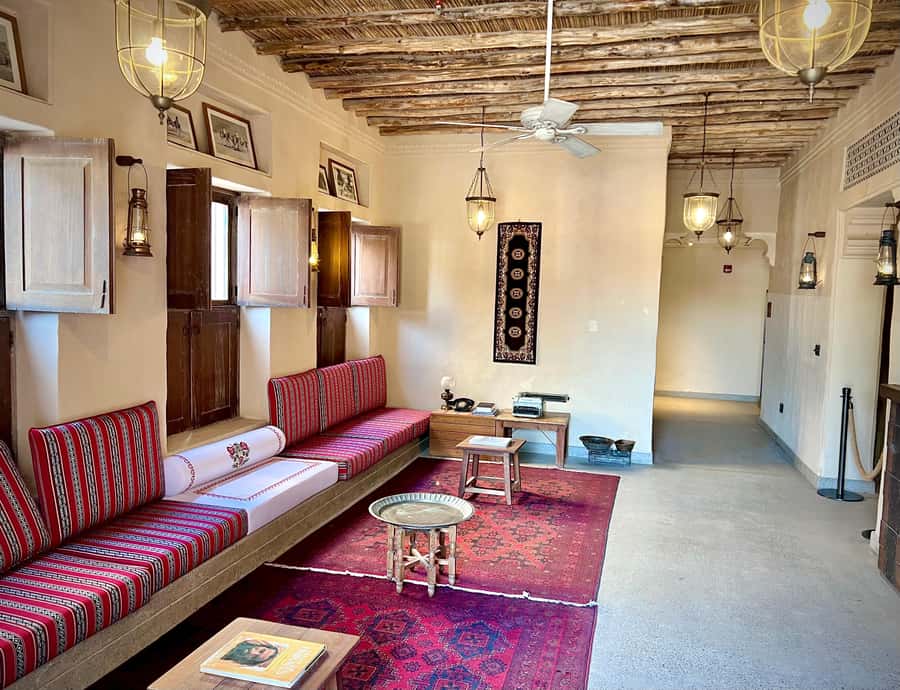
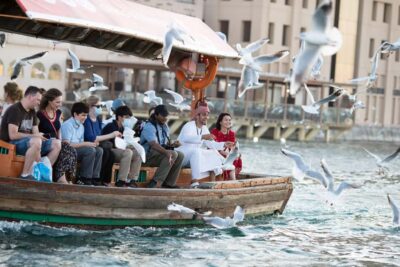
The abra ride is the tour’s clearest change of scene. Instead of moving between old streets on foot, you cross Dubai Creek in a traditional boat. It is a short ride, but it connects the two halves of the outing and gives you a different view of the waterfront.
I like this inclusion because it is more than transportation. The boat makes the creek part of the experience, not just something you walk beside. It also adds a simple, local element to a day that could otherwise feel like a standard market walk.
The crossing leads to the spice market. Your guide introduces different spices, and you can smell and test some of them. This hands-on part is particularly useful if you are unfamiliar with saffron, dried herbs, or other ingredients displayed in the souq.
You may find the spice market more rewarding if you slow down and use your senses. Smelling the products helps you compare them, while the guide’s explanations give context to what you are seeing. The tour includes free time here, so you can browse after the introduction.
If you plan to buy saffron or spices, bring cash and ask questions before agreeing to a price. The goal is not to rush through the market and collect a bag of random goods. It is to understand what you are buying and make a choice you will still like once you return home.
Gold Souq as the final stop
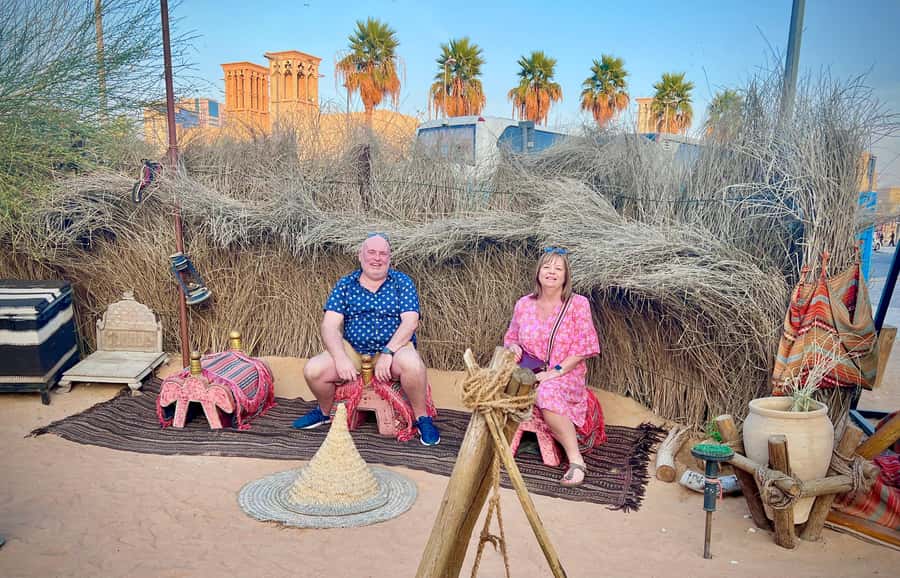
The final stop is Dubai’s largest gold market. This is a dramatic finish because the displays are designed to catch your eye. Even if you do not plan to buy jewelry, the scale and presentation make the souq worth seeing.
Your guide can help with shopping questions, just as at the other markets. That matters more here because gold purchases involve larger sums and more decisions than a small spice purchase. You should take your time, compare items, and avoid buying simply because the display is impressive.
The gold souq is also a good place to understand Dubai’s reputation as a trading city. The tour does not treat it as an isolated shopping attraction. It comes after the creek crossing and spice market, so you can see how different kinds of trade fit into the old commercial district.
The tour ends back at the starting point. There is no provided drop-off, but you have several options from the end point, including bus, taxi, metro, or Uber. Plan this before you start, especially if you have a flight, dinner reservation, or another timed activity.
How the food and shopping options work
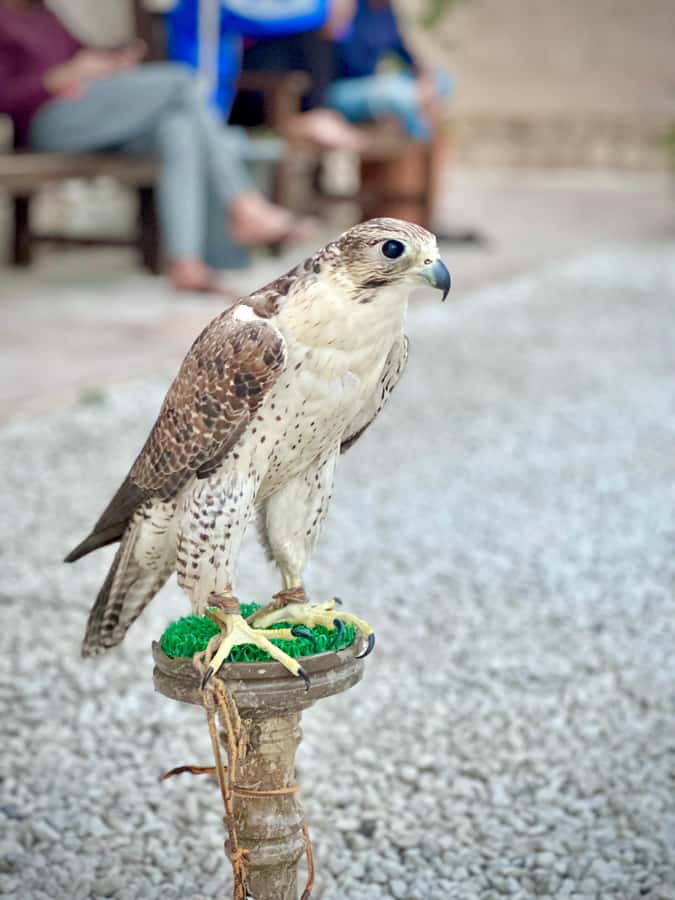
The food element is pleasant but should be understood correctly. Included items are bottled water, tea and coffee, a camel milk chocolate sample, and street food testing when you choose an option that includes it. This is not a large meal or a full restaurant crawl.
That makes the tour easier to fit into a busy Dubai day. You get enough tasting to connect the route with local food culture without turning the experience into a long sit-down lunch. One visitor described the food and drinks as tasty, while another enjoyed the street food along with the boat ride.
If you need a substantial meal, plan one separately. The supplied information does not state the amount or exact dishes served, so I would not book this as your only lunch plan. Think of it as guided sampling with breaks along the way.
Shopping is another part of the value. You visit an old market, the spice souq, and the gold souq, with time to browse. If you want souvenirs, the route can save you from searching for these areas on your own. If you dislike shopping stops, the market focus may feel longer than you want.
Guides, languages, and the group experience
The tour is offered in English, Italian, French, Spanish, German, Arabic, and Portuguese. That is helpful when you want cultural explanations in a language you understand comfortably. Confirm the language option you need at booking.
The strongest theme from the guide feedback is personal attention. Hichem is praised for being patient, friendly, and helpful with shopping. Abdullah and Abdallah are repeatedly described as funny, kind, and attentive to questions. Several people felt they learned a great deal about local culture and Dubai’s past in just a few hours.
One especially useful detail is that guides have stayed engaged beyond the basic route. Hichem has helped with price negotiations and shown people shops connected to what they were seeking. That does not guarantee the same guide or the same level of assistance, but it shows the kind of practical help you can reasonably hope for.
This is still a guided group outing, not a private custom tour. The pace must suit the group, and free time at the markets will not be unlimited. Families can enjoy it, and one family found the experience good value, but young children may need help with the walking and heat.
The tour is not suitable for wheelchair users or people over 209 pounds, or 95 kilograms, according to the stated restrictions. Electric wheelchairs are not allowed. Those limits matter because of the walking, boat access, and older market settings.
Is $19 good value?
Yes, provided you want several small experiences in one route. For $19, you receive a guide, historic-site entry, an abra ride, refreshments, a chocolate sample, market visits, and some tasting depending on your selected option. Paying separately for a boat ride, guided old-town walk, and market orientation could easily cost more.
The price is especially fair for a first day in Dubai. You get a basic map of the old districts, learn where the main souqs are, and finish with enough practical information to return independently.
The value drops if you expect a private guide, extensive museum time, a full meal, or hotel drop-off. Pickup is only included with the pickup option, and no drop-off is provided. Read the option details closely, particularly for transportation and street food.
You can reserve and pay later, which helps if your Dubai schedule is still changing. Cancellation is allowed up to 24 hours ahead for a full refund, giving you some useful flexibility.
Who should book this Old Dubai tour?
I would recommend it to a first-time visitor who wants culture, food samples, markets, and a simple introduction to the historic side of the city. It also suits families, couples, and solo visitors who prefer having a guide explain customs and shopping practices.
You should book it if you want to see Al Seef, historic houses, Dubai Creek, the spice market, and the gold souq without working out the route yourself. The combination of walking, tasting, boat travel, and shopping gives the outing good variety.
I would choose something else if your priority is a long museum visit, private transportation, a full meal, or a slow luxury experience. You should also think twice if you dislike souq sales attention or cannot manage walking through old lanes.
Should you book it?
Book this tour if you want an affordable, well-rounded introduction to Old Dubai. The abra crossing, Arabic coffee, spice tasting, gold souq, and local explanations give you more than a simple sightseeing walk. The guides are the biggest reason to choose it, with Hichem and Abdullah among the names most often praised for humor, cultural insight, and practical shopping help.
Choose the hotel pickup option if reaching Al Seef is inconvenient, but remember that you arrange your own way back after the tour. Wear comfortable shoes, bring cash, and select the street food option if tasting is important to you. For $19, this is a sensible first step into Dubai’s older, more personal side.
FAQ
Where does the tour start?
The meeting point is Wokyo Noodle Bar at Al Seef, next to the Al Fahidi Marine Transportation Station.
Where does the tour end?
The activity ends back at the meeting point in Al Seef. No drop-off service is provided, but bus, taxi, metro, and Uber options are available from the area.
Is hotel pickup included?
Hotel pickup is included only when you select the pickup option. Transportation may be by a small car or van, depending on the number of people being picked up.
Does the tour include an abra boat ride?
Yes. The traditional abra ride takes you across Dubai Creek toward the spice market.
Is street food included?
Street food testing depends on the option selected when you book. Tea, coffee, bottled water, and a camel milk chocolate sample are included.
What languages are available?
The tour is offered in Italian, French, English, Spanish, German, Arabic, and Portuguese.
Is the tour suitable for wheelchair users?
No. The tour is not suitable for wheelchair users, and electric wheelchairs are not allowed. It is also not suitable for people over 209 pounds, or 95 kilograms.
Just added around Dubai
- Original Street Food Tour of Dubai★ 4.5 · 41 reviews
- Dubai Street Food Tour★ 5.0 · 5 reviews
- Old Dubai Walk, Souk, Street Foods, Al Fahidi and Al Seef Tales★ 4.0 · 9 reviews
- Private Dubai Street Food Tour .★ 4.5 · 7 reviews
- Dubai Souks, Museum, Street Food Walking Tour with Hotel Transfer★ 4.5 · 7 reviews
- Local Street Food and Guided Walking Tour of Dubai Old Town★ 5.0 · 37 reviews
- Private Dubai Old Town Tour,street food,Boat & Museums★ 5.0 · 6 reviews
- Old Dubai Guided Tour With Photographer: Souks & Street Food★ 4.9 · 74 reviews
Old Quarter and Medina Food Walks, compared.
Old Town, Creek, Museums, Souks, & Street Food Tour
What we made of it →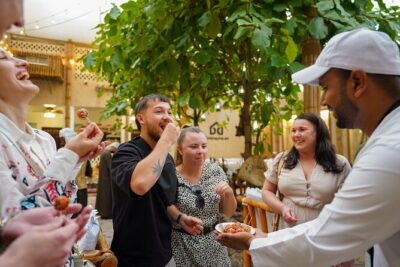
Old Town, Souks, Street Food, Guided Tour & Abra Ride
What we made of it →![[HOT] Hanoi Old Quarter Walking Street Food – Small Group Tour](https://cdn.streetfooddays.com/wp-content/uploads/hot-hanoi-old-quarter-walking-street-food-small-group-tour-400x267.jpg)
[HOT] Hanoi Old Quarter Walking Street Food – Small Group Tour
What we made of it →Old Town, Souks, Street Food, Guided Tour & Abra Ride
What we made of it →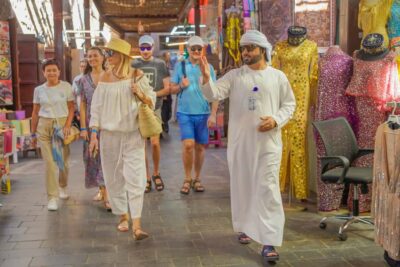
Old Town, Street Food, Creek, Souks, & Emirati House
What we made of it →
Chania: Old Town Highlights Guided Tour with Street Food
What we made of it →Where this tour turns up