
Review · OSAKA
Eat Like a Local in Osaka – Private Custom Street Food Tour
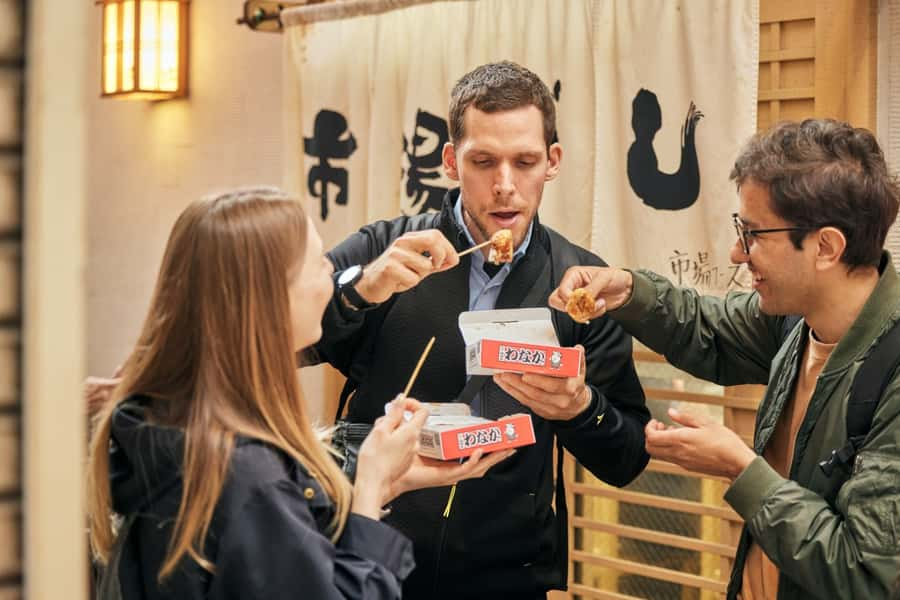
Osaka eats loud and late. This three-hour private tour pairs you with a local host for six to eight food tastings around Dotonbori and Namba, two of the city’s best areas for casual eating and evening walks. I like the personal matching process, which lets you explain your tastes before meeting your guide, and I like that the route can change to suit your appetite.
The chance to try classics such as takoyaki, okonomiyaki, kushikatsu, oden, and yakisoba is a real draw. I also like the local advice you take away for later meals. The main caution is that the experience can vary by host, and the description allows restaurant stops, not only food carts or open-air stands. At $169 per person, you should be clear about the style of food tour you want before booking.
Key points to know before you book
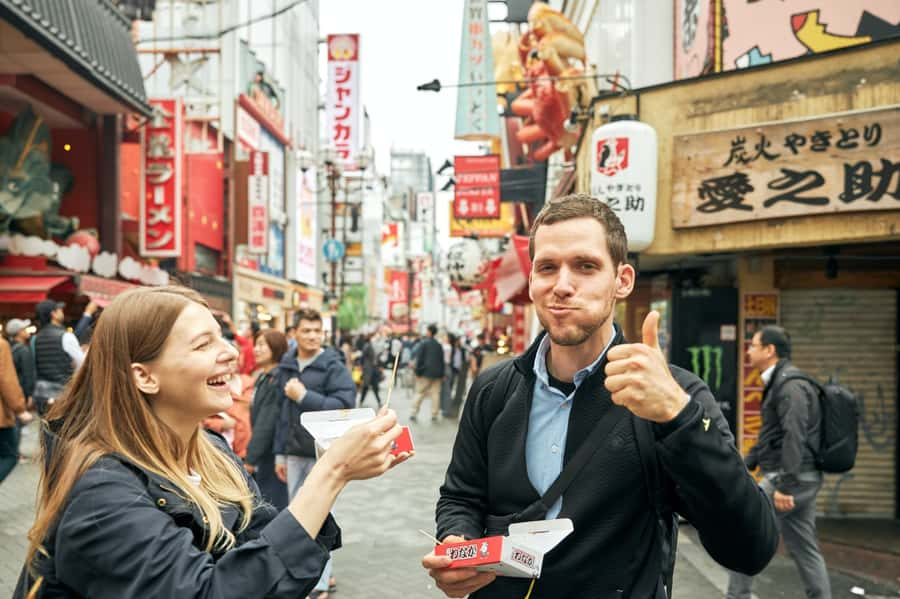
- Your food preferences shape the route: A questionnaire after booking helps match you with a host and guide the tasting choices.
- Dotonbori and Namba supply the setting: Expect neon signs, lantern-lit side streets, crowded food areas, and plenty of visual energy.
- Six to eight tastings are included: The exact dishes depend on your appetite, preferences, and the host’s plan.
- Two drinks are part of the price: You can choose alcoholic or nonalcoholic drinks.
- This is a walking tour: Central hotel pickup can be arranged on foot, but transport is not included and public transit or a taxi may add cost.
- The host matters: English and Japanese guides are available, but one low-rated experience raised concerns about clear English and limited explanation.
Why Osaka is made for a food walk
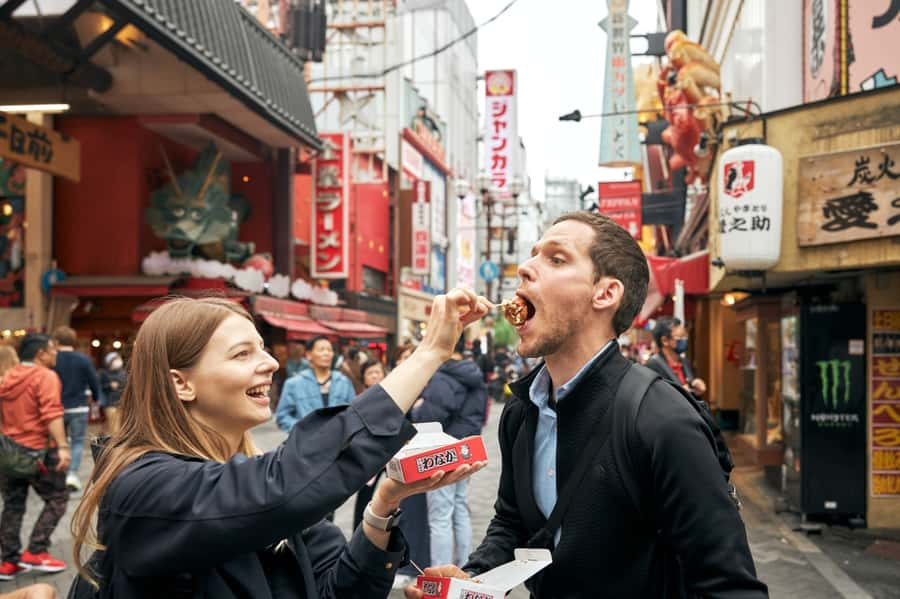
Osaka has a long reputation for casual, generous food. You do not need a formal dining room to eat well here. Much of the city’s appeal comes from hot food prepared quickly, served simply, and eaten as part of the street scene.
Dotonbori gives you the bright side of Osaka. The canal district is packed with signs, storefronts, food displays, and narrow lanes. Namba adds a more tucked-away feel, especially in its lantern-lit alleys. The two areas sit close enough to connect on foot, making them practical for a short evening tour.
I like this route because the food and the setting work together. You are not only stopping for dishes. You are also watching how Osaka’s night districts operate, seeing where people gather, and learning why these particular foods became city favorites.
The private format helps here. Instead of following a large group behind a flag, you can ask questions as you go. If you are cautious with unfamiliar food, you can say so. If you want to try more unusual flavors, you can ask for that too.
More Street Food Tours in Osaka:
- Hungry Osaka Street Food Tour:15 Tastings & 3 Drinks with a Local
★ 5.0 · 1,727 reviews - Hungry Osaka Street Food Tour: 15 Dishes & 3 Drinks
★ 4.9 · 694 reviews - [1 Group Only] Osaka Street Food Tour for Family
★ 5.0 · 208 reviews
The questionnaire is more important than it sounds
After booking, you receive a short online questionnaire about your interests, preferences, and must-see ideas. This is not just a formality. It gives the company a way to match you with a host who fits your eating style and helps the guide plan a sensible route.
You should be specific. Tell the host if you dislike seafood, avoid meat, cannot eat spicy food, prefer small portions, or want a stronger focus on traditional dishes. Also mention if you care more about street stalls than sit-down restaurants.
The word custom needs a little care. Your host can shape the route, but the tour still depends on what is open, what is available, and how each guide works. One low-scoring experience involved restaurant meals rather than the street food the customer expected. That makes it worth confirming your preference for stalls, counters, or takeaway food before the tour begins.
A private host can also adjust the pace. If you want to stop for photos, ask about a dish, or spend longer in one alley, you have more freedom than you would on a fixed group outing.
Starting in Dotonbori’s neon-lit food district
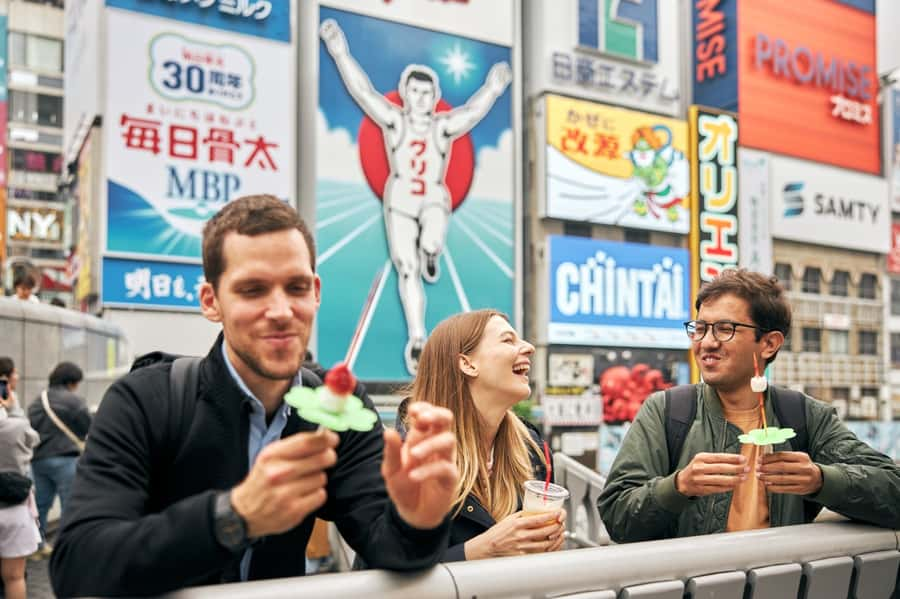
The usual central meeting point is Starbucks Coffee at Tsutaya Ebisubashi in Dotonbori. If you are staying at a central Osaka hotel, pickup can be arranged on foot. This is useful if you are still finding your way around the city, though you should confirm the meeting details in advance.
Dotonbori is a strong place to begin because it gives you immediate access to Osaka’s famous food culture. The streets are full of signs and food displays, and the area makes it easy to move between one tasting and the next.
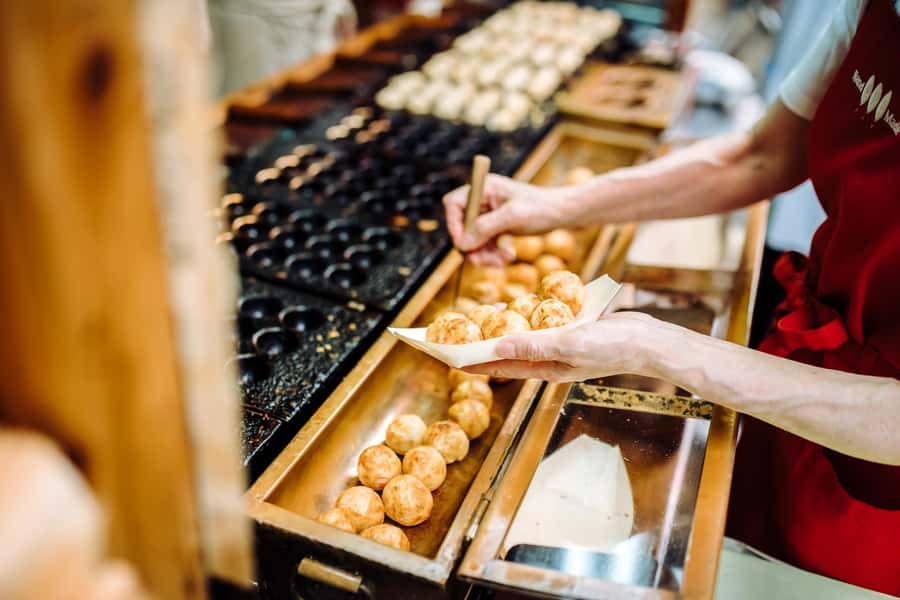
The first dish might be takoyaki, depending on your choices and the host’s plan. These small octopus-filled batter balls are cooked in molded pans, then served hot with sauces and toppings. They are easy to recognize, but the experience is not always easy to rush. The centers can be very hot, so take a moment before eating.
Takoyaki is a good opening dish because it shows Osaka’s style: inexpensive, filling, social, and made right in front of you. Your host can explain how the dish fits into local food culture and point out the difference between a quick stand stop and a more relaxed restaurant version.
You might also try okonomiyaki, often described as a savory pancake. The mixture can include cabbage and other ingredients, with the final choices depending on your host and preferences. In Osaka, it is a filling meal rather than a tiny snack, so you may need to pace yourself if several more tastings are planned.
Namba’s alleys bring the food closer to local life
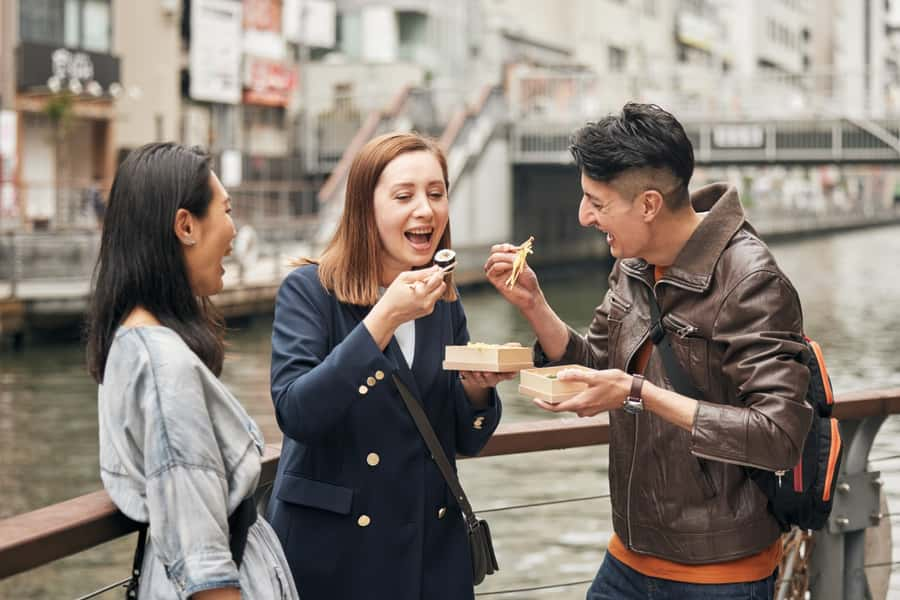
From Dotonbori, the route may continue into Namba’s lantern-lit alleys. This part of the walk can feel less like a major sightseeing zone and more like a collection of small eating places and narrow passages.
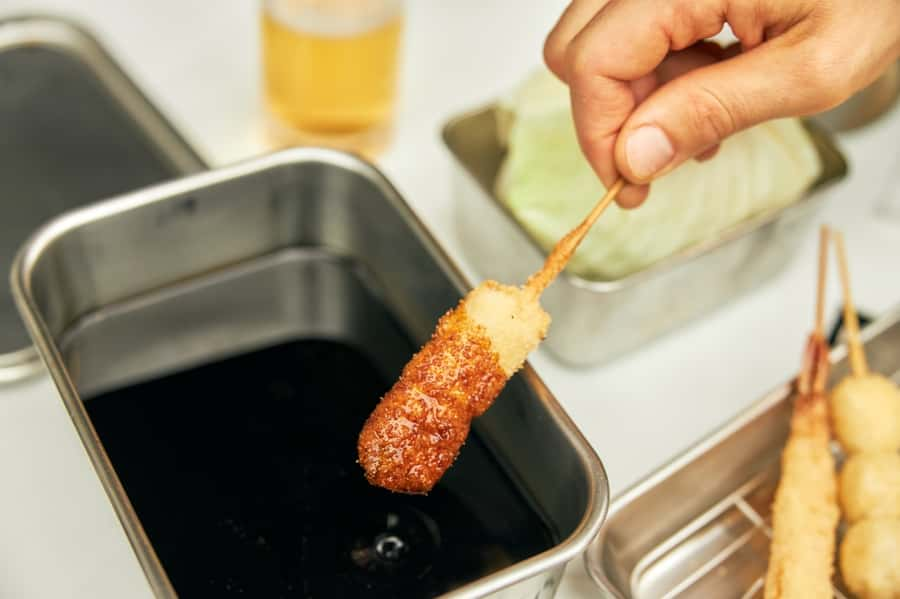
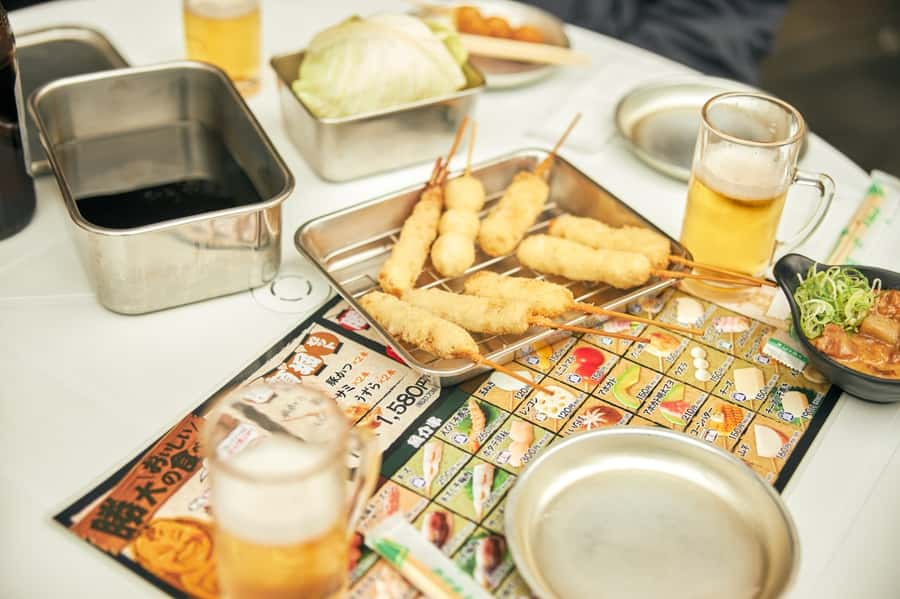
Kushikatsu is one possible stop. These skewered and fried foods are associated with Osaka’s casual dining culture. You may find meat, vegetables, or other ingredients on skewers, though the exact selection is not promised. The appeal is in the contrast between crisp coating and hot filling, along with the quick, informal way the food is served.
Oden offers a different texture and mood. It is a simmered dish made from assorted ingredients in a seasoned broth. It tends to be comforting rather than flashy, which makes it a useful counterpoint to fried food and the bright signs outside.
Yakisoba may also appear, cooked on a hotplate and served with a savory sauce. Watching noodles being prepared in front of you gives the dish some theater, but the larger benefit is practical: you learn what to look for when you return to the neighborhood on your own.
The route can include six to eight dishes, but that does not necessarily mean six to eight full meals. Some tastings may be small, while others, such as okonomiyaki, can be more substantial. I would avoid eating a large dinner beforehand, but I would not arrive starving either. A food walk is more enjoyable when you can taste carefully instead of racing to finish.
Same place, a different plate:
- Umami Town Street Food Tour
★ 5.0 · 120 reviews - Osaka: 2-Hour Local Street Food Tour – Dotonbori & Namba
★ 4.6 · 95 reviews - Eat Osaka: Street Food Cooking in an Authentic Kitchen!
★ 5.0 · 87 reviews - Retro Osaka Street Food Tour: Shinsekai
★ 4.5 · 77 reviews
What the local host adds
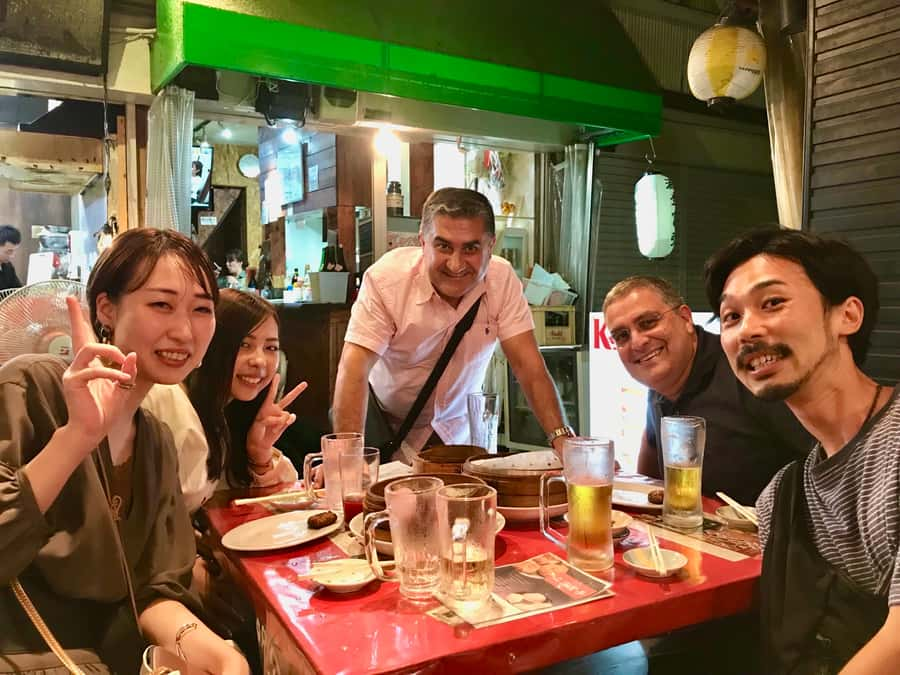
The best part of this experience is the human connection. Your host is meant to do more than point at a menu. They can explain the background of a dish, help you choose, and give suggestions for the rest of your Osaka stay.
That advice may be more useful than a simple list of famous restaurants. You can ask what to order, how much food to get, and which areas are worth returning to. The host can also help you avoid ordering more than you need, especially when Japanese menus offer unfamiliar choices.
One host named Lay has been praised for knowing the area well and for offering practical food and restaurant suggestions. Lay also brings an outside perspective as an expatriate living in Japan, which can make conversations about adapting to local customs especially interesting. Guides vary, so you should not assume every host will offer the same style of commentary.
Language is another factor. Tours are offered in English and Japanese. Most English-speaking visitors should have a workable experience, but one poor experience raised concerns about unclear English and a lack of explanation. If detailed cultural conversation is important to you, send a message before the tour and ask about your host’s language ability.
The private format makes it easier to communicate your needs. You can ask your guide to slow down, repeat a point, or explain a menu item without holding up a group.
Six to eight dishes, and how to judge the value
The price is $169 per person. That is a substantial amount for three hours of eating, especially because extra food, extra drinks, transport, and attraction tickets are not included.
The value comes from more than the food itself. You are paying for a private guide, advance matching, a flexible route, two local drinks, and help navigating areas that can feel confusing at night. If you are new to Osaka and want a fast introduction to its food culture, those services can justify the cost.
The price is harder to defend if you mainly want inexpensive street food and already feel comfortable ordering on your own. Dotonbori and Namba have plenty of places you can visit without a guide. You could spend far less by choosing a few dishes independently.
I would consider this tour good value for:
- First-time visitors who want a planned introduction to Osaka food
- Couples or families with different tastes
- People who want a private host rather than a large group
- Diners who need help choosing food or understanding menus
- Anyone who values recommendations for later meals
I would think twice if you are looking for a strict market or food-stall tour. The route may include restaurants, and the exact dishes are not fixed in advance. A private tour can be personal, but it is not automatically a better bargain than eating independently.
Two local drinks are included, alcoholic or soft depending on your preference. That is a useful touch, though you should treat them as part of the experience rather than a major reason to book.
Walking, transport, and comfort
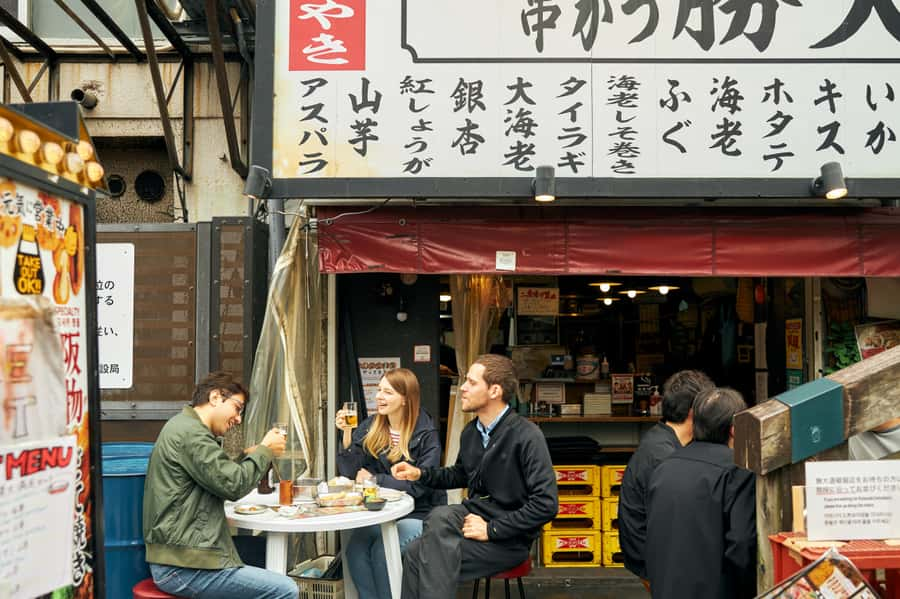
This is primarily a walking experience through central Osaka. You may be picked up on foot from a central hotel, or meet at the Dotonbori meeting point. A private vehicle is not included.
Your host may use public transportation or a local taxi to move between stops. Those costs are extra, and you can discuss them after the reservation is finalized. Ask about this if walking for three hours is difficult or if you want to keep the evening budget under control.
The activity is listed as wheelchair accessible, but the route is still built around city streets, alleys, food stops, and possible transport transfers. If you use a wheelchair, confirm the exact route and the accessibility of each planned stop with the host before you go.
Comfortable walking shoes are a sensible choice. You may pause often for food, but the tour is not a seated dining experience from beginning to end.
How the tour can vary from one host to another
A private custom experience has a clear advantage: your host can respond to you. It also has a clear weakness: the quality depends heavily on the individual guide.
The strongest version of the tour includes good food choices, clear explanations, and a relaxed conversation. One highly positive evening combined food, company, and plenty of learning. Another enjoyable experience respected a guest’s limited appetite for adventurous food while still giving a useful introduction to Osaka specialties.
The weakest version can feel like a series of restaurant stops without much context. If the guide does not explain the dishes or the local customs, the tour loses much of its purpose. You can reduce that risk by telling the host exactly what you expect: street stalls, historical background, local drinks, mild food, adventurous food, or a mix.
I would also ask how many stops are planned and how much time will be spent eating versus walking. The tour lasts three hours, and six to eight tastings can make the schedule feel full.
Booking and cancellation details
You can cancel up to 24 hours before the start time for a full refund. A reserve-now, pay-later option is available, which helps if your Osaka schedule is still changing.
Starting times vary, so check availability for your dates. Evening is likely to suit the Dotonbori and Namba setting, but the exact start time depends on the available schedule.
The tour is offered as a private group experience, with English and Japanese guides. Since the price is per person, compare the total cost for your party with the cost of eating independently and hiring a guide separately.
Who should book this Osaka food tour?
I would recommend it to someone visiting Osaka for the first time who wants food, orientation, and conversation in one outing. It is also a good fit if you want to try local dishes but are unsure how to order them.
Families and couples may appreciate the private format because the host can respect different comfort levels. The same goes for cautious eaters. You can ask for familiar foods and still learn about Osaka specialties.
Food-focused visitors who already know Dotonbori may get less value. You might prefer to spend the $169 on several independent meals, especially if you want control over every dish and stop.
Before booking, send a clear note saying that you want street food rather than only restaurant dining. Ask how the host defines the six to eight tastings, and mention any dietary restrictions or strong dislikes. Those few questions can make the experience much closer to what you expect.
Should you book it?
Book this tour if you want a private introduction to Osaka’s food culture and value a local person’s advice as much as the dishes. The questionnaire, flexible route, two drinks, and six to eight tastings make it more personal than a basic food crawl.
Skip it if your main goal is cheap street food or if you want a guaranteed list of stalls. At $169 per person, the food alone does not justify the cost. The tour earns its price when the host communicates well, explains what you are eating, and gives you useful ideas for the rest of your stay.
My best practical tip is simple: state your expectations before the first bite. Ask for Dotonbori and Namba street stops, confirm your language needs, and explain how adventurous you want to be. Do that, and this can be a tasty way to get your bearings in Osaka without wasting your first evening on guesswork.
FAQ
How long is the Eat Like a Local in Osaka tour?
The tour lasts three hours.
How many food tastings are included?
The experience includes six to eight street food tastings, selected according to your preferences.
Which Osaka foods might I try?
Possible dishes include takoyaki, okonomiyaki, kushikatsu, oden, and yakisoba. The final selection depends on your host, appetite, and preferences.
Are drinks included?
Yes. Two local drinks are included, and you can choose alcoholic or soft drinks according to your preference.
Where does the tour meet?
Your host can arrange pickup on foot from a central Osaka hotel. Otherwise, the central meeting point is Starbucks Coffee at Tsutaya Ebisubashi, 1 Chome-8-19 Dotonbori, Chuo Ward, Osaka.
Is transportation included?
No. The tour is mainly on foot. Public transportation or local taxis may be used, but those costs are additional and can be discussed with your host.
Just added around Osaka
- Osaka Street Food Tour: Private & Personalized★ 4.5 · 36 reviews
- Retro Osaka Street Food Tour: Shinsekai★ 4.5 · 77 reviews
- Osaka 2 Hour Local Street Food Tour in Dotonbori and Namba★ 5.0 · 2 reviews
- Evening Street Food Hopping Tour in Downtown Osaka★ 5.0 · 8 reviews
- Eat Osaka: Street Food Cooking in an Authentic Kitchen!★ 5.0 · 87 reviews
- Deep Dive: Osaka Food Markets from Local to Luxurious!★ 5.0 · 31 reviews
- Osaka Shinsekai Street Food Tour – Evening★ 5.0 · 2 reviews
- Osaka Okonomiyaki Cooking Experience for Families & Groups★ 4.9 · 8 reviews
Street Food Tours, compared.
Old Town, Creek, Museums, Souks, & Street Food Tour
What we made of it →
Ho Chi Minh City Street Food Tour & Sightseeing By Motorbike
What we made of it →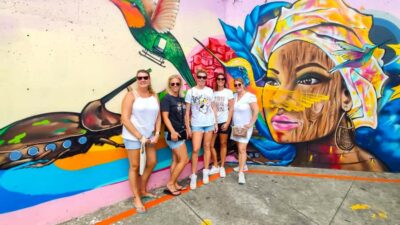
Comuna 13 Graffiti Tour, Cable Car & Street Food
What we made of it →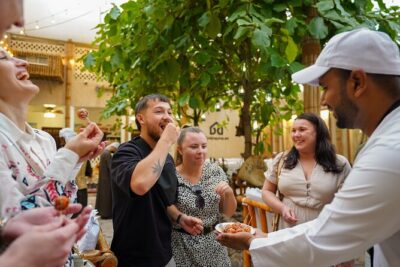
Old Town, Souks, Street Food, Guided Tour & Abra Ride
What we made of it →
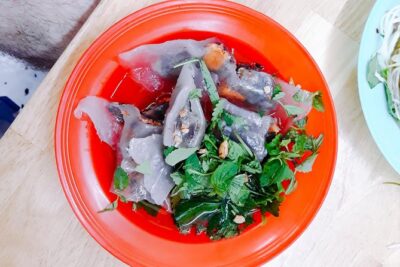
Small Group Hanoi Street Food Tour with a Real Foodie
What we made of it →
Saigon By Night and Street Food By Motorbike | Opt: Ao Dai Riders
What we made of it →Where this tour turns up