
Review · MOROCCO
Marrakech: Street Food Tour with a Local Guide
Come hungry, leave happily stuffed. This three-hour walk through Marrakech’s Medina turns local eating into a guided lesson in Moroccan life, with 10 to 12 tastings included for $34. I like the mix of ordinary neighborhood stops and classic dishes, and I like that guides such as Abdul, Abdoo, Ahmed, and Miriam explain what you are eating instead of simply handing you a plate. The one concern is the sheer amount of food, especially if you arrive after lunch.
I also like that the route reaches places you might pass without noticing on your own, from small food stalls in Mellah to local stops around Kasba. The tour is social and practical, but busy lanes, scooter traffic, and a crowded stop or two can make it less relaxing for anyone who prefers a quiet meal.
What makes this Marrakech food walk worth your time
- Around 10 to 12 generous tastings: Expect far more than a token bite, with pancakes, soup, grilled meat, sweets, drinks, and snacks.
- A route beyond the main tourist circuit: The walk passes through Jemaa el Fnaa, Riad Zitoun Jdid, Mellah, Kasba, and Souk Semmarine.
- Guides who add useful context: Abdul, Abdoo, Ahmed, and Miriam are praised for explaining food, customs, local life, and the layout of Marrakech.
- All food and nonalcoholic drinks included: At $34, you do not need to keep pulling out your wallet at each stop.
- A strong first-day activity: The tour helps you get your bearings and gives you confidence to order from Medina vendors later.
- Shared or private options: You can choose a group outing or arrange a private tour for more personal attention.
Starting at Café Argana in Jemaa el Fnaa
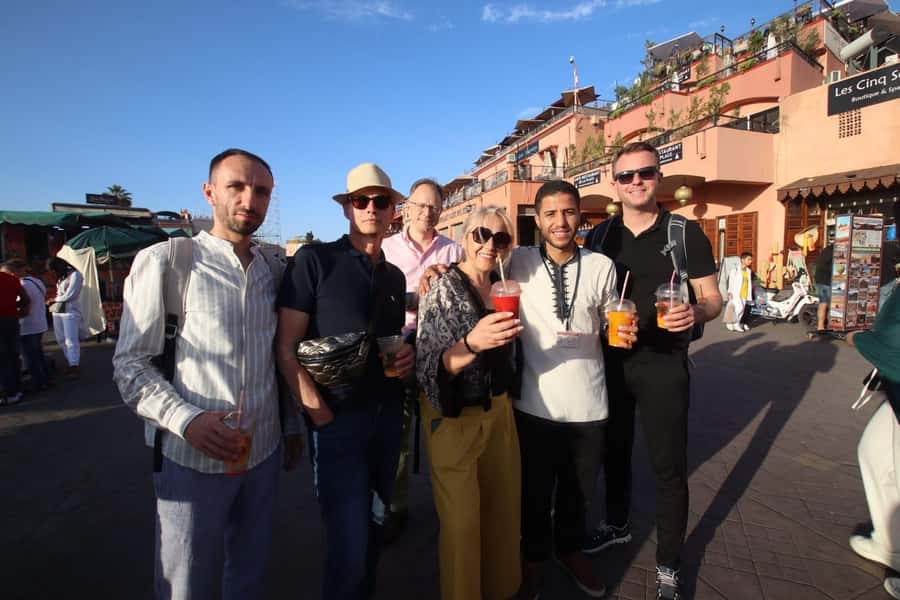
The meeting point is in front of Café Argana, on Jemaa el Fnaa square. Look for the café’s green symbol, juice sellers, and a large ice cream sculpture. The guide is supposed to wait outside with an official guiding card and your name on the booking list.
This location is useful, but Jemaa el Fnaa can be confusing at first. Give yourself enough time to find the café rather than arriving at the last minute. If you lose your way, look for the food stands and the café name written in green.
The tour begins with an explanation of the route. From there, you walk from one neighborhood to another rather than riding between restaurants. That matters because the food is only half the experience. You also see how the Medina connects its markets, residential quarters, religious areas, and shopping lanes.
The walk lasts about three hours. Starting times vary, and the tour can run in the morning or evening depending on availability. Afternoon and evening departures are useful for foods that are not served early in the day, while a morning outing may offer a different selection.
More Street Food Tours in Morocco:
- Marrakech: Street Food Tour by Night
★ 4.8 · 2,838 reviews - The Original Marrakech Street Food Tour
★ 5.0 · 248 reviews - Marrakech Street Food Tour
★ 5.0 · 220 reviews
Jemaa el Fnaa: tea, orientation, and a first look at Marrakech
The first stop is Jemaa el Fnaa, where you spend about 25 minutes walking and taking part in a tea ceremony. This gives the guide a chance to set the tone and explain how the group will move through the Medina.
Tea is not just a drink here. It is part of Moroccan hospitality, and the ceremony gives you a simple introduction to the social role of food and drink. Your guide may also explain how to approach later stalls, what to expect from local portions, and how the route fits together.
Jemaa el Fnaa is also the busiest part of the walk. You will deal with crowds, vendors, carts, and moving scooters. Keep your eyes on the guide when the group turns into a smaller lane. One useful benefit of joining early in your stay is that you learn how to move through the square without feeling quite so lost.
Riad Zitoun Jdid: sweet dishes and street food
The next section leads toward Riad Zitoun Jdid, where the focus shifts to dessert and street food. This is a good place to try Moroccan sweets alongside savory items, since the tour is designed to show how much variety can appear within a short walk.
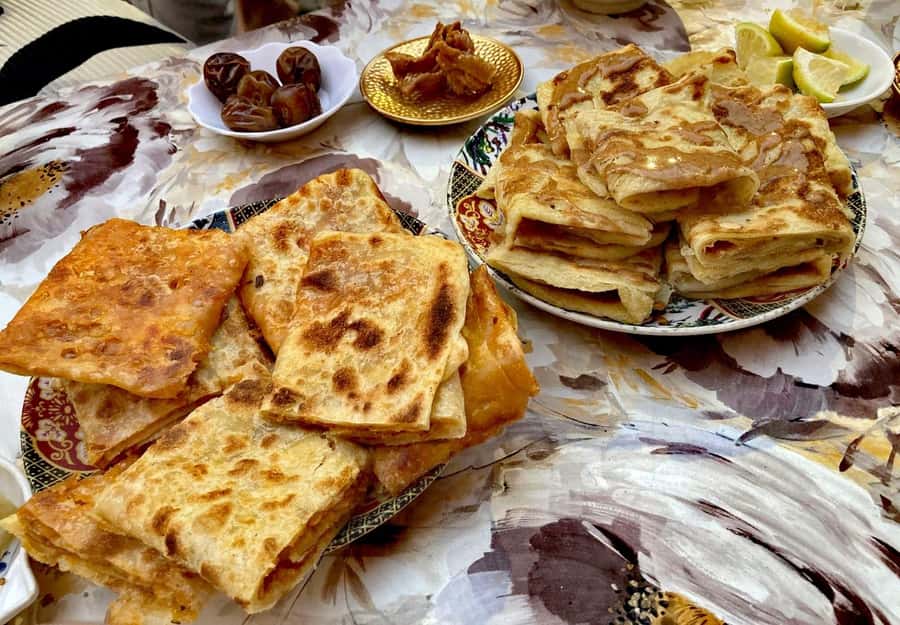
Possible tastings include chebakia, a sweet pastry often eaten at brunch, and msemen or harcha, Moroccan pancakes with different textures and uses. Msemen is usually layered and chewy, while harcha has a more crumbly, semolina-based texture. The exact selection depends on the time of day and what is available.
You may also encounter khoudenjal, a hot herbal infusion. It is a useful reminder that Moroccan street food is not limited to grilled meat or pastries. Drinks, breads, soups, nuts, and fresh juice all belong to the food culture being presented.
The portions are not merely sample-sized at every stop. Several people find the food so plentiful that they cannot finish everything by the end. I would treat breakfast or lunch as optional on tour day, not because the operator promises one specific menu, but because the amount served can be substantial.
Mellah: local snacks in the Jewish Quarter
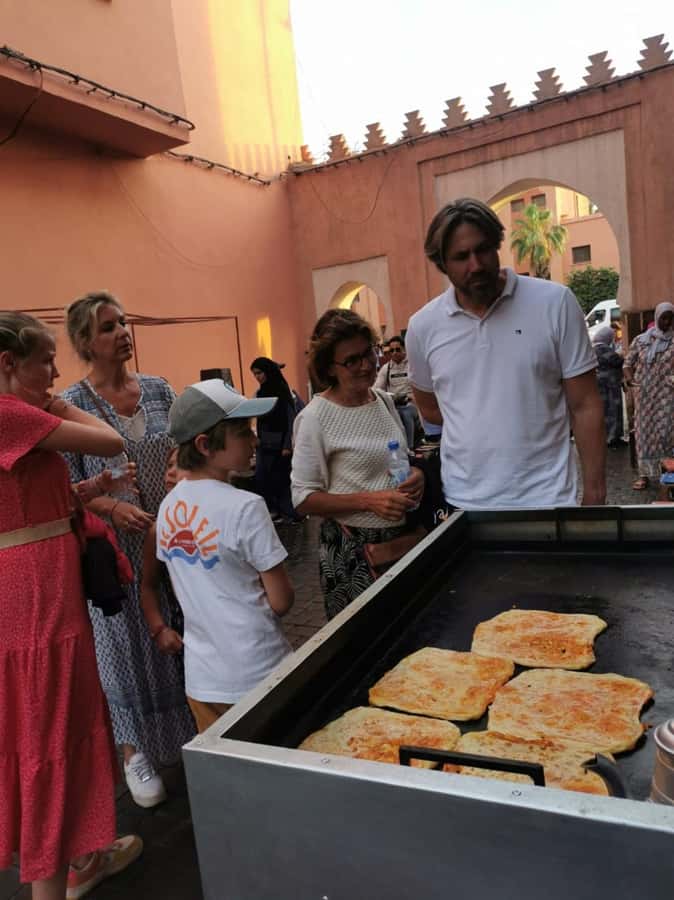
The route continues to Mellah, Marrakech’s historic Jewish Quarter, for a photo stop, local snacks, and more food. This is one of the more useful parts of the walk because it links eating with the city’s different communities and neighborhoods.
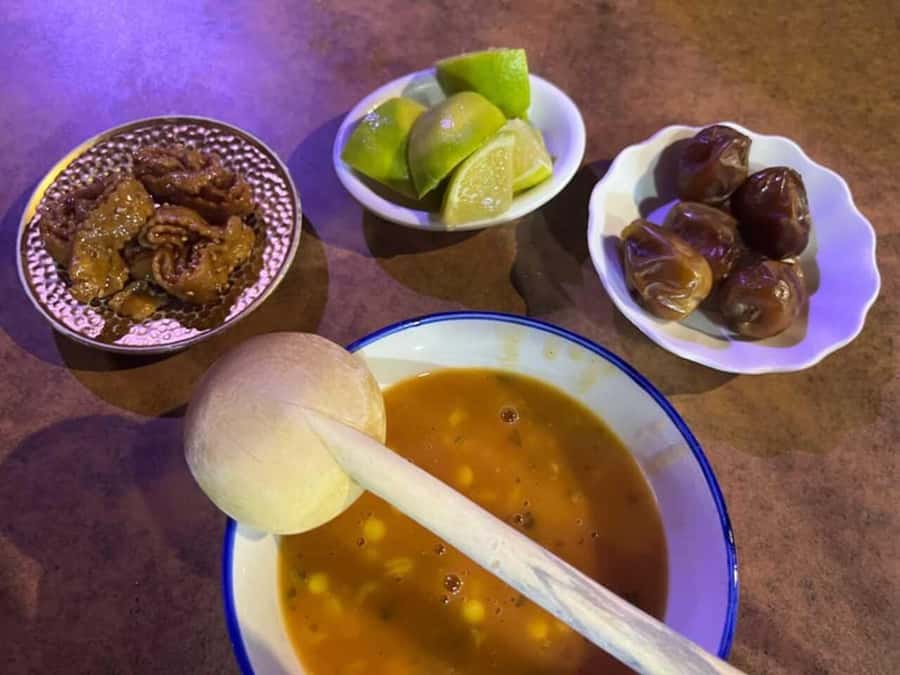
A favorite combination on this route can include soup, sweet treats, and pancakes. Harira, the well-known Moroccan soup, may be offered as a vegetarian version. The soup is often paired with something sweet, creating a contrast that may seem unusual at first but works surprisingly well.
Mellah is also where the tour can feel most different from a standard restaurant outing. You are not simply seated at a polished table and given a menu. You walk through an area where people live and shop, stop at small vendors, and watch the guide make sense of foods that might otherwise be hard to identify.
The downside is comfort. Small food stops can become crowded, and standing room may be limited. If you need a slow, seated meal, tell the guide early. If you enjoy trying food in the same kind of places local residents use, this section is one of the strongest reasons to book.
Same place, a different plate:
- Marrakech Night Street Food Tour / Taste The Real Marrakech
★ 4.9 · 200 reviews - Casablanca Food Tour – Moroccan Street Food Tour
★ 5.0 · 86 reviews - Marrakech street food tour with a local
★ 5.0 · 55 reviews - Marrakesh: Guided Street Food Tasting by Locals
★ 4.6 · 47 reviews
Kasba: grilled food, bread, and savory Moroccan flavors
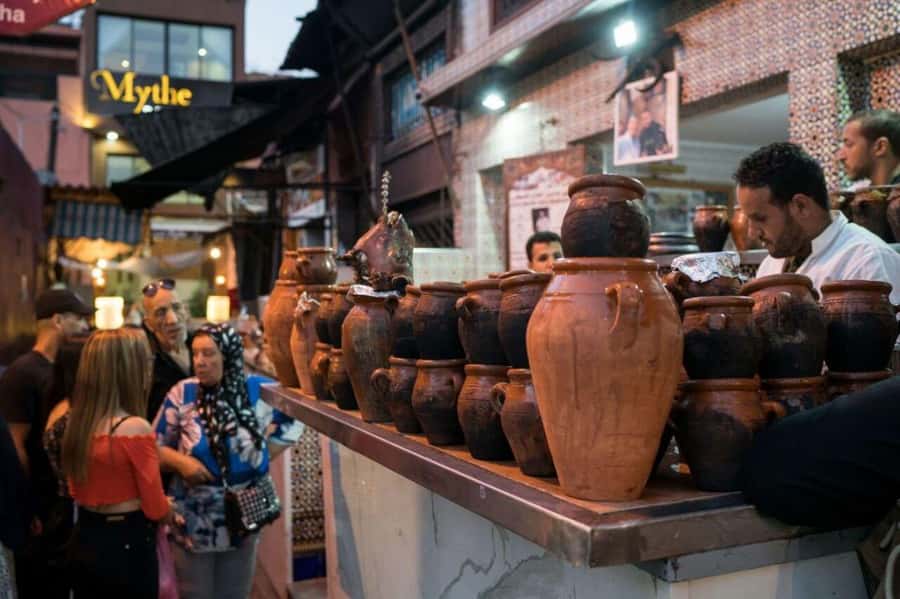
In Kasba, the tour turns toward street food, regional dishes, and local snacks. This is where the savory side of the menu becomes more important.
Possible dishes include chwa, grilled beef or chicken, and khobzaa, bread served with eggs and vegetables. You may also taste sardil mechoui, sardine balls cooked over coals. These dishes show how Moroccan cooking uses simple ingredients, strong seasoning, bread, and open-fire cooking to produce filling food at a low cost.
The guide’s role matters here. A dish such as sardine balls might not be something you would choose by pointing at a stall. With an explanation of what it is and how it is cooked, you can make an informed decision instead of guessing.
Kasba is also another area where you need to stay aware of the group. Narrow streets, scooters, and other foot traffic can interrupt conversation. One practical tip from the experience is to remain close to the guide, especially when the route turns quickly.
Souk Semmarine: shopping lanes and the final tastings
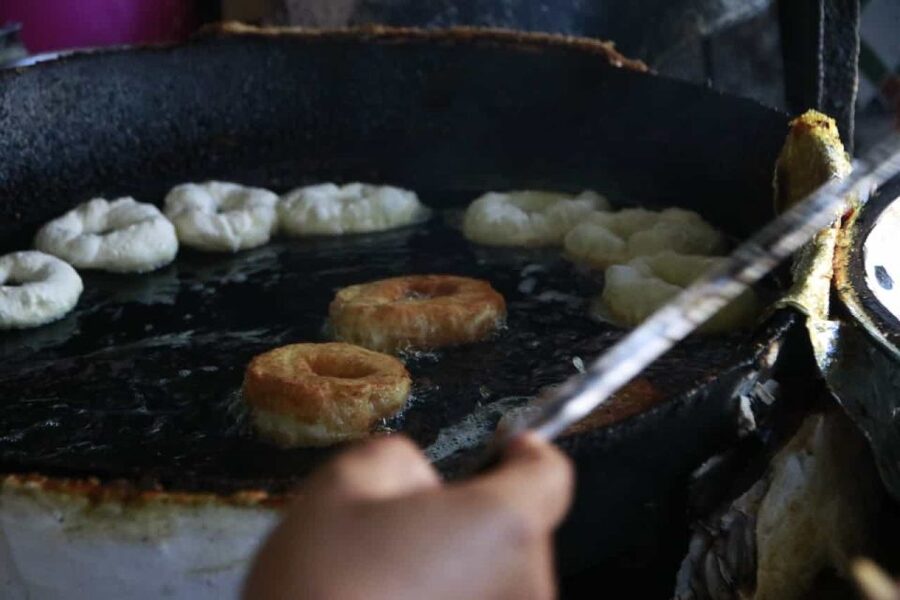
The final major section reaches Souk Semmarine, one of Marrakech’s main market areas. You have time for a break, a food market visit, more tastings, regional food, and some shopping.
The souk is a useful place to finish because you have already learned what many foods are. You may recognize dates, nuts, olives, bread, pastries, or fresh juice that would have been difficult to judge earlier in your trip. Some people save the locations of favorite stalls so they can return later to eat or shop.
Fresh fruit juice, raïb, and nuts may appear among the offerings. Raïb is a Moroccan frozen yogurt, while assir means fresh fruit juice. These lighter items help balance the heavier dishes, although by this point you may already be full.
This part of the walk can be noisy and crowded. One food stop has been described as a bit of a crush, so the tour is not ideal for anyone uncomfortable in tight spaces. The guide should wait for the group before moving on, but you still need to keep track of your companions.
After the last stop, the route returns to Café Argana. That return point is convenient if you want to continue around Jemaa el Fnaa, but hotel pickup and drop-off are not included. Transportation to and from the meeting point may be arranged for an extra charge if you call ahead.
What you may eat during the three hours
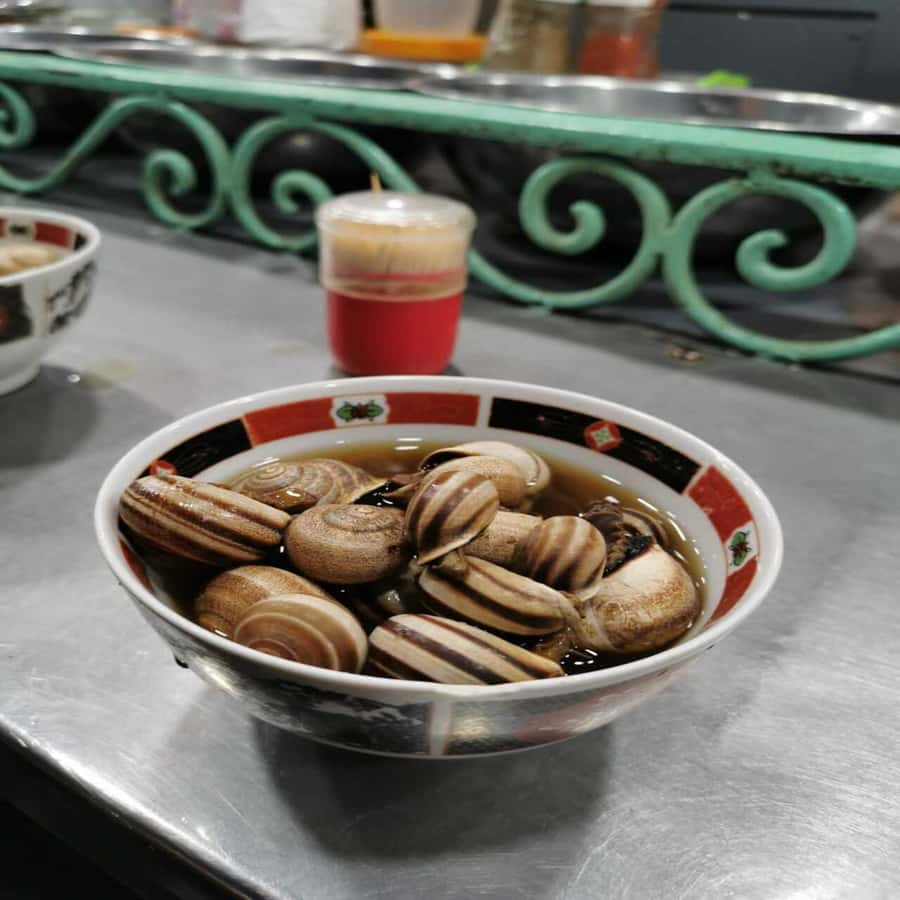
The menu changes with the time of day and food preferences, so do not treat the following list as a guaranteed sequence. It is a good picture of the range:
- Msemen and harcha, Moroccan pancakes
- Harira, a famous vegetarian Moroccan soup
- Chebakia, a sweet pastry
- Khoudenjal, a hot herbal infusion
- Khobzaa, bread with eggs and vegetables
- Raïb, Moroccan frozen yogurt
- Chwa, grilled beef or chicken
- Berbouche, snail soup
- Sardil mechoui, sardine balls cooked over coals
- Maklla, a Moroccan version of chakchouka
- Assir, fresh fruit juice
- Nuts
That is a broad spread for one outing. You get sweet, savory, hot, cold, grilled, baked, and liquid foods. The value comes from this variety as much as from the quantity.
All tastings and drinks are included, apart from alcoholic drinks, which are not allowed. You should tell the operator about allergies before the tour. The guide will try to provide alternatives, but you should still explain your needs clearly before the first stop.
The guides make the biggest difference
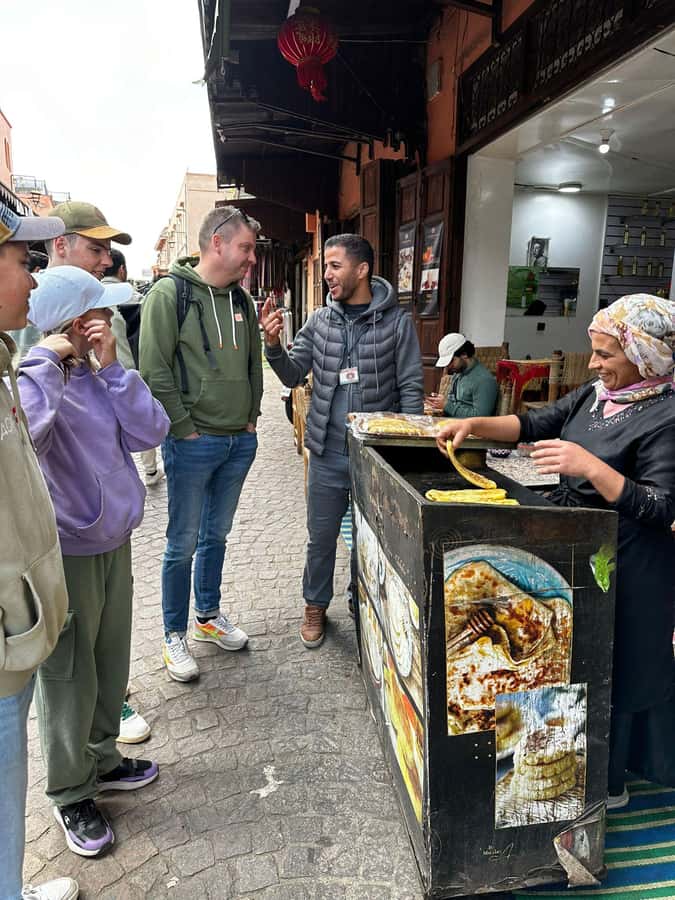
The strongest part of the experience is the guide. Abdul is praised for being courteous, lively, and able to explain both food and local traditions. Abdoo is noted for his humor and for sharing practical information about Marrakech. Ahmed and Ahmed Karim are described as engaging and clear when explaining dishes.
Miriam is also singled out for keeping groups together, explaining each food, and helping people feel safe in unfamiliar lanes. One group had a short delay when its original guide did not arrive, then joined Miriam’s group and continued with a good pace. That suggests the operator can adjust when plans go wrong, though any late start is still worth keeping in mind.
The best guides do more than name dishes. They explain customs, daily life, the background of neighborhoods, and what you might pay at local vendors. That information gives you confidence for the rest of your stay. One useful outcome is that you learn to be more adventurous later, while still knowing what you are ordering.
The tour is offered in English, German, Dutch, and Arabic. The exact guide language mix depends on the group, so confirm your preferred language when booking.
Is $34 good value?
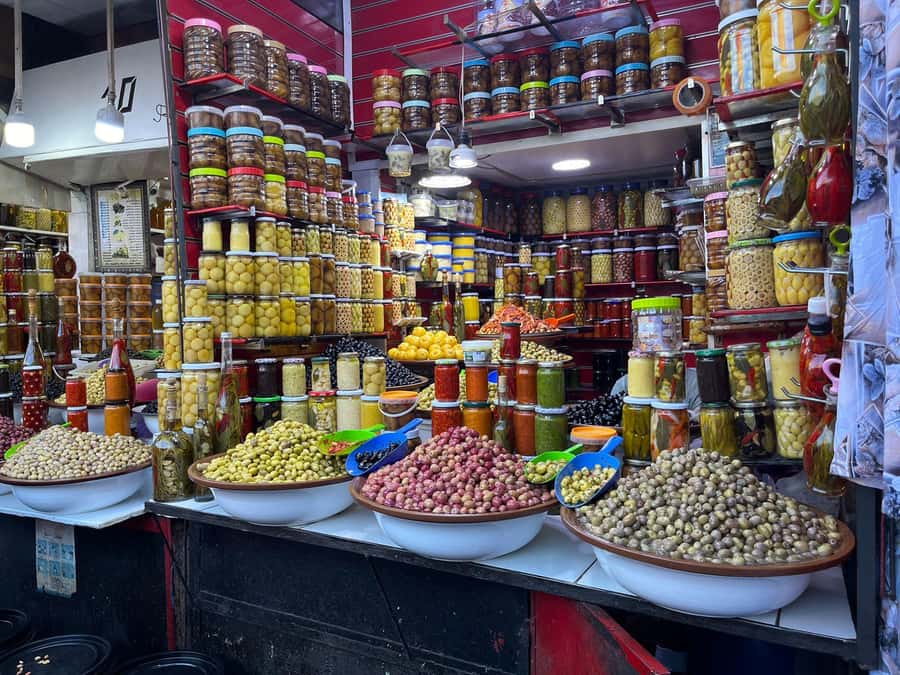
At $34 per person, this is good value if you arrive hungry and use the tour as both a meal and a city orientation. Food, drinks, the walking tour, the guide, and all tastings are included. You are not paying separately at each stop, and the listed food range would cost more if you tried to recreate it through guesswork.
The value is also practical. You get a map in your head, several addresses worth returning to, guidance on unfamiliar dishes, and a chance to see areas you might skip alone. A private option should give you more personal attention, while a shared group is better if you enjoy meeting other people and keeping the price down.
I would not book this primarily for fine dining. This is a walking food crawl through working neighborhoods and market lanes. The setting can be crowded, noisy, and informal. That is part of its appeal, but it is not a substitute for a quiet restaurant meal.
Who should book this Marrakech food tour?
I would suggest it to first-time visitors who want an easy introduction to the Medina. It works especially well near the beginning of a stay because you learn where to eat, how the souks connect, and which foods to try later.
It also suits curious eaters who want more than familiar tagine and couscous. The chance to taste snail soup, sardine balls, Moroccan pancakes, herbal tea, and local sweets makes the outing more adventurous without requiring you to order blindly.
You should think twice if you have serious mobility limits, dislike crowded lanes, or need a long seated break between courses. The information says the activity is wheelchair accessible, but it also says it is not suitable for wheelchair users. That conflict should be checked directly before booking. The experience is also not recommended for people over 70.
Wear comfortable shoes. Bring a light jacket for an evening start, since the Medina can feel chilly later in the day. Most important, do not eat a large meal beforehand. The repeated advice to arrive hungry is not a joke.
Should you book it?
Yes, if you want a generous, social introduction to Marrakech food and local neighborhoods for a modest price. The strongest reasons are the large number of tastings, the guides’ practical explanations, and the chance to find places you probably would not choose on your own.
Book it early in your visit if you want help getting your bearings. Choose the private option if you need a slower pace or more focused attention. Skip it if crowded streets, standing while eating, or a very full evening sound unpleasant. For most food-focused visitors, though, this is one of the more useful first activities in Marrakech.
FAQ
How long does the Marrakech street food tour last?
The tour lasts about three hours, including walking between neighborhoods, food stops, drinks, and breaks.
Where does the tour start?
It starts in front of Café Argana, near Jemaa el Fnaa square. Look for the green café symbol, juice sellers, and a large ice cream sculpture.
Where does the tour finish?
The walk returns to Café Argana.
How much does the experience cost?
The listed price is $34 per person.
Are food and drinks included?
Yes. Food, nonalcoholic drinks, and all tastings are included. Alcoholic drinks are not included and are not allowed.
How many foods will I taste?
You can expect approximately 10 to 12 specialty foods, although the selection depends on the time of day and your food preferences.
What languages are available?
The tour is offered in English, German, Dutch, and Arabic.
Can I choose a private tour?
Yes. You can choose between a shared group tour and a private tour.
Just added around Morocco
- Local Hidden Spots Street Food Tour in Medina Marrakech★ 5.0 · 30 reviews
- Marrakech Tasting Tour: Experience Local Street Food & Culture!★ 5.0 · 5 reviews
- Marrakech Street food Tours★ 4.5 · 15 reviews
- 3 Hours Private Tour Marrakech Night Market★ 5.0 · 2 reviews
- Marrakech Street Food with +10Tasting & Tanjia Dinner|Guided Walk★ 5.0 · 21 reviews
- Taste Marrakech Street food tour from Medina★ 5.0 · 34 reviews
- Essaouira Guided Tour: 3 on 1 – Nightlife tour, Live like a local & Street food★ 4.5 · 32 reviews
- Fez Street Food Tour★ 4.5 · 33 reviews
Street Food Tours, compared.
Old Town, Creek, Museums, Souks, & Street Food Tour
What we made of it →
Ho Chi Minh City Street Food Tour & Sightseeing By Motorbike
What we made of it →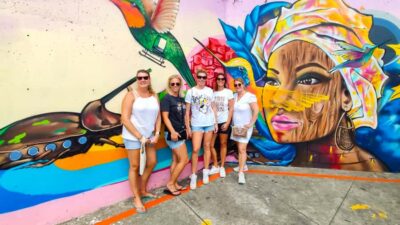
Comuna 13 Graffiti Tour, Cable Car & Street Food
What we made of it →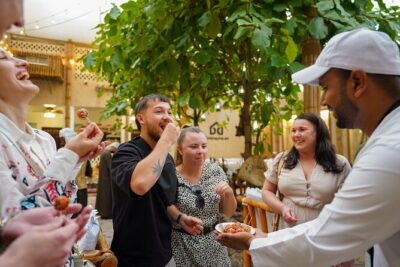
Old Town, Souks, Street Food, Guided Tour & Abra Ride
What we made of it →
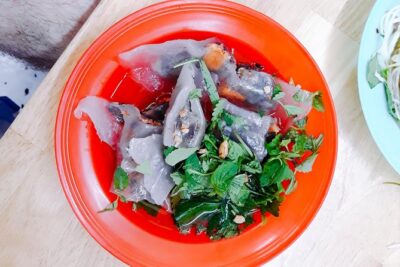
Small Group Hanoi Street Food Tour with a Real Foodie
What we made of it →
Saigon By Night and Street Food By Motorbike | Opt: Ao Dai Riders
What we made of it →Where this tour turns up