
Review · ROME
Rome: Campo de Fiori & Ghetto Street Food Sightseeing Tour
Rome tastes better on foot.
This 2.5-hour tour pairs classic Roman street food with a walk through Campo de’ Fiori, the former Jewish Ghetto, Pompey Theater, and Largo di Torre Argentina. I especially like the generous range of tastings, from supplì and pizza al taglio to fried artichoke and gelato. The guides also add useful context about Julius Caesar, Giordano Bruno, and Rome’s Jewish quarter instead of treating the food as a series of disconnected snacks.
The main drawback is that this is not a good fit for vegans or people with lactose intolerance. Vegetarian options are available only if requested ahead of time, and extra food and drinks are not included. At $41 per person, the value is strongest if you want both a guided walk and enough samples to make a light meal.
Key things to know before booking
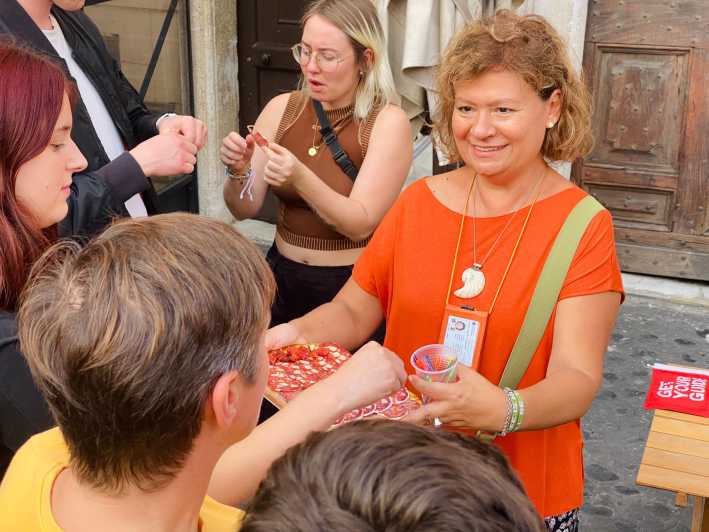
- The tour begins at Giordano Bruno’s statue: Meet in Piazza Campo de’ Fiori, a simple landmark in a busy square.
- You sample several Roman staples: Expect opportunities to try supplì, pizza al taglio, cured meat, fried artichoke, wine, beer, and artisanal ice cream.
- Morning departures add market tastings: These can include truffles, olive oil, and balsamic vinegar.
- The walk connects major sights: Campo de’ Fiori, the Theatre of Pompey, the Jewish Ghetto, Portico d’Ottavia, the Great Synagogue, and Largo Argentina all fit into the route.
- The guides are a major part of the experience: Andrea and Marco received especially strong praise for making Roman history clear, lively, and easy to follow.
- You finish at Largo di Torre Argentina: The tour ends at the archaeological area, not back at the starting square.
Why this Rome food walk works well
Many food tours in Rome keep you inside restaurants. This one makes the city part of the meal. You walk through old lanes, pause at food stops, and hear how the surrounding streets connect to Roman politics, religion, architecture, and daily life.
I like that the route covers two areas with very different personalities. Campo de’ Fiori is lively and social, with its daytime market and evening gathering spots. The Jewish Ghetto feels more reflective, with reminders of Rome’s Jewish community, the Portico d’Ottavia, and the Great Synagogue.
The food also gives you a useful introduction to Roman eating habits. Supplì is a fried rice ball, often crisp outside and soft inside. Pizza al taglio is sold by the slice, with a thin, crisp base rather than the round restaurant pizza many visitors expect. Fried artichoke brings you one of the area’s best-known specialties, while gelato closes the walk on a sweet note.
This is not a formal cooking class. You are not preparing the dishes or sitting down for a long meal. Instead, you taste several foods in small stops while your guide explains what you are eating and where the route is taking you.
More Street Food Tours in Rome:
- Rome: Street Food Tour with Local Guide
★ 4.8 · 4,077 reviews - Rome: Trastevere & Campo de Fiori Street Food Walking Tour
★ 4.9 · 2,768 reviews - Rome Street Food Tour with Local Guide
★ 5.0 · 2,361 reviews
Meeting Giordano Bruno in Campo de’ Fiori
The tour begins beside the statue of Giordano Bruno in Piazza Campo de’ Fiori. Look for the dark figure in the middle of the square. It is a practical meeting point, though the square can be crowded, so arrive with enough time to locate the statue.
Campo de’ Fiori changes character during the day. The morning market brings produce, bottles, pantry goods, and other stalls. In the evening, the square becomes a place to meet, eat, and drink. The tour uses the area as both a food stop and a starting point for Roman stories.
The statue also gives the guide an immediate subject. Giordano Bruno was executed here in 1600 after being condemned for heresy. You will hear about his place in the square’s story before moving on to the food and market activity around you.
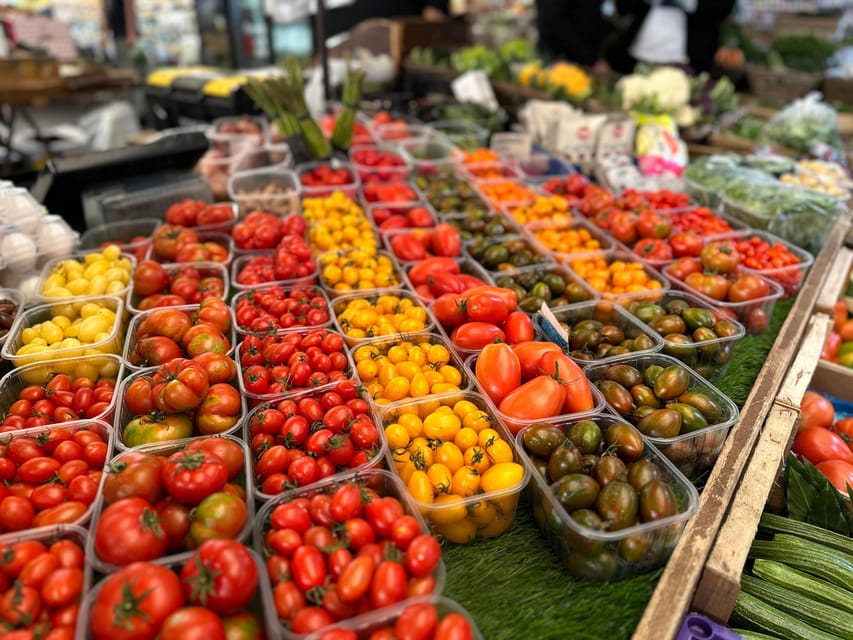
A daytime tour may include a visit to the local market, with tastings of truffles, olive oil, and balsamic vinegar. These samples are especially useful if you want help understanding Italian ingredients beyond the familiar pasta and pizza. Market hours can affect how the square feels, so the morning version offers a different experience from an evening departure.
Supplì, pizza al taglio, and the first tastings
The food portion begins with traditional Roman bites. Supplì is one of the most useful dishes to try early in the tour because it is simple, filling, and distinctly Roman. Think of it as a deep-fried rice ball, usually crisp on the outside and soft at the center.
You also get pizza al taglio, or pizza by the slice. This is a quick Roman meal, cut from a large rectangular tray and sold by weight or portion. The tour describes it as thin and crisp, so do not expect the puffy rim of a classic round pizza from Naples.
Cured meat is part of the food selection as well. Along with wine and beer samples, it helps turn the walk into something close to lunch, depending on your appetite. One practical point: additional food and drinks cost extra, so the included tastings should not be treated as an unlimited meal.
The stops take place at local restaurants and bakeries rather than one single dining room. That keeps the pace moving and lets you see how food fits into ordinary Roman streets. It also means you should wear comfortable shoes and avoid arriving after a heavy meal.
Via dei Chiavari and the Theatre of Pompey
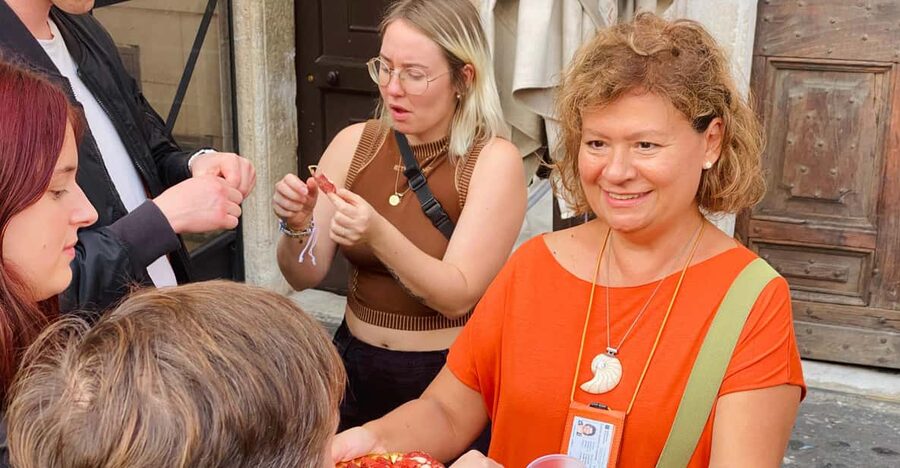
After the first food stops, the route passes through Via dei Chiavari and continues toward the Theatre of Pompey. The walking distances between stops are short, usually only a few minutes, but the tour is still a walking experience rather than a seated tasting.
The Theatre of Pompey is a useful reminder that modern Rome sits directly on top of ancient Rome. Pompey built the complex in the first century BC, and Julius Caesar was killed near this area in 44 BC. Your guide connects the monument to the wider story of Roman power and the political world in which Caesar lived.
The remains are not presented like a large, isolated ruin such as the Colosseum. Much of the ancient structure is integrated into the modern city, so you may need your guide’s explanation to understand what you are seeing. That is one reason the history portion matters here. Without context, the streets can look like ordinary city blocks. With context, they become part of a much older map.
A second restaurant stop brings more regional food. The exact portions can vary, but the overall format is generous enough that several people have found the tour filling for much of the day. I would still think of it as a substantial tasting walk, not a guaranteed full-day supply of food.
Same place, a different plate:
- Rome: Trastevere Street Food Walking Tour with Local Expert
★ 4.8 · 1,784 reviews - Roman Food Tour with Visit to the Trionfale Food Market
★ 5.0 · 471 reviews - Trastevere & Campo de’ Fiori Street Food Tour, Eat Like a Local
★ 5.0 · 207 reviews - Hidden Rome: Small Group E-Bike Tour with Street Food Stops
★ 5.0 · 169 reviews
Entering Rome’s former Jewish Ghetto
The route then moves into the Jewish Ghetto, one of the most meaningful parts of the tour. Your guide explains the Roman Ghetto and how the area developed over time. The walk gives you a chance to see the neighborhood while also hearing about the Jewish community’s long connection to Rome.
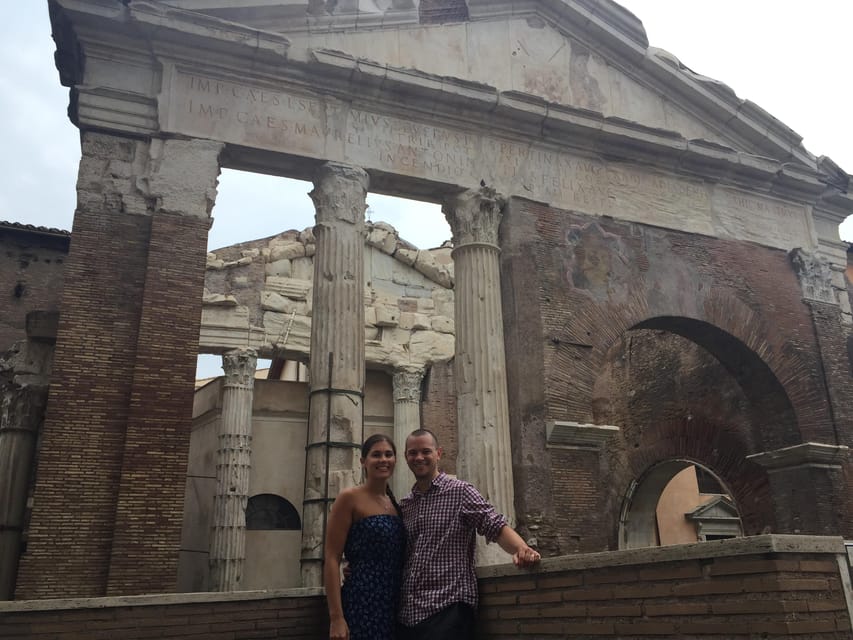
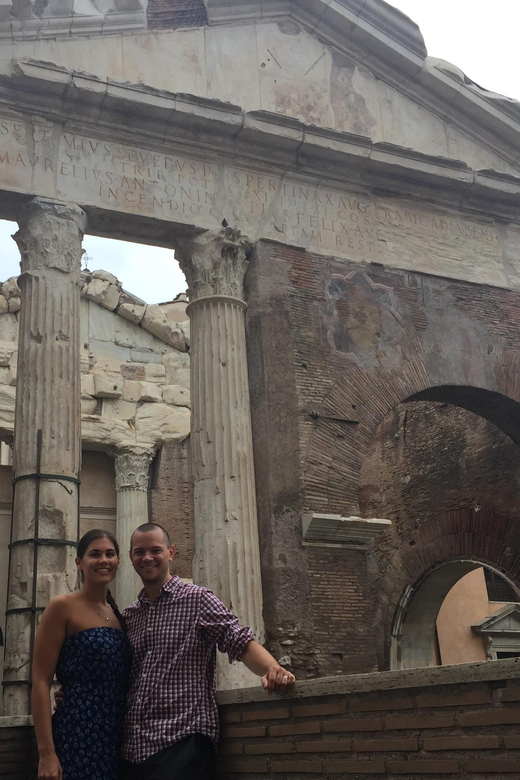
The pace here is slower. You have time for a guided visit through the quarter, with stops at the Portico d’Ottavia and a pass by the Great Synagogue of Rome. The ancient portico and the synagogue sit close enough together to show how several layers of Roman history share the same streets.
The Portico d’Ottavia is an ancient monument, while the Great Synagogue represents the city’s Jewish community in a much later period. Seeing both on the same walk makes the area especially valuable for first-time visitors who want more than a food crawl.
This section may be the strongest reason to choose this tour over a standard market tasting. You are not only eating in the Ghetto. You are learning why the neighborhood matters and how its buildings fit into Rome’s past and present.
Fried artichoke and Roman-Jewish cooking
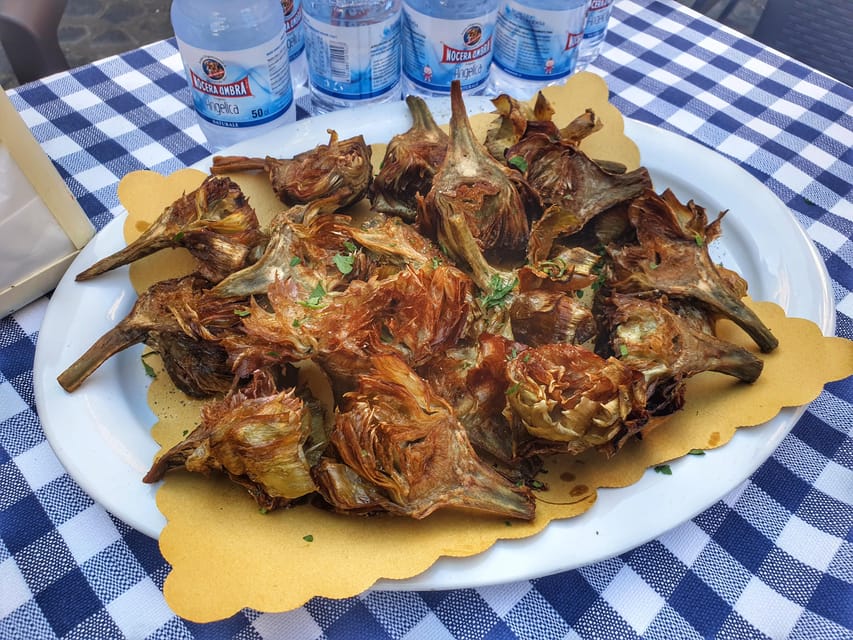
Fried artichoke, or carciofi alla giudia, is one of the signature foods associated with Roman-Jewish cooking. The artichoke is prepared and fried until the outer leaves become crisp. It is a dish with a clear local identity, and it is worth trying even if you normally order more familiar Italian food.
Because this is a walking tour, you get the dish as part of a wider progression rather than as a formal restaurant course. That is useful if you want to sample it without committing to a full plate. It also gives your guide a natural opening to explain the food traditions connected to the Jewish Ghetto.
The tour is not suitable for vegans, and people with lactose intolerance should also avoid booking. Vegetarians need to request suitable choices in advance. Do not wait until the meeting point to mention dietary needs.
From the Great Synagogue to Largo Argentina
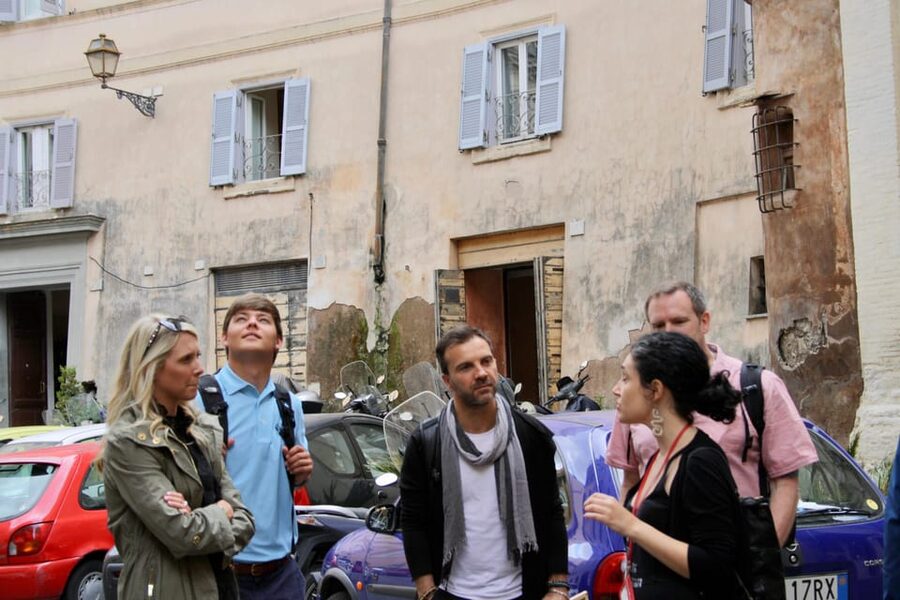
The final stretch passes by the Great Synagogue and continues to Largo di Torre Argentina. The synagogue is a pass-by stop rather than a scheduled interior visit, so keep your expectations focused on exterior views and the surrounding streets.
Largo di Torre Argentina is a major archaeological site with the remains of ancient temples and the area associated with Caesar’s assassination. Cats are often associated with the site, but that detail is not part of the advertised tour, so the main focus here is the archaeology and the location itself.
The tour ends at the Area Sacra di Largo Argentina. This is worth noting when planning the rest of your day. You do not return to Campo de’ Fiori, and the finishing point can be useful if you want to continue exploring central Rome on foot.
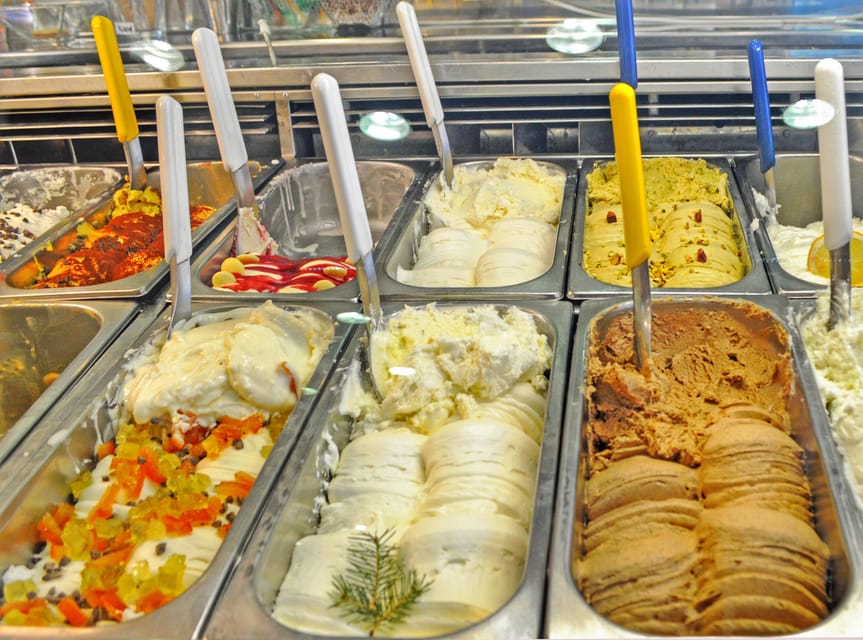
Dessert comes near the end, with artisanal ice cream served around Largo Argentina. After savory food, the gelato provides a sensible finish. It also gives you one last chance to compare a Roman food tradition with the many tourist-oriented gelato shops found across the city.
What the guides add to the experience
The guide can make or break a food walk, and this tour has received its strongest praise for that part. Andrea was singled out for explaining Roman and Italian history in a clear, thorough way. Marco was also praised for knowing Rome well and adding architecture and history to the food stops.
That matters because the route moves quickly through subjects that could otherwise feel scattered. Julius Caesar, Giordano Bruno, the Roman Ghetto, the Theatre of Pompey, and Largo Argentina cover thousands of years. A good guide gives you a thread to follow.
The strongest feedback also points to an engaging, funny style. That is useful on a tour with several short stops, since you are often shifting from a bakery to an archaeological site and then into another neighborhood. The best moments are likely to come when the guide links the snack in your hand to the building or street in front of you.
The tour is offered in English, and the guides are described as English-speaking professionals. If history is a major reason you are booking, pay close attention to the guide on the day. Andrea and Marco have both earned high marks, but the exact guide assigned to your departure may vary.
Is $41 a fair price?
At $41 per person, the cost is reasonable if you use the tour for two purposes: a guided sightseeing walk and a substantial introduction to Roman food. You are paying for a 2.5-hour English-language guide, several tastings, wine and beer samples, and a route through some of central Rome’s most important historic areas.
The value is better for a first visit than for someone who already knows Campo de’ Fiori and the Jewish Ghetto well. A first-time visitor can get bearings, learn which foods to order later, and see several major sites without arranging separate walks.
The price is less attractive if you mainly want a full meal. Extra food and drinks are not included, and portion sizes can never be guaranteed in the same way as a restaurant menu. If you arrive hungry, the included stops may be enough to keep you satisfied for several hours, but you may still want another meal later.
I also like the reserve-now, pay-later option and the ability to cancel up to 24 hours in advance for a full refund. Those terms help if your Rome schedule is still changing.
Who should book this tour?
I would recommend it to first-time Rome visitors who want a relaxed introduction to central neighborhoods. It is also a good choice for people who enjoy learning the story behind a dish rather than simply checking restaurants off a list.
Food-curious families and couples should find the mix appealing, provided everyone can manage the walking and the dietary restrictions. The short distances between stops make the route easier than a long city march, but you are still on your feet for most of the 2.5 hours.
You may prefer another experience if you are vegan, lactose intolerant, or looking for a sit-down culinary lesson. This tour is also not the best match if your main goal is to visit the inside of the Great Synagogue or explore archaeological sites at length. Those places are viewed as part of the walk, not treated as long museum visits.
Should you book the Campo de’ Fiori food tour?
I would book this tour if you want Rome’s food and history in the same package. The strongest features are the varied tastings, the sensible route through Campo de’ Fiori and the Jewish Ghetto, and the guides’ ability to make complicated Roman history easy to follow.
Choose a morning departure if the market visit and tastings of truffles, olive oil, and balsamic vinegar appeal to you. Choose it only after confirming that your dietary needs can be handled, since vegan and lactose-free visitors are not well served.
For $41, you get more than a snack crawl. You get a compact lesson in Roman street food, a useful first look at several central sights, and enough samples to make the rest of your Rome meals more informed.
FAQ
Where does the Rome street food tour begin?
It begins at the statue of Giordano Bruno in Piazza Campo de’ Fiori.
Where does the tour end?
The tour ends at the Area Sacra di Largo Argentina.
How long does the tour last?
The tour lasts 2.5 hours.
What language is the tour offered in?
The live tour guide conducts the experience in English.
What foods are included?
The tour includes tastings of Roman street food such as supplì, pizza al taglio, cured meat, fried artichoke, and artisanal ice cream. Wine and beer samples are also included.
Are vegetarian options available?
Yes, vegetarian options are available if requested in advance.
Is the tour suitable for vegans or people with lactose intolerance?
No. The experience is listed as unsuitable for vegans and people with lactose intolerance.
Just added around Rome
- Testaccio Street Food Tour Eat Like a Local★ 3.5 · 2 reviews
- Vegan Street Food Tour in Rome★ 5.0 · 6 reviews
- Tasty Trastevere Street Food Tour in Rome from Tiberine Island to Ponte Sisto★ 5.0 · 25 reviews
- Tasty Rome Street Food Tour around Campo de’ Fiori Market & Jewish Ghetto★ 5.0 · 2 reviews
- Vatican Street Food Tour and Wine Experience with Local Guide★ 5.0 · 7 reviews
- Gems of Rome: Small group E-bike tour with street food stops★ 5.0 · 36 reviews
- Rome Trastevere Street Food Tour: Eat and Drink Like a Local★ 5.0 · 35 reviews
- Gourmet Street Food and Guided Sightseeing Tour In Rome★ 5.0 · 3 reviews
Street Food Tours, compared.
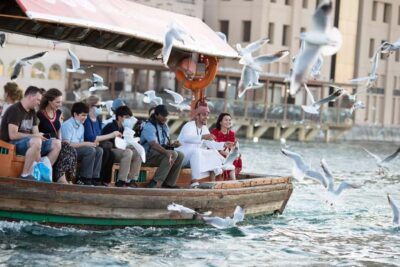
Old Town, Creek, Museums, Souks, & Street Food Tour
What we made of it →
Ho Chi Minh City Street Food Tour & Sightseeing By Motorbike
What we made of it →
Comuna 13 Graffiti Tour, Cable Car & Street Food
What we made of it →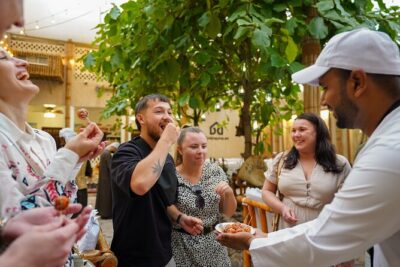
Old Town, Souks, Street Food, Guided Tour & Abra Ride
What we made of it →
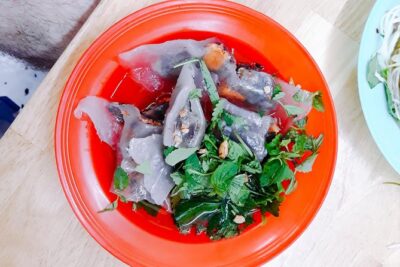
Small Group Hanoi Street Food Tour with a Real Foodie
What we made of it →
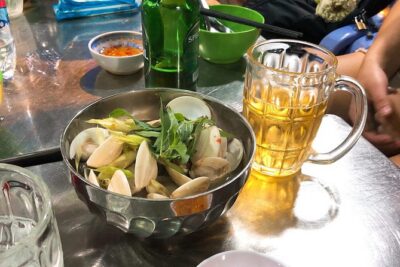
Saigon By Night and Street Food By Motorbike | Opt: Ao Dai Riders
What we made of it →Where this tour turns up