Review · ROME
Rome: Street Food, Local Market and Hidden Gems Tour
Come hungry, leave full of Rome. This 3-hour-30-minute walking tour links Trastevere, Testaccio, a working food market, ancient city remains, and a traditional trattoria meal. I especially like the small group of no more than 10 people, which should make it easier to hear the guide and ask questions. I also like the broad food lineup, from maritozzo and supplì to pasta, cheese, dessert, and three wines.
The main trade-off is the price: $119.48 per person is a serious spend for a half-day outing. You also need to be comfortable walking between several stops and eating a substantial amount of food before the tour ends.
Key Points At A Glance

- Testaccio is the star: You explore one of Rome’s best food districts, not just a famous monument.
- The food keeps coming: Breakfast maritozzo, market tastings, wine, pasta lunch, and dessert are included.
- Giulia brings local roots: She grew up in the area and led the tour with friendly explanations about food and place.
- The group is capped at 10: That is a useful size for a market walk and a sit-down meal.
- You see more than food: The route includes Ponte Testaccio, Mattatoio, Monte Testaccio, and Rome War Cemetery.
- Piramide is the finish: The tour ends a few steps from the Piramide Metro station, handy for getting onward.
Why Testaccio Makes A Good Food Tour Base
Rome has no shortage of food walks, but Testaccio gives this one a clear sense of place. The neighborhood is tied to the city’s working life, food trade, urban growth, and football culture, and the route uses those connections instead of treating the meal as a string of unrelated bites.
You begin at Stazione Trastevere at 10:30 a.m. That start point is practical if you are already staying in Trastevere or can reach it by public transportation. It also gives the group a few minutes to meet the guide and get settled before walking toward Testaccio.
The route then crosses Ponte Testaccio. This is a short stop, only about five minutes, but it provides a useful introduction to how Rome has grown and changed. You are not simply rushing from one restaurant to another. The guide connects the food district to the city around it.
That balance is one of the tour’s best features. You get enough local context to understand why Testaccio matters, but the day remains focused on eating rather than becoming a long lecture.
More Night Market Food Tours in Italy
- Roman Food Tour with Visit to the Trionfale Food Market
★ 5.0 · 471 reviews - Rome: Testaccio Market Food Tour with Street Food & Wine
★ 5.0 · 8 reviews - Venice Street Food Tour with Local Guide with Local Food Market Visit
★ 5.0 · 822 reviews
Starting With Maritozzo And A Local Guide
The food begins with a traditional Roman breakfast of maritozzo. This soft sweet bun, commonly associated with Rome, gives the tour an early taste of the city’s pastry culture. Since the tour starts at 10:30 a.m., it is wise not to eat a large breakfast before arriving.
Guide Giulia received particularly warm praise for her friendly manner and local knowledge of the area. She grew up in Testaccio, which gives her explanations a personal connection. That matters in a neighborhood tour. A guide can point out buildings and dishes, but a local guide can also explain why certain foods belong to Roman daily life.
The group size helps here. With a maximum of 10 people, you are less likely to lose the guide in a crowded market or feel like one face in a large walking crowd. Small groups also make it easier to ask about ingredients, preparation, and the places you pass.
The tour is offered in English, and most people can participate. You should still expect a walking experience rather than a seated tasting event. The route includes several outdoor stops and about three and a half hours of food, streets, and conversation.
Mattatoio: From Slaughterhouse To Cultural Center
One of the more unusual stops is Mattatoio, the former main slaughterhouse of Rome. Today, it serves as a cultural center for exhibitions and academic studies. The stop lasts about 15 minutes.
This is a useful reminder that Testaccio’s food identity did not appear by accident. The district’s past is tied to the movement, sale, and preparation of food. Seeing the former slaughterhouse helps explain why the neighborhood became associated with Roman cooking and working-class traditions.
Mattatoio also adds variety to the day. If your ideal Rome tour includes only food, this may feel like a pause between tastings. I think the pause improves the experience because it gives you a clearer picture of the neighborhood rather than reducing Testaccio to a market stop.
The guide leads you through the area and points out both old and modern attractions. The precise sights can depend on the day and the walking route, so you should expect an overview rather than an in-depth museum visit.
Testaccio Market And The Best Food Stop
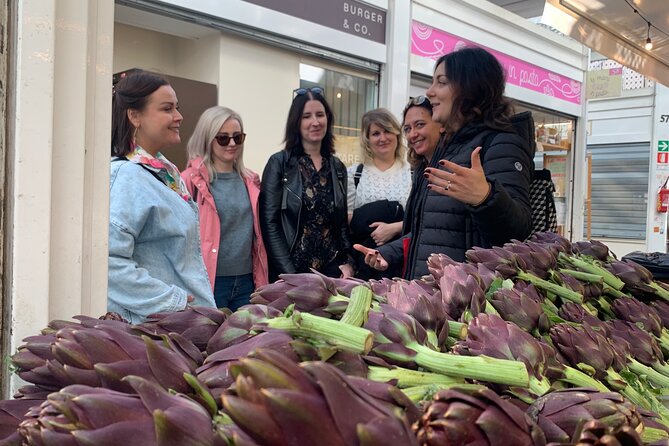
The Mercato di Testaccio is the main event. You spend about an hour walking around the food stalls with the guide, learning about local cooking, and sampling traditional street foods and wine.
The food list includes supplì, country cheese, and old-school Roman dishes. Supplì, a fried rice croquette often filled with tomato and mozzarella, is one of the classic Roman street foods to look for. The tour also includes polpette, or meatballs, and other market tastes. The selections may vary, since food is seasonal and the guide chooses what to order.
The market setting makes a difference. You can see food being sold in the place where local shopping happens, rather than tasting carefully packaged samples in a tourist restaurant. The guide can explain the ingredients and how each item fits into Roman food culture.
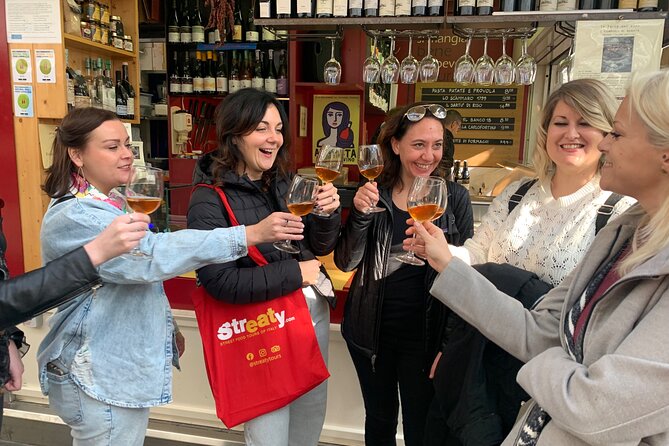
Three wines are included during the experience. That adds value, but it also means you should pace yourself. You are still scheduled for pasta, dessert, and more food after the market. If you drink little or do not drink alcohol, make that clear to the guide so the experience remains comfortable.
Vegetarians and pescatarians can participate, which is helpful in a city where classic dishes often include meat. The available information does not promise a fully customized menu for every dietary need, so you should raise any specific restrictions when booking or at the start.
More Night Market Food Tours in Rome:
- Small Group: Michelin and Local Hawker Food Tour with 9 tastings
★ 5.0 · 1,890 reviews - Seoul Street Food Market Tour
★ 5.0 · 1,226 reviews - Athens: Food Market Visit and Cooking Class with Wine
★ 4.9 · 1,087 reviews - Seoul: Night Market Food Tour with Local Guide
★ 4.9 · 943 reviews
Monte Testaccio And Rome’s Food Story
After the market, the route continues to Monte Testaccio for about 40 minutes. This is one of the most distinctive parts of the walk.
Monte Testaccio is an artificial hill formed from discarded ancient pottery fragments. The tour presents it as a place of secrets and local character, but the important point for you is how directly it links Rome’s ancient trade to its modern food traditions. The hill exists because goods arrived, containers were emptied, and the broken pottery accumulated over time.
That connection gives the day more substance. You are not only tasting Roman food. You are seeing how the city’s commerce, storage, and eating habits left a mark on the physical city.
The stop also changes the rhythm. After a busy market, a slower walk around Monte Testaccio gives you time to digest both the food and the information. The route does not treat every sight as a major attraction, so you should come expecting local discovery rather than grand monuments.
The phrase hidden gems appears in the tour’s title, but the experience is really about overlooked corners and neighborhood details. If you want the Colosseum or Vatican Museums, book a different tour. If you want a more grounded side of Rome, this route makes a good counterpoint to the famous sights.
A Short Stop At Rome War Cemetery
The Rome War Cemetery is a brief five-minute stop. Here, the guide discusses the Allied disembarkation during World War II.
This will not be a long cemetery visit or a separate military history tour. It is a concise historical note within the Testaccio walk. Still, it adds a serious layer to an outing that is otherwise built around food and pleasure.
You may appreciate this change of tone. It shows how the neighborhood has been shaped by more than markets and restaurants. The stop is short, so it should not dominate the day, but it gives the route a wider view of Rome’s past.
The Trattoria Lunch And What You Actually Get
The sit-down pasta lunch is a major part of the price. You eat at a century-old trattoria and receive a traditional Roman pasta dish, followed by a seasonal dessert. The food sampled earlier includes cacio e pepe, one of Rome’s best-known pasta dishes, along with other tastes such as maritozzo, polpette, supplì, and cheese.
The meal should leave you well fed. One useful point from the experience is that you are not merely given a few token bites and sent away to find lunch. Breakfast, market tastings, pasta, dessert, and wine are all part of the planned food program.
That fullness is also the main reason to manage your appetite before the tour. Eat lightly beforehand, and do not schedule a large dinner immediately afterward. The experience runs from 10:30 a.m. for approximately three and a half hours, so it functions as breakfast, tasting tour, and lunch in one.
The century-old trattoria setting is important too. It gives the meal a traditional Roman frame rather than making the food feel like a series of samples. You can sit down, take a breath, and enjoy the pasta after the walking and market activity.
Extra portions or drinks not ordered by the guide are not included. If you want seconds, another bottle, or additional dishes, plan to pay separately.
How Much Value Do You Get For $119.48?
At $119.48 per person, this is not a budget food walk. The value depends on how you use it.
You are paying for roughly three and a half hours with a local guide, a small group, a traditional breakfast, several market tastings, three wines, a sit-down pasta lunch, dessert, and neighborhood sightseeing. If you bought a full meal, drinks, and several snacks independently, the food alone would take a noticeable bite out of your Rome budget.
The guide is also part of the value. Giulia’s local connection to Testaccio was a strong feature, and a good guide helps you understand why the dishes and places matter. You are buying interpretation as well as food.
The price makes less sense if you mainly want inexpensive street snacks or if you prefer choosing every dish yourself. It also may not suit you if you eat very little, avoid alcohol, or dislike fixed group schedules. For someone who wants an easy introduction to Roman food and does not want to research restaurants, markets, and local sights separately, the cost is more defensible.
The tour is often booked well ahead, with an average booking lead time of about 63 days. That suggests you should reserve early if your Rome dates are fixed, especially since the group is limited to 10 people.
Timing, Walking, And Practical Planning
The meeting point is Piazza Flavio Biondo, 7, near Stazione Trastevere. The tour starts at 10:30 a.m., and you should arrive with enough time to find the guide without rushing.
The tour ends at Piramide, just a few steps from the Piramide Metro station. That is a convenient finish. You can continue to another part of Rome without arranging a taxi or retracing the route.
There is no hotel pickup or transportation included. You make your own way to the start and from the finish. Both locations are near public transportation, which keeps the logistics fairly simple.
Wear comfortable shoes and come prepared for a walking route through streets, market aisles, and outdoor areas. The tour requires good weather. If poor weather cancels it, you can choose another date or receive a full refund. A minimum number of participants is also required, and if that minimum is not met, you are offered another date, another experience, or a full refund.
Free cancellation is available up to 24 hours before the start time. Inside that window, the amount paid is not refunded and changes are not accepted.
Who Should Book This Testaccio Food Tour?
I would choose this tour if you want to understand Rome through its food rather than simply check off famous monuments. It suits first-time Rome visitors who want a local orientation, as well as repeat visitors who have already seen the major sights.
It is especially useful for you if:
- You enjoy trying several foods in one outing.
- You want a traditional Roman lunch included in the day.
- You like neighborhoods, markets, and local stories.
- You prefer a small group to a large walking crowd.
- You eat meat, seafood, or vegetarian food and can discuss your needs with the guide.
- You want a tour that finishes near a Metro station.
I would think twice if you need a fully private experience, want extensive time at every sight, or prefer a short tasting with no full meal. This is a substantial half-day outing, not a quick snack stop.
Should You Book It?
Book it if the combination of food, local history, and Testaccio’s market sounds better than another formal sightseeing tour. The strongest reasons are the small group, Giulia’s local connection, the varied food, and the proper trattoria lunch. The market and Monte Testaccio also give you a side of Rome that many first-time routes skip.
Skip it if $119.48 feels too high for a food tour, if you do not want a fixed menu, or if a long meal would be too much. For most food-minded visitors, though, the experience offers a clear and satisfying way to spend a morning and early afternoon in Rome.
FAQ
How long does the Rome food tour last?
The tour lasts approximately 3 hours and 30 minutes.
What time does the tour begin?
It begins at 10:30 a.m.
Where does the tour start?
The meeting point is Piazza Flavio Biondo, 7, 00152 Rome, near Stazione Trastevere.
Where does the tour end?
It ends in the Piramide area, a few steps from the Piramide Metro station.
How many people can join the tour?
The maximum group size is 10 people.
Is food included in the price?
Yes. The experience includes a traditional Roman breakfast with maritozzo, market tastings, a sit-down pasta lunch, a seasonal dessert, and three wines.
Are vegetarian and pescatarian diets accommodated?
Yes. The tour is suitable for vegetarians and pescatarians.
Is transportation or hotel pickup included?
No. Pickup and transportation are not included. You make your own way to the starting point and from the ending point.
What is the cancellation policy?
You can cancel up to 24 hours before the start time for a full refund. Cancellations or changes made less than 24 hours before the start are not refunded or accepted.
More Hidden Food Spots in Rome
- Hidden Rome: Small Group E-Bike Tour with Street Food Stops
★ 5.0 · 169 reviews - Hidden Rome: Small Group E-Bike Tour with Street Food Stops
★ 4.9 · 144 reviews - Hanoi: Street Food Tour with Train Street & Hidden Alleyways
★ 5.0 · 2,831 reviews - Hanoi: Guided Street Food Tour with Train Street Experience
★ 4.9 · 2,479 reviews
Just added around Rome
- Testaccio Street Food Tour Eat Like a Local★ 3.5 · 2 reviews
- Vegan Street Food Tour in Rome★ 5.0 · 6 reviews
- Tasty Trastevere Street Food Tour in Rome from Tiberine Island to Ponte Sisto★ 5.0 · 25 reviews
- Tasty Rome Street Food Tour around Campo de’ Fiori Market & Jewish Ghetto★ 5.0 · 2 reviews
- Vatican Street Food Tour and Wine Experience with Local Guide★ 5.0 · 7 reviews
- Gems of Rome: Small group E-bike tour with street food stops★ 5.0 · 36 reviews
- Rome Trastevere Street Food Tour: Eat and Drink Like a Local★ 5.0 · 35 reviews
- Campo de’ Fiori & Jewish Ghetto Rome Street Food & Walking Tour★ 5.0 · 5 reviews
Hidden Food Spots, compared.
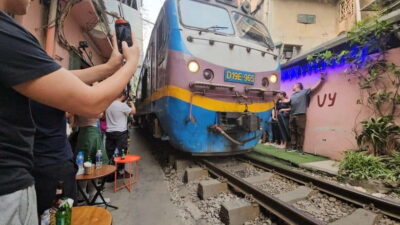
Street Food Tour with Train Street & Hidden Alleyways
What we made of it →
Guided Street Food Tour with Train Street Experience
What we made of it →
7 Tastings Street Food Tour with Train Street
What we made of it →
Walking Street Food Tour in Hanoi and Train Street
What we made of it →
Hidden Markets, Street Food & Salsa-Making Tour
What we made of it →
Saigon’s Hidden Flavors – Private Street Food Walk with Local Students
What we made of it →
Vespa Female Ao Dai riders Night Street Food + See Train Street
What we made of it →