
Review · TOKYO
Tokyo: Explore Authentic Japanese Food Culture at Tsukiji
Come hungry, leave curious. This three-hour Tsukiji experience takes you beyond fish counters, pairing guided market tasting with visits to Tsukiji Honganji Temple and Namiyoke Shrine. I like the small group limit of six, and I like that the snacks cover several sides of Japanese food culture, from seasoned seaweed and dried fish to oysters, sashimi, bean snacks, and roast beef sushi. The main drawback is clear: lunch, extra shopping, and some food purchases are not included, so the $99 price is only part of your final bill.
The tour also earns praise for friendly help in a market that can feel like a maze. Haruka receives especially warm attention for leading people to good food stops and explaining what they were eating. Still, this is not a good fit for vegans, people with food allergies, or anyone using a wheelchair.
Key points to know before you book
- Small groups of six: You get a better chance to ask questions and stay close to the guide in narrow market lanes.
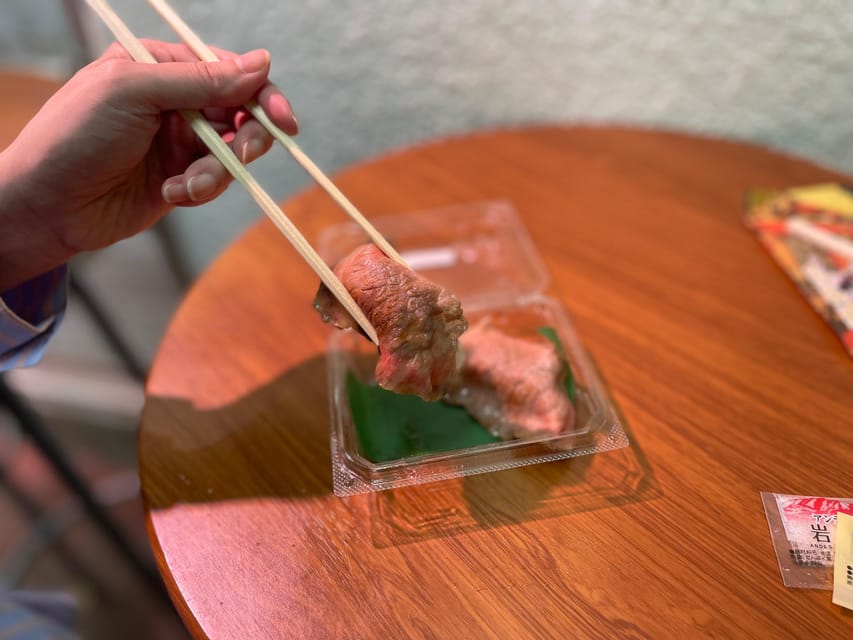
- More than a fish tour: Tastings include seaweed, dried fish, roast beef sushi, oysters or sashimi, and bean snacks.
- Two important cultural stops: Tsukiji Honganji Temple begins the visit, while Namiyoke Shrine is the finishing point.
- Lunch costs extra: You can buy your own preferred lunch after the guided tastings, but the meal is not part of the $99 fee.
- Good guide support matters here: Haruka is praised for finding worthwhile stalls and making the market easier to understand.
- Important restrictions: The tour is not wheelchair accessible and is not suitable for vegans or people with food allergies.
Why Tsukiji still matters after the wholesale market moved
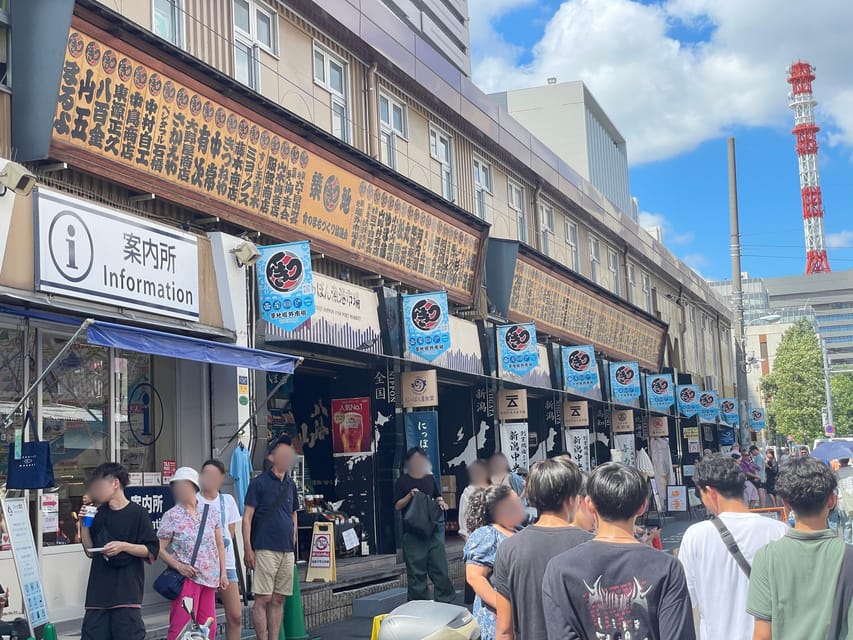
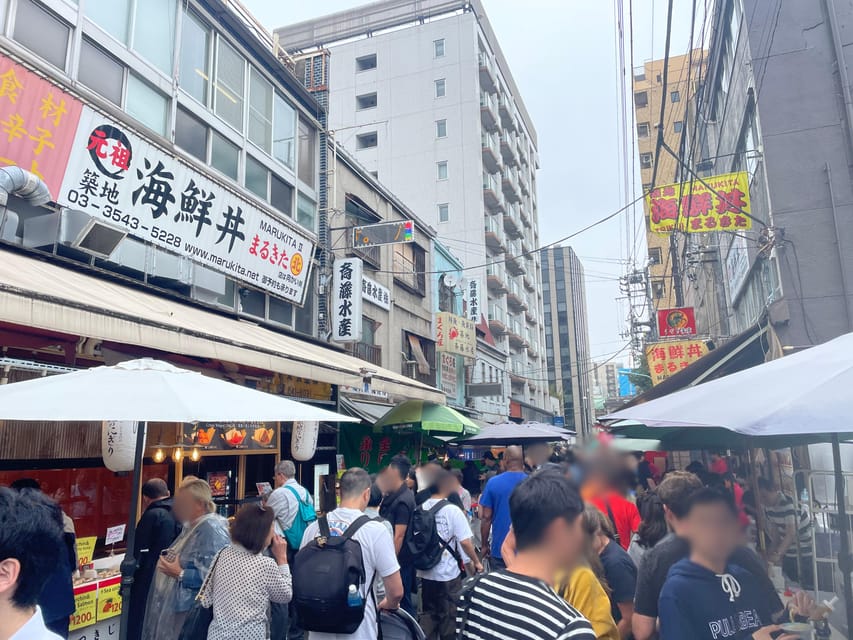
Tsukiji is best understood as a food neighborhood, not simply a fish market. The former central wholesale market once operated nearby, but that facility has closed. The Outer Market continues to draw people for its food shops, small restaurants, ingredients, and ready-to-eat bites.
That change is useful to understand before you arrive. You will not be touring the old wholesale market floor. Instead, you will walk through the Tsukiji Outer Market, where shops and food counters serve both daily needs and curious visitors.
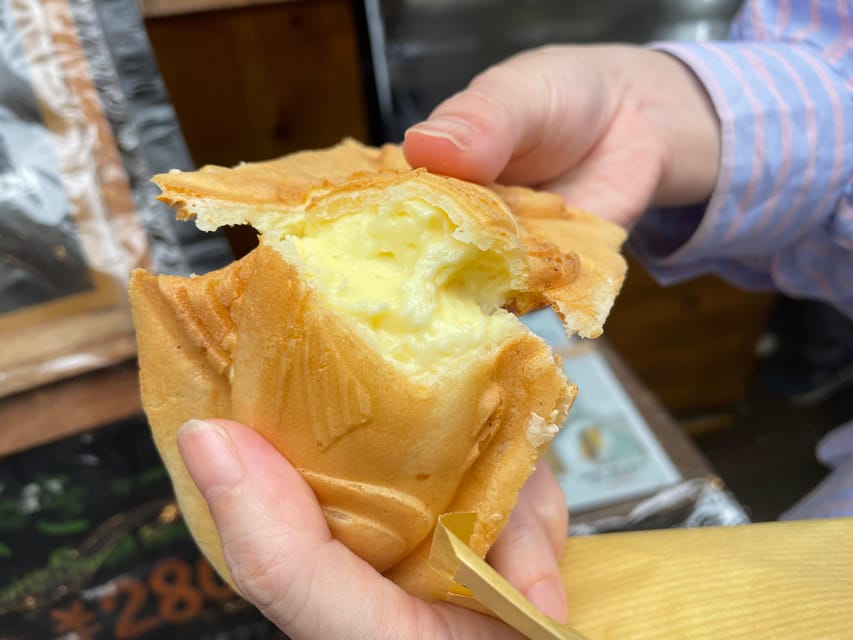
I like this approach because it shows how food connects to ordinary life. The tour is not limited to one famous product. You can see how seafood, dried ingredients, sweets, meat, and prepared food fit together in Japanese eating habits.
The market can be confusing on your own. Streets and shopfronts can blend together, and the experience is less about one grand sight than about noticing many small details. A guide helps you spend your three hours eating and learning instead of simply trying to work out where to go next.
Other street food tours people book around Tokyo:
- Tokyo: Tsukiji Fish Market Food and Culture Walking Tour
★ 4.7 · 757 reviews - Tsukiji Fish Market: Street Food & Culture Walking Tour
★ 5.0 · 669 reviews - Tsukiji Fish Market: Street Food & Culture Walking Tour
★ 4.8 · 259 reviews
Starting at Tsukiji Honganji Temple
The meeting point is outside the main gate of Tsukiji Honganji Temple. That makes arriving fairly simple if you can find the temple entrance, but you should allow enough time to identify the correct gate before the tour begins.
The temple visit lasts about 20 minutes. It gives the food walk a calmer opening and places Tsukiji in a wider cultural setting before you enter the market lanes.
You will have time for a photo stop, a visit, and a guided look around the temple. The temple is not just a waiting area. It helps explain why the neighborhood has more to offer than shops and snacks.
I appreciate this first stop because it prevents the tour from feeling like a quick food crawl. You begin with a place of worship, then move toward the market, then finish at a shrine linked closely with the people who work there.
Do not expect a long temple lecture. Twenty minutes is enough for orientation and a short visit, not a detailed study of every feature. If your main goal is to eat, this timing keeps the cultural stop from taking over the morning.
Two hours of tasting through the Outer Market
The main part of the experience lasts about two hours. This is where you walk with the English-speaking guide, shop for recommended snacks, and sample a range of food.
The included tastings are one of the tour’s strongest features:
- Seasoned seaweed
- Dried fish
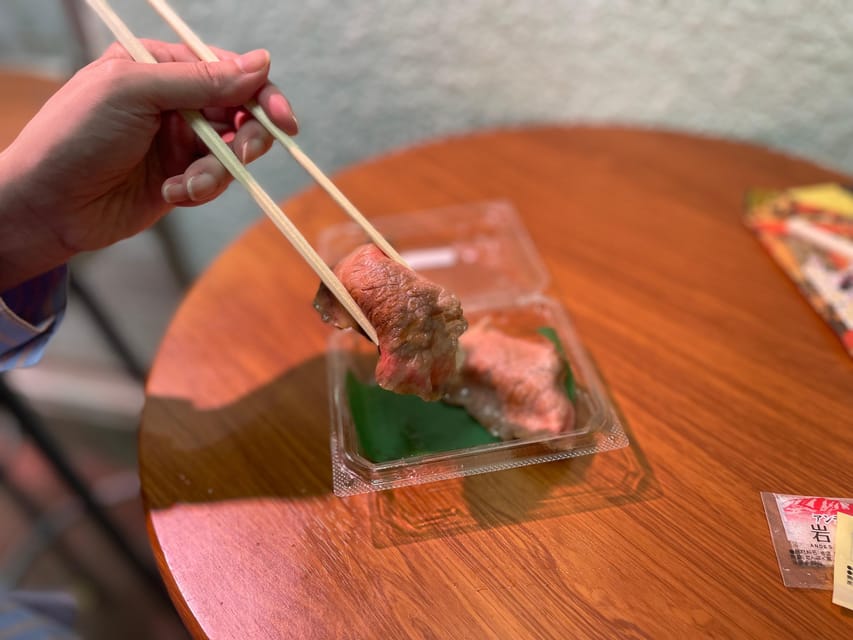
- Roast beef sushi
- Oysters or sashimi
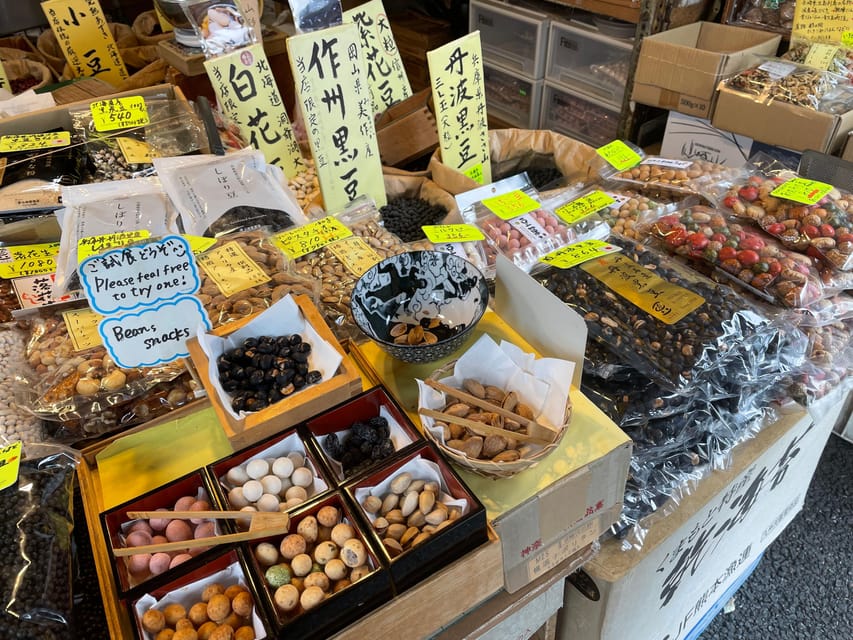
- Bean snacks
That list gives you a useful spread. Some items are light and crunchy. Others are seafood-based and may be raw or simply prepared. Roast beef sushi adds a meat option, while bean snacks show that Japanese food culture is not only about seafood.
The exact seafood tasting may be oysters or sashimi, so you should be ready for some variation. If you have a seafood concern, this is a serious point to consider. The tour specifically includes seafood and meat, and the experience is not suitable for people with food allergies.
I like the idea of buying snacks at recommended stores rather than receiving one fixed meal in one restaurant. You can see the products where they are sold and get a better sense of how the market works. You also have a guide beside you to explain unfamiliar items and help you decide what to try.
The tradeoff is that shopping costs at individual stores are not included. The included snacks form part of the experience, but you may want to buy more once you find something you like. It is wise to keep some extra money available.
How the food stops work for different appetites
The tour is designed around light meals and tastings rather than a single large lunch. You may eat breakfast, brunch, dessert-style snacks, and lunch items during the market portion, but the structure is flexible enough to let you sample several things.
Later, you can purchase a lunch of your choice and enjoy it with the snacks bought during the tour. The lunch fee is separate. This gives you control over how much more you eat, which is helpful if the included tastings already fill you up.
I see this as a good arrangement for people who like to choose. You might want a small lunch after trying several market foods, or you might want something more substantial. The guide can take you through the market, but your final lunch purchase is up to you.
It is less appealing if you want a clearly priced, all-inclusive food tour. The $99 fee covers the guide and listed snacks, but not every bite you may want. Your final cost depends on what you purchase at the shops and what you choose for lunch.
The tour description names both seafood and meat, so it is not built for vegan diets. It also warns people with food allergies not to join. Even if you have a mild intolerance rather than a severe allergy, you should treat this limitation seriously and ask before booking.
Same place, a different plate:
- Tokyo: Togoshi Ginza Street Food Tour
★ 5.0 · 34 reviews - Tokyo Street Food Tour – 7 Japanese Foods
★ 5.0 · 16 reviews - Tokyo: Private Tsukiji Fish Market Tour with 3 Food Stops
★ 5.0 · 9 reviews - Private Tokyo food scene 6 hour experience: Depatika, street food, izakaya
★ 5.0 · 9 reviews
Namiyoke Shrine and the working side of Tsukiji
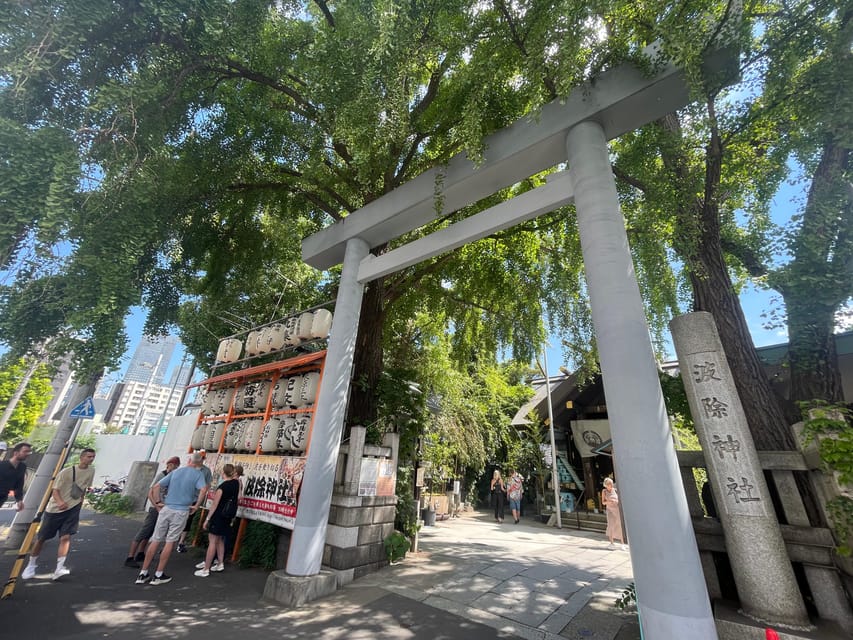
The tour finishes at Namiyoke Shrine, also called Tsukiji Namiyoke Shrine. This shrine supports the workers of Tsukiji, giving it a direct connection to the market community.
That final stop adds meaning to the food walk. You have just spent time looking at ingredients and prepared food. At Namiyoke Shrine, you see a place associated with the people whose work keeps the district going.
I like the route because the three main settings fit together:
- Tsukiji Honganji Temple introduces the neighborhood through religion and architecture.
- The Outer Market shows food as trade, craft, and daily life.
- Namiyoke Shrine connects the visit to market workers.
The tour ends at the shrine rather than returning you to the temple. That matters when planning the rest of your day. You should be prepared to make your own way onward after the final stop.
What the $99 price really covers
At $99 per person, this is not the cheapest way to buy a few market snacks. You are paying for a three-hour guided experience, an English-speaking guide, a small group, and several included tastings.
The strongest value comes from the guidance. Tsukiji is easy to underestimate. You can walk through it without knowing what you are seeing, or you can spend too much time choosing between similar-looking stalls. A guide can make the food stops more purposeful.
The group limit of six is another reason the price may make sense. A small group is easier to keep together in crowded lanes, and you have a better chance of asking about ingredients, customs, and individual dishes.
The included food also helps. Seasoned seaweed, dried fish, roast beef sushi, oysters or sashimi, and bean snacks would cost money if bought separately. Still, you should think of these as tastings, not a full day of meals.
Budget extra for two things: lunch and purchases at the individual shops. If you want to keep costs close to the advertised price, enjoy the included snacks and be selective with additional shopping. If you enjoy food souvenirs, the final amount can rise quickly.
The guide can make or break this market walk
The strongest praise goes to the human side of the tour. Haruka is singled out for being warm, helpful, and able to lead the group through Tsukiji’s maze-like layout. That is exactly the sort of guide this setting needs.
The market is not a museum with numbered displays. The appeal comes from knowing which products matter, how to approach a shop, and what you are tasting. A good guide gives you context without turning every snack into a formal lesson.
The experience also receives praise for its fun small-group atmosphere and for the support provided by the guide and assistants. With only up to six participants, the mood should be more personal than on a large bus-style food tour.
Of course, no guide can remove every uncertainty. The exact shops and food choices may vary, and the market remains an active shopping area rather than a private tasting room. If you prefer a polished restaurant meal with fixed seating, this will feel more informal.
If you enjoy asking questions, trying unfamiliar foods, and moving from shop to shop, the format should suit you well. If you need exact ingredient control, a set menu, or a quiet environment, think carefully before booking.
Practical details that affect your day
The activity lasts three hours, with starting times available according to the date you select. The meeting point is outside the main gate of Tsukiji Honganji Temple at 3-chome-15-1 Tsukiji.
The listed route includes about 20 minutes at the temple and about two hours in the Outer Market. The remaining time covers movement, explanations, tastings, and the transition toward Namiyoke Shrine.
Wear shoes that are comfortable for walking and keep your plans flexible after the tour. The route includes shopping and food stops, and you finish at a different location from where you meet.
The tour is not wheelchair accessible. It is also unsuitable for vegans and people with food allergies. These are not minor footnotes because seafood, meat, and tasting different market foods are central to the experience.
English is the tour language. Cancellation is free up to 24 hours before the start for a full refund, and you can reserve now and pay later. Those policies make it easier to fit the tour into a changing Tokyo schedule.
Who will enjoy this Tsukiji experience most
I would recommend it most strongly to first-time visitors who want help understanding Japanese food beyond sushi restaurants. It also suits people who enjoy trying several small portions instead of committing to one meal.
The small group works well for solo visitors, couples, and friends who want a more personal walk. Food-focused visitors will appreciate the mix of market shopping, tasting, and cultural stops.
It is also a good choice if you have limited time in Tokyo. Three hours gives you a focused introduction to Tsukiji without taking up an entire day. The tour combines food, a temple, and a shrine in one compact route.
I would not choose it for a vegan itinerary, an allergy-sensitive food plan, or a wheelchair-accessible day. I would also hesitate if your budget cannot stretch beyond the listed fee, since lunch and extra purchases are separate.
Should you book it?
Book this tour if you want a friendly guide, a small group, and a practical introduction to Tsukiji’s food culture. The strongest reasons are the range of included tastings, the help with finding good market stops, and the route linking the temple, market, and shrine.
Skip it if you need full control over ingredients, want a vegan experience, or expect lunch and all shopping to be covered in the $99 price. For everyone else, this offers a useful way to make sense of a complicated market and taste more than you might confidently choose alone.
FAQ
How long does the Tsukiji food tour last?
The tour lasts three hours.
What language is the tour conducted in?
The tour is conducted in English with a live English-speaking guide.
How many people can join the group?
The tour is limited to six participants.
Where does the tour start?
It starts at 3-chome-15-1 Tsukiji, outside the main gate of Tsukiji Honganji Temple.
Where does the tour finish?
The tour finishes at Namiyoke Shrine, written as 波除神社 in the tour details.
What food is included?
Included snacks are seasoned seaweed, dried fish, roast beef sushi, oysters or sashimi, and bean snacks.
Is lunch included in the price?
No. You can purchase your preferred lunch during the tour, but the lunch fee is separate.
Is the tour suitable for vegans or people with food allergies?
No. The tour is not suitable for vegans or people with food allergies. The snacks include seafood and meat.
Can wheelchair users join the tour?
No. The tour is not wheelchair accessible.
Just added around Tokyo
- Tsukiji Fish Market Street Food & Culture Walking Tour★ 5.0 · 8 reviews
- Tokyo Fish Market Food Tour: Street Food & Friendly Guide★ 3.0 · 2 reviews
- Ueno Park and Ameyoko Street Food Market Half Day Walking Tour★ 5.0 · 3 reviews
- Tokyo:Enjoy street food & Japanese food culture at Tsukiji Market★ 5.0 · 6 reviews
- Tokyo Street Food Tour – 7 Japanese Foods★ 5.0 · 16 reviews
- Tsukiji Fish Market: Street Food Tour with Tasting★ 5.0 · 4 reviews
- Matsushima Bay, Islands and Seafood Market day tour from Tokyo★ 5.0 · 2 reviews
- Tokyo: Private Tsukiji Fish Market Tour with 3 Food Stops★ 5.0 · 9 reviews
Tokyo Street Food Tours, compared.
Tsukiji Fish Market Food and Culture Walking Tour
What we made of it →
Tsukiji Fish Market: Street Food & Culture Walking Tour
What we made of it →Tsukiji Fish Market: Street Food & Culture Walking Tour
What we made of it →
Private Tokyo food scene 6 hour experience: Depatika, street food, izakaya
What we made of it →
Private Tsukiji Fish Market Tour with 3 Food Stops
What we made of it →
Sensoji Temple & Street Food: Private Tour with guide
What we made of it →Where this tour turns up