
Review · TOKYO
Tokyo: Sensoji Temple & Street Food: Private Tour with guide
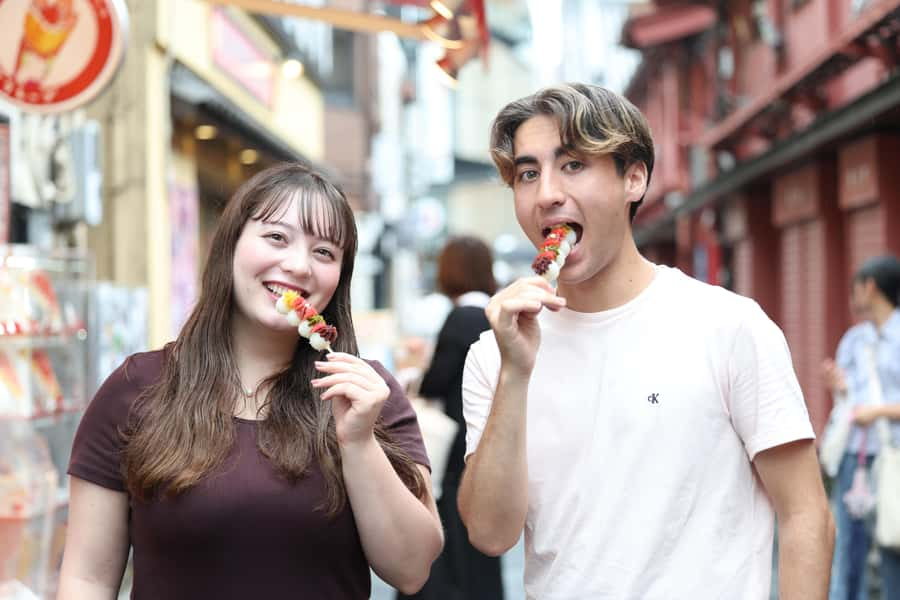
Old Tokyo still has a pulse. This private Asakusa walk combines Sensoji Temple and Thunder Gate with three included Japanese street foods, giving you a useful introduction to one of Tokyo’s most traditional districts. I like the dedicated guide, which lets you ask questions and move at a pace that suits your party. I also like the simple food setup: three selected tastes are included, so you can sample local snacks without guessing where to begin.
The main consideration is the crowd. Sensoji and Nakamise Street can be packed, especially in summer, and the walking takes place outdoors. The route is not suitable for wheelchair users or people with mobility impairments, and you need comfortable shoes, water, and a bit of patience.
Key points to know before booking
- Private guide for your group: You have a dedicated local guide rather than joining a large public group.
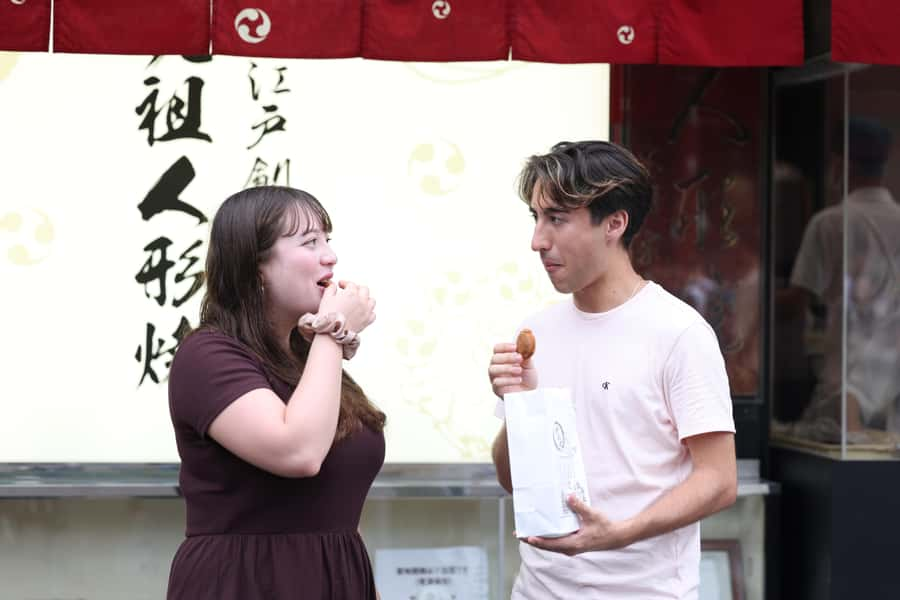
- Three foods included: The tour includes three selected Japanese street foods, with additional items available for purchase.
- Classic Asakusa route: You visit Thunder Gate, Sensoji Temple, Nakamise Street, and nearby lanes.
- Good crowd management: Guide Ryota was praised for steering visitors away from the densest areas when possible.
- Useful local advice: Guides such as Mari and Sewa have helped with food, shopping, and language questions.
- Simple meeting point: Meet your guide in front of Family Mart, then return to the same meeting point at the end.
Why Asakusa makes a good first Tokyo walking tour
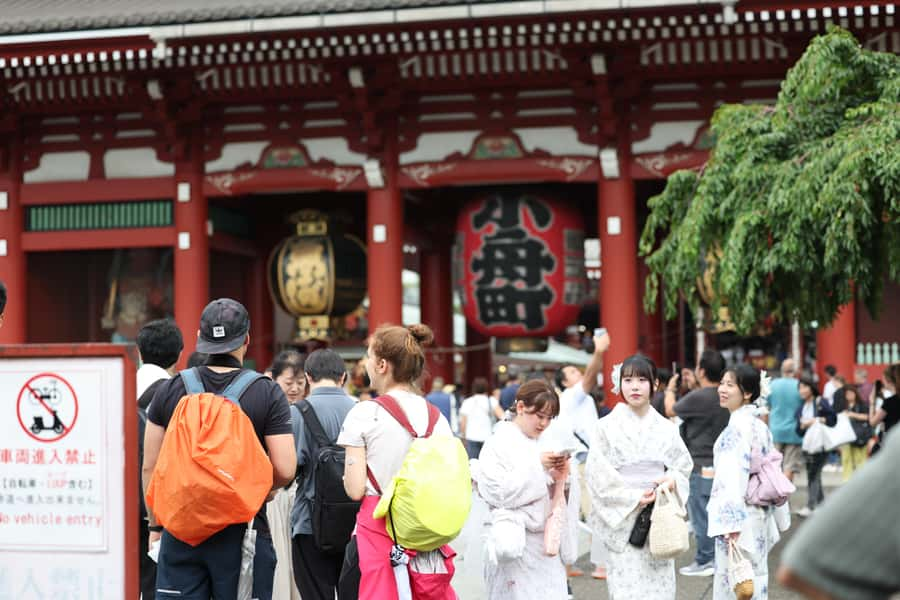
Asakusa gives you a different view of Tokyo from the glass towers and neon streets. The district is known for its old-town atmosphere, temple grounds, small shops, food stalls, and links to the Edo Period. You can see several of these pieces in one compact outing without spending much time figuring out where to go.
I think this is especially useful early in a Tokyo visit. A local guide can explain what you are seeing while you walk, rather than leaving you to read signs or piece together the setting afterward. You can ask about temple customs, local food, shopping, or daily life in Tokyo.
The tour costs $43 per person. That is a fair price if you value a private guide and expect to try three foods during the walk. It is less attractive if you mainly want to photograph Sensoji and browse Nakamise Street on your own, since the temple area is free to explore independently.
Because this is a private experience, you get more personal attention than on a standard group walk. The exact duration is not provided, so check the booking details before you commit if you have another timed activity afterward.
More Street Food Tours in Tokyo:
- Tsukiji Fish Market: Street Food & Culture Walking Tour
★ 5.0 · 669 reviews - Tsukiji Fish Market: Street Food & Culture Walking Tour
★ 4.8 · 259 reviews - Tokyo: Togoshi Ginza Street Food Tour
★ 5.0 · 34 reviews
Meeting at Family Mart and getting oriented
The meeting point is in front of Family Mart. That is a practical landmark, but Asakusa has many busy streets and shops, so arrive early enough to identify the correct location without rushing.
Your guide speaks English or Japanese. That matters here because the value of the tour depends heavily on conversation. You are not just following a route. You are able to ask why a custom exists, what a food is, or which nearby shops and streets are worth your time.
The tour ends back at the meeting point. This makes it easier to continue exploring Asakusa afterward or arrange your next stop from a familiar location. Transportation between stops is not listed, so expect this to be a walking experience rather than a tour with a vehicle.
Thunder Gate, the dramatic entrance to Sensoji
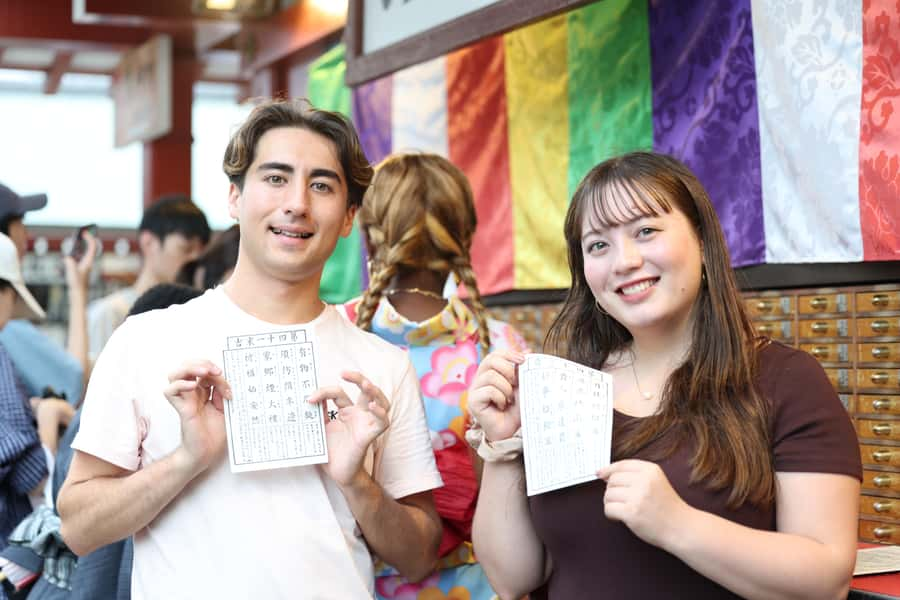
The route begins with Thunder Gate, one of Asakusa’s best-known landmarks. Its large entrance gives you an immediate sense that you are entering a major religious and cultural site, not simply another shopping street.
This is a good place for your guide to explain the connection between the gate, Sensoji, and the surrounding district. Take a moment to look up and around before moving on. The area can be crowded, and it is easy to treat the gate as a quick photo stop when it deserves a slower look.
Your guide can also help you understand the order of the visit. That is useful if temple customs are unfamiliar to you. Instead of wandering through the grounds without context, you receive explanations as the buildings and spaces appear.
The crowds are the catch. During summer, heat and heavy foot traffic can make this opening section tiring. One useful part of the guiding style described for Ryota was moving the group away from dense crowds when possible, while still covering the important parts of the temple area.
Sensoji Temple and the Edo Period setting
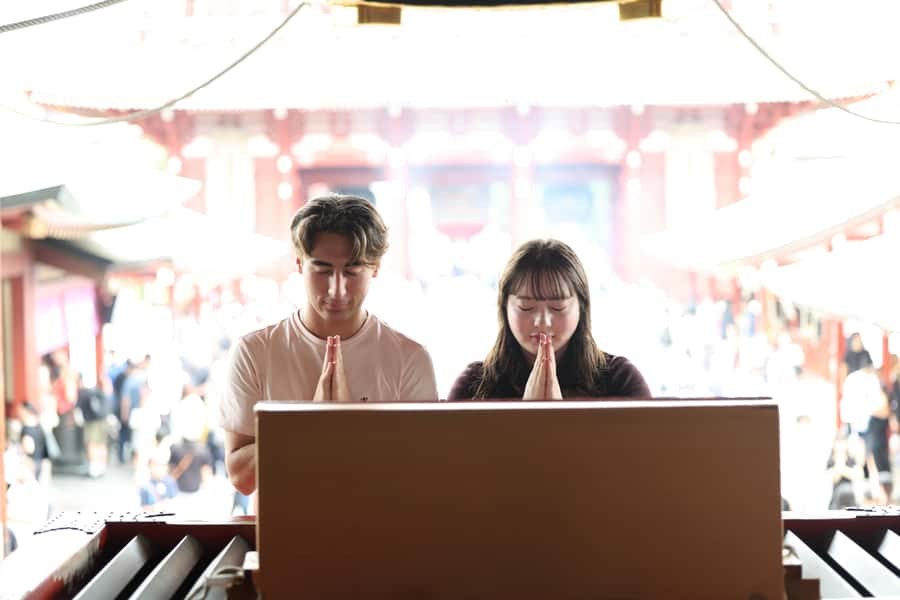
Sensoji is the central cultural stop. The tour presents the temple as part of Asakusa’s older character and connects what you see with the Edo Period, identified in the tour material as the 16th and 17th centuries.
This historical context is the main reason to choose a guided visit instead of a quick walk-through. The buildings and religious spaces are easier to appreciate when you know what role they play and how the district developed around them. Your guide can also answer questions that a printed sign may not address.
Expect an active public place, not a quiet museum. People may be praying, taking pictures, shopping, or trying to pass through the same space. A private guide can help you pause in the right places and avoid spending the whole visit in the thickest part of the crowd.
The tour is not intended for people with mobility impairments. There is walking involved, and the information specifically advises comfortable shoes. If standing, uneven surfaces, or extended walking are difficult for you, this may not be the right Asakusa experience.
Same place, a different plate:
- Tokyo: Tsukiji Fish Market Food and Culture Walking Tour
★ 4.7 · 757 reviews - Tokyo Street Food Tour – 7 Japanese Foods
★ 5.0 · 16 reviews - Tokyo: Private Tsukiji Fish Market Tour with 3 Food Stops
★ 5.0 · 9 reviews - Private Tokyo food scene 6 hour experience: Depatika, street food, izakaya
★ 5.0 · 9 reviews
Nakamise Street, snacks, and traditional shopping
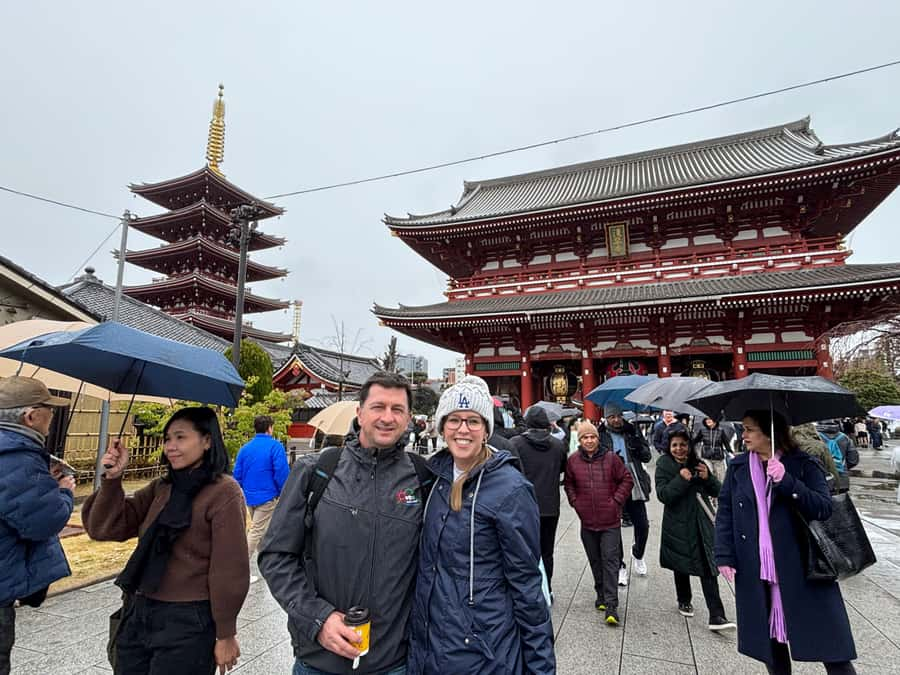
After the temple area, you walk along Nakamise Street and nearby alleys. Nakamise is a lively shopping route leading toward Sensoji, with plenty of chances to look at Japanese souvenirs, snacks, and small traditional goods.
The shopping street can feel crowded and commercial, but that is part of the experience. You see how a major temple district serves both worshippers and people who come for food, gifts, and a taste of old Tokyo. The nearby lanes offer a change of pace and may feel less direct than the main route.
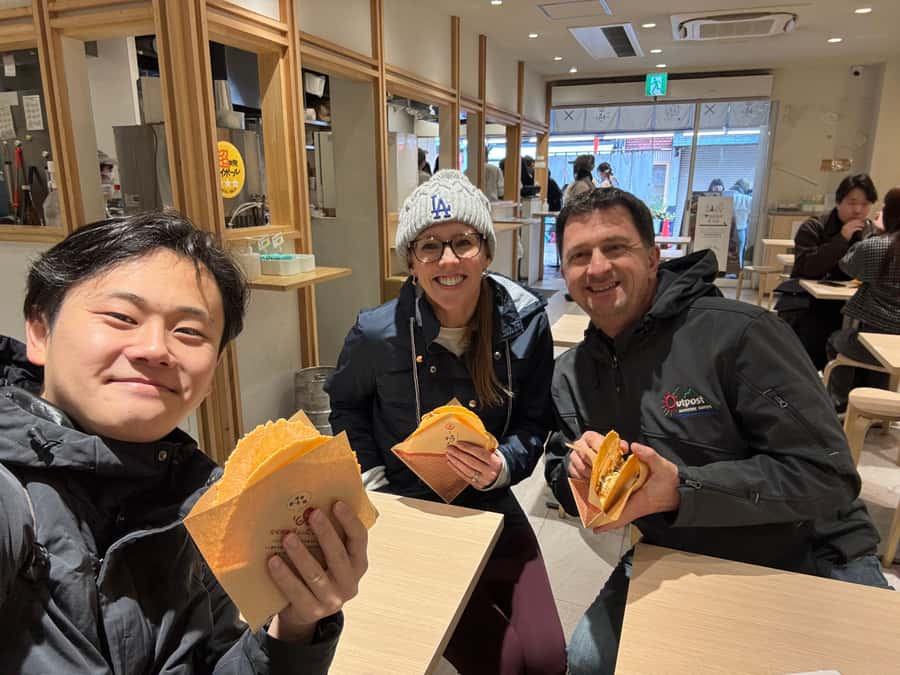
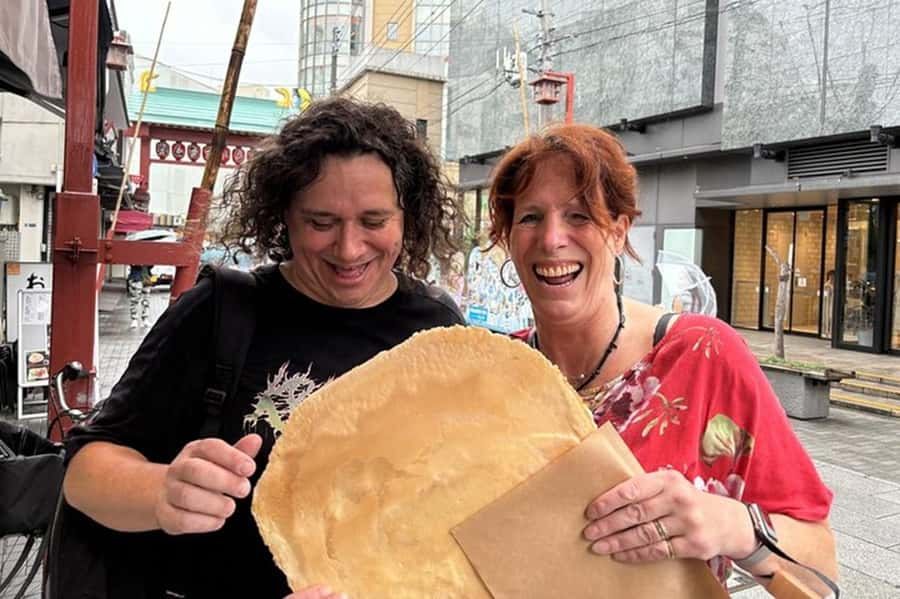
Three Japanese street foods are included. The exact foods are not fixed in the information provided, so you should not book expecting a particular dish. The selections are described as the guide’s best choices, and one food experience included an octopus taco recommendation. That suggests some flexibility in the food stops, but it does not guarantee that same item on every departure.
Food and drinks are included in the tour description. Additional street food is not included, but you can buy more if something catches your eye. Bring water anyway, especially in hot weather, since the tour involves walking and the included drink may not be enough for the whole outing.
The food component works best for curious eaters who want guidance. You get three starting points rather than a full meal, so plan another meal if you expect to be hungry afterward. The value comes from tasting selected items while learning where they fit into the neighborhood, not from replacing lunch or dinner.
Nearby alleys and the walk toward Kappabashi
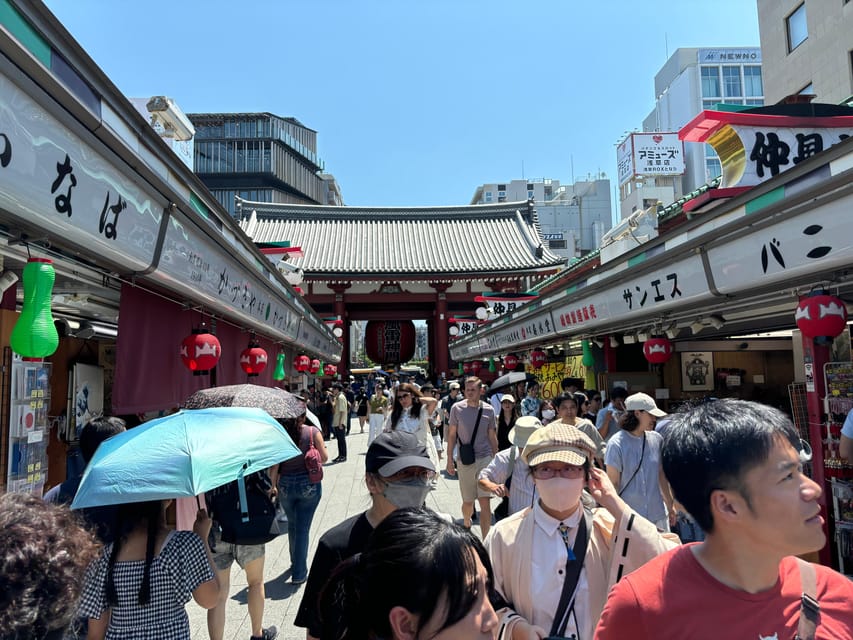
A particularly useful route detail is the walk toward Kappabashi Street, also called Kitchen Town. This part gives you time to process the temple visit while talking with your guide about Tokyo more broadly.
Kappabashi is a natural extension of an Asakusa food tour because the area is associated with kitchen shops and cooking-related goods. The supplied tour experience included this walk, but the basic description does not promise the same route on every booking. Ask your guide at the start if Kappabashi is part of your planned path.
This section may be one of the most rewarding parts for people who like everyday city details. The temple provides the grand setting, while a walk toward Kitchen Town can show you a more practical side of Tokyo. You are still on foot, though, so the extra distance may feel tiring after the temple and food stops.
The break in pace is important. In hot weather, one guide was praised for timing pauses when they were needed. That sort of judgment is difficult to get from a self-guided map, particularly when you are managing heat, crowds, photos, and food at the same time.
The value of a private guide
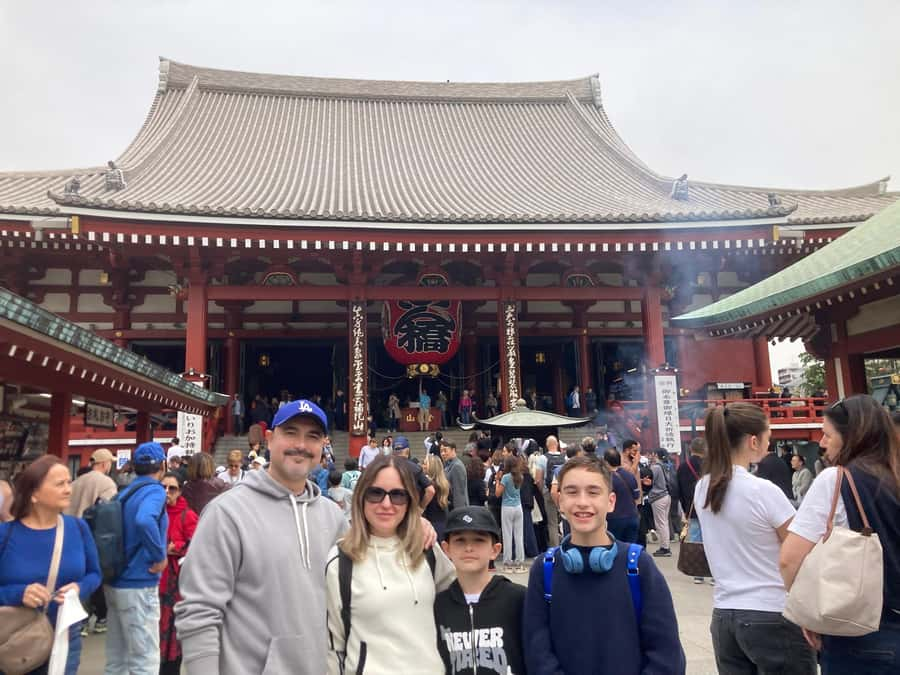
The private format is the strongest reason to pay for this experience. You are not limited to a fixed explanation designed for a large group. You can ask for more detail about the temple, request help with food choices, or discuss places to shop and eat afterward.
Guide quality matters, and the named guides received different kinds of praise. Ryota was noted for careful planning, crowd awareness, clear explanations, and generous answers to questions. Sewa was appreciated for showing the busy food street and historic temple. Mari was praised for patience with a language barrier and for recommending local places to shop and eat.
That range is encouraging, but it also shows why the guide is central to the experience. Your enjoyment will depend partly on who leads your tour and how well the conversation fits your interests. The listed languages are English and Japanese, so communication should be possible in one of those languages, but a strong connection is never automatic.
If you have children or a family member who asks many questions, the private setup can be especially helpful. You can pause without worrying about delaying a large group. It also gives you more room to decide how much time to spend on photos, food, or temple details.
Heat, crowds, and walking: the practical drawbacks
Asakusa is popular for good reason, but the same popularity creates pressure points. Sensoji can be crowded during the summer tourist season, and one experience took place in temperatures around 90 degrees Fahrenheit. The guide handled the conditions well, but no guide can remove the heat or make every walkway quiet.
Wear shoes that you can comfortably use for the full walking portion. Bring water and a camera, as recommended. Smoking is not allowed during the activity.
Arrive on time. If you are more than 15 minutes late without contacting the operator, it is treated as a no-show and there is no refund. If you know you will be late, use the provided email or emergency contact and wait for a response rather than contacting the booking agency.
You can cancel up to 24 hours in advance for a full refund. The tour also offers reserve now and pay later, which helps if you are still arranging your Tokyo schedule.
Who should book this Asakusa experience?
I would choose this tour if you want your first look at Asakusa to include explanations, local food, and personal conversation. It suits couples, families, and small private parties who prefer a flexible walk instead of a formal bus excursion.
It is also a good match if you feel uncertain about Japanese food. Three included tastings give you a manageable introduction, while the guide can help you understand what you are eating and suggest more options if you want to continue.
You may want to skip it if you already know Asakusa well, dislike walking in crowds, or want a quiet temple visit. The $43 price includes three foods, a local guide, and photos sent after the tour, but it does not cover extra snacks. It is a guided orientation, not a private temple ceremony or a full-day food crawl.
Should you book the Sensoji and street food tour?
Book it if you want a well-planned introduction to Asakusa and value having someone explain the setting as you go. The best features are the private guide, the three included foods, the chance to ask questions, and the effort to manage crowds and rest breaks.
I would book it early in a Tokyo trip, particularly if Sensoji is on your must-see list but you do not want to handle the temple visit and food stops alone. Just allow enough time for walking, wear good shoes, and confirm the route if Kappabashi is important to you. For $43 per person, it offers solid value for a personal cultural walk, provided you are comfortable with heat, crowds, and the physical demands.
FAQ
How much does the tour cost?
The tour costs $43 per person.
What does the tour include?
It includes a local guide, three selected Japanese foods, and photos taken during the tour and sent afterward. The tour information also states that food and drinks are included.
Which places does the tour visit?
The route includes Sensoji Temple, Thunder Gate, Nakamise Street, and nearby alleys in Asakusa. A walk toward Kappabashi Street was also part of one described experience, but the basic tour details do not guarantee that route for every booking.
Is the tour private?
Yes. You have your own dedicated guide for the activity.
What languages are available?
The available languages are English and Japanese.
Where does the tour start and finish?
You meet the guide in front of Family Mart. The activity ends back at the meeting point.
Are extra street foods included?
No. Three selected foods are included, but additional street food items must be purchased separately.
What should I bring?
Bring comfortable shoes, a camera, and water.
Is the tour suitable for wheelchair users?
No. The tour is not suitable for wheelchair users or people with mobility impairments.
Just added around Tokyo
- Tsukiji Fish Market Street Food & Culture Walking Tour★ 5.0 · 8 reviews
- Tokyo Fish Market Food Tour: Street Food & Friendly Guide★ 3.0 · 2 reviews
- Ueno Park and Ameyoko Street Food Market Half Day Walking Tour★ 5.0 · 3 reviews
- Tokyo:Enjoy street food & Japanese food culture at Tsukiji Market★ 5.0 · 6 reviews
- Tokyo Street Food Tour – 7 Japanese Foods★ 5.0 · 16 reviews
- Tsukiji Fish Market: Street Food Tour with Tasting★ 5.0 · 4 reviews
- Matsushima Bay, Islands and Seafood Market day tour from Tokyo★ 5.0 · 2 reviews
- Tokyo: Private Tsukiji Fish Market Tour with 3 Food Stops★ 5.0 · 9 reviews
Street Food Tours, compared.
Old Town, Creek, Museums, Souks, & Street Food Tour
What we made of it →
Ho Chi Minh City Street Food Tour & Sightseeing By Motorbike
What we made of it →
Comuna 13 Graffiti Tour, Cable Car & Street Food
What we made of it →
Old Town, Souks, Street Food, Guided Tour & Abra Ride
What we made of it →
Small Group Hanoi Street Food Tour with a Real Foodie
What we made of it →
Saigon By Night and Street Food By Motorbike | Opt: Ao Dai Riders
What we made of it →Where this tour turns up