
Review · TOKYO
Tokyo: Shinjuku Local Eats, Street Food Tour & Culture Walk
Shinjuku tastes better one small stop at a time. This affordable walking tour takes you into local backstreets, where an English-speaking guide leads you to four modest food places for Japanese favorites such as tempura, sushi, yakitori, ramen, and dessert. You pay only $16 for the guided experience, then budget roughly 3,000 to 5,000 yen for food and drinks.
I like the local focus and the relief of having someone else choose the dishes and handle the ordering. I also like that the guide explains the customs and stories behind the food, rather than simply pointing at a plate. The main consideration is that food and drinks cost extra, and the experience is not suitable for people with food allergies.
The tour begins near Uniqlo and returns to the same meeting point. It is a practical choice if you want to eat in Shinjuku without guessing which places are tourist traps or struggling with a Japanese menu. One guide, Haru, earned special praise for being friendly, welcoming, informative, and good at finding delicious ramen spots.
Key points at a glance
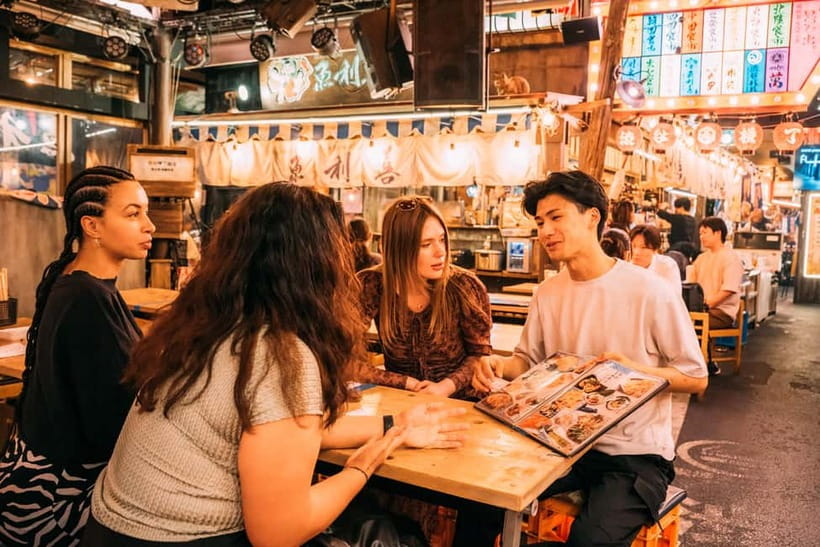
- Four different local stops: Visit a mix of food stands and restaurants, with each place offering a different taste of everyday Tokyo.
- The guide orders for you: You can focus on eating instead of translating menus or wondering what to choose.
- Classic Japanese dishes: Expect possible tastings such as tempura, sushi, yakitori, ramen, and a traditional dessert.
- Backstreet Shinjuku: The route is designed around local places that many first-time visitors miss.
- Food costs extra: The tour fee is $16, but plan on about 3,000 to 5,000 yen more for dishes and drinks.
- A friendly, personal feel: Haru is specifically praised for being warm, informative, and welcoming.
Why Shinjuku works so well for a food walk
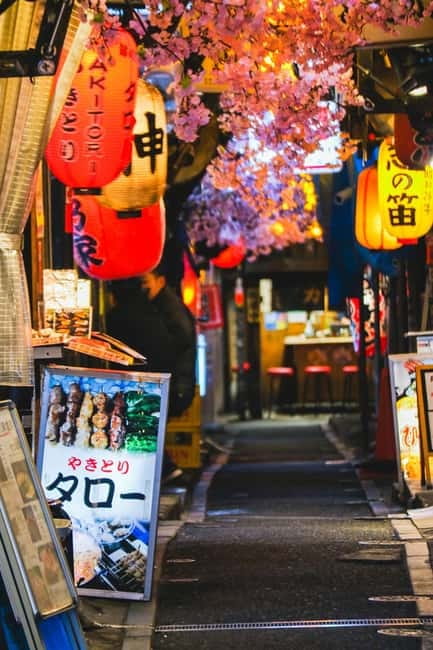
Shinjuku is one of Tokyo’s best areas for seeing how different parts of city life sit side by side. The district is known for major stations, shopping, nightlife, and tall buildings, yet the tour heads into smaller streets and local eating places.
That change in scale matters. You are not simply being shown a famous restaurant from outside. You are guided toward four places selected for the food and the local atmosphere. Since the route uses food stands and restaurants, each stop can show a different way of eating, ordering, and sharing food.
I especially like this approach for a first visit to Tokyo. Shinjuku can feel confusing, and it is easy to spend an evening wandering without knowing which door to enter. Here, the guide gives you a starting point and helps you understand what you are eating.
The walk also offers a useful look at everyday food culture. You learn the stories behind the dishes and how local people actually eat them. That may include details about ordering, serving style, or the role a dish plays in ordinary meals. The exact talk will depend on your guide, but the food is meant to be part of a larger cultural lesson.
More Street Food Tours in Tokyo:
- Tsukiji Fish Market: Street Food & Culture Walking Tour
★ 5.0 · 669 reviews - Tsukiji Fish Market: Street Food & Culture Walking Tour
★ 4.8 · 259 reviews - Tokyo: Togoshi Ginza Street Food Tour
★ 5.0 · 34 reviews
Four stops, four ways to eat
The tour is built around four different local places. The exact order and dish selection may change, especially if the guide adjusts the food for preferences, but the basic idea is simple: several small tastings instead of one large meal.
That format is useful because you can compare different foods and settings in a single outing. It also lowers the risk of spending your full dinner budget on one dish you do not enjoy. You are sampling your way through Shinjuku, one stop at a time.
Tempura for a crisp start
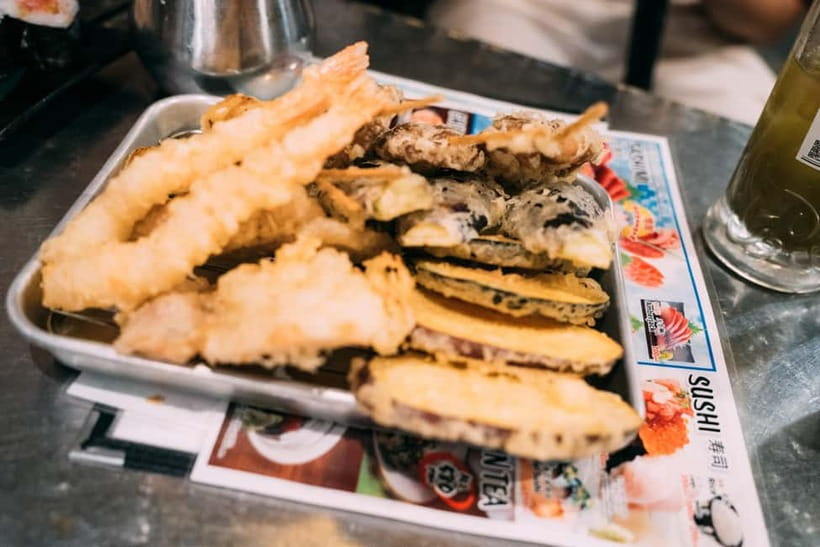
Tempura gives the tour a familiar introduction to Japanese food. The appeal is in the contrast between a light, crisp coating and the ingredient inside. A guide can also help you understand how the dish is served and what to do with the dipping sauce or seasoning.
For you, the practical benefit is that you do not need to decide which item to order. The guide selects the best choices available at the stop, so you can try a small portion without facing an entire menu of unfamiliar terms.
Tempura is also a good reminder that Japanese food is not limited to sushi. If you already know you enjoy fried food, this may be one of the easiest stops to appreciate. If you dislike seafood, tell the guide before ordering so the selection can be adjusted when possible.
Sushi and the value of guided ordering
Sushi is another possible tasting, and the guide can help make the choice less stressful. Many visitors know a few familiar sushi names but may not recognize less common ingredients or understand how the menu is arranged.
The value here is not simply eating sushi. It is having someone explain the choice and place the order in a local setting. You can ask questions as you go, rather than relying on a translation app while trying to keep pace with a busy counter.
Food preferences can be discussed with the guide, and the choices may be adjusted for dislikes. Still, this is not a suitable tour for people with food allergies. That warning should be taken seriously, since shared kitchens and changing selections can make strict allergy control difficult.
Same place, a different plate:
- Tokyo: Tsukiji Fish Market Food and Culture Walking Tour
★ 4.7 · 757 reviews - Tokyo Street Food Tour – 7 Japanese Foods
★ 5.0 · 16 reviews - Tokyo: Private Tsukiji Fish Market Tour with 3 Food Stops
★ 5.0 · 9 reviews - Private Tokyo food scene 6 hour experience: Depatika, street food, izakaya
★ 5.0 · 9 reviews
Yakitori and small-plate eating
Yakitori adds a different rhythm to the meal. These grilled chicken skewers are easy to share and are often ordered in several varieties. The small portions suit a food walk because you can taste more than one item without filling up too early.
This stop can also help you understand the idea of eating several simple items instead of ordering one large plate. The guide can explain what you are eating and how locals approach the meal. If you are not sure how much food to order, that is one more decision you can leave to the person leading the walk.
You should arrive hungry but not starving. There are four stops, and the best experience comes from pacing yourself. Taking smaller bites, asking questions, and saving room for later will give you a better chance to enjoy the full route.
Ramen, depending on the guide and selection
One particularly useful detail comes from the experience with Haru, who took the group to delicious ramen spots. That suggests ramen can feature in the food choices, even though the main selection also highlights tempura, sushi, yakitori, and dessert.
Ramen is a filling dish, so its place in the route may depend on the day, the restaurant, and how the guide balances the meal. If ramen is a priority for you, mention it when you meet your guide. The guide may be able to shape the selections around your interests, though the available choices are not guaranteed.
The benefit of having Haru or another local guide is clear here. Ramen menus can look simple from a distance, but the choices may differ in broth, toppings, and portion size. A guide helps you make a sensible order and avoids the usual first-night guesswork.
A traditional Japanese dessert
A dessert stop gives the meal a proper finish and offers a different side of Japanese food culture. The specific dessert is not fixed, but it is described as traditional rather than a generic sweet chosen for tourists.
This final taste can be especially useful if you have already tried the best-known savory foods. Dessert gives the guide another chance to explain ingredients and customs, and it keeps the tour from feeling like four versions of the same meal.
It also helps with pacing. A food walk should feel varied, not like a race to eat as much as possible. Ending with something sweet gives the route a clear shape.
The guide is the real value
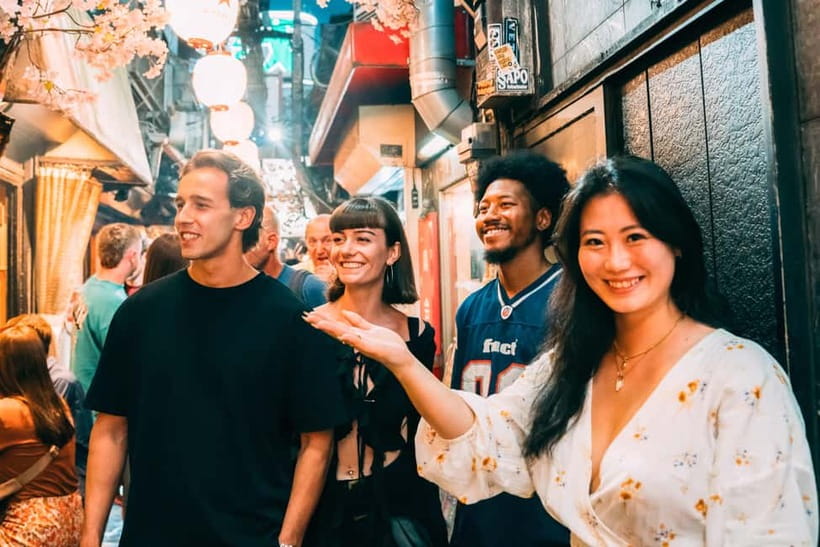
At $16 per person, the tour fee is low for a guided food experience. You should think of that price as payment for the route, local guidance, ordering help, and food culture explanations. It does not cover your meal.
The additional food and drink budget is about 3,000 to 5,000 yen in total. That makes the outing less expensive than many formal tasting tours, but you still need to include the extra cost when comparing options. The final amount depends on what you order and how much you drink.
I consider the guide especially useful for solo visitors, first-time Tokyo visitors, and anyone who wants to eat local food without spending an hour choosing a restaurant. The tour also suits families, with one important condition: everyone should be comfortable with the food choices and the additional cost.
Haru received praise for being friendly, informative, and welcoming. Those qualities matter on a small food walk. A guide who explains the dishes clearly and pays attention to the people in the group can turn a basic meal into a more relaxed cultural experience.
The tour is offered in English, which makes it easier to ask questions and understand the cultural explanations. You are not left to decode a menu or guess at table customs.
What the meeting point and route mean for you
The starting point is near Uniqlo, and the activity ends back at the same meeting point. That makes the tour easy to fit into a day in Shinjuku, since you do not need to arrange a separate ride from the final restaurant.
You should wear comfortable shoes. The experience takes place in backstreets and includes walking between food stops, so practical footwear is more useful than anything stylish. Bring water and a camera if you want to record the streets and dishes, but remember that the food and cultural explanation are the main attractions.
Pets are not allowed, and smoking is not allowed during the activity. No duration or group size is specified, so you should confirm those details when booking if they affect your plans.
The route is not designed as a sightseeing tour of every major Shinjuku landmark. Its focus is food, side streets, and local eating habits. If your priority is Tokyo history, architecture, or views from a tall building, you will need a separate activity.
Who should book this food walk
I would choose this experience if you want a gentle introduction to Japanese food and do not want to plan every meal yourself. It is also a good match if you like small tastings, enjoy asking questions, and prefer local places over a formal restaurant setting.
Families can benefit from the simple structure. Four stops give children variety, and the guide can help select approachable dishes. Still, you should make sure everyone is prepared for Japanese flavors and that the food budget is understood before setting out.
Solo visitors may find the guide particularly helpful. Eating alone in an unfamiliar city can feel awkward, especially when menus or ordering systems are unclear. A local guide gives you company and removes much of the friction.
This is less suitable if you need strict control over ingredients. The information specifically says the tour is not suitable for people with food allergies, even though dislikes and some dietary restrictions can be adjusted. If your needs are medical rather than simply a matter of taste, choose a food experience with clear allergy procedures.
You may also prefer another tour if you want a fixed menu, a set final price, or a detailed schedule with every restaurant named in advance. This experience has a local, flexible character, which is part of its appeal but means some details can change.
Practical tips for getting more from the tour
Eat lightly before meeting the guide. You want enough appetite for four tastings, especially if ramen is included.
Tell the guide early about foods you dislike. The choices can be adjusted for preferences, but it is better to speak up before the first order.
Bring enough yen for the extra food and drinks. The expected total is 3,000 to 5,000 yen, and the $16 tour fee does not cover those purchases.
Wear shoes you can walk in comfortably. You may move between several small places, and the backstreets are part of the experience.
Use the guide as your interpreter of food customs. Ask why a dish is chosen, how it is normally eaten, and what makes the stop popular with local people. Those questions are where the tour becomes more than a meal.
Should you book it?
Book this Shinjuku food walk if you want an affordable introduction to local eating, practical ordering help, and four different tastings with an English-speaking guide. The low tour price is appealing, but remember to add 3,000 to 5,000 yen for food and drinks.
I would be especially comfortable recommending it to first-time visitors, families, and anyone who wants ramen, sushi, tempura, yakitori, and dessert without planning a restaurant crawl alone. Haru’s warm and informative guiding style adds confidence to the experience.
Skip it if you have food allergies, need a guaranteed menu, or want a major sightseeing tour rather than a food-focused walk. For everyone else, this is a simple and good-value way to get your bearings in Shinjuku through the food locals eat.
FAQ
How much does the Shinjuku food tour cost?
The guided experience costs $16 per person. Food and drinks are not included, and most people spend about 3,000 to 5,000 yen in total for those purchases.
What food can I expect to taste?
Possible tastings include tempura, sushi, yakitori, ramen, and a traditional Japanese dessert. The guide chooses and orders the dishes, and the exact selection can vary.
Are food and drinks included?
No. You pay separately for all food and drinks at the four stops.
Where does the tour start and finish?
The meeting point is near Uniqlo. The activity ends back at the same meeting point.
Is the tour offered in English?
Yes. The experience includes an English-speaking local guide.
Can the food be adjusted for dislikes or dietary restrictions?
The choices can be adjusted for dislikes and some dietary restrictions. The experience is not suitable for people with food allergies.
What should I bring?
Bring comfortable shoes, water, and a camera if you wish. Pets and smoking are not allowed.
Just added around Tokyo
- Tsukiji Fish Market Street Food & Culture Walking Tour★ 5.0 · 8 reviews
- Tokyo Fish Market Food Tour: Street Food & Friendly Guide★ 3.0 · 2 reviews
- Ueno Park and Ameyoko Street Food Market Half Day Walking Tour★ 5.0 · 3 reviews
- Tokyo:Enjoy street food & Japanese food culture at Tsukiji Market★ 5.0 · 6 reviews
- Tokyo Street Food Tour – 7 Japanese Foods★ 5.0 · 16 reviews
- Tsukiji Fish Market: Street Food Tour with Tasting★ 5.0 · 4 reviews
- Tokyo: Private Tsukiji Fish Market Tour with 3 Food Stops★ 5.0 · 9 reviews
- Historic Kamakura: Temples, Shrines and Street Food Private Walking Tour★ 5.0 · 6 reviews
Street Food Tours, compared.

Old Town, Creek, Museums, Souks, & Street Food Tour
What we made of it →
Ho Chi Minh City Street Food Tour & Sightseeing By Motorbike
What we made of it →
Comuna 13 Graffiti Tour, Cable Car & Street Food
What we made of it →
Old Town, Souks, Street Food, Guided Tour & Abra Ride
What we made of it →
Small Group Hanoi Street Food Tour with a Real Foodie
What we made of it →
Saigon By Night and Street Food By Motorbike | Opt: Ao Dai Riders
What we made of it →Where this tour turns up