
Review · MARRAKECH
Marrakech Tasting Tour: Experience Local Street Food & Culture!
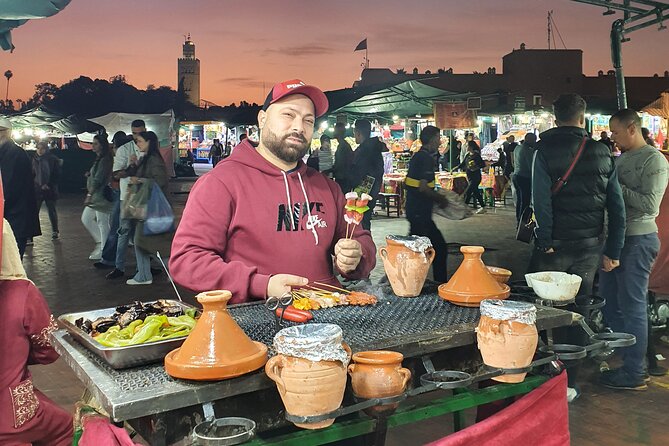
Follow the food, not the map. This evening walk gives you a tasty way to enter Marrakech, moving from Jemaa el-Fnaa to pastry stalls, olive vendors, spice sellers, and a traditional tanjia kitchen. I like the mix of local street food and cultural context, plus the chance to see places many visitors would miss on their own. I also like that the meal is more than scattered samples: you finish with harira and tanjia, or vegetable tajine by request. The main drawback is pace. Four hours of eating and walking through crowded medina lanes may feel tiring, especially if you prefer a quiet sit-down meal.
The tour is led by a licensed local guide and accepts a maximum of 12 people, which keeps the group small enough for questions and shared tastings. Guide Youssef receives especially warm praise for explaining both the city and its food in an easy, engaging way. Still, come hungry and wear firm walking shoes. This is a food crawl through active market streets, not a polished restaurant tour.
Key points at a glance
- A full evening of Moroccan food: Plan on 3 to 4 hours, with snacks along the way and a two-part dinner at the end.
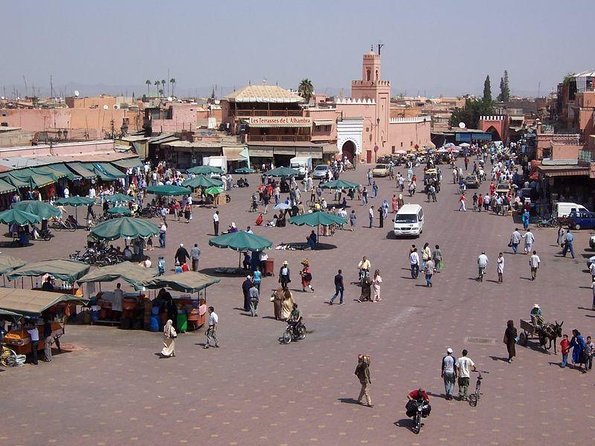
- Jemaa el-Fnaa sets the scene: You begin with fruit juice, nuts, and an appetizer near Marrakech’s famous square.
- The tastings go beyond the usual tagine: Expect breads, pancakes, pastries, olives, preserved lemons, halwa, dried fruit, and briouate.
- Rahba Kedima adds cultural context: Spices, infusions, essential oils, and traditional cosmetic products become part of the food story.
- The final stop is the highlight for many: You see an underground mechoui oven before eating beef tanjia or vegetable tajine.
- Small groups matter here: With no more than 12 people, it is easier to hear the guide and keep up in narrow lanes.
Why this Marrakech food walk works
Marrakech can be hard to read at first. The medina has a maze of lanes, food stalls, shops, spices, and constant motion. A guided tasting tour gives you a reason to move through it with purpose. Instead of simply passing through the souks, you learn what you are looking at and why certain ingredients matter.
The route begins at 6:00 pm, a useful time for an evening food experience. You avoid committing to a large dinner before the walk, and the tour builds toward its main meal. The timing also lets you see Jemaa el-Fnaa as the evening food scene gets going.
I like the structure. You do not sit down for one long meal and miss the rest of the medina. You taste a little, walk, learn, taste again, and finish with a proper dish. That makes the $68.12 price easier to judge. It is not cheap by local meal standards, but the fee covers a licensed guide, several food stops, two mint teas, fresh juice, bottled water at dinner, and the main meal. You are paying for access, explanation, and organization as much as for the food.
The maximum group size is 12. That is large enough to have some social energy, but small enough that you should be able to hear the guide and ask questions. In a market setting, this matters. A large crowd can turn a food walk into a slow-moving line.
More Street Food Tours in Morocco:
- Marrakech: Street Food Tour with a Local Guide
★ 4.9 · 3,119 reviews - Marrakech: Street Food Tour by Night
★ 4.8 · 2,838 reviews - The Original Marrakech Street Food Tour
★ 5.0 · 248 reviews
Starting with juice and snacks at Jemaa el-Fnaa
The first meeting point is Poste du Maroc on Rue Beni Marine. From there, you walk to Jemaa el-Fnaa for an introduction to the tour and the food culture of Marrakech.
Your first tastes include fresh fruit juice, dried nuts, naturally dried fruit, Moroccan candy, and an appetizer from the square’s food stalls. One savory briouate is included for each person. This is a useful opening because it gives you several textures at once: crisp pastry, sweet fruit, roasted or dried snacks, and fresh juice.
Jemaa el-Fnaa is also an important part of the setting. The square is a UNESCO World Heritage site and acts as the public stage for this first course. Rather than treating the square as a backdrop, the guide uses it to explain the food you are seeing and the way the market operates.
You should not expect to choose every item yourself. The tour has a planned set of tastings, and the guide manages the stops. That is helpful if you feel unsure about ordering from busy food stalls, though diners with strict food preferences should ask questions early.
Derb Dabachi brings the bread course
The next section takes you along Derb Dabachi, one of the medina’s busy streets. Here, the focus shifts to sweet and savory pastries, fresh breads, and Moroccan pancakes.
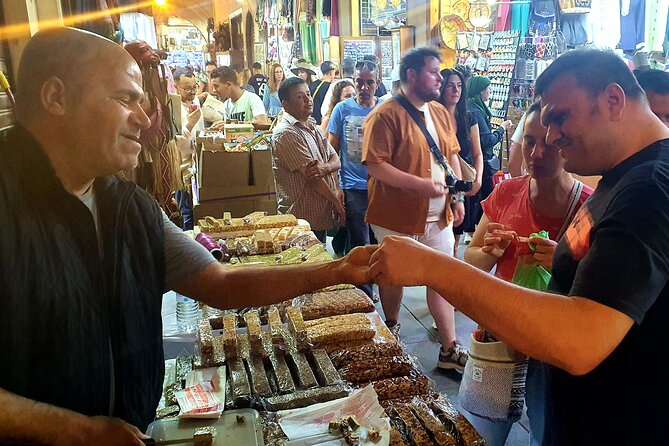
This stop helps explain why bread is so important to everyday Moroccan eating. You are not just trying one famous dish. You are comparing different forms of dough, fillings, sweetness, and texture. The tour also includes almond and honey pastry, adding a clear dessert note while you are still walking.
The timing is about 30 minutes, so this is a compact tasting stop rather than a long lesson. I see that as a benefit. By this point, you have already eaten at Jemaa el-Fnaa, and a long pause here could make the full route feel heavy.
There is one practical issue: baked goods can fill you quickly. Take small bites and pace yourself. The tanjia meal is still ahead, and the tour description is serious about bringing an appetite.
Olives and preserved lemons in Souk Semmarine
Souk Semmarine introduces you to the colorful olive area and the practice of pickling lemons and olives. You taste seasoned produce and halwa, a sweet confection that changes the rhythm of the food stops.
This may be one of the most useful parts of the tour for anyone who wants to recreate Moroccan food at home. Preserved lemons are central to many Moroccan recipes, and the guide explains how they are prepared and used. The olives also show you how much variety can come from a basic ingredient once it is seasoned or preserved.
The stop lasts about 30 minutes. It is not simply an olive tasting, though. It gives you a better sense of how Moroccan cooking balances salty, sour, sweet, and aromatic flavors. That balance is easy to miss if your only Moroccan meal is a single tagine in a restaurant.
You may find that some flavors are stronger than expected. Pickled lemons and seasoned olives are not gentle foods, and halwa brings a different kind of richness. The advantage of having a guide is that you can ask what you are tasting instead of guessing from appearance.
Same place, a different plate:
- Marrakech Street Food Tour
★ 5.0 · 220 reviews - Marrakech Night Street Food Tour / Taste The Real Marrakech
★ 4.9 · 200 reviews - Casablanca Food Tour – Moroccan Street Food Tour
★ 5.0 · 86 reviews - Marrakech street food tour with a local
★ 5.0 · 55 reviews
Rahba Kedima and the language of spices
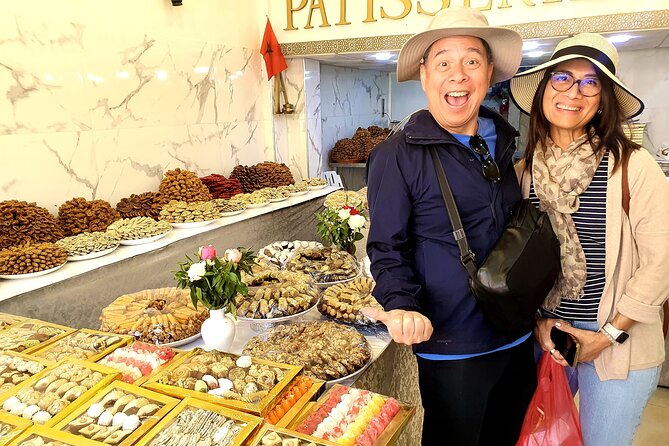
The longest walking stop takes place around Rahba Kedima Square, where the tour spends about an hour. This is the point where the food tour widens into a lesson about ingredients, household remedies, and local products.
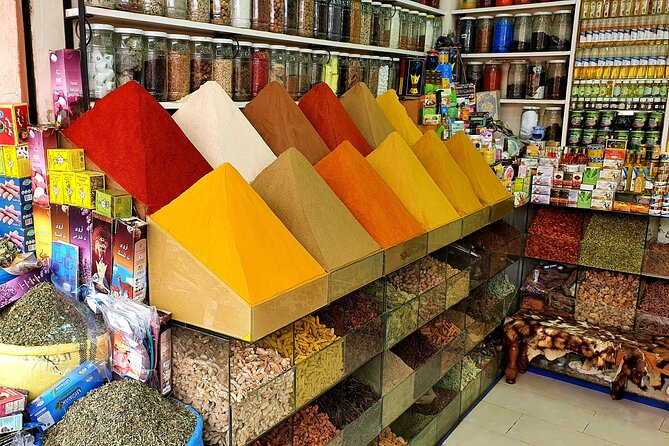
You learn about spices used in Moroccan cooking, along with essential oils and infusions connected to traditional natural medicine. The stop also includes natural products used in traditional cosmetics. That broader view is valuable because Moroccan markets do not separate food, fragrance, home remedies, and beauty products as neatly as modern supermarkets do.
The guide can also share simple recipes and practical ways to use ingredients at home. This is one of the best reasons to take a guided market walk rather than simply browse the souks. A pile of spices is colorful, but knowing how they are used turns shopping into something more useful.
The drawback is that this area can feel more commercial. Products are displayed to catch your attention, and you may be approached by sellers. The tour is not described as a shopping excursion, so do not assume purchases are part of the experience. Enjoy the explanations, and remember that the central purpose is tasting and learning.
The underground oven and final tanjia dinner
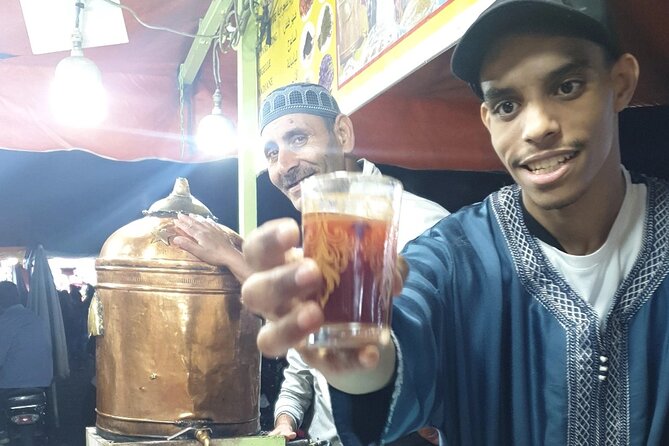
The evening ends at Chez Lamine Hadj Mustapha Jemaa El Fna. First, you visit an ancient underground oven. Then you sit down for the main meal.
This is the tour’s clearest link to Marrakchi cooking. Tanjia is a Marrakech specialty, traditionally associated with slow cooking in an underground oven. Seeing the oven before eating gives the dish a stronger sense of place than simply ordering tanjia from a menu.
Dinner includes harira Moroccan soup, followed by beef tanjia. If you request it, the beef can be replaced with vegetable tajine. The meal is not a tiny tasting. It is the point at which you finally sit down after several hours of movement and snacks.
I like this ending because it solves a common problem with food walks: you sample many things but finish without a real meal. Here, you get both. The earlier stops provide variety, while the final course gives you something warm and filling.
The choice is limited, which is worth noting. The standard dinner is beef tanjia, and vegetable tajine is available on request. If you need a different dietary arrangement, the supplied details do not promise other substitutions. Ask before booking if this matters to you.
Bottled water is included during the final stop only. Two cups of Moroccan mint tea are included along the route, as well as one fresh fruit juice. Soda, alcohol, and extra drinks cost more.
What the food package actually includes
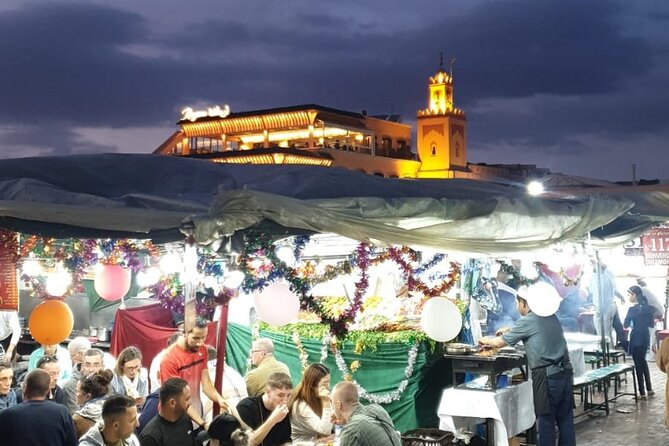
The food list is generous for a 3 to 4 hour walk. You receive:
- Fresh fruit juice of your choice
- Nuts and naturally dried fruits
- Moroccan candy
- Olives
- Pancakes and traditional breads
- One savory cheese, beef, chicken, or vegetable briouate
- Almond and honey pastry
- Harira soup
- Beef tanjia or vegetable tajine by request
- Two Moroccan mint teas
- Bottled water during the final dinner stop
The list suggests plenty of food, but it does not mean every person receives a full portion at every stop. Market tastings are usually shared or served in small amounts, and that is sensible here. If you ate full servings at each stop, the final meal would be a challenge.
The guide’s role adds real value. The strongest praise for this experience focuses on Youssef, who explains the food and the city while keeping conversation comfortable for different personalities. That matters in a small group. A food guide who only names dishes gives you samples. A guide who explains customs, ingredients, and history gives you a better way to understand Marrakech.
Walking, comfort, and group size
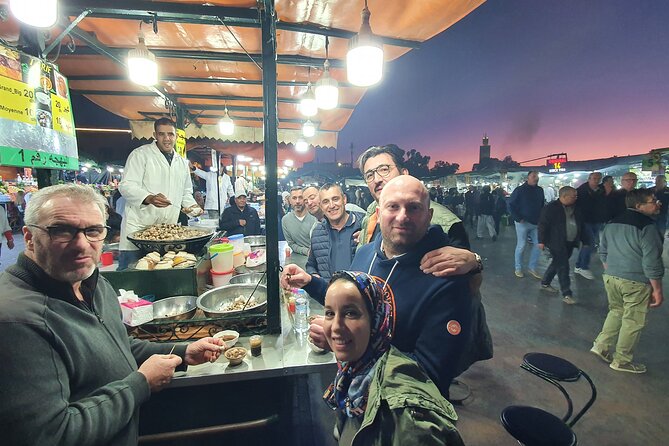
The tour lasts approximately 3 to 4 hours and returns to the original meeting point. Transportation is not part of the experience. You should expect to walk between stops through the medina, including crowded market streets and narrow lanes.
Comfortable walking shoes are essential. This is not the right choice if you want to remain seated for most of the evening. The route includes multiple stops, and you may spend about an hour around Rahba Kedima before the final dinner.
The start time is fixed at 6:00 pm. Arrive ready to begin rather than trying to join after the group has left the meeting point. Mobile tickets are accepted, and confirmation is provided when you book.
Most people can participate, but the supplied information does not give detailed accessibility specifications. If you need step-free access or have difficulty walking for several hours, confirm the route details before paying.
Is $68.12 a fair price?
The value depends on how you use the tour. If you want only a cheap local dinner, $68.12 is high. You could spend less on a single bowl of harira, a plate of tanjia, or snacks from the square.
If you want a guided introduction to Marrakech food culture, the calculation changes. The price covers several tastings, a substantial final meal, a licensed guide, two teas, juice, and bottled water. It also provides a planned route through places that can feel confusing when you first arrive.
The group cap of 12 improves the value. You are not paying for a private tour, but the format should allow more personal attention than a large coach excursion. Group discounts are available, which may help if you are booking with friends or family.
I would see this as an orientation experience as much as a meal. Book it early if your dates are fixed, since it is commonly reserved well ahead of time. The tour is often booked about 96 days in advance.
Who should book this evening experience?
I recommend it most for first-time visitors who want a friendly introduction to the medina and enjoy trying several foods in one night. It also suits curious eaters who want more than the familiar tagine and couscous routine.
You are likely to enjoy it if you:
- Like walking through markets with a guide
- Want to try unfamiliar Moroccan foods
- Prefer small tastings followed by a full meal
- Enjoy learning simple recipes and ingredient uses
- Appreciate a local guide who can explain customs and dishes
- Are comfortable eating in busy public areas
You may want a different plan if you dislike crowded streets, need a long seated dinner, or have narrow dietary limits that cannot be met by beef tanjia or vegetable tajine. The tour is also less suitable if you want to spend the entire evening shopping, since shopping is not listed as a main activity.
Should you book the Marrakech Tasting Tour?
Book it if you want your first evening in Marrakech to come with a guide, a route, and plenty to eat. The combination of Jemaa el-Fnaa snacks, pastries, olives, spices, preserved lemons, the underground oven, and tanjia makes the experience more varied than a standard restaurant dinner.
The best reason to choose it is the balance between food and place. You are not only eating Moroccan dishes. You are seeing where ingredients are sold, learning how they are used, and ending with a Marrakchi specialty in a traditional setting.
I would skip it only if you need a very quiet meal, have strict dietary requirements beyond the stated options, or prefer to explore the souks at your own pace. For most food-focused visitors, the small group, strong guide feedback, and generous tasting schedule make this a useful and flavorful introduction to Marrakech.
FAQ
Where does the Marrakech tasting tour start?
It starts at Poste du Maroc on Rue Beni Marine in Marrakech.
What time does the tour begin?
The tour starts at 6:00 pm.
How long does the experience last?
It lasts approximately 3 to 4 hours.
Where does the tour finish?
The activity ends back at the meeting point.
How many people can join the tour?
The maximum group size is 12 people.
Is a guide included?
Yes. The experience includes the services of a licensed tour leader.
What is served for the main dinner?
Dinner includes harira Moroccan soup and beef tanjia. Vegetable tajine is available on request.
Is mint tea included?
Yes. Two cups of Moroccan fresh mint tea are included along the route.
Are drinks included?
One fresh fruit juice and bottled water during the final dinner stop are included. Soda and alcoholic drinks are not included.
Can I cancel for a full refund?
Yes. You can cancel at least 24 hours before the local start time for a full refund. Changes or cancellations made less than 24 hours before the start time are not accepted for a refund.
Just added around Morocco
- Local Hidden Spots Street Food Tour in Medina Marrakech★ 5.0 · 30 reviews
- Marrakech Street food Tours★ 4.5 · 15 reviews
- 3 Hours Private Tour Marrakech Night Market★ 5.0 · 2 reviews
- Marrakech Street Food with +10Tasting & Tanjia Dinner|Guided Walk★ 5.0 · 21 reviews
- Taste Marrakech Street food tour from Medina★ 5.0 · 34 reviews
- Essaouira Guided Tour: 3 on 1 – Nightlife tour, Live like a local & Street food★ 4.5 · 32 reviews
- Fez Street Food Tour★ 4.5 · 33 reviews
- Casablanca Food Tour – Moroccan Street Food Tour★ 5.0 · 86 reviews
Street Food Tours, compared.
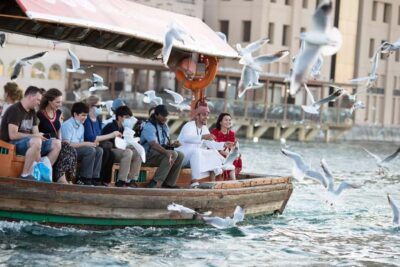
Old Town, Creek, Museums, Souks, & Street Food Tour
What we made of it →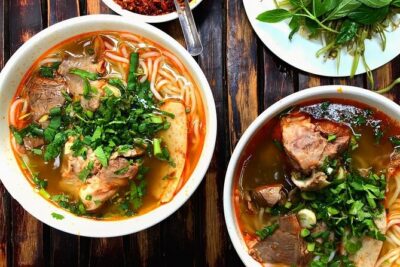
Ho Chi Minh City Street Food Tour & Sightseeing By Motorbike
What we made of it →
Comuna 13 Graffiti Tour, Cable Car & Street Food
What we made of it →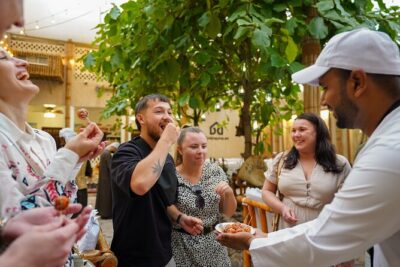
Old Town, Souks, Street Food, Guided Tour & Abra Ride
What we made of it →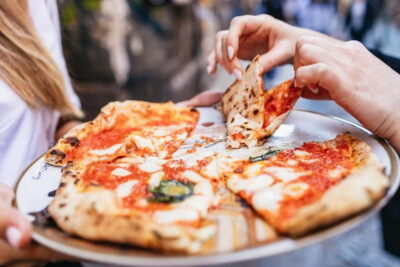
Small Group Hanoi Street Food Tour with a Real Foodie
What we made of it →
Saigon By Night and Street Food By Motorbike | Opt: Ao Dai Riders
What we made of it →Where this tour turns up