
Review · OSAKA
Umami Town Street Food Tour
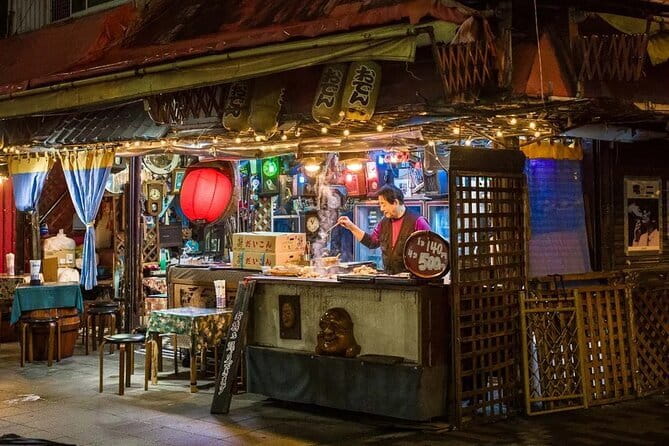
Come hungry, leave better oriented. The Umami Town Street Food Tour gives you five hours of guided eating in Osaka, with stops at Osaka Tenmangu Shrine, Kuromon Market, and Dotonbori. I like the small group of up to seven people, which keeps the day personal, and I like that the food comes with context about ingredients, cooking, and the Japanese idea of umami. The main drawback is the $175 price, which is high for a food walk, especially if you already know Osaka’s eating districts.
You also need to allow most of a day for the experience. The tour begins at 10:00 a.m. at Minami-Morimachi Station and returns there, so it is not a quick evening tasting. Still, dinner, snacks, bottled water, and alcoholic beverages are included, and guides such as Miyo, Miso, and Yuka have earned strong praise for their warmth, flexibility, and local recommendations.
Six things to know before booking
- The group is capped at seven people, a useful size for questions, shared dishes, and moving through busy streets.
- The tour starts at Minami-Morimachi Station at 10:00 a.m. and ends back at the same meeting point.
- Osaka’s food culture gets the spotlight, including takoyaki, okonomiyaki, sushi, seafood, and other local specialties.
- The food is tied to the idea of umami, so you learn why ingredients taste the way they do, not just what is on the plate.
- The route mixes food with neighborhoods and history, including Osaka Tenmangu Shrine, Kuromon Market, and Dotonbori.
- The price includes dinner, snacks, water, and alcohol, but private transportation is not included.
Why this Osaka food tour is more than a meal
Osaka is often called Japan’s kitchen, and this tour makes that nickname easy to understand. Food is not treated as a side activity between major sights. It is the main way you move through the city.
The most useful feature is the guide. Osaka’s shopping streets, restaurant entrances, market counters, and neon-lit entertainment areas can feel confusing at first. A local guide helps you decide where to pause, what to try, and how different foods fit into Osaka’s cooking traditions.
The tour is also designed around variety. Instead of eating one large meal in one restaurant, you sample across several settings. You might move from a shrine area to market food, then on to Dotonbori specialties and older local restaurants. That pattern gives you a better sense of Osaka than simply ordering a familiar dish at a restaurant near your hotel.
The title’s focus on umami is useful, too. Umami is the savory taste found in ingredients such as seafood, fermented foods, broth, and other foods central to Japanese cooking. Miyo’s tour, in particular, has been praised for explaining the role and importance of umami while keeping the day relaxed and filling.
Expect a generous amount of food. One family group with children of different food comfort levels found that Miyo prepared carefully and adapted to their needs, including food allergies. That does not mean every possible dietary request is guaranteed, so you should communicate restrictions before the tour, but it does show the value of having a guide who pays attention.
More Street Food Tours in Osaka:
- Hungry Osaka Street Food Tour:15 Tastings & 3 Drinks with a Local
★ 5.0 · 1,727 reviews - Hungry Osaka Street Food Tour: 15 Dishes & 3 Drinks
★ 4.9 · 694 reviews - [1 Group Only] Osaka Street Food Tour for Family
★ 5.0 · 208 reviews
Starting at Osaka Tenmangu Shrine
The morning begins at Osaka Tenmangu Shrine, reached from Minami-Morimachi Station. The shrine is dedicated to Sugawara no Michizane, a scholar and political figure from the Heian period who became Tenjin, the spirit associated with learning, scholarship, and literature.
The listed visit lasts about one hour, and admission is free. This is a smart opening because it gives you a quiet cultural setting before the food stops take over. You get a chance to look around, hear about the shrine’s role, and begin understanding the local area.
I also like the contrast. Osaka is famous for bright signs and crowded food streets, but this first stop gives the tour a calmer start. It reminds you that the city is more than restaurants and shopping arcades.
Do not expect a major museum-style visit. The shrine is a cultural stop within a food-focused day, not the central attraction. If you want detailed religious history or a long architectural tour, this experience may feel light on that front. Its purpose is to frame the neighborhood and get you moving.
The meeting point matters here. You are responsible for reaching Minami-Morimachi Station, and private transportation is not included. Since the tour begins at 10:00 a.m., plan your route ahead of time and arrive with a little margin.
Eating your way through Kuromon Market
Kuromon Market is the next major food setting, with about 30 minutes allotted. Known as Osaka’s Kitchen, it offers fresh seafood, meat, sushi, and street food such as takoyaki.
Thirty minutes is not a long time for a market. That can be a benefit if you prefer a focused route, since you will not spend half the morning wandering without a plan. It can also feel brief if you want to browse every stall, shop independently, and stop for photographs.
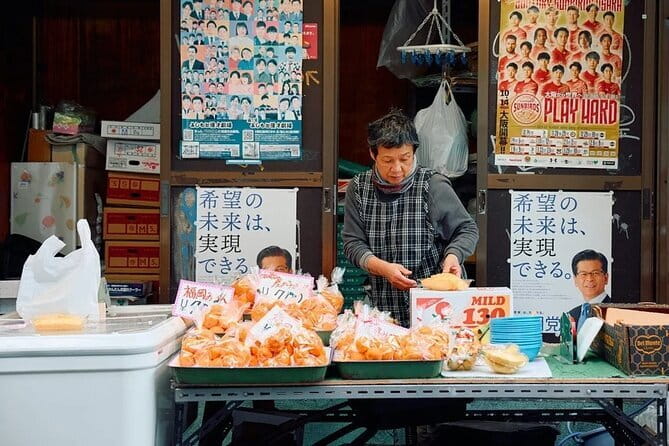
This is where a guide earns the fee. Market food can be difficult to judge when you do not speak Japanese or know which preparations are typical. Your guide can explain ingredients, point out local specialties, and help you understand what you are tasting.
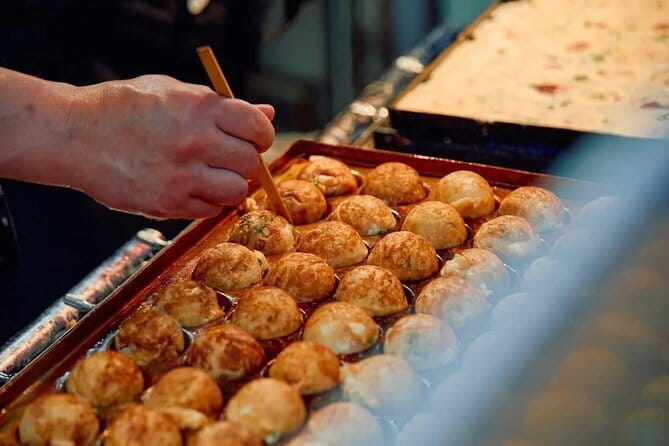
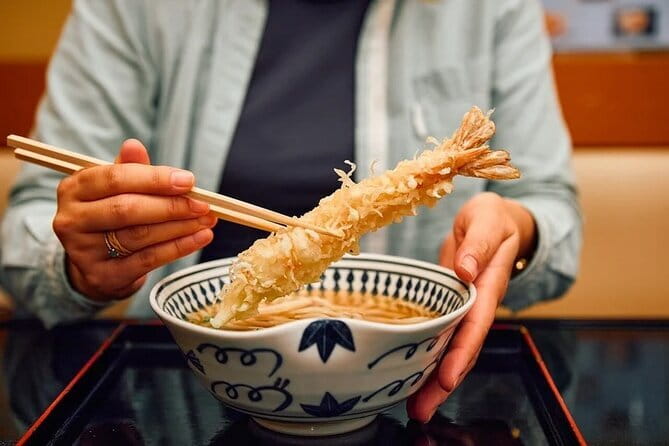
Takoyaki is one of the foods associated with Osaka. These hot octopus-filled balls are cooked in a special molded pan and usually served with sauce and other toppings. The tour explanation is valuable because it connects the snack to the city instead of treating it as just another fried bite.
The market also provides a useful change of pace from restaurant eating. You see ingredients before they become a finished dish, and you get a feel for Osaka’s relationship with seafood and prepared food. The exact tastings can vary, so do not book expecting a fixed menu of named items.
Several experiences connected with this tour have included foods ranging from sushi and seafood to fugu, the famous pufferfish dish. That does not mean fugu is guaranteed on every departure. It does show that the route can reach beyond the best-known Osaka snacks when the guide and local businesses make it possible.
Dotonbori after dark, or at least after breakfast
Dotonbori is listed for about one hour. The area is famous for large signboards, neon lights, entertainment venues, and food such as takoyaki and okonomiyaki.
The timing is worth noting. Because the tour begins at 10:00 a.m., you may see Dotonbori in daylight rather than during its busiest evening hours. That makes it easier to walk and talk, but you will not get the full nighttime glow that appears in many Osaka photographs.
Even so, Dotonbori is a strong food stop. Okonomiyaki is often described as a savory Japanese pancake, though that simple label does not say much about the fun of watching it cook and choosing toppings. A guide can explain the ingredients and preparation in a way that makes the dish more meaningful.
Dotonbori also shows you Osaka’s theatrical side. The oversized signs and restaurant displays are part of the experience, not merely background decoration. You can see how food, advertising, and entertainment work together in this district.
One listed attraction is Dotonbori Tsuribori, a fishing-themed entertainment spot in the district. The supplied details do not say that fishing is included as an activity, so I would treat this as part of the area visit rather than a promised hands-on stop.
The one-hour schedule gives you a taste rather than unlimited free time. If you want to shop, take lots of photographs, or explore side streets on your own, return later. The tour’s job is to introduce the area and connect it to Osaka’s food traditions.
Same place, a different plate:
- Osaka: 2-Hour Local Street Food Tour – Dotonbori & Namba
★ 4.6 · 95 reviews - Eat Osaka: Street Food Cooking in an Authentic Kitchen!
★ 5.0 · 87 reviews - Retro Osaka Street Food Tour: Shinsekai
★ 4.5 · 77 reviews - Osaka Street Food Tour: Private & Personalized
★ 4.5 · 36 reviews
Guides who make the difference
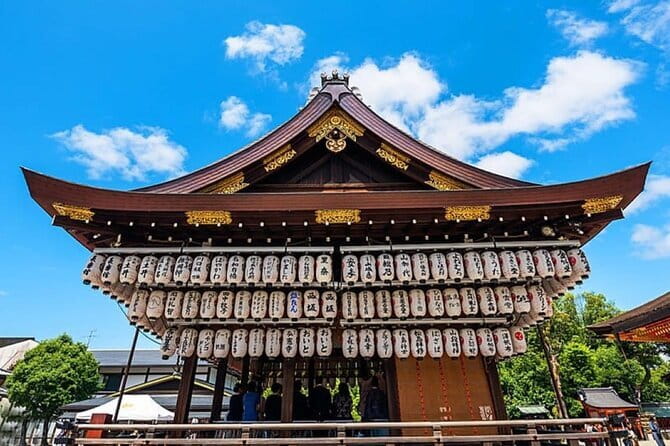
The strongest part of this experience is the human element. Miyo has been praised for making the day feel personal, adjusting plans thoughtfully, explaining umami, and helping families with different food preferences. She has also gone beyond the basic schedule, including standing in line ahead of time for a popular cheesecake.
Miso has been praised for combining food with unusual local details, including information about hidden tunnels in the area. That kind of detail can change the way you see a familiar street. You are not just moving between dishes. You are learning how the city is arranged and what sits beneath its obvious tourist face.
Yuka has also received strong praise for her care and flexibility. One five to six hour outing with her included fugu, okonomiyaki, and other treats. Another day was remembered for her effort to make the group comfortable and happy.
Guide assignments can change, so you should not book on the assumption that one particular person will lead your departure. Still, the repeated praise for Miyo, Miso, and Yuka points to the quality you should look for: clear explanations, patience, and a willingness to adjust the day.
The small group helps. With a maximum of seven people, you have a better chance to ask about a dish, mention an allergy, or request ideas for later in your Osaka stay. A large group can turn a market stop into a slow-moving line. This format should feel more like walking with a local food-loving friend.
What the $175 price really covers
At $175 per person, this is not a cheap way to eat in Osaka. You can find takoyaki, okonomiyaki, sushi, and market snacks for much less if you choose places yourself.
The comparison is not quite fair, though. The fee includes roughly five hours of guiding, dinner, snacks, bottled water, and alcoholic beverages. You are also paying for navigation, interpretation, a small group, and access to a planned sequence of local food stops.
The value is highest if you are new to Osaka, unsure how to order, or eager to try several foods without spending time researching every location. It is also useful at the start of a longer stay, since your guide can suggest places to revisit and other local foods to seek out.
The value is lower if you are already confident navigating Osaka, have a carefully planned food itinerary, or mainly want a low-cost meal. You may also find the price harder to justify if you do not drink alcohol or have a small appetite.
The food can be substantial. The experience has been described as both an eye-opener and a stomach filler, which is a fair warning. Eat lightly beforehand, especially because the tour begins in the morning and continues for several hours.
Who will enjoy this experience most

I would recommend the tour to first-time visitors who want an efficient introduction to Osaka’s food culture. It is also a good fit if you like asking questions and prefer a guide who can explain the difference between dishes rather than simply lead you from one counter to another.
Families may benefit from the personal format, especially when food preferences vary. The experience has accommodated a group with four children and differing levels of food adventurousness, as well as food allergies. You should still share restrictions in advance and avoid assuming every dish will suit everyone.
This tour also suits repeat visitors who want more than the standard sightseeing route. The mix of small shops, street stands, old-style restaurants, markets, and major districts gives the day a local flavor.
It may not suit you if you want a quiet, slow lunch, a fixed tasting menu, or plenty of time at each attraction. The route covers several settings, so you should expect walking, standing, changing food stops, and a full schedule.
The tour is recommended for most people, and confirmation arrives at booking. It is near public transportation, and most people can take part. If the minimum number is not reached, the operator may offer another date or experience, or provide a full refund.
Booking timing and practical details
This experience is often booked about 50 days ahead, so popular dates may disappear well before your visit. That is especially important if your Osaka stay is short.
You receive a mobile ticket, and the meeting point is Minami-Morimachi Station, at 2 Chome-1 Minamimorimachi, Kita Ward, Osaka, 530-0054. The tour starts at 10:00 a.m. and ends back at the meeting point.
The day lasts about five hours, though the listed stop times add up to less than that. That leaves room for walking, ordering, eating, conversation, and changes between locations. Do not schedule a tight afternoon appointment immediately afterward.
Private transportation is not included. The route is designed around public transportation and walking, so wear comfortable shoes and keep your plans flexible.
Cancellation is free up to 24 hours before the local start time. Cancel later than that, or request changes inside the 24-hour window, and you will not receive a refund.
Should you book the Umami Town Street Food Tour?
Book it if you want a guided introduction to Osaka through food, especially if you are new to the city or uncertain about ordering on your own. The combination of Tenmangu Shrine, Kuromon Market, and Dotonbori gives you more than a restaurant crawl, while the small group lets you ask questions and shape the day.
The $175 cost is the key decision. I think it is reasonable for a five-hour, food-filled outing with dinner, snacks, drinks, and a personal guide, but it is not the choice for a budget eater. If you value local explanation and ease more than finding the cheapest bowl or snack, this tour should serve you well.
Book early, arrive hungry, mention dietary needs ahead of time, and leave your afternoon open. You may return to the meeting point full, better oriented, and carrying a useful list of Osaka places to try next.
FAQ
Where does the Umami Town Street Food Tour start?
The tour starts at Minami-Morimachi Station, at 2 Chome-1 Minamimorimachi, Kita Ward, Osaka, 530-0054, Japan.
What time does the tour begin?
The start time is 10:00 a.m.
How long does the experience last?
The tour lasts approximately five hours.
Where does the tour end?
The activity ends back at the original meeting point at Minami-Morimachi Station.
How many people can join the tour?
The tour has a maximum of seven participants.
What food and drinks are included?
Dinner, snacks, bottled water, and alcoholic beverages are included.
Is private transportation included?
No. Private transportation is not included, and the meeting point is near public transportation.
Which Osaka areas are included?
The route includes Osaka Tenmangu Shrine, Kuromon Market, and the Dotonbori area, including Dotonbori Tsuribori.
Can I cancel for a full refund?
Yes. You can cancel at least 24 hours before the experience start time for a full refund. Changes or cancellations made less than 24 hours before the start time are not accepted for a refund.
Just added around Osaka
- Osaka Street Food Tour: Private & Personalized★ 4.5 · 36 reviews
- Retro Osaka Street Food Tour: Shinsekai★ 4.5 · 77 reviews
- Osaka 2 Hour Local Street Food Tour in Dotonbori and Namba★ 5.0 · 2 reviews
- Evening Street Food Hopping Tour in Downtown Osaka★ 5.0 · 8 reviews
- Eat Osaka: Street Food Cooking in an Authentic Kitchen!★ 5.0 · 87 reviews
- Deep Dive: Osaka Food Markets from Local to Luxurious!★ 5.0 · 31 reviews
- Eat Like a Local in Osaka – Private Custom Street Food Tour★ 4.3 · 33 reviews
- Osaka Shinsekai Street Food Tour – Evening★ 5.0 · 2 reviews
Street Food Tours, compared.

Old Town, Creek, Museums, Souks, & Street Food Tour
What we made of it →
Ho Chi Minh City Street Food Tour & Sightseeing By Motorbike
What we made of it →
Comuna 13 Graffiti Tour, Cable Car & Street Food
What we made of it →
Old Town, Souks, Street Food, Guided Tour & Abra Ride
What we made of it →
Small Group Hanoi Street Food Tour with a Real Foodie
What we made of it →
Saigon By Night and Street Food By Motorbike | Opt: Ao Dai Riders
What we made of it →Where this tour turns up