
Review · ROME
Rome Street Food Tour with Local Guide
Rome tastes better one bite at a time. This 2.5-hour walk links Roman street food with Campo de’ Fiori, the Jewish Ghetto, the Theatre of Pompey, and Largo Argentina. I like that you see major historic sights while eating, instead of sitting through a long formal meal.
I also like the small-group limit of 15 people and the mix of foods: suppli, pizza, cured meat, cheese, pastries, seasonal produce, wine, beer, and gelato. Guides such as Ramona, Francesca, Mattia, and Kristian have earned warm praise for explaining both food and Roman life.
The main drawback is dietary flexibility. Vegetarians can be accommodated only with advance notice, but the tour does not accommodate vegan, gluten-free, or dairy-free diets. You will also spend most of the time standing outdoors, and the evening market stop is closed after the morning.
Key points to know before booking
- Start with Campo de’ Fiori: Morning departures include tastings among the historic market stalls, while evening departures use a different setup because the market is closed.
- Roman classics are the focus: Expect pizza, fried suppli, cured meats, cheese, seasonal produce, pastries, and artisanal gelato.
- Food and sightseeing share the stage: The route passes the Jewish Ghetto, the Portico of Octavia, the Theatre of Pompey area, and Largo Argentina.
- Guides make a major difference: Past guide names include Ramona, Francesca, Mattia, Matteo, Kristian, Andreas, Fabrizia, and Matthias.
- The $54.42 price can be good value: Several tastings, wine or beer, a guide, and sightseeing are included, though extra drinks cost more.
- Plan for weather and walking: The tour runs rain or shine, seats are not guaranteed, and it is not suitable if standing or walking is difficult.
Why this food walk works well in central Rome
Rome is easy to visit badly. You can rush from one famous ruin to another, eat at the first restaurant with a menu in five languages, and miss the ordinary foods that Romans grab between errands. This tour offers a better rhythm: walk a short distance, taste something, hear a bit of local history, then move on.
The route is not built around one large meal. Think of it as a guided grazing walk. Portions are described as small bites, but the total amount is enough for a light lunch or dinner. One useful tip is simple: do not eat a full meal beforehand.
At $54.42 per person, the value depends on how much you use the guide and the sightseeing. If you only want food, you may find it cheaper to buy snacks independently. If you want a local guide to explain why suppli matters, point out ancient ruins between tastings, and recommend places for the rest of your stay, the price is more reasonable.
The 4.8 rating from 2,361 reviews and a 96 percent recommendation rate suggest a reliable experience, though no food tour is perfect for everyone. One person felt the tour was not worth the cost and became ill after a very hot day, while also questioning one vendor purchase. That is a useful reminder to pace yourself, drink water, and be cautious with optional purchases.
More Street Food Tours in Rome:
- Rome: Street Food Tour with Local Guide
★ 4.8 · 4,077 reviews - Rome: Trastevere & Campo de Fiori Street Food Walking Tour
★ 4.9 · 2,768 reviews - Rome: Trastevere Street Food Walking Tour with Local Expert
★ 4.8 · 1,784 reviews
Meeting Giordano Bruno in Campo de’ Fiori
The tour begins beneath the statue of Giordano Bruno in the center of Piazza Campo de’ Fiori. This is a practical meeting point in central Rome, but the square can be busy, so arrive with enough time to locate the statue rather than searching at the last moment.
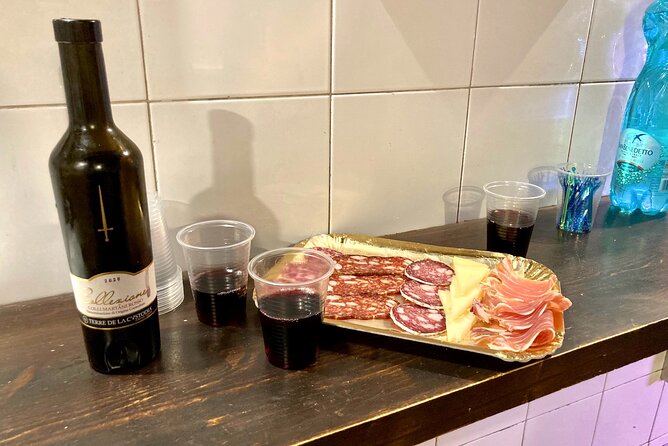
In the morning, the first tastings take place around the market. You may try cheese, cured meat, wine, seasonal fruit, and other market products. The market gives this opening a sense of place. You are not simply handed a plate in a restaurant. You are introduced to the kind of produce and pantry goods that shape Roman cooking.
The market stop lasts about 30 minutes, after a brief introduction to the guide and group. It is available only in the morning. If you book an evening departure, you should not expect the same market atmosphere or the same selection of stalls. The food changes with the season, so the exact tasting list is not fixed.
That flexibility is a plus for freshness, but it means you should not book expecting one guaranteed dish. The experience promises categories of food rather than a rigid menu.
Suppli, pizza, and the walk through Passetto del Biscione
From Campo de’ Fiori, the group continues through Passetto del Biscione, a small passage with historic character. Here, the food is tied to the streets and neighborhoods rather than presented as a formal tasting course.
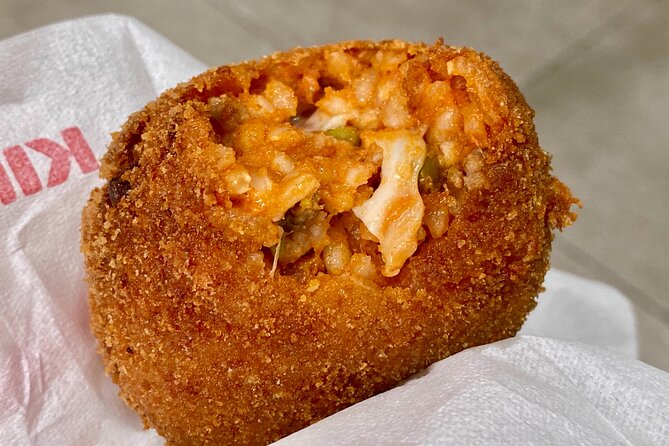
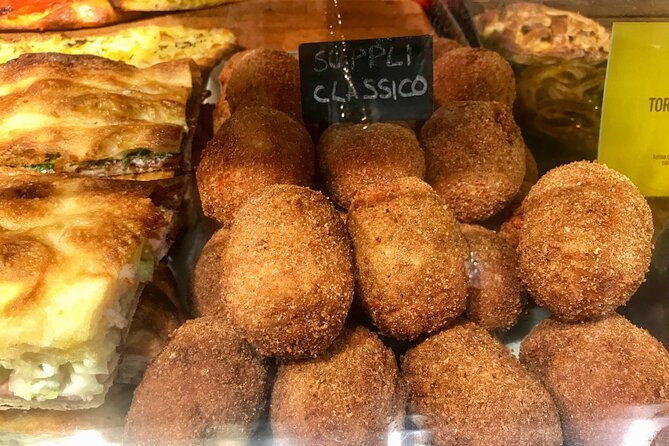
One of the key bites is suppli, a fried ball of rice with tomato and mozzarella at the center. It is crisp outside, soft inside, and filling for its size. If you have never tried it, this is one of the more useful parts of the tour because it introduces a Roman snack that is easy to overlook on a standard sightseeing plan.
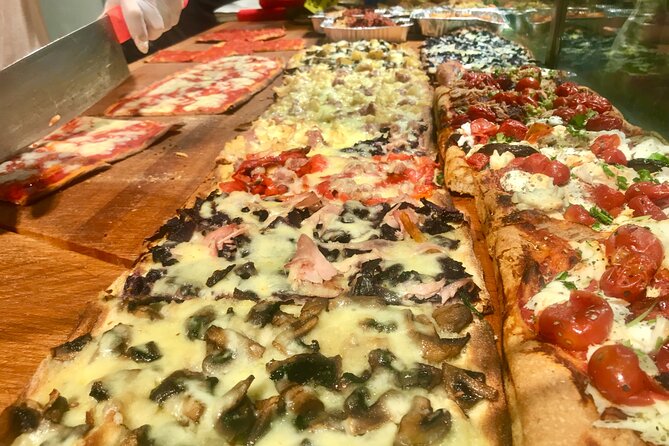
Pizza is another main stop. The tour is designed to show you Roman favorites in quick portions, not to serve an entire restaurant pizza. That keeps the walk moving and leaves room for later tastings.
I like this section because it gives you a practical food vocabulary. After the tour, you will know what suppli is and may feel more comfortable ordering local snacks on your own. The tradeoff is that you should not expect long seated meals. This is standing, tasting, and walking.
The Jewish Ghetto and Roman-Jewish specialties
The route then enters the area known as the Jewish Ghetto. Your guide explains how the quarter was established by Pope Paul IV to segregate Rome’s Jewish population. The stop adds needed context to the food, since cuisine is often shaped by laws, restrictions, migration, and neighborhood traditions.
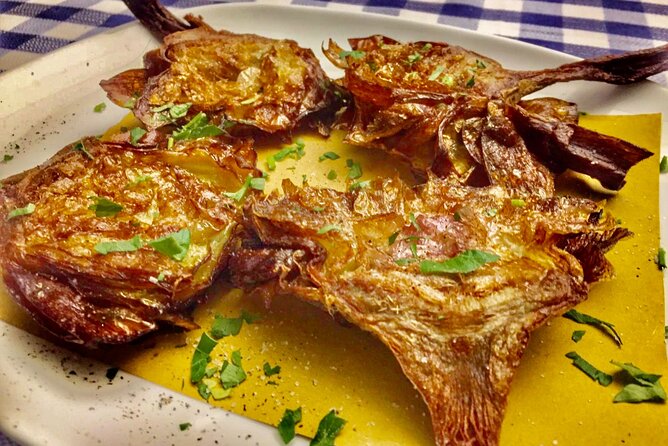
You will taste a famous Roman-Jewish specialty here. The exact dish depends on the season and the arrangements on the day. The itinerary also refers to seasonal produce and foods such as artichoke in the broader tasting mix, though you should not assume every item appears on every departure.
This is one of the strongest sightseeing sections of the tour. You are not looking at the Jewish Ghetto only as a backdrop for lunch. You are hearing how the neighborhood developed, then tasting a specialty connected to its food traditions.
The route can also include wine or beer. These drinks are included, but extra drinks are not. If you want more than the supplied tasting, bring a payment method and expect to pay separately.
Same place, a different plate:
- Roman Food Tour with Visit to the Trionfale Food Market
★ 5.0 · 471 reviews - Trastevere & Campo de’ Fiori Street Food Tour, Eat Like a Local
★ 5.0 · 207 reviews - Hidden Rome: Small Group E-Bike Tour with Street Food Stops
★ 5.0 · 169 reviews - Hidden Rome: Small Group E-Bike Tour with Street Food Stops
★ 4.9 · 144 reviews
Portico of Octavia and the Theatre of Pompey
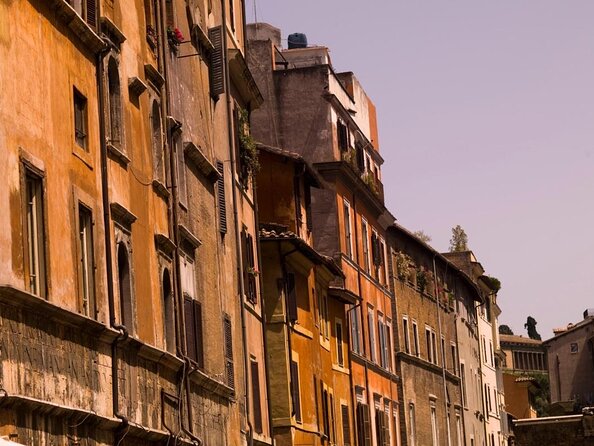
Near the Jewish Ghetto, you pass the Portico of Octavia and ruins dating to the first century BC. The remains are not a substitute for a full archaeological visit, but they make the walk more interesting and show how ordinary streets in Rome sit beside ancient structures.
The Theatre of Pompey area adds another layer. You are moving through a part of the city where Roman political and cultural life once unfolded, while your guide connects the visible remains with modern neighborhoods and food.
The sightseeing is deliberately light. You will hear short explanations during the walk rather than receive a long lecture at each ruin. That suits me because the food remains central, but it may disappoint you if you want an in-depth archaeological tour.
Several people especially praised guides who combined food with history and architecture. Ramona was repeatedly singled out for her passion and clear explanations. Francesca was praised for making both the food and local culture easy to understand. That personal style matters here because the route itself is compact, and the guide supplies much of the context.
Largo Argentina and the final gelato
The final major stop is the Area Sacra di Largo Argentina, the archaeological site associated with the assassination of Julius Caesar. You view the remains and then finish at a nearby family-run gelateria.
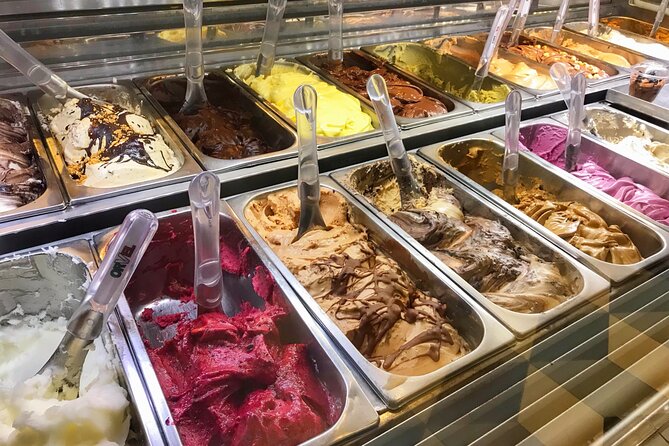
The gelato stop is more than a sweet ending. The owner explains how gelato is made, giving you a look at the craft behind the dish. Artisanal gelato can vary widely in quality in Rome, so having a guide lead you to a family-run shop is useful, especially early in a visit when you may not know which places are aimed mainly at tourists.
The ending point is Piazza di Sant’Eustachio. That is close enough to central sights and public transportation to make the tour easy to continue from, though the supplied information does not promise transportation back to your hotel. Plan to make your own way onward after the finish.
One practical point: the advertised duration is about two hours and 30 minutes, but food service and group movement can affect the pace. Keep your schedule flexible afterward rather than booking a timed museum entry immediately after the tour.
What the guides add to the experience
The strongest praise centers on the guides, not just the food. Ramona is described as warm, passionate, and full of Roman cultural detail. Francesca received praise for being friendly and informative. Kristian added useful practical advice about drinking fountains, trains, and places to eat. Andreas was praised for combining food with history and recommendations.
Guide assignments change, so you cannot choose one specific person from the names above. Still, the pattern is clear: a good guide turns a snack route into an introduction to Rome.
This is especially useful if you take the tour near the start of your visit. You can ask for restaurant ideas, food-ordering help, and practical tips for getting around. One family found the experience worked well for teenagers, and another group enjoyed meeting other people in the small group.
The maximum group size is 15. That is not private touring, but it is small enough for questions and conversation. Group chemistry will always vary, yet a food walk usually gives you more chances to talk than a large sightseeing bus.
How much food will you get?
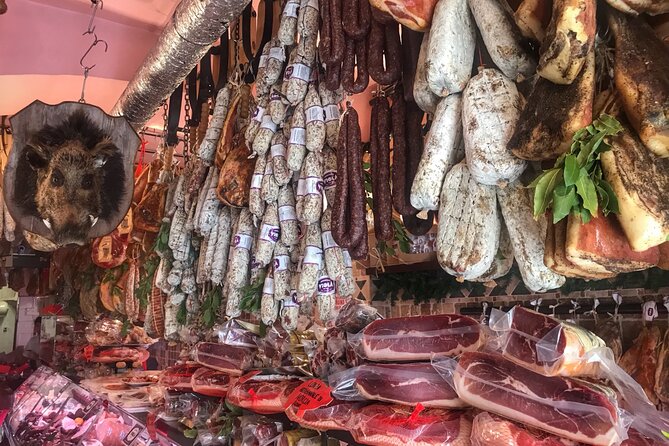
You will taste several items rather than receive one large plate. The listed foods include cheese, cured meat, seasonal fruit, pizza, suppli, pastries, Roman-Jewish specialties, wine, beer, and gelato. Exact tastings can change according to the season and local availability.
The portions are intended to create a light meal. One person described the amount as a good range of small portions, while another said it was enough to avoid eating before the tour. I would treat it as a substantial snack or light lunch, not a replacement for a long Roman dinner.
The food is also spread over the full walk. That matters because you are not expected to eat everything at once. Wear comfortable shoes, carry water, and avoid arriving overly full.
Dietary limits and physical demands
This tour is a poor fit for strict dietary restrictions. Vegetarians can be accommodated only if you advise the provider in advance. The experience does not accommodate vegan, gluten-free, or dairy-free diets, and people with nut allergies should be aware of possible cross contamination.
One positive detail is that a guide made an effort to find gluten-free items for a person with celiac disease, even though the tour does not formally accommodate gluten-free diets. That should not be treated as a guarantee. If your health depends on strict avoidance, I would choose a tour designed for your needs instead.
You will spend much of the experience outdoors, walking and standing. Seats are not guaranteed. A chilly or rainy day can make the tour less pleasant, and the tour operates rain or shine. Heat can also affect your appetite and comfort, so check the forecast and dress accordingly.
Most people can participate, and the route is near public transportation. Still, it is not suitable if you have limited walking or standing capacity.
Morning or evening: which departure should you choose?
Choose the morning if the Campo de’ Fiori market is important to you. That departure includes tastings among the stalls, which gives the opening a stronger market feel.
Choose the evening if you prefer a food walk closer to dinner time. You can still expect tastings, wine or beer, sightseeing, and gelato, but the market itself will be closed. The food may also differ because tastings are seasonal.
I would choose the morning for a first look at Roman food culture and the evening for a relaxed start to a night in central Rome. Either way, leave room in your stomach and schedule.
Cancellation and booking details worth noting
You receive confirmation at booking, and free cancellation is available until 24 hours before the start time. Cancellations made within 24 hours are not refunded, and changes inside that window are not accepted.
The experience requires a minimum number of participants. If the provider cancels because that minimum is not met, you are offered another date or experience, or a full refund.
The tour is often booked well ahead, with an average booking time of 44 days before departure. That does not guarantee every date will sell out, but it is sensible to reserve early if your Rome dates are fixed.
Who should book this Rome food tour?
I would recommend it to you if you want a compact introduction to Roman food, prefer tasting several things instead of ordering one meal, and enjoy learning local history while walking. It also suits families, first-time visitors, and people who want restaurant suggestions for the rest of their stay.
It is less suitable if you want a seated feast, a serious archaeology tour, or a fully accessible route. It is also the wrong choice for vegans, people requiring gluten-free or dairy-free food, and anyone who dislikes outdoor eating in uncertain weather.
Should you book it?
Book this tour if you want Rome to make sense through both its food and its streets. The best parts are the local guide, the suppli and pizza tastings, the Jewish Ghetto, and the chance to finish with gelato near Largo Argentina.
Skip it if $54.42 feels high for small portions, if you want total control over every ingredient, or if standing and walking for two and a half hours will be difficult. For most visitors who arrive hungry, stay curious, and take it early in their visit, it is a useful and enjoyable way to get your bearings through Roman food.
FAQ
How long does the Rome street food tour last?
The tour lasts approximately two hours and 30 minutes.
Where does the tour begin and end?
It begins at Piazza Campo de’ Fiori, beneath the statue of Giordano Bruno. It ends at Piazza di Sant’Eustachio.
What foods and drinks are included?
Tastings can include cheese, cured meat, seasonal fruit, pizza, suppli, pastries, Roman-Jewish specialties, gelato, wine, and beer. Tastings change with the season.
Is the Campo de’ Fiori market open during the evening tour?
No. The market tasting is available only in the morning. The evening tour takes place while the local market is closed.
Can vegetarians, vegans, or people with food allergies join?
Vegetarians can be accommodated if you notify the provider in advance. The tour does not accommodate vegan, gluten-free, or dairy-free diets. Nut cross contamination is possible.
Can I cancel for a refund?
You can cancel at least 24 hours before the start time for a full refund. Cancellations or changes made less than 24 hours before the tour are not refunded or accepted.
Just added around Rome
- Testaccio Street Food Tour Eat Like a Local★ 3.5 · 2 reviews
- Vegan Street Food Tour in Rome★ 5.0 · 6 reviews
- Tasty Trastevere Street Food Tour in Rome from Tiberine Island to Ponte Sisto★ 5.0 · 25 reviews
- Tasty Rome Street Food Tour around Campo de’ Fiori Market & Jewish Ghetto★ 5.0 · 2 reviews
- Vatican Street Food Tour and Wine Experience with Local Guide★ 5.0 · 7 reviews
- Rome Trastevere Street Food Tour: Eat and Drink Like a Local★ 5.0 · 35 reviews
- Gems of Rome: Small group E-bike tour with street food stops★ 5.0 · 36 reviews
- Campo de’ Fiori & Jewish Ghetto Rome Street Food & Walking Tour★ 5.0 · 5 reviews
Street Food Tours, compared.
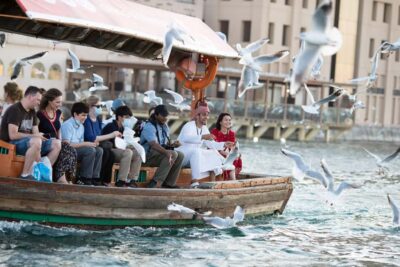
Old Town, Creek, Museums, Souks, & Street Food Tour
What we made of it →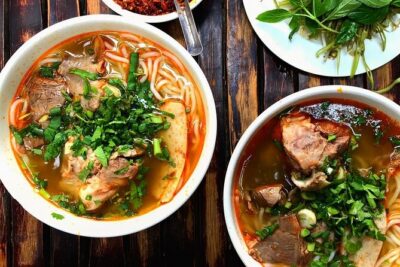
Ho Chi Minh City Street Food Tour & Sightseeing By Motorbike
What we made of it →
Comuna 13 Graffiti Tour, Cable Car & Street Food
What we made of it →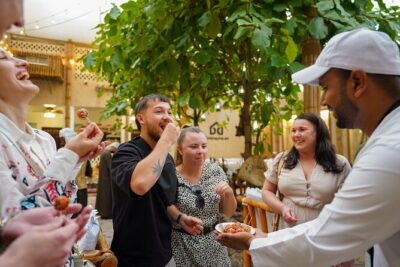
Old Town, Souks, Street Food, Guided Tour & Abra Ride
What we made of it →
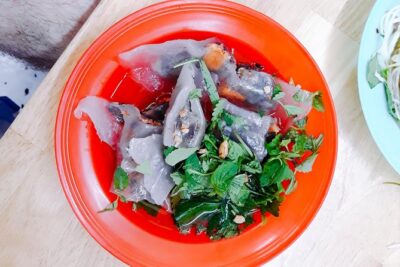
Small Group Hanoi Street Food Tour with a Real Foodie
What we made of it →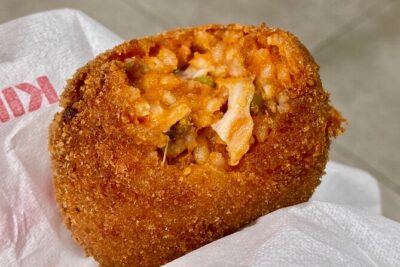
Saigon By Night and Street Food By Motorbike | Opt: Ao Dai Riders
What we made of it →Where this tour turns up