
Review · TOKYO
Matsushima Bay, Islands and Seafood Market day tour from Tokyo
Japan’s scenic coast is closer than it looks. This long day trip pairs a smooth Shinkansen ride with Matsushima Bay’s pine-covered islands, seafood market, and a Sendai dinner. I like the efficient rail connection and the chance to see several islands without arranging local trains, tickets, and meals yourself. The small group, capped at 11 people, also gives the day a more personal feel.
The main drawback is the length. At about 13 hours, with a 7:30 am start and a late return to Tokyo, this is a full day on the move. The optional bay cruise costs about $15 extra, and the schedule may feel rushed if you want long, quiet stretches on every island.
Key points to know before booking
- Matsushima is reached by Shinkansen: Your return Tokyo to Sendai train fare is included, along with local transport between Sendai and Matsushima.
- Three island stops offer different moods: Fukuura has a forest path and shrine, Oshima feels quiet and sacred, and Godaidō adds a classic Matsushima view.
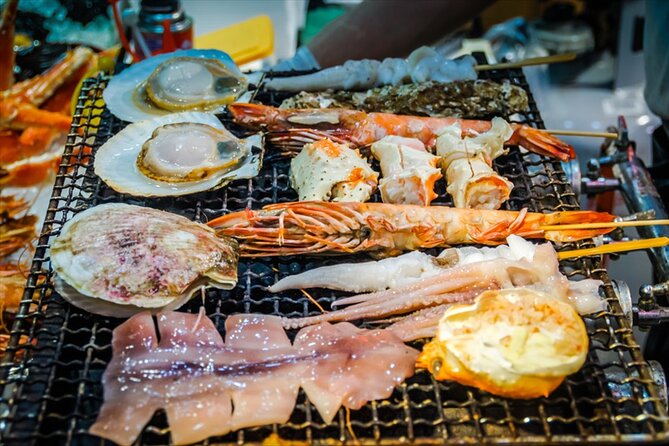
- Seafood is central to the day: Lunch is served near the fish market, with fresh and cooked local dishes.
- The bay cruise is optional: A local operator offers a boat ride for about $15, but this cost is not included.
- Dinner takes place in Sendai: You can enjoy an all-you-can-eat-and-drink meal or a set dinner before the evening train back to Tokyo.
- A small group helps with a complicated day: The group limit is 11, and guide Mickey has earned especially warm praise for looking after people during the rail journey.
Why Matsushima makes a worthwhile day from Tokyo
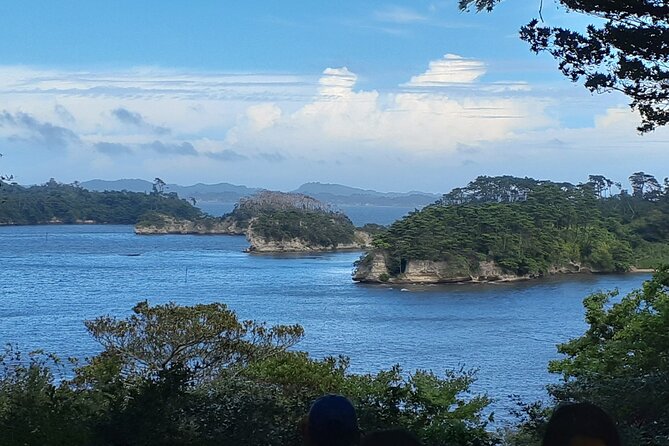
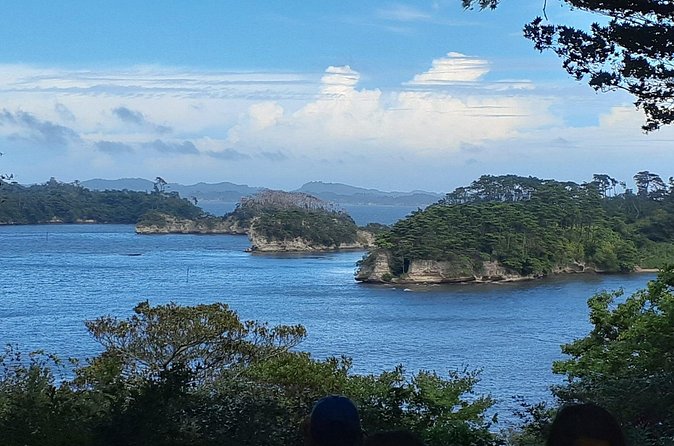
Matsushima Bay is known as one of Japan’s Three Most Scenic Views. Its appeal comes from the unusual mix of water, small pine-covered islands, bridges, temples, and open viewpoints. You are not visiting one single monument. You are moving through a collection of places that work together.
The bay contains about 260 pine-clad islets. From shore, you see them as scattered shapes across the water. From a boat, you get a better sense of how many there are and how different their forms can be. The optional cruise is therefore more than a spare activity. It gives you the broadest view of Matsushima, though it also adds another cost and may reduce your free time.
I like this trip because it removes much of the planning burden. You meet at Tokyo Station, board a Shinkansen for Sendai, use local transport to reach Matsushima, and return by rail after dinner. Japan’s train system is efficient, but changing between long-distance and local services can still take attention, especially on a day with several stops.
The price is $220 per person. That is not cheap, but it covers a return Shinkansen ticket, local transport, lunch, dinner, and island admission fees. For you, the value depends on how much help you want. If you already hold a Japan Rail Pass, the operator can coordinate ticket purchase and refund the Shinkansen portion of the tour cost. If you prefer to plan every train and meal yourself, you may find the price harder to justify.
Other street food tours people book around Tokyo:
- Tokyo: Tsukiji Fish Market Food and Culture Walking Tour
★ 4.7 · 757 reviews - Tsukiji Fish Market: Street Food & Culture Walking Tour
★ 5.0 · 669 reviews - Tsukiji Fish Market: Street Food & Culture Walking Tour
★ 4.8 · 259 reviews
Starting at Tokyo Station at 7:30 am
The day begins at Tokyo Station at 7:30 am. You should arrive with enough time to find the meeting point at 1 Chome-9 Marunouchi, in Chiyoda City. Tokyo Station is large, so a calm start matters. Keep your mobile ticket accessible, and avoid arriving at the last minute.
The included Shinkansen ride is one of the strongest practical features. The journey takes you directly toward Sendai, allowing you to settle in rather than deal with a rental car or a complicated highway trip. The train also gives the guide a natural chance to explain the plan and help the group stay together.
The small group limit matters here. A maximum of 11 people is far easier to manage at a major station than a large coach group. Guide Mickey has been singled out for making the train portion feel well organized and personal. One particularly kind detail from a previous trip was Mickey giving up a seat on the Shinkansen and standing so another person could sit. That sort of care can make a long day feel much easier.
Still, you should expect a busy schedule. This is not a slow rail excursion with hours to spare. The train ride, island walks, meals, and Sendai stop all need to fit into one day.
Matsushima Fish Market and a seafood lunch
The first main stop is Matsushima Fish Market, with about two hours set aside for the market and lunch. This is a good introduction to the area because food here is tied closely to the bay and the surrounding coastal region.
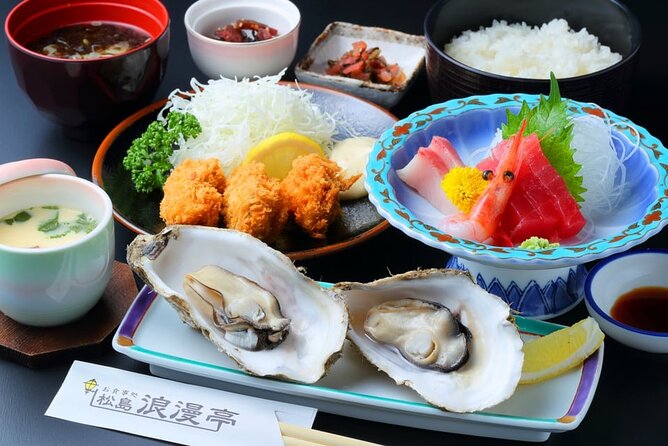
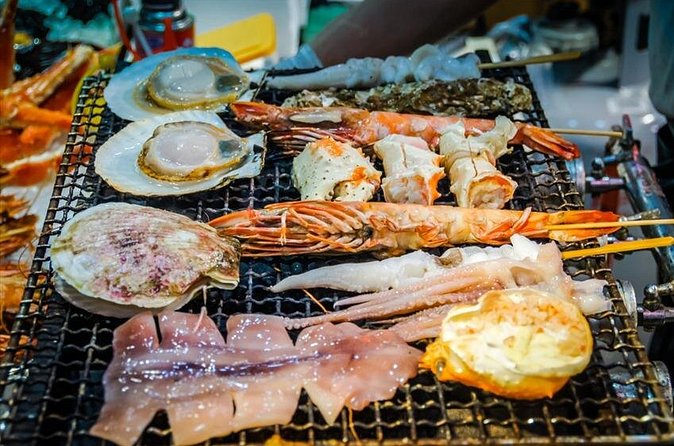
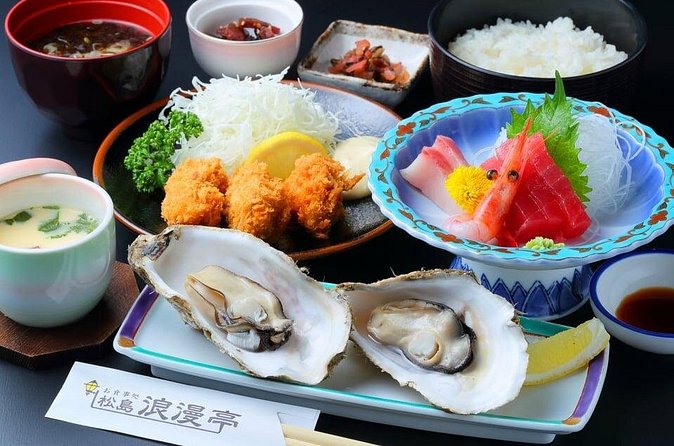
You can look over seafood vendors, see what is available locally, and eat at a nearby seafood restaurant. The included meal features fresh and cooked seafood and other local cuisine. That gives you a proper sit-down lunch rather than leaving you to search for food during a tight schedule.
The market stop should suit you if you enjoy seeing food before it reaches the table. It also helps you understand why Matsushima is more than a scenic photo stop. The area is shaped by the sea, and the meal gives the day a local flavor.
The limitation is choice. The included lunch is arranged as part of the group schedule, so you may not have the same freedom as you would in a self-guided visit. Additional snacks and drinks are not included. If you have food allergies or dietary restrictions, you should contact the operator in advance and be prepared for an alternative meal. A refund of the meal portion can be provided on location in those cases.
Fukuura Island and the long red bridge
Fukuura Island, also called Fukuurajima in the schedule, is reached by a long pedestrian bridge. The bridge itself is part of the experience. It carries you away from the mainland and toward a small island covered with trees, paths, and traditional religious sites.
You will have about an hour for the island. The walk includes a tiny island forest, a shrine, a temple, and views across Matsushima Bay. This is the kind of stop where you should slow down enough to notice the setting. The island is not about checking off one grand building. Its appeal is the combination of a narrow crossing, quiet paths, and water on all sides.
Admission to Fukuura is included. That is useful because the bridge and island access are part of the essential Matsushima experience, not an optional add-on.
The one-hour limit is worth keeping in mind. You can enjoy a short nature walk and see the main points, but you will not have unlimited time for photography or lingering. Wear shoes that are comfortable for walking. The tour involves bridges, paths, and repeated movement between sites, not just a quick step off a bus.
Same place, a different plate:
- Tokyo: Togoshi Ginza Street Food Tour
★ 5.0 · 34 reviews - Tokyo Street Food Tour – 7 Japanese Foods
★ 5.0 · 16 reviews - Tokyo: Private Tsukiji Fish Market Tour with 3 Food Stops
★ 5.0 · 9 reviews - Private Tokyo food scene 6 hour experience: Depatika, street food, izakaya
★ 5.0 · 9 reviews
Oshima Island, caves, and a quieter mood
Oshima offers a different atmosphere from Fukuura. It is associated with monks who used caves for meditation, and the island has a more secluded feel. You will have about an hour to explore.
The appeal here is quiet rather than spectacle. After the open views around the bay, Oshima gives you a chance to notice the religious side of Matsushima. The connection to meditation and monastic practice adds meaning to the scenery, even if your visit is brief.
Admission is included. As with Fukuura, the stop is designed to show you the main character of the island without turning the day into a long walking tour. If you enjoy temples, small sacred places, and settings with a strong sense of calm, Oshima may be your favorite stop.
You should not expect a detailed religious tour unless the guide provides extra explanation on the day. The supplied details promise access and time to visit, but not a specialist lecture. The experience works best if you are happy to look, walk, and take in the atmosphere at your own pace.
Godaidō and the classic Matsushima view
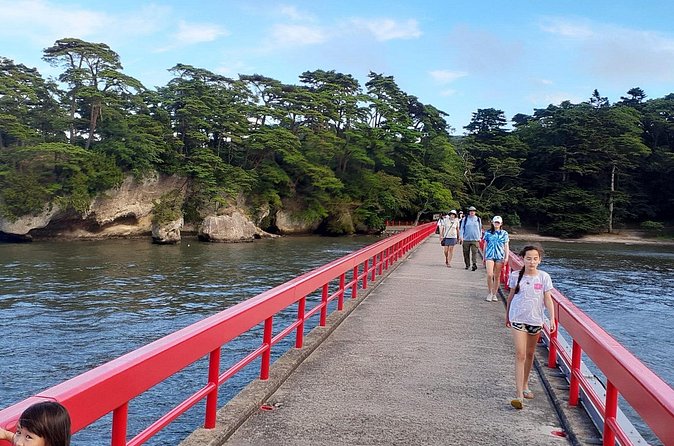
Godaidō is one of the key cultural sights associated with Matsushima Bay. The route includes an elegant vermilion bridge and access to the island setting. It gives you a traditional view of the bay and adds another layer to the island portion of the day.
The bright bridge provides a strong contrast with the dark green pine trees and blue water. It is also a reminder that Matsushima’s beauty is closely tied to its religious and historic sites. The islands are not just empty rocks scattered offshore. Shrines, temples, bridges, and paths give them shape and purpose.
The schedule gives about an hour for this part of the visit. That is enough for a focused look, but you will need to keep moving. The three island experiences overlap in scenery, so some people may prefer to skip the boat cruise and use that time for the islands. Others will consider the cruise essential because it shows the bay from a completely different angle.
The optional Matsushima Bay cruise
A local third-party operator offers a bay cruise for about $15. It is not included in the $220 tour price, and the cruise is optional.
I see the cruise as a good choice for anyone who wants the full geographic picture of Matsushima. Shoreline views show you only part of the bay. From the water, the 260 small islands become the main subject, and you can better understand why the area is celebrated for its scenery.
The tradeoff is simple: extra cost and less flexibility. The cruise is operated by a local partner rather than by the tour provider, so exact operation may depend on conditions and local availability. The tour requires good weather, and poor weather can lead to a changed date or a full refund. If the day is clear and you enjoy being on the water, the cruise is likely worth considering. If you prefer walking and temple visits, save the money and stay on land.
Sendai dinner before the return train
After Matsushima, the group heads to Sendai for dinner in the city center. You will have about two hours for an all-you-can-eat-and-drink meal or a course dinner, depending on the arrangement for your date.
This meal changes the rhythm of the day. Matsushima offers coast, islands, and temples. Sendai gives you an evening in a city neighborhood, with Japanese dining in an informal izakaya setting. The all-you-can-eat-and-drink option can be especially appealing if you want to try several dishes without calculating every order.
The dinner is included, as is the return Shinkansen ride to Tokyo. The description also notes that an eye-catching and tasty Japanese dinner can be enjoyed on the train ride back, so you should confirm with the guide how the meal is arranged on your departure date. The supplied details describe both dinner in downtown Sendai and food for the return journey, so the exact format may vary.
You should also remember that drinks and food outside the included meals are extra. If you do not drink alcohol, ask about the available nonalcoholic choices. Dietary restrictions can affect the meal, and the operator provides alternative arrangements or a refund of the meal portion when needed.
What the $220 price really covers
The $220 cost buys more than transportation. You are paying for a long-distance rail connection, local fares, island admission, lunch, dinner, and help with timing. On a complicated day, that structure can be worth a lot.
The Shinkansen is the biggest value item. You avoid purchasing a separate return ticket from Tokyo to Sendai and then working out the local route to Matsushima. The guide also helps coordinate the group at stations and between stops.
Lunch and dinner add practical value, though they reduce your freedom to choose restaurants. The included island access means you do not need to budget extra for the main pedestrian routes and island visits. The only major activity left outside the package is the optional bay cruise, at about $15.
I would call the price reasonable for a first visit if you want convenience and a guided day. I would hesitate if you have a rail pass, prefer independent meals, or dislike spending most of a day on a fixed schedule. In that case, the refund of the Shinkansen portion may improve the value, but the tour still requires an early start and a long return.
Who will enjoy this day most
This experience is a strong fit for you if:
- You are staying in Tokyo but want to see northern coastal scenery.
- You like combining trains, food, islands, and cultural sites in one day.
- You prefer a guide to handle public transport and timing.
- You want seafood without having to choose a restaurant on your own.
- You are comfortable walking across bridges and around island paths.
- You enjoy small-group tours more than large coach excursions.
It is less suitable if you want a relaxed pace, long independent shopping time, or a single destination with no evening travel. The 13-hour schedule is demanding. The start is early, and the return to Tokyo comes after dinner.
The trip is also a good option for people who want a taste of the Tohoku region without changing hotels. Matsushima and Sendai offer something different from Tokyo’s dense urban center, but you still sleep in Tokyo that night.
Timing, weather, and cancellation details
The tour begins at 7:30 am and ends back at the Tokyo Station meeting point. Confirmation is provided at booking, and the activity is near public transportation. Most people can participate, but the day includes walking, bridges, island paths, and several train transfers.
Free cancellation is available if you cancel at least 24 hours before the start time. Changes or cancellations made inside that window are not accepted for a refund. Bad weather can cause the tour to be canceled, in which case you are offered another date or a full refund. The same applies if the minimum number of people is not reached.
The tour has a maximum of 11 people, but the provided details do not state the minimum group size. For that reason, keep an eye on final confirmation and avoid building an important connecting plan around the exact return time.
Should you book Matsushima Bay from Tokyo?
Book it if you want a well-organized, full-day introduction to Matsushima and value the comfort of included trains, meals, local transport, and island admission. The small group and the care associated with guide Mickey are meaningful advantages on a day that involves several transfers.
Think twice if you want a slow visit or already feel confident arranging Japanese rail travel. The schedule is long, the optional cruise costs extra, and each island stop is fairly short.
For most first-time visitors with limited time in Japan, I think the trip makes sense. You get the bay from land, a chance to see it from the water, a seafood lunch, a Sendai dinner, and a direct ride back to Tokyo. Just start rested, wear comfortable shoes, and treat the day as a packed regional sampler rather than a leisurely escape.
FAQ
Where does the tour begin?
The tour begins at Tokyo Station, at 1 Chome-9 Marunouchi, Chiyoda City, Tokyo 100-0005, Japan.
What time does the tour start?
The scheduled start time is 7:30 am.
How long does the experience last?
The tour lasts approximately 13 hours and ends back at the Tokyo Station meeting point.
Is the Shinkansen fare included?
Yes. The tour includes a return Shinkansen ticket between Tokyo and Sendai. If you hold a Japan Rail Pass, the operator can coordinate ticket purchase and refund the Shinkansen portion of the tour cost.
Is lunch included?
Yes. Lunch includes fresh and cooked seafood and local cuisine at a restaurant near the Matsushima seafood market.
Is dinner included?
Yes. Dinner is included and may be an all-you-can-eat-and-drink meal or a course dinner in downtown Sendai. The tour information also describes Japanese food for the return train journey.
Does the tour include a Matsushima Bay cruise?
No. The cruise is optional and is operated by a local third-party provider. It costs about $15 and is not included in the tour price.
How many people can join the tour?
The tour has a maximum of 11 people.
What happens if I have food allergies or dietary restrictions?
You should consider an alternative meal arrangement. The provided information says a refund of the meal portion will be offered on location in such cases.
Just added around Tokyo
- Tsukiji Fish Market Street Food & Culture Walking Tour★ 5.0 · 8 reviews
- Ueno Park and Ameyoko Street Food Market Half Day Walking Tour★ 5.0 · 3 reviews
- Tokyo Fish Market Food Tour: Street Food & Friendly Guide★ 3.0 · 2 reviews
- Tokyo:Enjoy street food & Japanese food culture at Tsukiji Market★ 5.0 · 6 reviews
- Tokyo Street Food Tour – 7 Japanese Foods★ 5.0 · 16 reviews
- Tsukiji Fish Market: Street Food Tour with Tasting★ 5.0 · 4 reviews
- Tokyo: Private Tsukiji Fish Market Tour with 3 Food Stops★ 5.0 · 9 reviews
- Historic Kamakura: Temples, Shrines and Street Food Private Walking Tour★ 5.0 · 6 reviews
Tokyo Street Food Tours, compared.
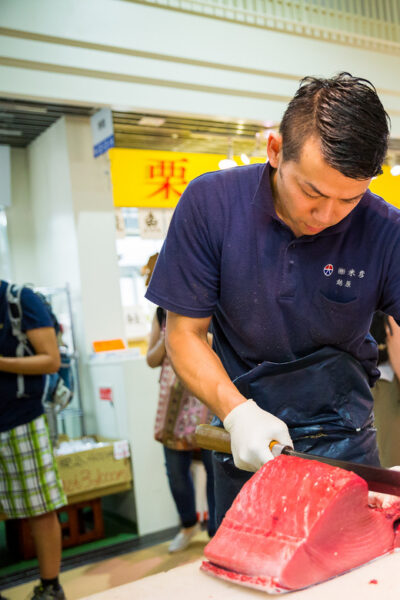
Tsukiji Fish Market Food and Culture Walking Tour
What we made of it →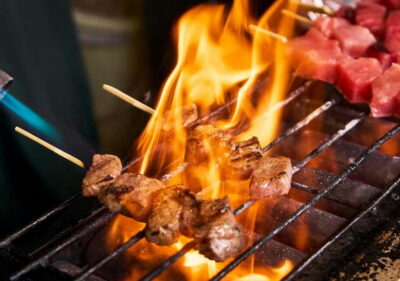
Tsukiji Fish Market: Street Food & Culture Walking Tour
What we made of it →Tsukiji Fish Market: Street Food & Culture Walking Tour
What we made of it →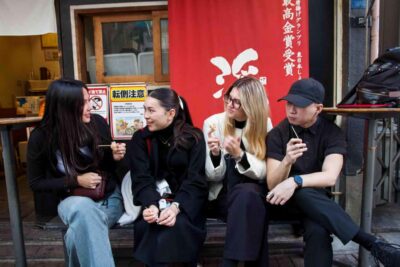
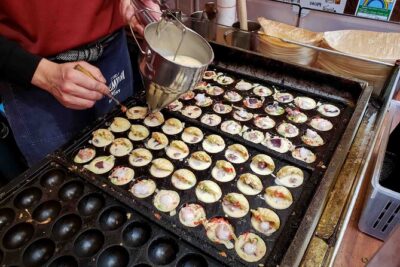

Private Tokyo food scene 6 hour experience: Depatika, street food, izakaya
What we made of it →
Private Tsukiji Fish Market Tour with 3 Food Stops
What we made of it →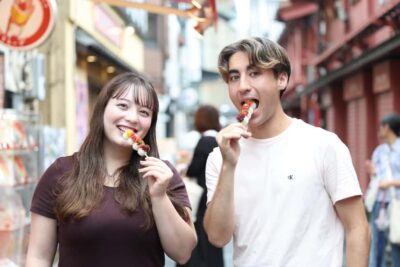
Sensoji Temple & Street Food: Private Tour with guide
What we made of it →Where this tour turns up