
Review · TOKYO
Tsukiji Fish Market: Street Food Tour with Tasting
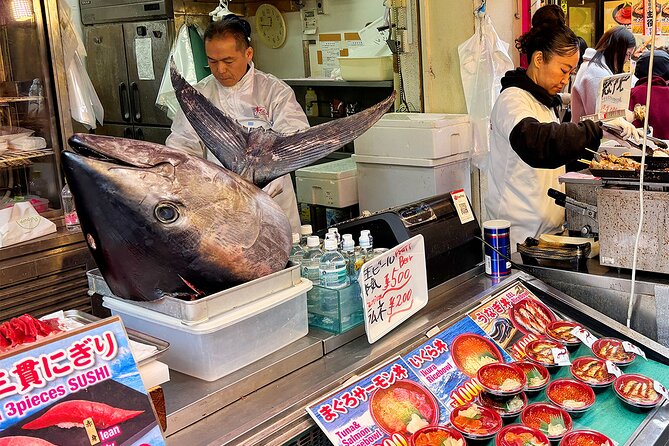
Fish, fire, and old Tokyo collide here. This two-hour walk through Tsukiji combines generous food tastings with a local guide who explains how Japanese cooks build flavor, preserve seafood, and respect their ingredients. I like the mix of premium sushi or a seafood bowl, Wagyu beef, tamagoyaki, eel, shumai, and dessert. I also like the special wasabi set, which gives you a simple way to taste how fresh wasabi changes raw fish.
The main consideration is the price: $97.55 per person is a serious spend for a two-hour food walk. The value depends on how much you care about guided explanations, the fish-cutting demonstration, and trying several high-value foods in one sitting. The market can also be busy, so this is not a slow, quiet meal.
Key points to know before you go
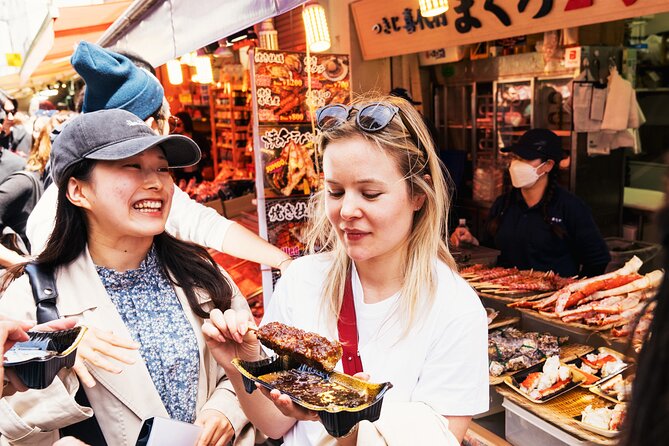
- The tasting menu covers far more than fish: You may have sushi or a seafood rice bowl, Wagyu beef skewer, Wagyu menchi katsu, tamagoyaki, grilled eel, shumai, and a strawberry dessert.
- Fresh wasabi gets special attention: The guide provides a wasabi set designed to sharpen and change the flavor of raw fish.
- The fish-cutting show is the tour’s signature moment: A chef fillets a whole fish with traditional technique before you enjoy a fresh seafood bowl.
- The tour includes four short stops: You spend time in Tsukiji Jogai Market, the working fish-market area, and Tsukiji Hongwanji Temple.
- Small groups keep the walk manageable: The maximum group size is 15 people.
- Two guides have earned special praise: Kawa is good at steering through crowded lanes and adapting food choices, while Tomo helps ask stall owners follow-up questions.
Why Tsukiji works so well for a food tour
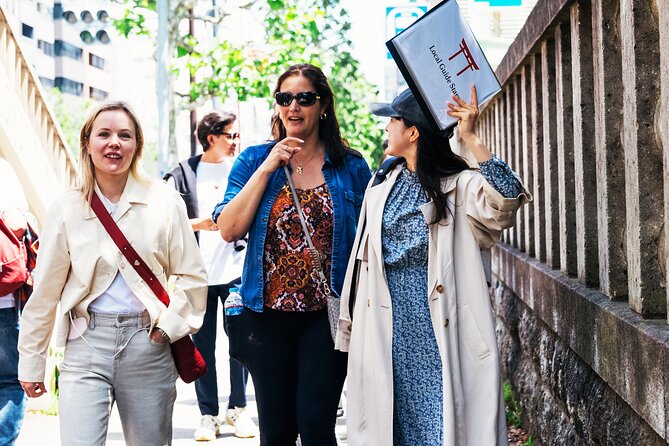
Tsukiji is not just a place to grab one snack and leave. It is a working food district where seafood sellers, cooks, traders, and small shops operate close together. That makes it a useful setting for learning how Japanese food reaches the table.
I like that this tour puts food knowledge beside actual tasting. You are not simply handed a plate and given a list of ingredients. The guide explains artisan techniques, methods used to preserve food, and ways that preparation can bring out umami. Those details give your meal some context without turning the outing into a lecture.
The tour also gives you several different forms of Japanese cooking in a short period. You move from raw seafood to grilled eel, from a sweet omelette to a fried Wagyu cutlet, and from dumplings to dessert. That range matters because it lets you compare texture and seasoning rather than judging Japanese cuisine from one sushi bite.
The experience lasts about two hours. That is long enough for a focused introduction, but short enough to fit into a busy Tokyo day. I would place it in a morning or early-day schedule, leaving yourself room afterward for more independent exploring in the Tsukiji area.
More Street Food Tours in Tokyo:
- Tsukiji Fish Market: Street Food & Culture Walking Tour
★ 5.0 · 669 reviews - Tsukiji Fish Market: Street Food & Culture Walking Tour
★ 4.8 · 259 reviews - Tokyo: Togoshi Ginza Street Food Tour
★ 5.0 · 34 reviews
Meeting at Tsukiji Hongwanji Temple
The tour begins at the main hall of Tsukiji Hongwanji Temple, at 3-chōme-15-1 Tsukiji. This is a practical meeting point near public transportation, and it gives the tour a cultural opening before food takes over.
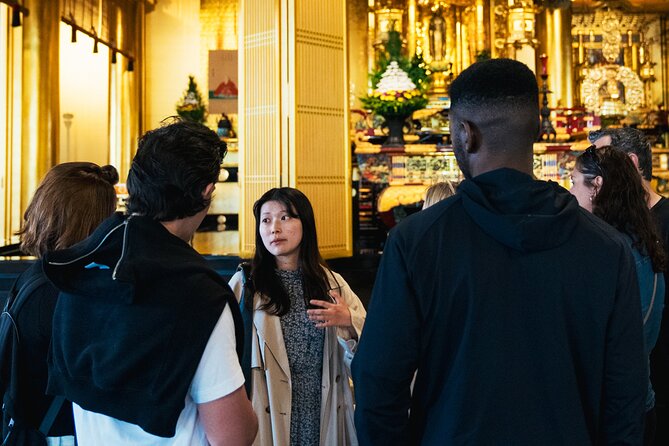
You first enter the temple with your local guide and spend about 15 minutes learning about its Buddhist culture and history. That short visit adds useful balance. Tsukiji is famous for food, but the neighborhood also has a spiritual side, and the temple helps place the market within the wider character of Tokyo.
Do not expect a full temple tour. Fifteen minutes is enough for an introduction to the building and its meaning, not a detailed religious study. I see this as a good starting point because it gives you something to notice beyond stalls and snacks.
The meeting point is also the ending point. That makes the tour easy to pair with your own Tsukiji plans. You can continue eating and shopping nearby after the guide finishes, though no extra stops are promised as part of the experience.
Tsukiji Jogai Market and the first tastings
Most of the food exploration takes place around Tsukiji Jogai Market, the outer market district. The first section lasts about 45 minutes and is built around street food, local explanations, and a special tasting set provided by the guide.
This is where the tour’s variety begins. The planned foods include:
- Premium sushi or a seafood rice bowl
- A Wagyu beef skewer
- Wagyu menchi katsu
- Tamagoyaki, a sweet Japanese omelette
- Grilled eel
- Shumai, a dumpling
- A strawberry dessert
That is a substantial list for a two-hour experience. It also means the food is not limited to raw seafood. If you prefer cooked dishes, the Wagyu, eel, omelette, and dumpling give you plenty to look forward to.
The exact choice between premium sushi and a seafood rice bowl may depend on the food arrangements at the time of your visit. The information provided does not promise a particular option for every booking, so I would treat both as part of the planned format rather than assume you will receive both.
The special wasabi set is one of the more unusual details. Wasabi is often treated as a small side item, but here it becomes part of the lesson. The guide uses it to show how the flavor of raw fish can change when paired with a sharper, fresher condiment. If you usually ignore wasabi, this is a reason to pay attention.
The food list sounds generous, but pace matters. Seven tasting elements can feel quick if you want to stop at every stall, ask questions, and eat slowly. I would approach the first 45 minutes as an active tasting walk, not as a long sit-down breakfast.
The whole-fish cutting demonstration
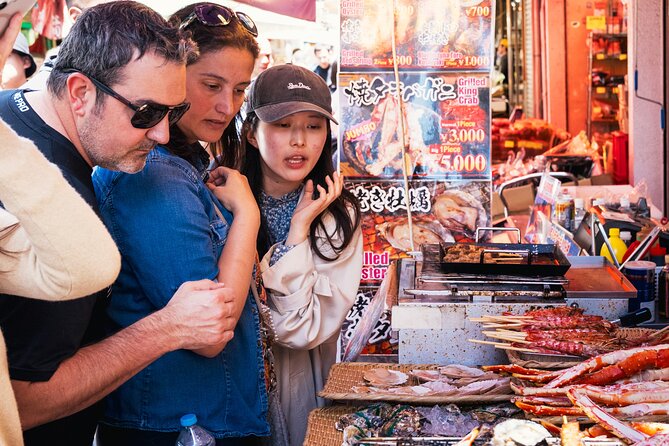
The second stop remains in Tsukiji Jogai Market and lasts about 30 minutes. Its main feature is a fish-cutting demonstration, where a skilled chef fillets a whole fish using traditional techniques.
This is more than a performance with a knife. Fish preparation affects appearance, texture, and how the food is served. Watching a whole fish become prepared portions gives you a clearer sense of the care behind a dish that might otherwise arrive at your table looking effortless.
After the demonstration, you enjoy a fresh seafood bowl. That timing is smart. You see the craft first, then taste the result while the explanation is still fresh in your mind. I find that kind of before-and-after pairing more useful than a demonstration that has no connection to the meal.
The show is also likely to be the most fixed part of the experience. Unlike the street-food section, where Kawa is praised for allowing some flexibility with food choices, the fish-cutting portion follows a specific format. That is helpful if you want structure, though it gives you less control over the pacing.
Same place, a different plate:
- Tokyo: Tsukiji Fish Market Food and Culture Walking Tour
★ 4.7 · 757 reviews - Tokyo Street Food Tour – 7 Japanese Foods
★ 5.0 · 16 reviews - Tokyo: Private Tsukiji Fish Market Tour with 3 Food Stops
★ 5.0 · 9 reviews - Private Tokyo food scene 6 hour experience: Depatika, street food, izakaya
★ 5.0 · 9 reviews
Seeing Tsukiji as a working market
The third stop lasts about 30 minutes and takes you into the fish-market setting where professional traders operate. This is important because it shifts your attention from eating to the market’s working purpose.
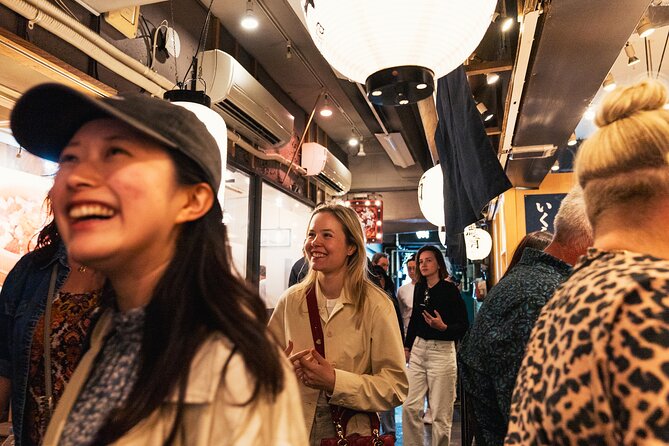
You get to see the commercial side of Tsukiji, not only the stalls aimed at people looking for snacks. The atmosphere may feel busy, and you will need to stay with the guide in narrow or crowded areas. Kawa has been praised for moving through the market confidently, which is a real advantage in a place where first-time visitors can lose their bearings.
This part should appeal to you if you want to understand how the market functions. If your only goal is to eat, 30 minutes may seem like time taken away from the tasting. I think it earns its place because the food makes more sense when you see the setting where seafood is traded and handled.
The group limit of 15 people is reasonable for a market walk. It is not a private tour, but the number is small enough for a guide to keep the group together and respond to questions. A larger group would be harder to manage in a working food district.
Guide style: flexibility matters
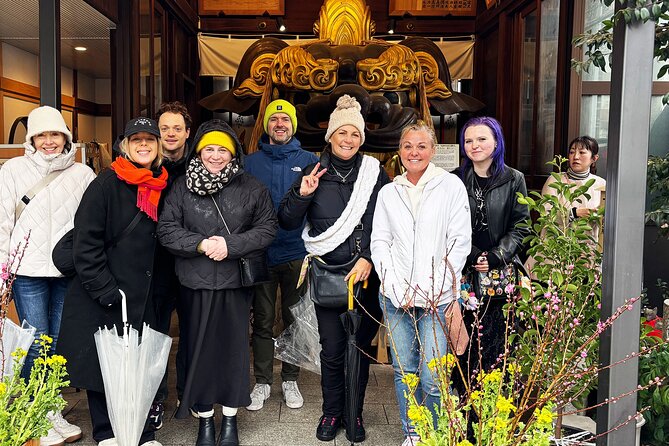
The guide can make or break a food tour, especially in a crowded market. Kawa gets particular credit for navigating Tsukiji smoothly and allowing flexibility with food choices. That suggests a practical, responsive style rather than a rigid march from one tasting to the next.
Tomo brings a different strength. She explains the foods being seen and tasted, then asks stall owners additional questions on your behalf. That is useful when you do not speak Japanese or when you want more than the basic description of a dish.
I would pay attention to which guide leads your departure, since the experience may feel slightly different depending on the person. Both examples point to guides who do more than point out food. They help you communicate with vendors and connect the ingredients to Japanese food culture.
Still, the tour is not presented as a private custom food crawl. With up to 15 people, the guide must balance individual questions with the group schedule. If you want to spend a long time at one shop or choose every bite yourself, an independent visit may give you more freedom.
Is $97.55 a fair price?
At $97.55 per person, the tour costs more than simply visiting Tsukiji and buying a few snacks on your own. You are paying for several tastings, a guide, the fish-cutting show, cultural interpretation, and the convenience of having the food route organized.
The menu helps support the price. Premium sushi or a seafood bowl, Wagyu, eel, and several additional dishes can add up quickly. The tour also gives you a chance to taste foods in a planned sequence rather than guessing which stalls are worth your money.
The value is strongest if you are visiting Tokyo for a limited time and want a guided introduction without spending half a day researching every stall. It is weaker if you are comfortable ordering independently, already know Tsukiji well, or mainly want one inexpensive breakfast.
I would also consider the educational value. Learning about preservation, umami, food craftsmanship, and wasabi gives you tools to understand other Japanese meals later in your trip. That is harder to price than a single bowl of rice, but it can make the experience worthwhile.
The small group size helps. You are not paying for a giant walking crowd, and the tour has enough structure to keep the two hours moving. I would still compare the price with your overall Tokyo food budget before booking.
Who should book this Tsukiji experience?
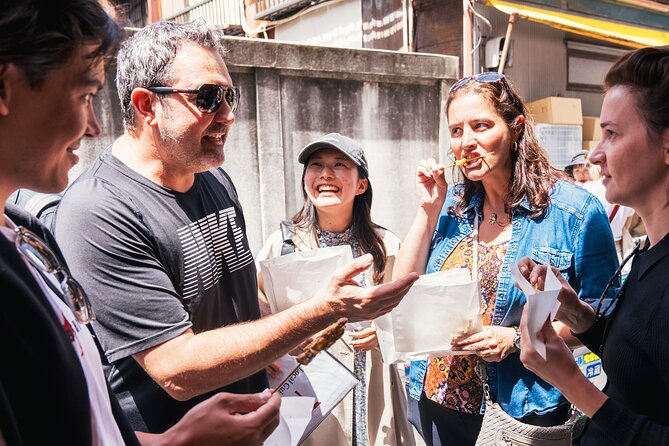
I think this tour suits first-time Tokyo visitors who want an easy introduction to Tsukiji and do not want to plan every tasting themselves. It also fits food-focused visitors who enjoy hearing how ingredients are prepared, preserved, and served.
It is a good match for people who want both cooked and raw food. The sushi or seafood bowl covers the seafood centerpiece, while Wagyu, tamagoyaki, eel, and shumai provide alternatives. The strawberry dessert gives the tasting a sweet finish.
You should also consider it if you value human help at the market. Tomo’s habit of asking stall owners extra questions and Kawa’s ability to handle crowded lanes are practical benefits, especially if you are not comfortable navigating Japanese food stalls alone.
I would be more cautious if you want a relaxed meal, a large amount of food, or total control over the menu. The experience moves through several stops in two hours, and the precise food selection may have some flexibility. It is a guided tasting walk, not a long restaurant lunch.
Most travelers can participate, and the tour is near public transportation. A mobile ticket makes entry simple, while the 15-person maximum keeps the group from becoming unwieldy.
Cancellation and planning details
You receive confirmation when you book, and free cancellation is available up to 24 hours before the start time. Cancel at least 24 hours ahead for a full refund. Cancellations or changes made within 24 hours are not refunded or accepted, and the cutoff uses Tokyo local time.
Because the tour ends where it begins, it is easy to continue exploring Tsukiji afterward. The main hall of Tsukiji Hongwanji Temple is the stated meeting point, so allow enough time to find that location before the start.
The tour is typically booked 16 days ahead. That does not guarantee every date will sell out, but it suggests you should not leave it until the last moment if your Tokyo schedule is fixed.
Should you book it?
Book this tour if you want a compact, guided introduction to Tsukiji with a serious amount of food. The best reasons are the broad tasting menu, the fresh-wasabi lesson, the whole-fish cutting demonstration, and guides who can help you handle a crowded market.
Skip it if you prefer wandering independently or if $97.55 feels too high for a two-hour outing. For many first-time visitors, though, the combination of food, market activity, craftsmanship, and temple culture gives the price a fair case. I would book it early, arrive at Tsukiji Hongwanji Temple ready to walk, and treat the two hours as a fast but flavorful introduction to one of Tokyo’s great food districts.
FAQ
How long does the Tsukiji Fish Market food tour last?
The tour lasts approximately two hours.
Where does the tour meet?
The meeting point is the main hall of Tsukiji Hongwanji Temple at 3-chōme-15-1 Tsukiji, Chuo City, Tokyo 104-0045, Japan.
Where does the tour end?
The activity ends back at the meeting point at Tsukiji Hongwanji Temple.
What food is included?
The planned tastings include premium sushi or a seafood rice bowl, a Wagyu beef skewer, Wagyu menchi katsu, tamagoyaki, grilled eel, shumai, and a strawberry dessert.
Is there a fish-cutting demonstration?
Yes. A skilled chef fillets a whole fish using traditional techniques, followed by a fresh seafood bowl.
Does the tour visit Tsukiji Hongwanji Temple?
Yes. About 15 minutes are spent at the temple learning about its Buddhist culture and history.
How large is the tour group?
The tour has a maximum of 15 travelers.
What is the cancellation policy?
You can cancel at least 24 hours before the start time for a full refund. Cancellations or changes made less than 24 hours before the start time are not accepted, and the amount paid is not refunded.
Just added around Tokyo
- Tsukiji Fish Market Street Food & Culture Walking Tour★ 5.0 · 8 reviews
- Tokyo Fish Market Food Tour: Street Food & Friendly Guide★ 3.0 · 2 reviews
- Ueno Park and Ameyoko Street Food Market Half Day Walking Tour★ 5.0 · 3 reviews
- Tokyo:Enjoy street food & Japanese food culture at Tsukiji Market★ 5.0 · 6 reviews
- Tokyo Street Food Tour – 7 Japanese Foods★ 5.0 · 16 reviews
- Matsushima Bay, Islands and Seafood Market day tour from Tokyo★ 5.0 · 2 reviews
- Tokyo: Private Tsukiji Fish Market Tour with 3 Food Stops★ 5.0 · 9 reviews
- Historic Kamakura: Temples, Shrines and Street Food Private Walking Tour★ 5.0 · 6 reviews
Street Food Tours, compared.

Old Town, Creek, Museums, Souks, & Street Food Tour
What we made of it →
Ho Chi Minh City Street Food Tour & Sightseeing By Motorbike
What we made of it →
Comuna 13 Graffiti Tour, Cable Car & Street Food
What we made of it →
Old Town, Souks, Street Food, Guided Tour & Abra Ride
What we made of it →
Small Group Hanoi Street Food Tour with a Real Foodie
What we made of it →
Saigon By Night and Street Food By Motorbike | Opt: Ao Dai Riders
What we made of it →Where this tour turns up