
Review · JAPAN
Fukuoka: Nakasu Food Stall Private Guided Tour with Tastings
Fukuoka feeds you after dark. This two-hour private tour brings you into Nakasu’s yatai food-stall culture, where you can try ramen, oden, yakitori, and stewed dishes without worrying about Japanese menus or ordering. I like the local focus, and I also like having a guide explain the food, the stall owners, and the story of the area.
The guide’s local connections can make the evening feel more personal than simply walking up to a stall alone. Morry is praised for his magic tricks and easy conversation, while Aya has worked at a yatai herself. The main drawback is timing: some stalls may not be ready at the earliest starting time, and bad weather can reduce the number of outdoor stalls available.
Key points to know before booking
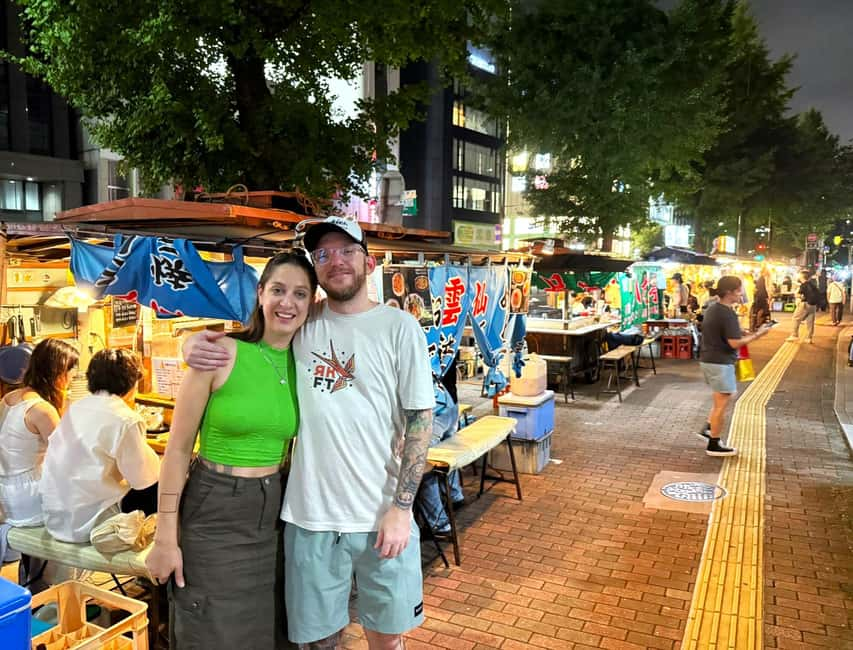
- Two hours at Nakasu’s yatai: The tour begins and ends at FamilyMart Tenjin 1-chome, with food tasting and sightseeing around Nakasu.
- Two stall visits are highlighted: You receive a 1,000 yen food and drink subsidy per stall, with the tour information specifically referring to tasting at two stalls.
- English-speaking private guide: You get help with ordering, local customs, and conversation, without needing to manage the language barrier alone.
- Local dishes rather than one big meal: Expect small tastes of foods such as oden, yakitori, ramen, and stewed specialties.
- Guide quality is a major strength: Morry, Manabu, Rie, Shota, and Aya have all led highly praised tours, with several guides tailoring the evening to food interests.
- Bring cash and comfortable shoes: Smoking is not allowed, and the stalls may involve waiting in line or walking between stops.
Why Nakasu is the right place for a food tour

Nakasu sits along the river between the historic areas of Hakata and Fukuoka. At night, its food stalls create a very different mood from a standard restaurant meal. You sit close to other diners, watch food being prepared in a compact space, and get a quick taste of Fukuoka’s everyday eating culture.
I like this setting because the stalls are not just food counters. They are social places. You may find locals eating beside visitors, and the limited seating encourages conversation. That closeness can feel awkward if you do not know the customs or the language. A private guide helps smooth out those first few minutes.
The tour also gives you context. Your guide explains how the stalls fit into Fukuoka’s food culture and points out details you could easily miss while searching for a seat or studying a menu. This is especially useful if you are visiting Japan for the first time or if you want more than a quick bowl of ramen.
Other street food tours people book around Japan:
- Hungry Osaka Street Food Tour:15 Tastings & 3 Drinks with a Local
★ 5.0 · 1,727 reviews - Tokyo: Tsukiji Fish Market Food and Culture Walking Tour
★ 4.7 · 757 reviews - Hungry Osaka Street Food Tour: 15 Dishes & 3 Drinks
★ 4.9 · 694 reviews
Meeting at FamilyMart Tenjin 1-chome
The meeting point is in front of FamilyMart Tenjin 1-chome. Look for a guide holding a yellow sign marked DeepExperience. This is a simple arrangement, but pay attention to the exact FamilyMart because convenience stores are common in central Japanese neighborhoods.
The tour returns to the same place after two hours. That makes the outing easier to fit into an evening plan. You can meet, eat, and finish at a known location rather than trying to find a restaurant or station in an unfamiliar part of town.
Your guide may explain the plan at the start. One useful detail from the feedback is that Morry clearly shared his plan with the group before setting off. That small bit of organization matters when the evening includes queues, changing stall availability, and several possible food stops.
The first walk through Nakasu
The walking portion is not filler. It gives your guide time to explain the area and helps you see how Nakasu changes after dark. The route includes sightseeing and a photo stop before or around the food visits, so you get more than a series of meals.
This is also where a private tour earns its price. Your guide can adjust the conversation to your interests. You might ask about Fukuoka’s food traditions, the difference between Hakata and Fukuoka, or what to order at a particular stall. Shota is praised for giving restaurant recommendations beyond the stalls and for tailoring the evening to a group’s food interests.
I would use this time to ask practical questions. Ask which dishes are local favorites, how the ordering works, and which foods are best saved for later in your trip. A good guide can turn a short walk into a useful introduction to eating in Fukuoka.
The first yatai stop: small space, quick service
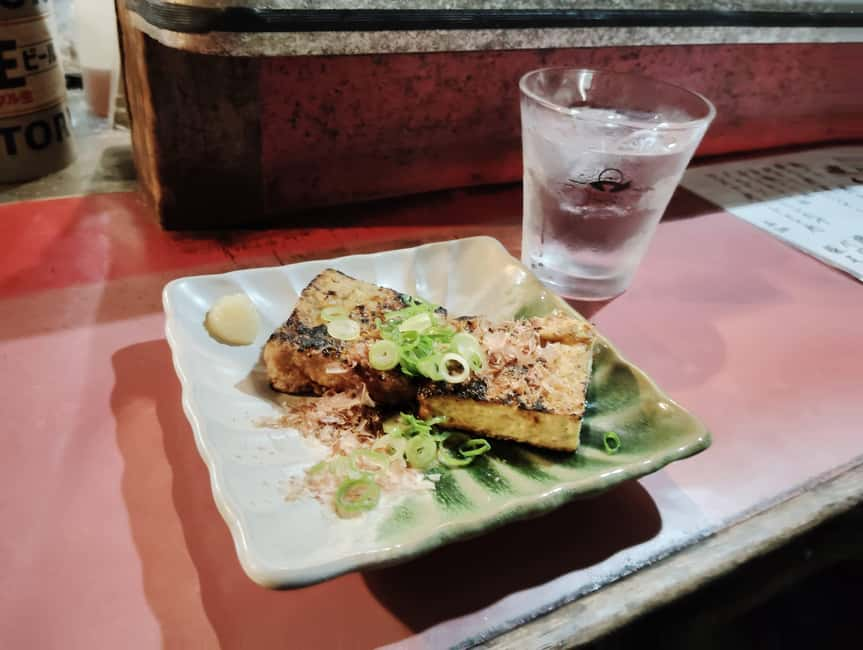
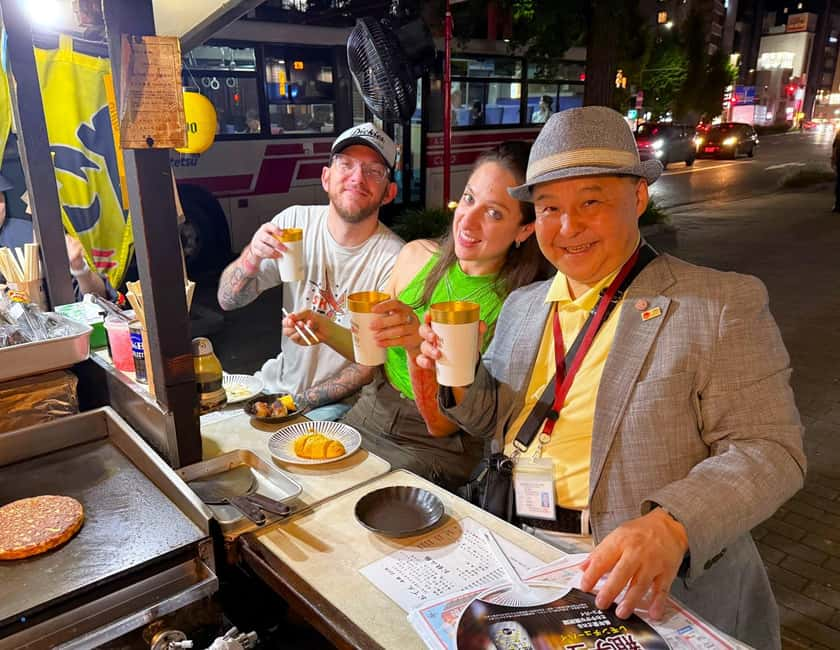
The first stall is where the tour becomes hands-on. Yatai kitchens are small, and dishes are served quickly. You may try oden, skewered items, or a stewed specialty, depending on the stall and what is available that night.
Oden is a good example of why guided tasting helps. The dish can include several simmered ingredients, and you may not know what you are choosing from a menu. Your guide can explain the options and help you order without turning the meal into a guessing game.
Yakitori offers a different taste. It is familiar enough for many people, but the stall setting gives it a more social feel than a standard restaurant. You can watch the food being cooked close by and compare the flavors with the other dishes served during the evening.
The 1,000 yen food and beverage subsidy per stall helps control the cost. It is not a promise of an unlimited meal, so I would treat it as a tasting allowance rather than a full dinner budget. If you want extra drinks or more food, bring cash for additional spending.
Same place, a different plate:
- Tsukiji Fish Market: Street Food & Culture Walking Tour
★ 5.0 · 669 reviews - Tsukiji Fish Market: Street Food & Culture Walking Tour
★ 4.8 · 259 reviews - [1 Group Only] Osaka Street Food Tour for Family
★ 5.0 · 208 reviews - Umami Town Street Food Tour
★ 5.0 · 120 reviews
Waiting in line is part of the evening

Popular stalls can have queues. That is one reason a guide is useful, especially if you are unsure how the line works or where to wait. Several guides have kept the time enjoyable while groups waited, and Morry is especially noted for close-up magic and mentalist tricks.
That detail may sound unusual for a food tour, but it solves a real problem. Two hours can pass quickly when you are tasting food and talking. It can feel much longer if you stand silently beside a crowded stall.
Still, a queue means you may spend less time eating than expected. The tour is best for people who enjoy the atmosphere and conversation, not for anyone trying to consume a large amount of food in a strict schedule.
The second stall and the famous ramen stop
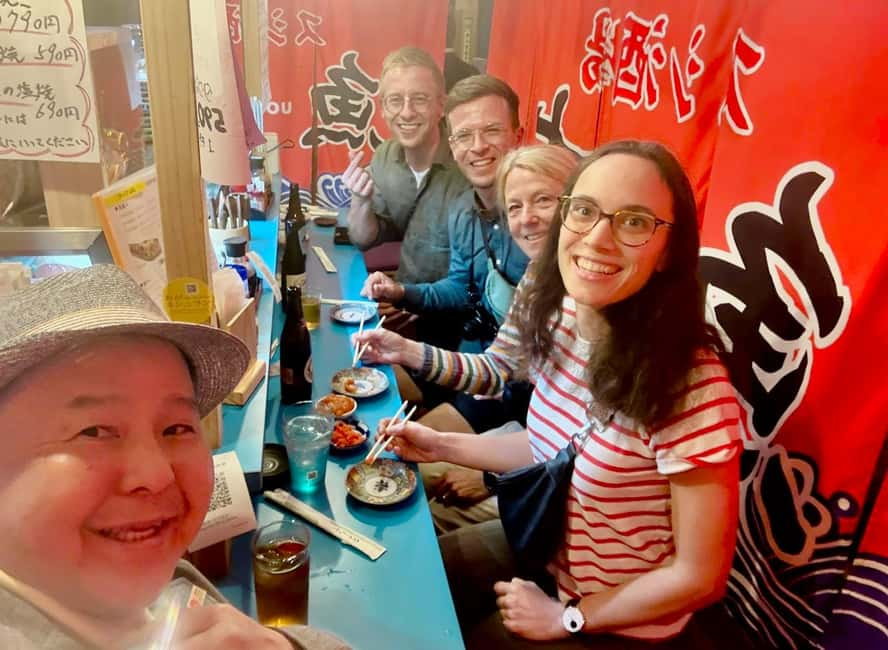
The second stop gives you another chance to compare styles. You might move from oden or yakitori to ramen, or try a different type of stewed dish. The exact menu depends on the stalls operating that night, so you should think of the food list as a guide to the possibilities rather than a fixed tasting menu.
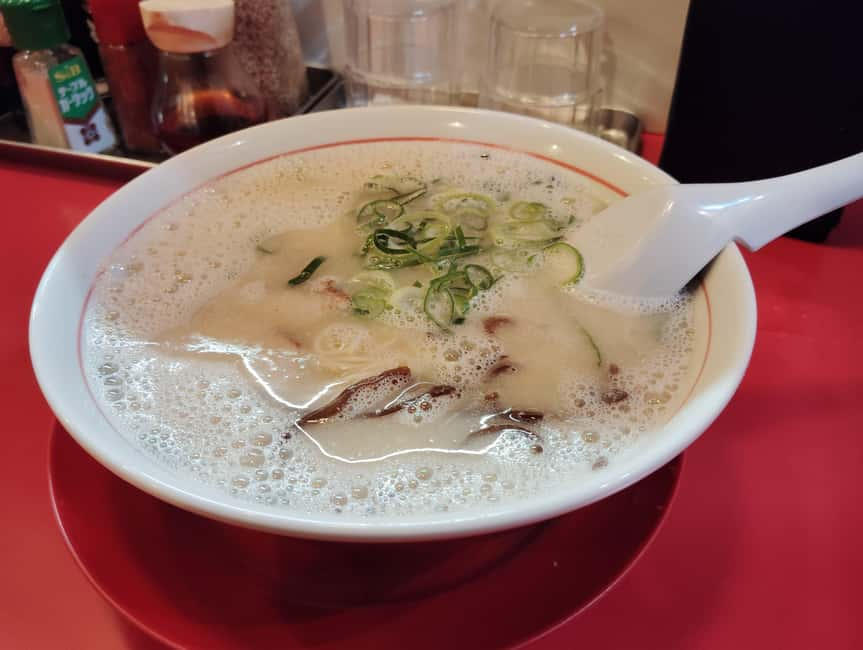
Ramen appears to be a highlight for many people. One evening included a long wait for a particularly good bowl, and the ramen was described as the best part of the meal. That is useful advice: the stalls may be most memorable for the setting, but one dish can become the star.
At the same time, do not book this expecting every item to be a culinary masterpiece. One candid account found the atmosphere more impressive than some of the food, with ramen making the strongest impression. That is a fair way to approach the tour. You are buying access, explanation, and a relaxed introduction to yatai dining, not a luxury tasting menu.
What the 1,000 yen subsidy really means
The advertised price is $101 per person. That is a serious cost for two hours of food and guiding, so the value depends on how much you want from the experience.
The food allowance reduces your direct spending at each stall. With two stalls highlighted, the advertised subsidy works out to 2,000 yen in food and drink credit if both stops follow that plan. The larger value comes from having a private English-speaking guide who can choose suitable stalls, explain what you are eating, and help you interact with locals.
I would not choose this tour if your main goal is the cheapest possible meal. You can eat for less by visiting a stall independently. I would choose it if you see the first yatai visit as a cultural experience and want a confident introduction before trying more stalls alone.
Benjamin’s experience captures that benefit well: after the tour, he felt ready to visit a food stall independently. That is a useful measure of success. The tour can give you the confidence to return later without a guide.
The guides make the biggest difference
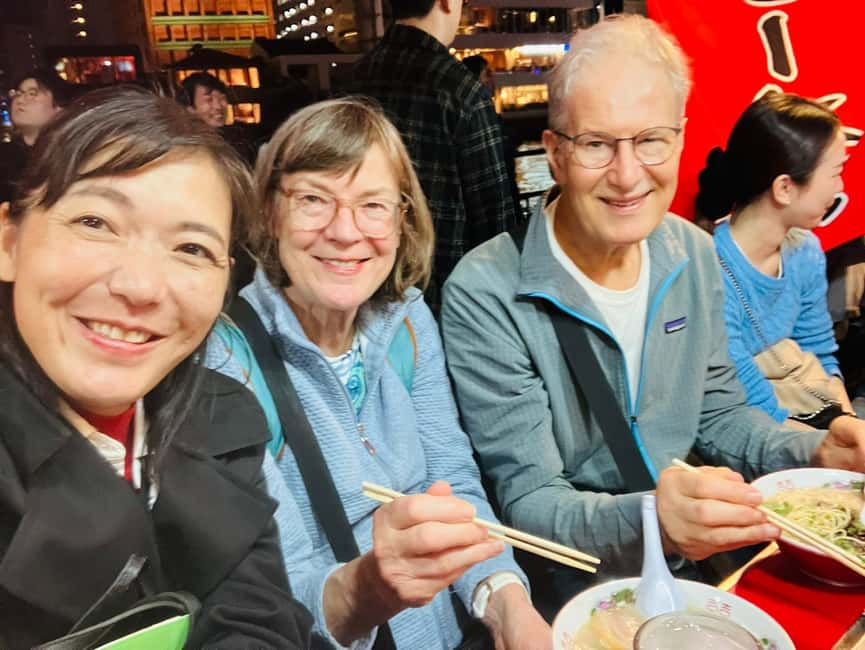
The strongest pattern in the feedback is the quality of the guides. Morry is repeatedly praised for his humor, local knowledge, hospitality, and magic. He has also helped with practical problems, including meeting a group after a delayed flight and taking them to stalls away from the most tourist-focused areas.
Manabu is described as thoughtful and good at showing people local food spots. Rie is praised for her clear English and friendly style. Shota is a good match for people who want broader restaurant advice, while Aya brings first-hand experience from working at a yatai.
Because this is a private group, the guide can spend more time on your questions than on keeping a large mixed group moving. That works well for couples, families, solo visitors, and small groups with different food interests.
The guide’s personality matters, though. If you prefer to eat quietly and move on without much conversation, the social style may feel like too much. If you enjoy stories, local recommendations, and a bit of entertainment while waiting, it is a strong fit.
Weather, opening hours, and the early start
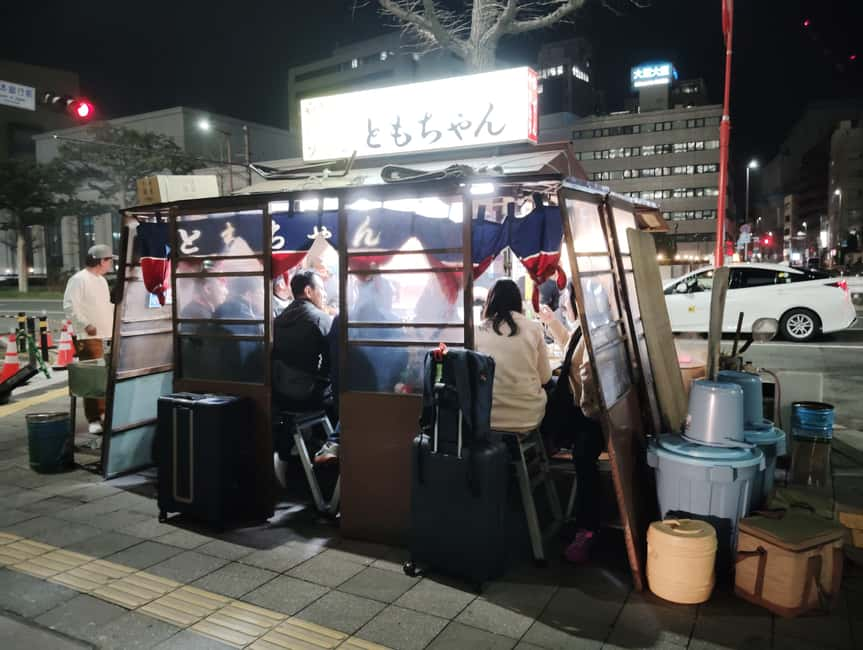
The main practical weakness is timing. One early tour began before some stalls had fully opened, since several were still being set up after 6 p.m. Your guide may adjust the plan, but the published early start does not always match the rhythm of the yatai.
I would check the available start time carefully and, if possible, choose a later option. That gives more stalls time to open and may improve your choice of stops.
Weather also matters. Rain can reduce the number of outdoor stalls operating. On one wet evening, the group moved to an indoor location and still had a good time, but the experience felt less like a classic outdoor yatai night. Another account noted that poor weather made the available stalls more limited, although it also created a cozy mood.
The tour is not cancelled by your wish for perfect conditions. You should book it knowing that the final route depends on what is open and workable that night.
Language help and local interaction
The tour is designed for English speakers. That does not mean every interaction will become a long conversation, but your guide can handle the ordering and explain what is happening around you.
This is valuable because yatai seating and ordering may feel unfamiliar. You can ask about ingredients, portion sizes, and suitable choices before ordering. A guide can also help you avoid accidentally taking a seat or ordering in a way that does not suit the stall.
The local contact is part of the appeal. Several guides know the stall owners, and the food visits can feel more personal when the guide introduces you or explains the stall’s background. I would still keep expectations realistic. The stalls serve many people, and the pace may be quick.
Who should book this two-hour tour
I would recommend it most strongly to:
- First-time visitors to Fukuoka who want an easy introduction to yatai dining
- Solo visitors who would rather not approach a compact food stall alone
- Couples and small private groups who enjoy conversation and local stories
- People who want to try several dishes instead of ordering one full meal
- Visitors who need English-language help with menus and ordering
- Food fans who want restaurant suggestions for the rest of their stay
I would be more cautious if you have strict dietary requirements. One guide successfully adapted dishes for a non-strict vegetarian, but the supplied information does not promise a fixed vegetarian, vegan, allergy-safe, or halal menu. Contact the provider before booking if your diet is strict.
You should also reconsider if you dislike queues, shared seating, outdoor conditions, or spontaneous changes. The yatai experience is compact and social. That is the charm, but it is not a polished restaurant setting.
Practical details for a smoother evening
Wear comfortable shoes. You will walk through Nakasu and may stand while waiting for a stall.
Bring cash. The subsidy covers part of the food and drink cost, but extra orders may require payment, and cash is specifically recommended.
Bring a camera if you want photos of the stalls and the evening streets. Ask before photographing people closely, especially inside the small seating areas.
Smoking is not allowed on the tour. That is useful to know before you arrive, since outdoor food areas can otherwise have different local customs.
The activity offers free cancellation up to 24 hours before the start for a full refund. You can also reserve now and pay later, which helps if your Fukuoka schedule is still changing.
Should you book the Nakasu yatai tour?
Book it if you want a friendly, guided first encounter with Fukuoka’s food stalls. The best parts are the private format, English support, local stories, flexible food advice, and the chance to taste several dishes without figuring out the system alone.
At $101 per person, it is not a budget dinner. The price makes more sense when you value the guide and the confidence to return to yatai on your own. Choose a later start if possible, keep your evening flexible, and expect the food selection to depend on opening hours and weather.
If you want the simplest route into Nakasu’s night food scene, this is a useful choice. If you already know how to order at yatai and mainly want a cheap meal, explore independently and spend the difference on extra ramen.
FAQ
Where does the tour begin?
It begins in front of FamilyMart Tenjin 1-chome. The guide will hold a yellow sign marked DeepExperience.
Where does the tour finish?
The tour returns to FamilyMart Tenjin 1-chome.
How long does the tour last?
The tour lasts two hours.
Is the tour private?
Yes. It is offered as a private group experience.
What language does the guide speak?
The live guide language is English.
How many food stalls will I visit?
The tour includes visits to multiple stalls, and the additional information specifies tasting at two stalls.
What food might I taste?
Possible dishes include oden, ramen, yakitori, and stewed specialties. The exact selection can depend on the stalls operating that evening.
Is food included in the price?
A 1,000 yen food and beverage subsidy is provided per stall. Bring cash if you want additional food or drinks.
What should I bring?
Bring comfortable shoes, a camera, and cash.
Can I cancel for a refund?
Yes. You can cancel up to 24 hours in advance for a full refund.
Just added around Japan
- Tsukiji Fish Market Street Food & Culture Walking Tour★ 5.0 · 8 reviews
- Tokyo Fish Market Food Tour: Street Food & Friendly Guide★ 3.0 · 2 reviews
- Ueno Park and Ameyoko Street Food Market Half Day Walking Tour★ 5.0 · 3 reviews
- Tokyo:Enjoy street food & Japanese food culture at Tsukiji Market★ 5.0 · 6 reviews
- Tokyo Street Food Tour – 7 Japanese Foods★ 5.0 · 16 reviews
- Tsukiji Fish Market: Street Food Tour with Tasting★ 5.0 · 4 reviews
- Matsushima Bay, Islands and Seafood Market day tour from Tokyo★ 5.0 · 2 reviews
- Tokyo: Private Tsukiji Fish Market Tour with 3 Food Stops★ 5.0 · 9 reviews
Japan Street Food Tours, compared.
Hungry Osaka Street Food Tour:15 Tastings & 3 Drinks with a Local
What we made of it →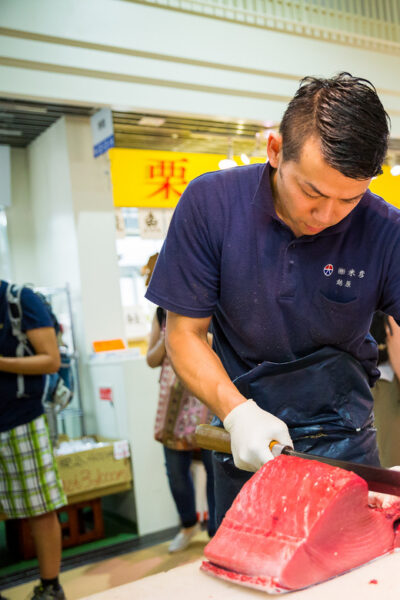
Tsukiji Fish Market Food and Culture Walking Tour
What we made of it →
Hungry Osaka Street Food Tour: 15 Dishes & 3 Drinks
What we made of it →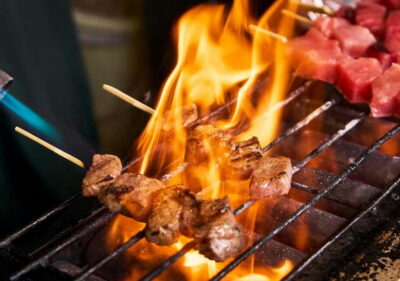
Tsukiji Fish Market: Street Food & Culture Walking Tour
What we made of it →Tsukiji Fish Market: Street Food & Culture Walking Tour
What we made of it →
[1 Group Only] Osaka Street Food Tour for Family
What we made of it →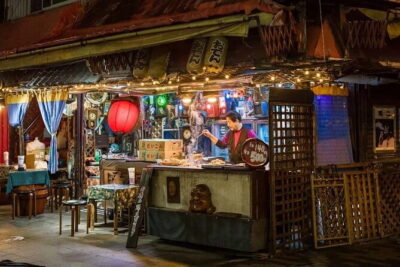
Takoyaki making experience ~Japan’s popular street food~
What we made of it →Where this tour turns up