
Review · MARRAKESH
Marrakesh: Guided Street Food Tasting by Locals
Marrakech tastes better after dark. This three-hour evening walk through the Medina combines a generous spread of Moroccan food with local stories, market scenes, and stops you could easily miss on your own. I especially like the chance to try everything from olives and dates to tagine, tangia, kofte, and sweet pastries, then finish with mint tea at a rooftop café. I also like that guides such as Mo, Mohamed, and Ali are praised for making the food understandable rather than simply pointing at plates.
The main consideration is the walking. You move through narrow, maze-like lanes and crowded market areas, so this is not a good choice for anyone with mobility problems. You also need to arrive hungry: several people found the food so plentiful that it effectively became dinner.
Key points at a glance
- About 10 or 11 food stops: Tastings can build from olives, cactus fruit, pastries, and almond drink to a full meal at the end.
- Jemaa el-Fnaa after dark: The tour begins in Marrakech’s famous main square, then moves into food markets and quieter side streets.
- A real range of Moroccan dishes: Expect tagine, tangia, kofte, méchoui, salads, dates, fresh bread, and mint tea, with some unusual items for adventurous eaters.
- Guides make the difference: Mo, Mohamed, and Ali are noted for warmth, humor, local food knowledge, and strong storytelling about Marrakech.
- A useful first-evening activity: The tour can help you understand what to order and show you places you may want to revisit later.
- $47 with food and drinks included: For three hours of guided walking, tastings, and a substantial evening meal, the price is fair if you plan to eat most of what is served.
Why this food walk works so well at night
Marrakech’s Medina can feel confusing at first. The lanes twist, the souks change character from one street to the next, and food stalls do not always explain what they serve. A local guide gives the evening a clear shape, taking you from Jemaa el-Fnaa toward the Mellah and through the main food market before leading you into less obvious eating spots.
The timing matters. After dark, the square and souks take on a different mood, with food smells, lamps, voices, and evening shoppers filling the streets. You are not just sitting down for one Moroccan dinner. You are tasting your way through the city while watching how locals shop, cook, bargain, and eat.
I like this format for a first or second night in Marrakech. You get an introduction to Moroccan food, but you also learn where dishes come from and how they fit into daily life. Several people found themselves returning to places they discovered during the tour, which is one of the best signs that the experience has practical value beyond the three hours.
More Street Food Tours in Morocco:
- Marrakech: Street Food Tour with a Local Guide
★ 4.9 · 3,119 reviews - Marrakech: Street Food Tour by Night
★ 4.8 · 2,838 reviews - The Original Marrakech Street Food Tour
★ 5.0 · 248 reviews
Meeting at Hôtel Restaurant Café de France
The starting point is in front of Café de France at Jemaa el-Fnaa. This is a useful meeting place because the square is one of the easiest central landmarks in the Medina, though you should allow enough time to find the café if you are not familiar with the area.
The guide leads the group from the square toward the Mellah and the food market. You will be walking from the start, so wear comfortable shoes and keep your hands free for navigating narrow passages. Hotel pickup and drop-off are not included, and the tour returns to the same Café de France area at the end.
The activity lasts three hours. You can choose a shared group or private version. A group can add a social element, and one group of 10 included people of different ages who were all made to feel involved. A private tour may suit you better if you want a more personal pace or have strong food interests, though the shared option is the better value for most people.
Jemaa el-Fnaa: your first taste of Marrakech
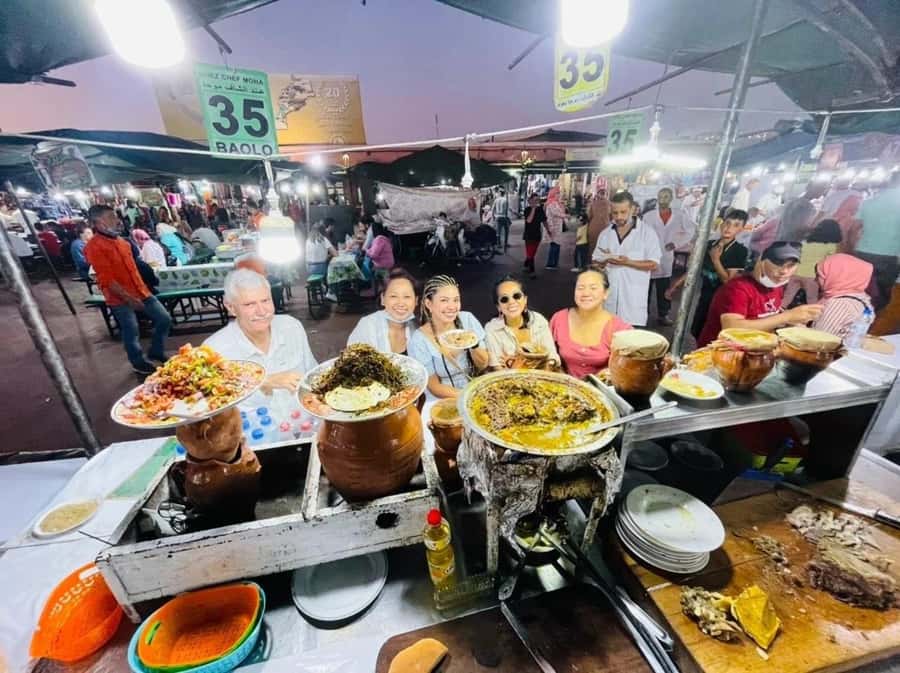
Jemaa el-Fnaa is the natural opening scene. The guide gives you time to take in the square and explains how it functions as the city’s main public meeting place. This first stop helps you understand the food culture before you begin sampling.
From here, the tour moves into the main food market. Stalls display fresh fruit, vegetables, meat, and poultry, while local shoppers choose ingredients for the evening. You may watch pastry makers at work and see bargaining in action, a useful lesson if you plan to shop in the souks later.
This part is about more than taking photographs. The guide can explain the difference between food prepared for local daily life and food presented mainly for tourists. That context helps you look at the Medina with more confidence. One person who had disliked an earlier visit to the area found that a guided evening changed the whole experience, making the lanes easier to understand and enjoy.
Souk Semmarine and the first round of tastings
The route continues through Souk Semmarine and nearby lanes. This is where the food walk becomes a series of small discoveries rather than a standard restaurant meal.
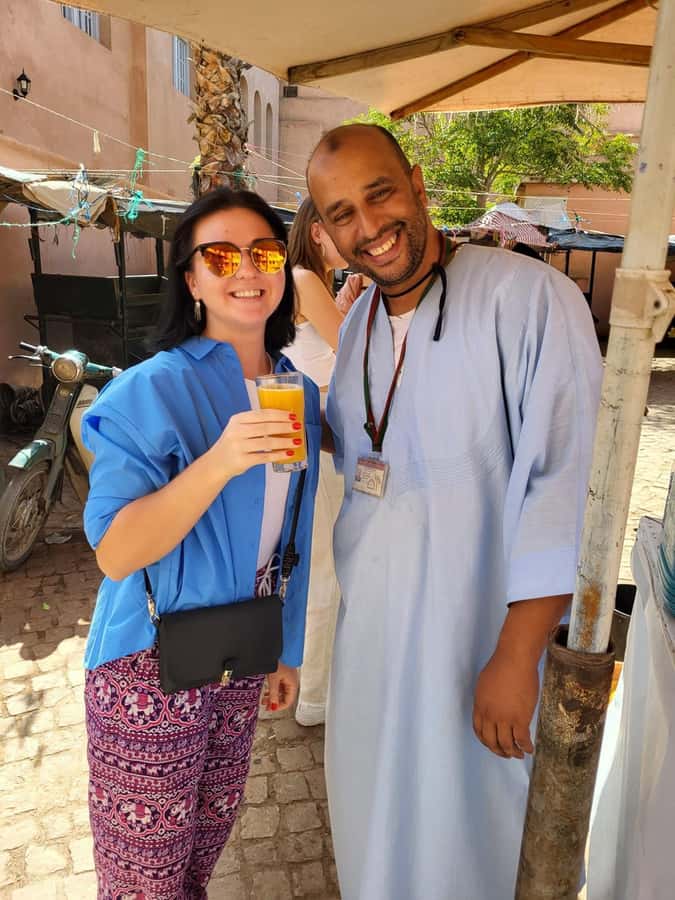
Early tastings can include marinated olives, dates, seasonal fruit, pastries, and other snacks. One especially unusual item mentioned is cactus fruit, with a purple color and a flavor compared with guava. You may also try an almond-based drink, a popular local refreshment that gives your palate a break from the savory foods to come.
The pace appears to build gradually. You begin with small bites, then move toward more filling dishes. A local recipe is provided as a souvenir, giving you something practical to take home instead of just a full stomach and a few photographs.
Your guide also teaches the Arabic or local names of the dishes. That small detail is helpful when you later see menus or food stalls on your own. I would pay close attention here, especially if you hope to return to one of the stops during the rest of your stay.
Same place, a different plate:
- Marrakech Street Food Tour
★ 5.0 · 220 reviews - Marrakech Night Street Food Tour / Taste The Real Marrakech
★ 4.9 · 200 reviews - Casablanca Food Tour – Moroccan Street Food Tour
★ 5.0 · 86 reviews - Marrakech street food tour with a local
★ 5.0 · 55 reviews
Tagine, méchoui, and the craft of Moroccan cooking
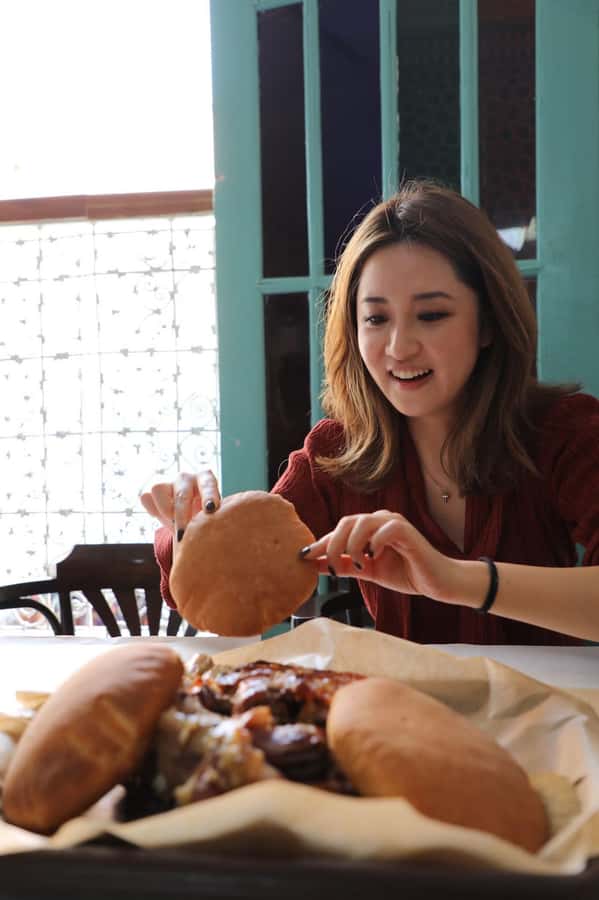
Tagine is one of the central dishes on the tour, but the guide explains that the word refers to both the clay cooking vessel and the food prepared inside it. You learn about different types of tagine and how these dishes are made at home, rather than treating tagine as one single recipe.
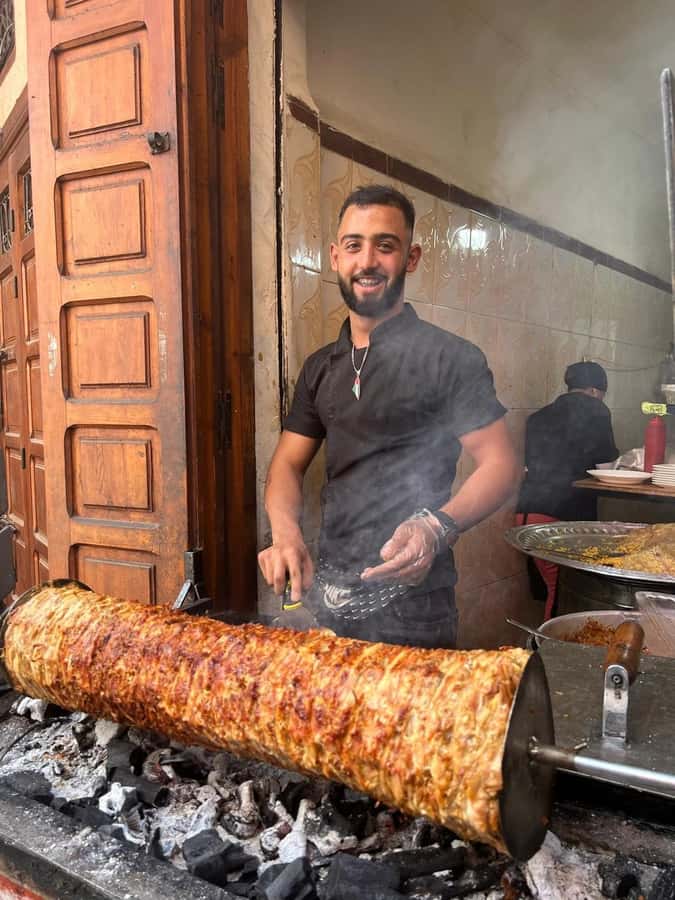
A memorable stop is a méchoui maker slow-roasting a whole lamb in a traditional underground oven. This is not a polished restaurant presentation. It offers a look at an older cooking method and shows how much food in Marrakech is tied to craft, patience, and specialized local work.
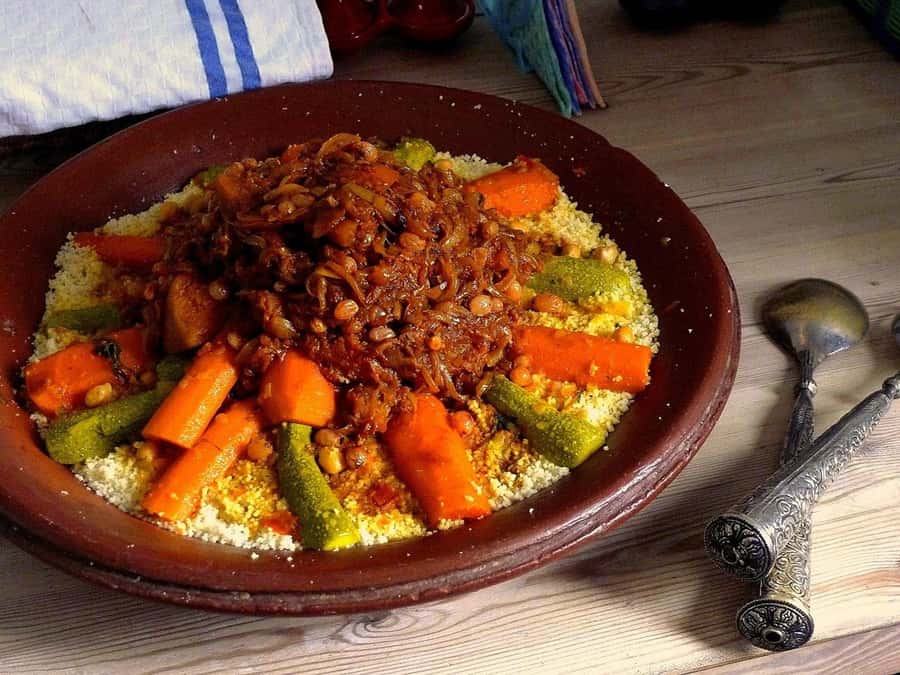
The tour may also include charcoal-baked tagine, tangia, and kofte with freshly baked bread. Tangia is especially associated with Marrakech, and tasting it alongside tagine gives you a useful comparison between two dishes that are often confused by first-time visitors.
The food is not merely decorative sampling. Multiple people found the portions plentiful, with one person describing the final result as being full to bursting. If you want a light snack walk, this may be too much. If you want dinner plus a lesson in Moroccan food, the generous portions are a major reason the $47 price feels fair.
Salads, spices, and the less obvious Medina
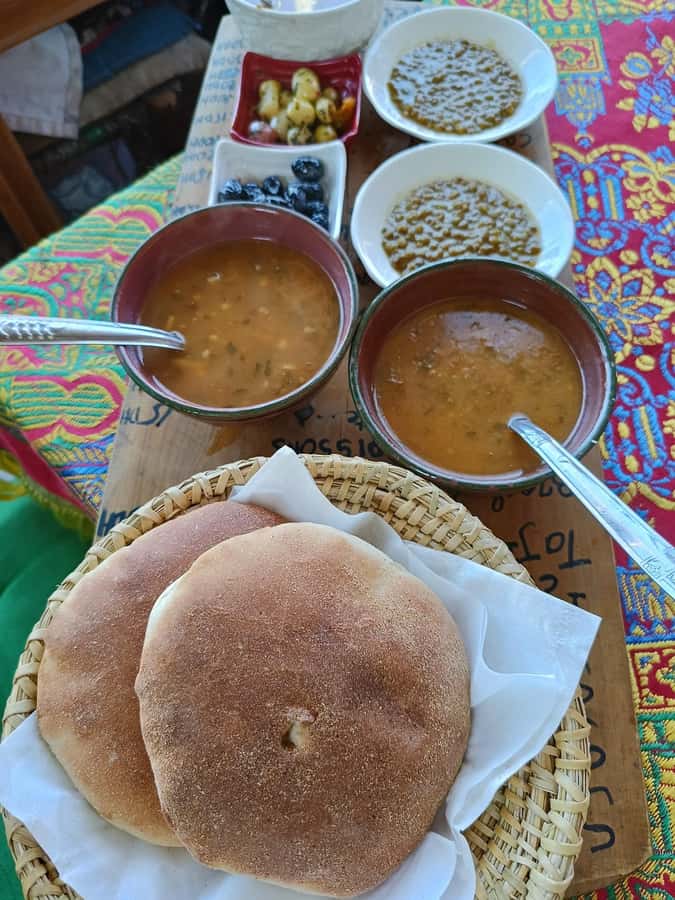
As the walk continues through side streets, your guide points out aromas and ingredients that shape Moroccan cooking. Saffron, cumin, and fresh herbs appear in the dishes and salads, while seasonal ingredients add variety.
Traditional Moroccan salads may be served in several small portions. This lets you compare textures and seasoning instead of receiving one large bowl of a single preparation. The salads also break up the heavier meat and bread dishes.
I like this section because it slows the meal down. The focus is not only on the most famous foods. You get a broader idea of how Moroccan meals are built, with vegetables, spices, bread, meat, preserved items, and sweet flavors appearing across the evening.
The Medina itself remains part of the meal. You move through lanes that can be easy to miss without a guide, passing food stalls and small eateries that do not necessarily advertise themselves to visitors. The route is part food tour and part orientation walk, though the uneven, crowded setting will not suit everyone.
A final rooftop stop with mint tea
The evening ends at a cozy rooftop café. Here you can relax with mint tea while looking over a courtyard decorated with rugs, mosaic lamps, and fountains. The exact final food arrangement may vary, but the experience information describes this as a relaxed finale, and one person specifically enjoyed finishing with tagine while looking down toward the square.
Mint tea is more than a standard tourist finish. It is the right closing drink after a meal of strong spices, grilled meat, sweet fruit, and pastries. You have time to sit, talk with the group, and let the noise of the Medina become part of the background.
This final pause also gives the tour a satisfying rhythm. You start in the open square, move into markets and narrow lanes, sample food in several places, then end above the street in a calmer setting. It is a good way to finish an evening without rushing straight back to your hotel.
The guides are a major part of the experience
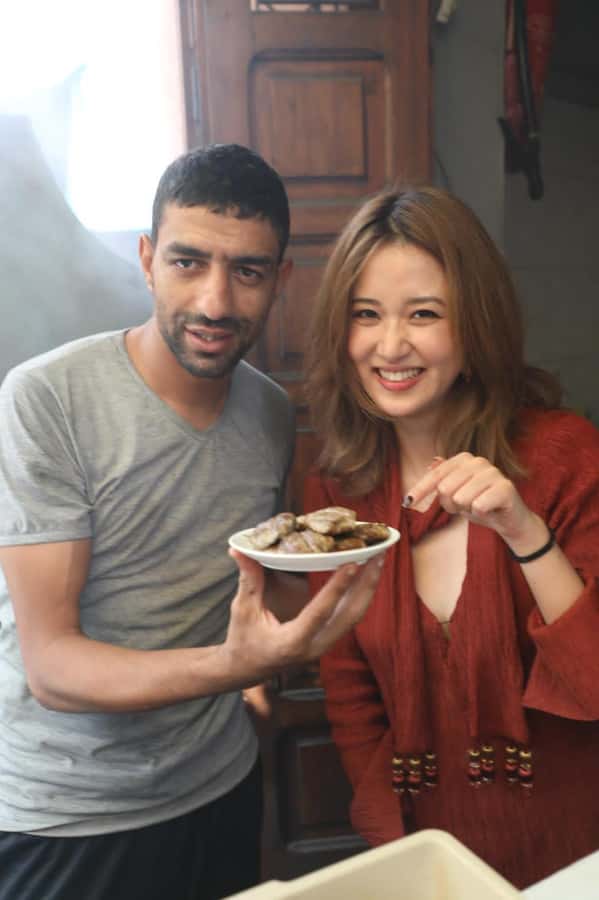
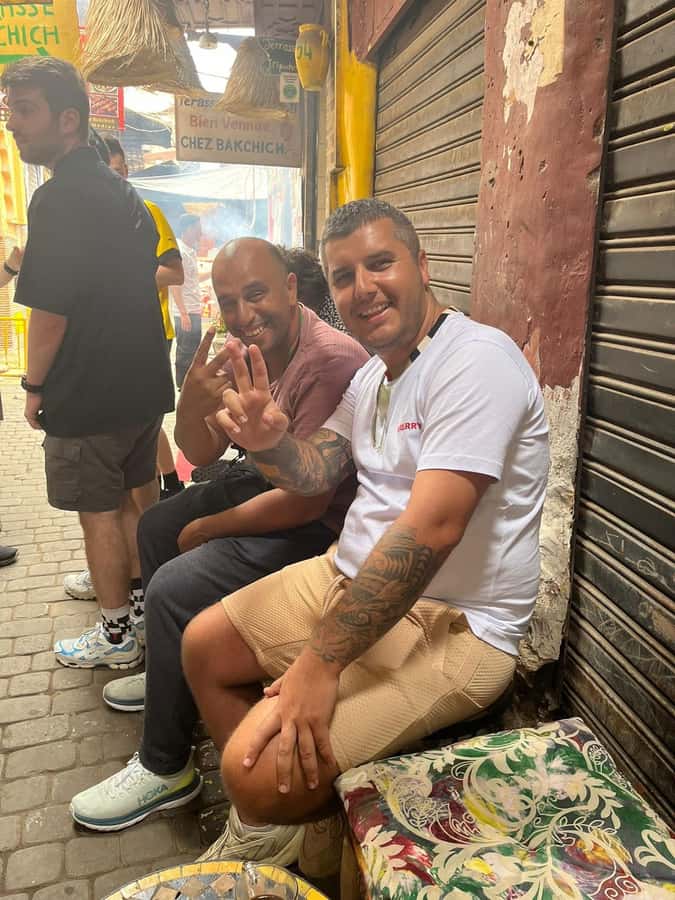
The guide names that appear most often are Mo, Mohamed, and Ali. Mo is praised for being funny, friendly, and well informed about both food and Marrakech. Mohamed is described as warm and attentive, with a strong concern for genuine local food and connections with local craftspeople. Ali is noted for his enthusiasm and ability to make people feel welcome.
Those qualities matter on a food walk. A guide who simply lists dish names will give you a meal with commentary. A guide who explains regional influences, home cooking, market customs, and the meaning of dishes gives you a better sense of Morocco.
The languages offered are English, French, and Arabic. This is useful for mixed groups, and the shared tour can include people of different ages and backgrounds. The group experience is not described as silent or rushed. Expect conversation, questions, and a guide who may enjoy telling stories at length.
A stop at a herbalist may also be included. It is described as a place similar to a pharmacy, with creams and ointments for different uses. There is no stated pressure to buy, but you should still treat it as an optional cultural stop rather than a food highlight.
Is $47 good value?
At $47 per person, the tour is not the cheapest way to eat in Marrakech. You could spend less by choosing one market meal on your own. That comparison misses the point, though.
The price includes the guide, food, and drinks for three hours. You are paying for a sequence of tastings, local explanation, access to small eateries, and a full meal at the end. Several people felt the food was so plentiful that they could not finish everything, which makes the price look strong if you arrive ready to eat.
The value is also higher if you are new to Moroccan cuisine. You can try many dishes without ordering full portions blindly. The guide helps you identify foods you might otherwise pass by, and you leave with a recipe and enough familiarity to choose more confidently later.
For someone who already has a carefully planned food itinerary, the overlap may be less useful. You may also prefer a private tour if you want to focus on vegetarian food, specific dishes, or a slower pace, but those preferences should be confirmed before booking because the available information does not specify a special dietary menu.
Who should book this evening walk?
I would recommend it most strongly for first-time visitors, food lovers, and anyone who wants an easy introduction to the Medina after dark. It is also a good choice if you want a local guide to take care of the evening’s decisions while you concentrate on tasting and looking around.
It suits curious eaters who are happy to try unfamiliar foods. Cactus fruit, slow-roasted lamb, tangia, kofte, almond drink, salads, dates, pastries, and several kinds of tagine create a wide tasting range. You do not need to love every dish, but you should enjoy trying new ones.
You should think twice if you have limited mobility or dislike crowded, narrow streets. The tour involves considerable walking through the Medina, and the setting is lively rather than quiet. It is also a poor fit if you want a short tasting session instead of a substantial evening meal.
Free cancellation is available up to 24 hours before the start, and you can reserve now and pay later. Those terms make it easier to fit the tour into a changing Marrakech schedule.
Should you book it?
Yes, if you want food, orientation, and local conversation in one evening. The strongest reasons to book are the number of tastings, the generous portions, and guides such as Mo, Mohamed, and Ali, who add humor and useful context to the meal.
Book it near the start of your stay if possible. You will learn what the dishes are called, find places you may want to revisit, and feel less lost in the souks afterward. Just skip lunch or keep it very light, wear good walking shoes, and arrive prepared for a full dinner rather than a few token samples.
FAQ
Where does the Marrakech food tour start?
The tour starts in front of Café de France at Jemaa el-Fnaa Square, also listed as Hôtel Restaurant Café de France.
How long does the experience last?
The guided street food tour lasts three hours.
What food and drinks are included?
Food and drinks are included. Tastings may include tagine, dates, olives, pastries, cactus fruit, an almond-based drink, tangia, kofte, méchoui, Moroccan salads, freshly baked bread, and mint tea.
Is the tour shared or private?
You can choose between a shared group tour and a private tour.
Which languages are available?
Live guides are available in English, French, and Arabic.
Is the tour suitable for people with mobility impairments?
No. The experience is not suitable for people with mobility impairments because it involves walking through the Medina, souks, and narrow side streets.
Just added around Morocco
- Marrakech Tasting Tour: Experience Local Street Food & Culture!★ 5.0 · 5 reviews
- Marrakech Street food Tours★ 4.5 · 15 reviews
- Local Hidden Spots Street Food Tour in Medina Marrakech★ 5.0 · 30 reviews
- 3 Hours Private Tour Marrakech Night Market★ 5.0 · 2 reviews
- Marrakech Street Food with +10Tasting & Tanjia Dinner|Guided Walk★ 5.0 · 21 reviews
- Taste Marrakech Street food tour from Medina★ 5.0 · 34 reviews
- Essaouira Guided Tour: 3 on 1 – Nightlife tour, Live like a local & Street food★ 4.5 · 32 reviews
- Fez Street Food Tour★ 4.5 · 33 reviews
Street Food Tours, compared.
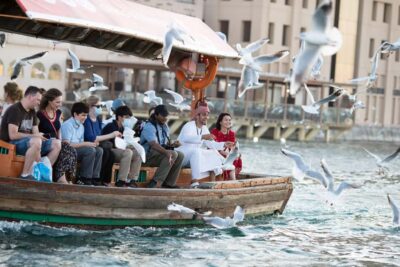
Old Town, Creek, Museums, Souks, & Street Food Tour
What we made of it →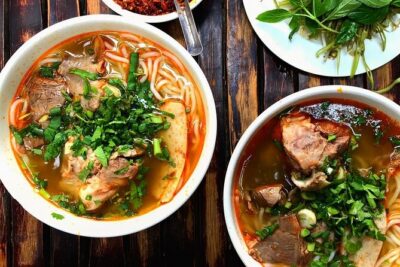
Ho Chi Minh City Street Food Tour & Sightseeing By Motorbike
What we made of it →
Comuna 13 Graffiti Tour, Cable Car & Street Food
What we made of it →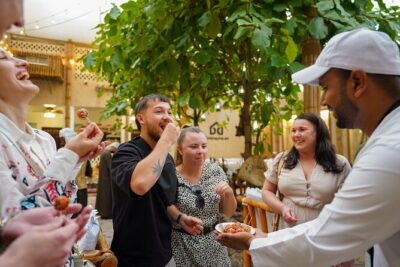
Old Town, Souks, Street Food, Guided Tour & Abra Ride
What we made of it →
Small Group Hanoi Street Food Tour with a Real Foodie
What we made of it →
Saigon By Night and Street Food By Motorbike | Opt: Ao Dai Riders
What we made of it →Where this tour turns up