
Review · OSAKA
Osaka: 2-Hour Local Street Food Tour – Dotonbori & Namba
Osaka eats best on foot. This two-hour tour links takoyaki, taiyaki, pork buns, and other local bites with the bright streets of Dotonbori and Namba, giving first-time visitors an easy introduction to Osaka food culture. I especially like the quiet stop at Hozenji Temple and the chance to explore small lanes such as Ukiyo-Koji instead of simply photographing the main canal. The guide also helps with ordering, which matters when menus are mostly in Japanese.
The strongest part is the personal guiding. Guides such as Kaito, Hina, Fuka, Hiro, and Aki have adjusted the food stops to suit what people wanted to try, pointed out less obvious places, and shared useful Japanese phrases. The main drawback is that the $51 price covers the guide, not your food or drinks, and two hours can pass quickly if you want long cultural explanations or a large meal. The official information also says vegan and gluten-free requests cannot be accommodated, even though some guides have managed special food arrangements in individual cases.
Key points to know before you book
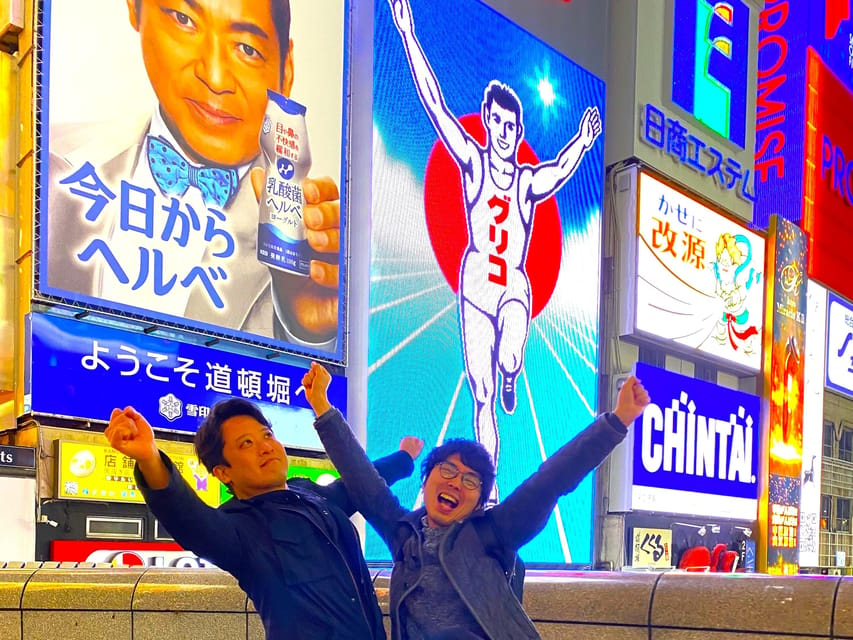
- Start beneath the Glico Man sign: The meeting point is outside Starbucks TSUTAYA EBISUBASHI, making the famous Dotonbori photo easy to combine with the tour opening.
- Taste several Osaka favorites: Takoyaki, takosen, taiyaki, apple candy, pork buns, okonomiyaki, kushikatsu, and doteyaki may feature, with the exact choices shaped by the guide and your preferences.
- See a calm corner of Namba: Hozenji Temple and Ukiyo-Koji offer a welcome change from neon signs, crowds, and food displays.
- Food costs extra: The $51 covers the English or Japanese-speaking guide, while snacks, meals, and drinks are paid separately.
- Guiding is the real value: The best reason to book is help finding places you might skip alone, understanding menus, and speaking with local staff.
- Plan around dietary limits: The activity does not accept vegan or gluten-free requests as a standard service, so contact the operator before relying on it for restricted diets.
Meeting under the Glico Man sign
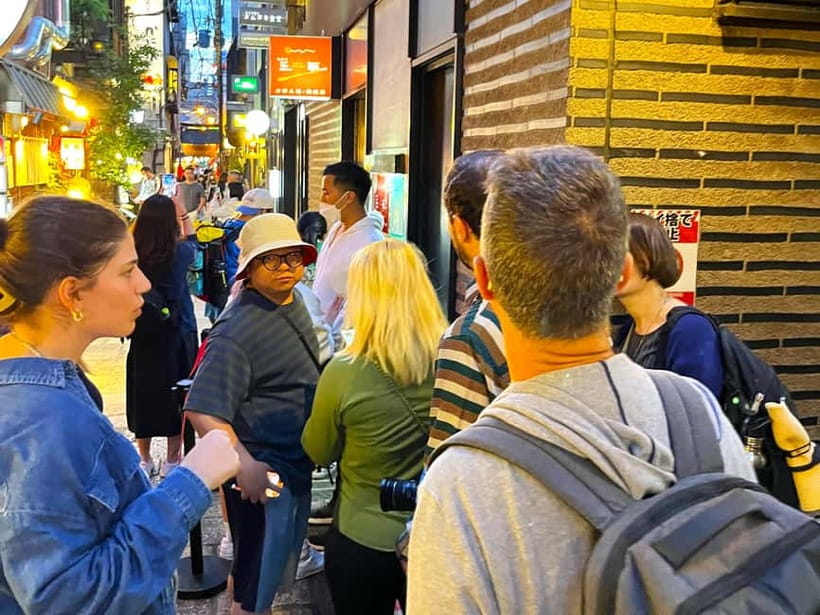
The tour begins outside Starbucks Coffee TSUTAYA EBISUBASHI, near the familiar Dotonbori crossing. Look for a guide holding a yellow DeepExperience sign. This is a practical meeting point, but give yourself time to find the correct side of the building in the busy Namba area.
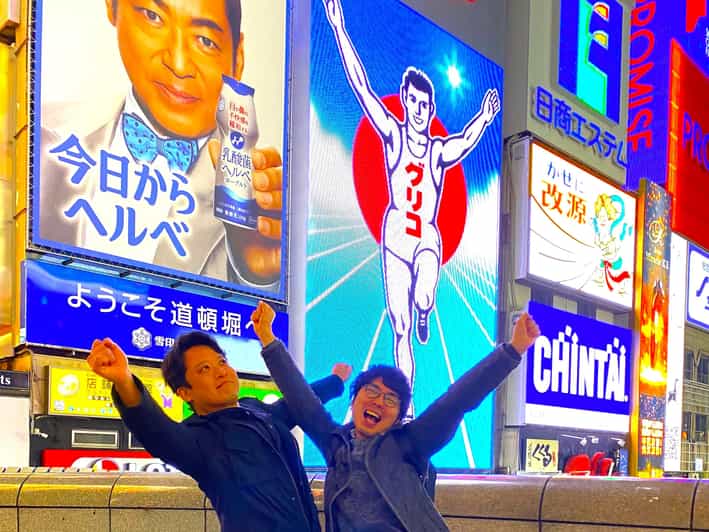
The first formal stop is the Glico Man sign, one of Osaka’s best-known photo spots. You get about 20 minutes for a visit, explanation, and pictures. It is a simple start, but a useful one: the sign places you right in the middle of Dotonbori’s famous food corridor and gives your guide a natural chance to explain the area.
I would not book this tour solely for the photograph. You can take that picture without paying for a guide. The value begins after the camera comes out, when the guide helps you understand what to eat and where the local food customs fit into Osaka life.
A few more nights of eating around Osaka worth a look
- Osaka 2 Hour Local Street Food Tour in Dotonbori and Namba
★ 5.0 · 2 reviews - Varanasi Street Food Crawl (2 Hours Guided Food Tasting Tour)
★ 4.5 · 69 reviews - Saigon: City Unseen Highlights 2h Tour | Opt: Ao Dai Riders
★ 5.0 · 69 reviews
Dotonbori food stops, from takoyaki to taiyaki
The first tasting section lasts about 30 minutes. Dotonbori is known for theatrical food signs, bright lights, and a constant stream of people moving between restaurants and shops. A guide helps turn that visual overload into a short list of things worth trying.
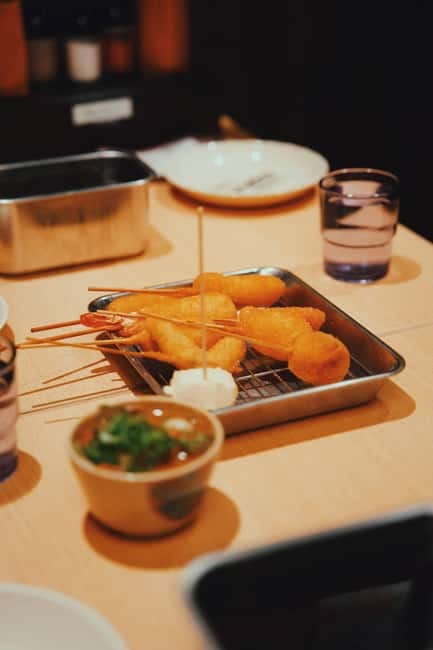
Takoyaki is the obvious place to begin. These hot octopus-filled balls are cooked in molded pans, then commonly topped with sauce, mayonnaise, bonito flakes, or green onion. They are much hotter inside than they look, so your guide can help you avoid the first-bite mistake that catches many visitors.
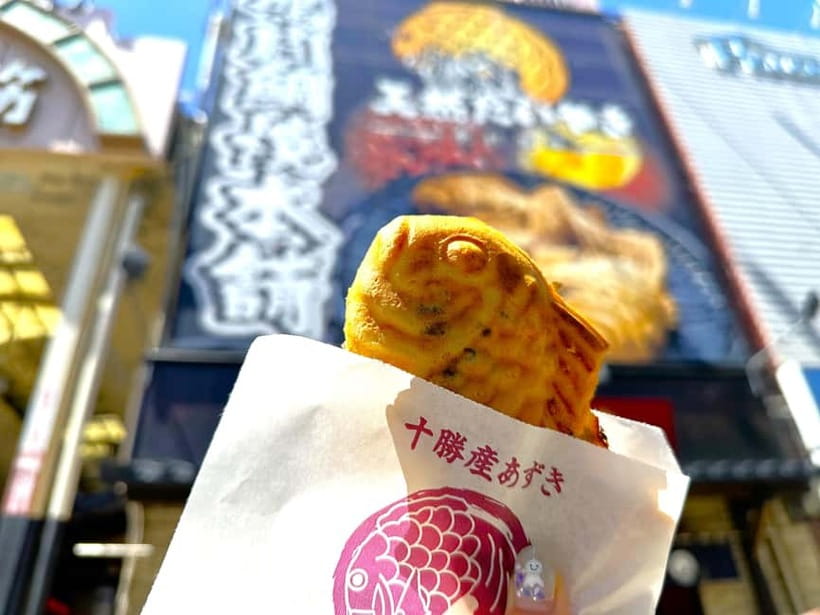
Takosen combines takoyaki with a crisp prawn cracker. Taiyaki is a fish-shaped cake, often filled with sweet bean paste or custard. One visitor specifically enjoyed the crisp batter and custard filling, which gives you a useful reminder that Osaka snacks are not all savory.
Other possible choices include apple candy and pork buns. The exact mix is not fixed, and that is a strength if you tell your guide what you have already eaten or what you hope to try. Guides have also taken people to sushi, udon, ramen, dumplings, tempura, onigiri, and beef dishes. You should think of the advertised foods as a menu of possibilities, not a guaranteed checklist.
A practical point: food expenses are separate. At $51 per person, the tour is not an all-inclusive tasting package. You are paying for a local escort, language help, and access to places that may be awkward to order at alone. Keep extra yen available, and ask early how the group will share or pay for each stop.
Ukiyo-Koji and the quiet Hozenji Temple
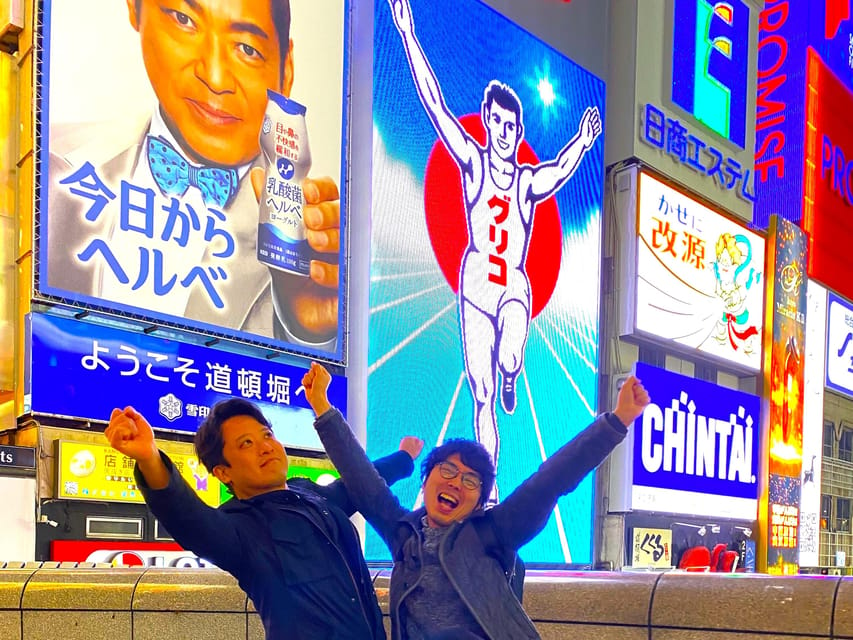
After the first food section, the route turns toward Ukiyo-Koji and Hozenji Temple. This is where the experience gains a little depth beyond eating and taking pictures.
Ukiyo-Koji is a narrow lane with an older, more intimate feel than the main Dotonbori strip. It is a useful reminder that Namba is not only giant signs and chain stores. The lane is small, so the stop does not take long, but it gives you a different pace and a better sense of the area’s tucked-away corners.
Hozenji Temple receives about 15 minutes. The temple sits close to the commercial center, yet feels calm compared with the surrounding streets. That contrast is the point. You move from food stalls and illuminated signs into a place for a short pause, a look at local religious practice, and a bit of conversation with your guide.
Do not expect a large temple complex or a long formal visit. This is a compact urban temple stop, not a major sightseeing attraction requiring an hour. I like it in this tour because the break helps the evening feel less like a race between snacks.
Guides have also used this part of the route to explain local customs and teach simple Japanese phrases. Kaito, in particular, was praised for carrying a phrase guide and helping people speak with local staff. That sort of small language lesson can be more useful than a long speech, especially when you later return to a food counter alone.
Namba snacks and the value of a flexible route
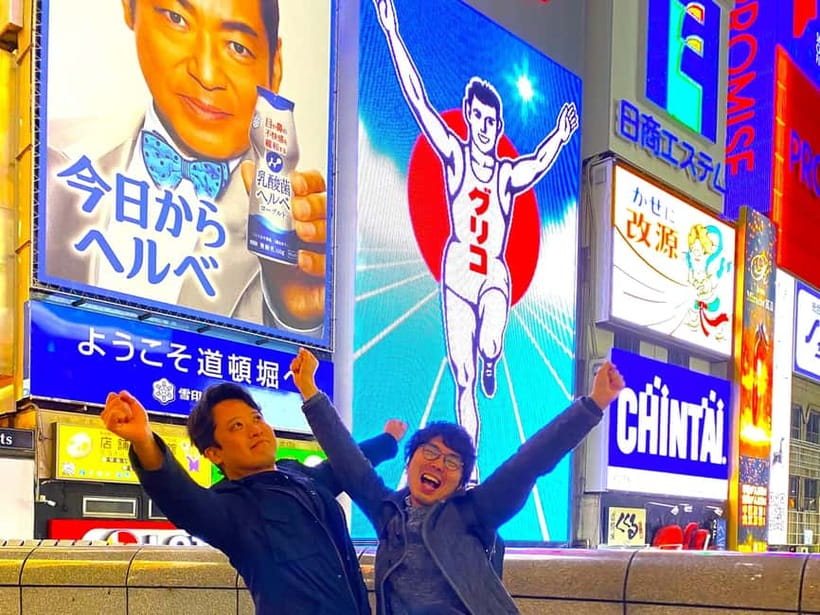
The itinerary then shifts into Namba for another roughly 30-minute food section. Namba is a broad entertainment and shopping district, so your experience depends heavily on the guide and the group’s interests.
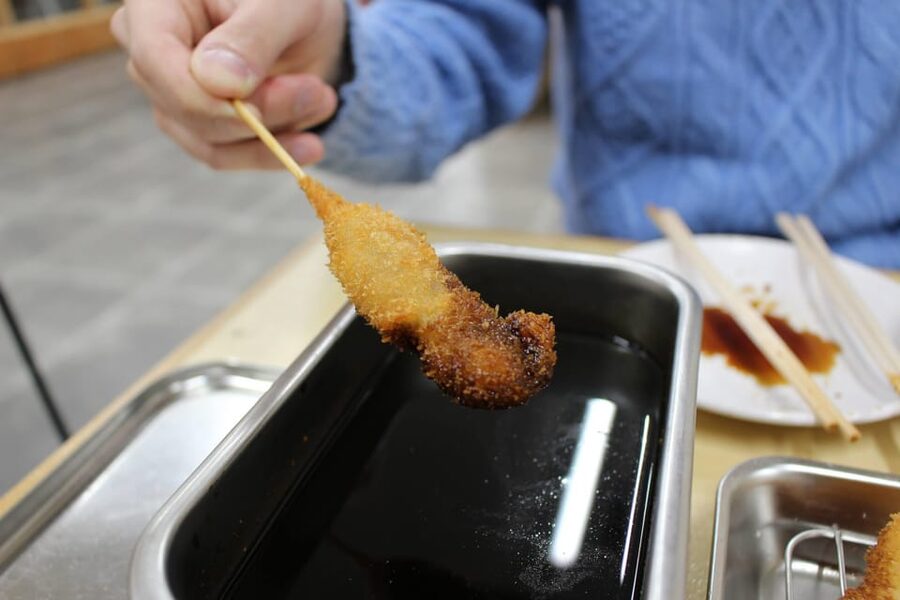
You might try okonomiyaki, the savory pancake often associated with Osaka, or kushikatsu, skewered ingredients coated in crumbs and fried. Doteyaki, a slow-cooked beef tendon dish, offers a more substantial taste with a different texture. Pork buns, sushi, udon, and grilled beef have also appeared in personal food selections.
The guides receive their strongest praise for asking what you actually want. Hina, Hiro, Kaito, and Benoit were all described as adapting the route or food choices to the group. That matters if you have already visited Dotonbori, dislike seafood, want to try beef, or would rather sample several small items than sit down for one large meal.
There is also a social benefit. A Japanese-speaking guide can order more smoothly at small places and help explain unfamiliar dishes. Several people valued being taken to restaurants they would not have found or felt comfortable entering alone. That does not mean every stop is a secret local institution, and you should not expect a completely tourist-free evening. It does mean you have someone beside you who can reduce the guesswork.
One review described the food at a restaurant as both tasty and reasonably priced. That is useful context, but prices vary because food is not included and stops can change. Ask your guide what each item costs before ordering if you are watching your budget.
More Street Food Tours in Osaka:
- Hungry Osaka Street Food Tour:15 Tastings & 3 Drinks with a Local
★ 5.0 · 1,727 reviews - Hungry Osaka Street Food Tour: 15 Dishes & 3 Drinks
★ 4.9 · 694 reviews - [1 Group Only] Osaka Street Food Tour for Family
★ 5.0 · 208 reviews - Umami Town Street Food Tour
★ 5.0 · 120 reviews
The final Dotonbori tasting and photo stop
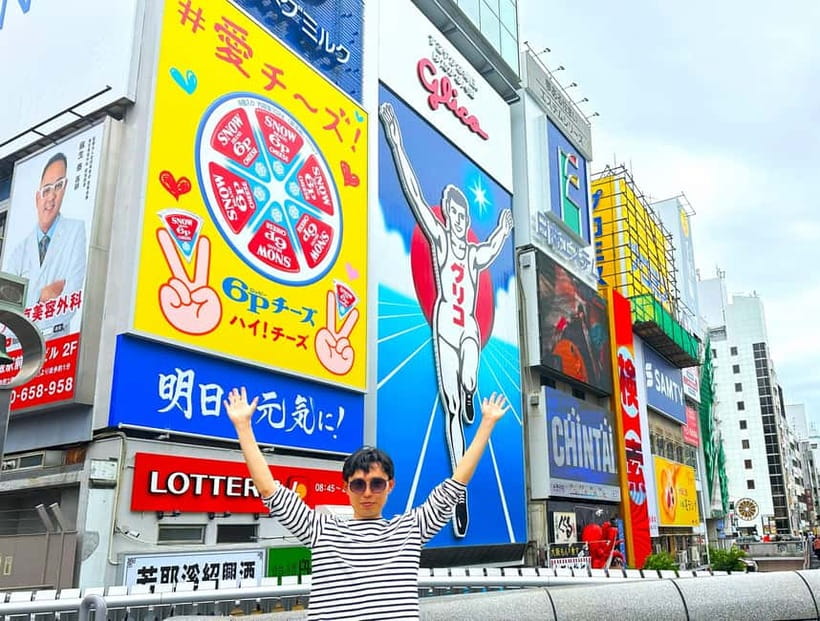
The last food section returns to Dotonbori for about 30 minutes of local snacks. By this point, you may have tried several items, so the final stop can work best when you pace yourself at the beginning.
This is not a tour where you should eat a full portion at every counter. Share when possible, take small items, and leave room for something you have not tried. The guide may suggest a sweet finish such as taiyaki or apple candy, or steer you toward another savory bite.
The final photo and guided stop lasts around 10 minutes before the group returns to Starbucks TSUTAYA EBISUBASHI. The route covers Dotonbori and Namba without requiring a long transfer by train or taxi. One person specifically appreciated that there was not much walking, leaving more time for food. That makes the tour suitable if you want to explore on foot but do not want a physically demanding evening.
The pace can still feel quick. Two hours includes meeting, photos, walking, ordering, eating, temple time, and the return to the starting point. If you want detailed food lessons, relaxed restaurant meals, or a long conversation about Osaka culture, a private booking may suit you better than a small shared group.
What the guides add to the experience
The guide is the main reason to choose this activity over simply following Dotonbori’s signs. The food itself is easy to see. The harder part is deciding what to order, understanding what you are looking at, and finding a comfortable way into smaller places.
The guides named in the feedback were repeatedly praised for being warm, patient, and flexible. Kaito was especially popular for his English, local knowledge, food suggestions, and help with Japanese phrases. Hina received praise for selecting food around people’s interests. Fuka was appreciated for clear English and a friendly manner, while Aki helped people avoid long lines and find better photo spots.
That does not mean every guide will have the same personality. A small-group or private format gives you a better chance to ask questions and shape the route. The activity is offered in English and Japanese, and private or small-group options are available.
The cultural side is modest but useful. You will hear about Osaka foods, local customs, the area’s streets, and basic language. Several people wanted even more time for culture and food discussion, which is a fair criticism of a two-hour format. The guide can add texture to the visit, but this remains primarily a food walk rather than a full historical tour.
Dietary needs, accessibility, and practical limits
The official conditions say vegan and gluten-free requests cannot be accommodated. Treat that as the rule when deciding if this tour is suitable. Some guides have found vegetarian or gluten-free options for individual groups, and one guide researched gluten-free meals, but those examples should not be taken as a guarantee.
If you have allergies, major restrictions, or a strict diet, contact the operator before booking. Bring a clear explanation of what you cannot eat, but understand that the activity may not be able to meet your needs.
The tour is listed as wheelchair accessible. The experience involves streets, food businesses, and a temple area, so you should still confirm any specific mobility requirements in advance. The short duration and limited walking are helpful, but the busy Dotonbori setting can be crowded.
You can cancel up to 24 hours before the start for a full refund, and the reserve-now, pay-later option keeps your plans flexible. Starting times vary, so check availability before you commit to the rest of your evening.
Is $51 a fair price?
The answer depends on what you want from a food tour. If you only want to eat takoyaki and take a Glico Man photo, $51 plus food is more than you need to spend. Dotonbori has plenty of obvious places to buy snacks on your own.
I think the price makes more sense for first-time visitors who want confidence. You receive a guide for two hours, help with ordering, explanations of local food, a route through Dotonbori and Namba, a temple stop, and practical suggestions for the rest of your Osaka stay.
The value also rises if you book privately or in a small group and tell the guide what matters to you. People have used the time to try local dishes, learn Japanese phrases, find anime shops, and get ideas for later meals. That kind of personal advice can save time during a short Osaka visit.
Remember to budget for food separately. The tour fee does not buy the snacks, meals, or drinks. If you want to keep costs controlled, ask for small portions and agree on the number of stops before the first order.
Who should book this Osaka food walk?
I would recommend it to first-time visitors who want a gentle introduction to Osaka’s food culture without navigating every order alone. It also works well for repeat visitors who have seen the main signs but want smaller lanes, local eateries, or different dishes.
It suits couples, families with older children, and small groups who enjoy talking while they eat. One guide handled teenagers well, and another helped a group find anime-related places in the area. For young children, the evening schedule and hot food may be less suitable, and one person felt the tour was not ideal for children.
You should think twice if you need vegan or gluten-free food, want a long historical tour, or dislike paying separately at each food stop. You may also prefer exploring alone if you are comfortable reading menus, choosing restaurants, and ordering in a busy district.
Should you book it?
Book this tour if you want a friendly local guide to remove the guesswork from Dotonbori and Namba. The best moments are not the famous sign or the obvious takoyaki stand. They are the small decisions: which dish fits your appetite, how to order it, which lane to take, and when to pause at Hozenji Temple.
Skip it if your priority is an all-inclusive meal or strict dietary control. For most first-time Osaka visitors, though, the combination of food, language help, local streets, and a calm temple stop gives the $51 fee a reasonable purpose, as long as you budget extra for what you eat.
FAQ
Where does the Osaka street food tour start?
Meet your guide outside Starbucks Coffee TSUTAYA EBISUBASHI. The guide will hold a yellow sign with the DeepExperience logo.
How long does the tour last?
The tour lasts two hours and returns to the same Starbucks meeting point.
What languages are available?
The tour offers live guiding in English and Japanese.
Is food included in the $51 price?
No. Food and drinks are not included, so you pay for your own tastings and meals during the tour.
Which foods might I try?
Possible foods include takoyaki, takosen, taiyaki, apple candy, pork buns, okonomiyaki, kushikatsu, and doteyaki. Other food choices can include sushi, udon, ramen, dumplings, tempura, onigiri, or beef dishes.
Does the tour visit Hozenji Temple?
Yes. The route includes a guided visit of Hozenji Temple for about 15 minutes.
Is the tour wheelchair accessible?
Yes, the activity is listed as wheelchair accessible.
Can I book a private or small-group tour?
Yes. Private and small-group options are available.
Can I cancel for a refund?
You can cancel up to 24 hours in advance for a full refund. A reserve-now, pay-later option is also available.
Just added around Osaka
- Osaka Street Food Tour: Private & Personalized★ 4.5 · 36 reviews
- Retro Osaka Street Food Tour: Shinsekai★ 4.5 · 77 reviews
- Osaka 2 Hour Local Street Food Tour in Dotonbori and Namba★ 5.0 · 2 reviews
- Evening Street Food Hopping Tour in Downtown Osaka★ 5.0 · 8 reviews
- Eat Osaka: Street Food Cooking in an Authentic Kitchen!★ 5.0 · 87 reviews
- Deep Dive: Osaka Food Markets from Local to Luxurious!★ 5.0 · 31 reviews
- Eat Like a Local in Osaka – Private Custom Street Food Tour★ 4.3 · 33 reviews
- Osaka Shinsekai Street Food Tour – Evening★ 5.0 · 2 reviews
Street Food Tours, compared.
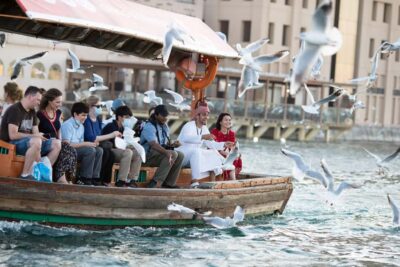
Old Town, Creek, Museums, Souks, & Street Food Tour
What we made of it →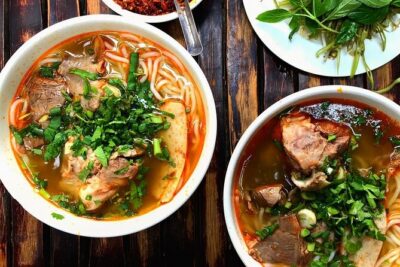
Ho Chi Minh City Street Food Tour & Sightseeing By Motorbike
What we made of it →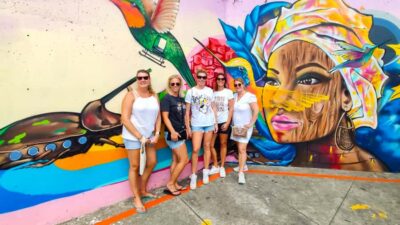
Comuna 13 Graffiti Tour, Cable Car & Street Food
What we made of it →
Old Town, Souks, Street Food, Guided Tour & Abra Ride
What we made of it →
Small Group Hanoi Street Food Tour with a Real Foodie
What we made of it →
Saigon By Night and Street Food By Motorbike | Opt: Ao Dai Riders
What we made of it →Where this tour turns up