
Review · JAPAN
Osaka: Wakayama Cat Train, Seafood market, Hot Springs Tour
A cat runs a railway station here. This long day trip from Osaka combines Tama’s charming railway story with a short ride on a cat-themed train, then shifts to Wakayama’s seafood, hot springs, and Pacific coast. I like the unusual mix: you get a local Japanese tale, a fresh tuna market, and dramatic ocean views in one outing. I also like that guide Tiger has earned praise for clear communication and careful organization.
The main drawback is time spent on the road. You leave Osaka at 8:30am and return around 6:40pm, with roughly four hours of bus travel. The cat train ride itself lasts about 15 minutes, so you should book this for the variety of the whole day, not for a long railway journey or a quiet onsen visit.
Key things to know before you book
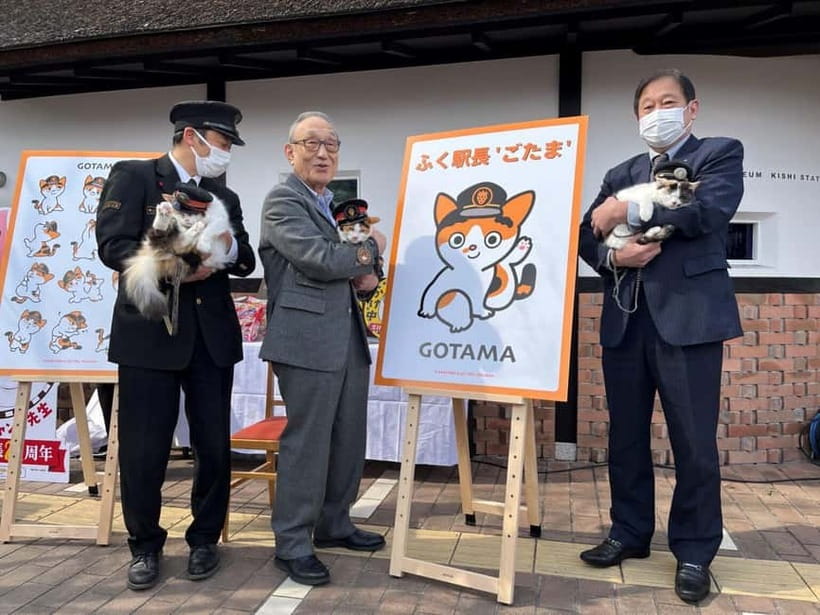
- Tama’s station story: Kishi Station honors Tama, the calico cat who helped save a small railway stop from closure.
- Three possible cat trains: The Tama Train, Strawberry Train, and Toy Train operate on changing schedules, so the design is not guaranteed.
- Tuna cutting at ToreTore Market: The show runs two or three times a day, but its timing is random and cancellation is possible.
- Optional hot spring stop: Toretore Onsen has more than 1,300 years of history, but entry costs extra and tattoos may restrict access.
- Two strong coastal stops: Senjojiki Rock Plateau offers open Pacific views, while Sandanbeki has caves reached by a 36-meter elevator.
- A guide-led day: English, Japanese, and Chinese guiding is available, with transport, tolls, fuel, parking, and the cat train included.
Why this Wakayama day trip works
Wakayama sits south of Osaka on Honshu, but visiting its inland railway and Shirahama coast independently takes planning. This tour ties together places that otherwise require separate train connections, buses, and timing around the tuna show.
At $83 per person, the price is reasonable if you value convenience. Your payment covers round-trip transport in an air-conditioned vehicle, a professional driver, guide service, highway tolls, parking, and the cat-themed train ride. You still pay for lunch, personal purchases, the optional hot spring, and Sandanbeki Cave.
That makes the tour strongest for you if you want a full day outside Osaka without handling the transport yourself. It is less appealing if you prefer to set your own pace, spend an hour soaking in hot water, or linger at the coast until sunset.
Guide Tiger receives particular praise for keeping people informed, explaining each stop, and using WhatsApp updates in English and Chinese. One useful touch is his market help, especially if you are unsure what seafood to buy or how to use the barbecue area.
A few more nights of eating around Japan worth a look
- Hanoi: Michelin Guide Street Food Tour with Spa Experience
★ 4.7 · 9 reviews
Meeting at Nipponbashi and settling into the bus
The day begins at 8:30am near Nipponbashi Station Exit 2, at 1-chōme-3-6 Nipponbashi. This is in the Namba and Shinsaibashi area, but arrive at least 15 minutes early. Several groups may gather nearby, and late arrivals or no-shows are not refunded.
You receive the final guide, driver, vehicle, and meeting information by email the evening before. The vehicle depends on group size, so you might ride in a spacious coach or a smaller bus. The transport is practical rather than scenic at first, with about 1.5 hours to reach Kishi Station.
Bring comfortable shoes, a camera, and cash. Food is not allowed inside the vehicle, so plan to save your appetite for the market lunch.
Kishi Station and the Tama cat railway
Kishi Station is the emotional center of the morning. Its exterior is shaped like a cat’s face, and the station’s story is far more interesting than a simple photo stop.
The small railway line once faced closure. A calico cat named Tama began greeting passengers as the stationmaster, and her presence helped bring attention and new life to the line. Today, Nitama, known as Second Tama, carries on that role.
You can look around the cat-themed station, visit the Tama Shop and café, collect cat stamps, and browse railway souvenirs. This part is compact, so it is best approached as a charming local tribute rather than a major museum.
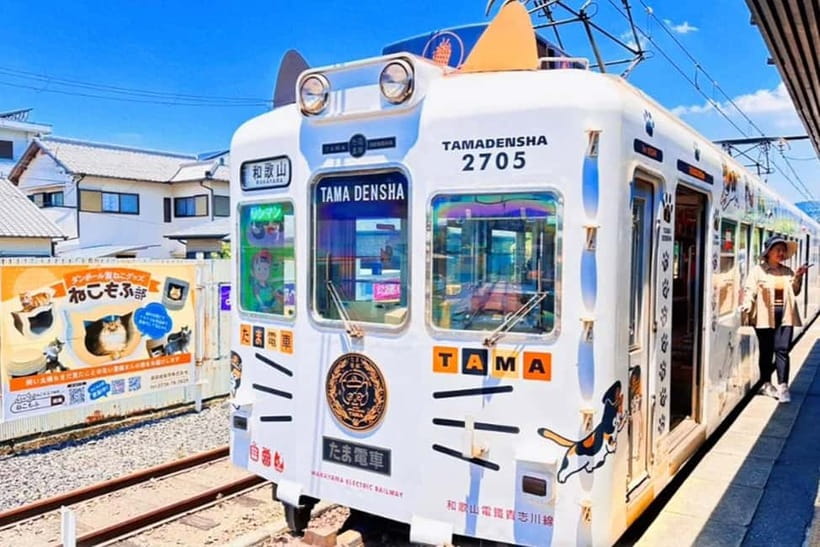
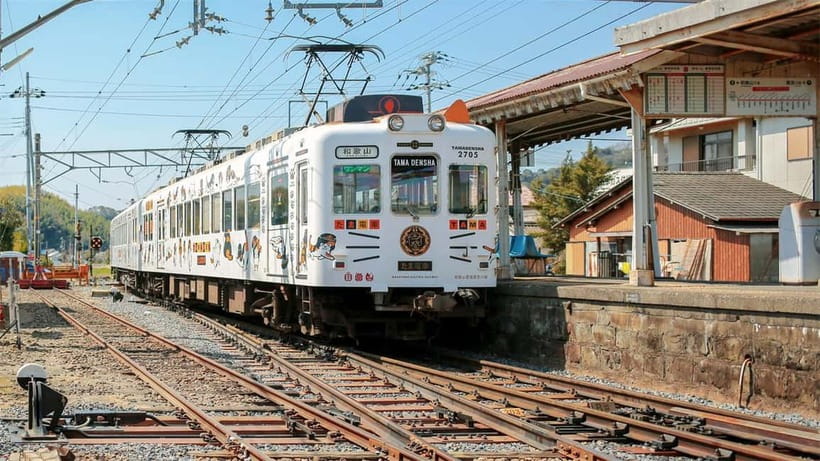
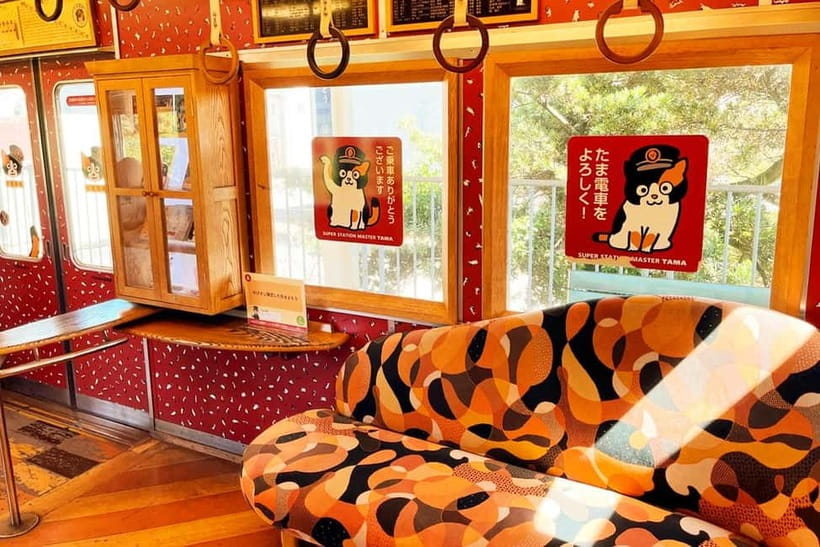
The cat train is one of three designs: Tama, Strawberry, or Toy. The operating design changes by day, so do not book expecting one specific carriage. The train ride itself is about 15 minutes, which is shorter than the broader railway timing sometimes associated with this portion of the route.
That short ride is still fun, especially for families, rail fans, and anyone who enjoys Japan’s playful side. The interior and exterior details give you good photos, but the railway segment will feel brief if you imagined a long countryside journey. One rating of the tour specifically found the cat train less impressive than expected, so keep your expectations in check.
ToreTore Market and the tuna cutting show
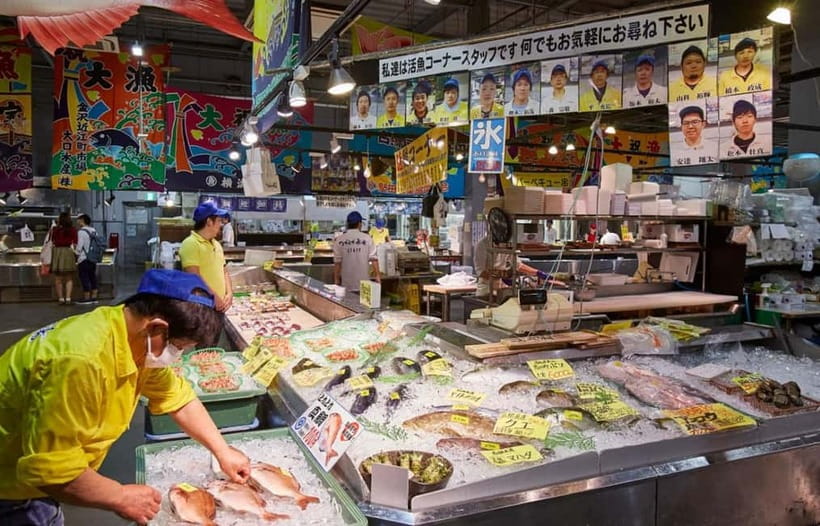
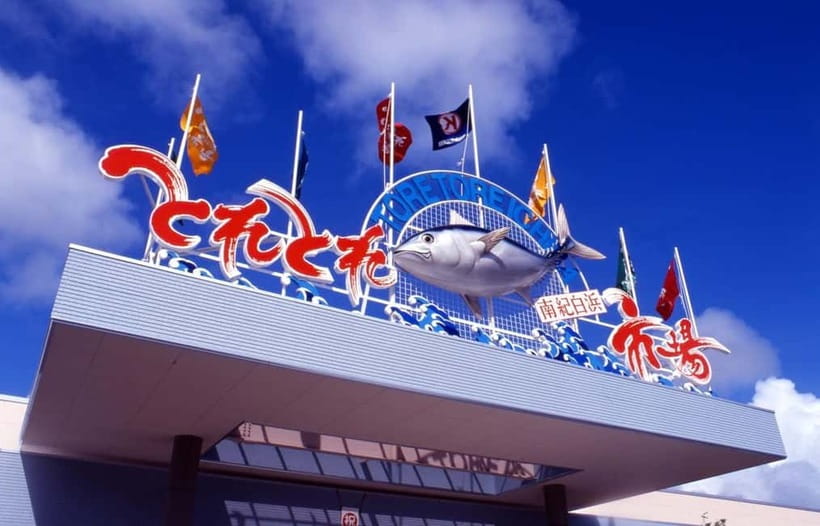
From Kishi Station, the tour continues toward ToreTore Ichiba, the largest seafood market in western Japan. The market is a major change of mood: the quiet railway stop gives way to counters, seafood displays, prepared dishes, souvenirs, and a large selection of things to eat.
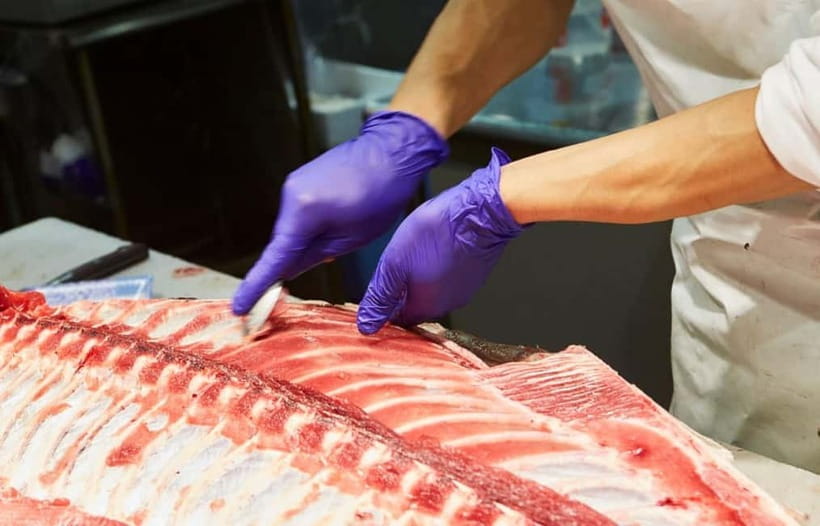
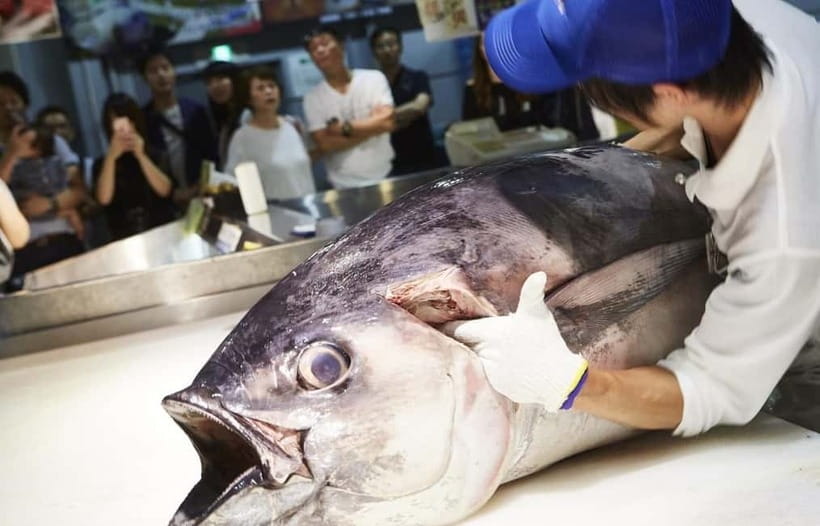
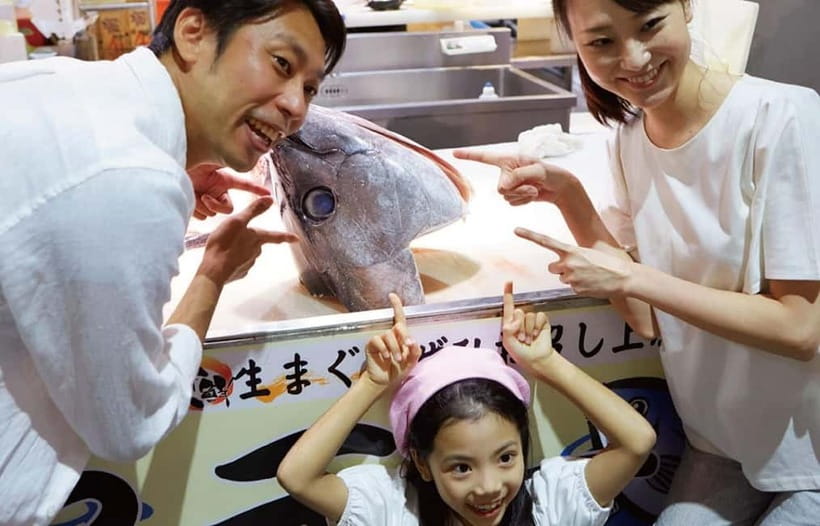
The highlight is the live tuna cutting show. A whole tuna is broken down with quick, precise cuts while the presenter explains the fish’s anatomy. It gives you a close look at how a large fish becomes sashimi and other cuts, and it is one of the most memorable parts of the day.
The show runs two or three times daily, but the exact time is not fixed. Weather or other unexpected conditions can cancel it. Treat it as a welcome bonus rather than the one feature that must happen for the tour to succeed.
You get free time for lunch at your own expense. Options include tuna sashimi bowls, grilled seafood, octopus rice, and other market dishes. Some areas also offer seafood that you can buy and cook at barbecue tables, which gives you more control than simply ordering a set meal.
This is a good place to carry cash. You can also shop for seasoned seafood, packaged foods, regional treats, and small gifts. If you want help choosing products, Tiger has been especially helpful in guiding people around the market and explaining what works well for cooking.
The two-hour stop is generous enough for lunch and browsing. It may feel long if you are not interested in seafood shopping, though the market gives you freedom to spread out rather than stay with the guide every minute.
Same place, a different plate:
- Hungry Osaka Street Food Tour:15 Tastings & 3 Drinks with a Local
★ 5.0 · 1,727 reviews - Tokyo: Tsukiji Fish Market Food and Culture Walking Tour
★ 4.7 · 757 reviews - Hungry Osaka Street Food Tour: 15 Dishes & 3 Drinks
★ 4.9 · 694 reviews - Tsukiji Fish Market: Street Food & Culture Walking Tour
★ 5.0 · 669 reviews
Toretore Onsen: a brief taste of Shirahama bathing culture
The hot spring portion is optional and costs extra. Toretore Onsen is associated with Shirahama, one of Japan’s old hot spring resorts, with more than 1,300 years of recorded history and links to ancient Japanese texts.
The water is described as sodium bicarbonate spring water, known for a smooth feel on the skin. The facility also features Japan’s first salt-stone bedrock bath. The tour information does not promise a long bathing session, so ask the guide about the available time before paying admission.
This stop suits you if you want a quick taste of Japanese bathing culture after lunch. It may disappoint if you are hoping for a slow, private spa afternoon. Also note that people with tattoos may face entry restrictions, so check before deciding to join this part.
If you skip the bath, the wider Shirahama area still leads naturally into the coastal stops. Keep modesty and bathing customs in mind if you enter: the value here comes from taking part in a Japanese routine, not treating the facility like a Western swimming pool.
Senjojiki Rock Plateau above the Pacific
Senjojiki means a place of many layers of rock, and the name fits the broad slabs spread along the coast. You get about 30 minutes here for photos and a walk near the ocean.
The rock shelves face the Pacific and give you a wide-open view. At the right time of day, the setting sun can add warm color to the water and stone. Timing depends on the season and the day’s road conditions, so do not assume you will arrive at sunset.
Wear shoes with a firm sole. The rocks are uneven, and you will enjoy the stop more if you can walk carefully instead of focusing only on the next photograph. The visit is short, but it provides a welcome stretch after the market and bus ride.
This is also where the tour feels least like a standard city excursion. You see the power of the coast, hear the surf, and get a sense of Wakayama beyond its food and railway attractions.
Sandanbeki Cave and the pirate stories
The final major stop is Sandanbeki, a set of sea cliffs with caves below. An elevator carries you 36 meters down to sea level, where displays recreate stories connected with Heian-era pirates. Natural erosion has shaped the cave walls and openings.
Admission is optional and not included. If you pay to enter, allow enough time to ride down, view the displays, and return to the meeting point. If you skip the cave, you can still enjoy the cliff area and take photographs from above.
The cave is a good contrast to Senjojiki. Senjojiki spreads out across exposed rock, while Sandanbeki brings you close to enclosed spaces, water, and the force of the sea below. The two stops are close in spirit but different enough to avoid feeling repetitive.
You should not expect a huge underground attraction. It is a focused visit with a strong setting, and its value depends on your interest in coastal geology and local stories. The elevator also makes the lower level possible for many people who would not want to climb down a steep path, though the full tour is not suitable for wheelchair users.
The return to Osaka and the real pace of the day
After Sandanbeki, the bus heads back toward Osaka. The return drive takes about 2.5 hours, though weekend, holiday, and peak-season traffic can change the timing. The expected arrival is around 6:40pm.
The guide may adjust the order of stops, shorten visits, or reduce the number of stops when traffic or operating conditions require it. That flexibility protects the schedule, but it also means your time at a favorite place may be shorter than hoped.
Several direct ratings praised the comfortable vehicle and the driver’s steady work throughout the day. That matters here because the route covers a wide area. You are not simply riding between nearby Osaka sights.
The tradeoff is clear: you gain access to Wakayama’s scattered highlights, but you spend a substantial part of the day seated. Bring something to read, keep water handy, and use the walking stops to stretch.
Who should book this experience?
I would recommend this tour to you if you want variety and prefer a guided day outside Osaka. It fits families, first-time visitors to Wakayama, rail fans, seafood lovers, and people who want coastal views without renting a car.
It also works well if you appreciate help with small decisions. Tiger’s market advice, clear explanations, and regular updates can make the day easier, especially if you speak English or Chinese and want a guide who actively checks that everyone knows what happens next.
I would hesitate if your main goal is a long hot spring session, a long train ride, or serious coastal hiking. The cat train is short, the onsen is optional, and the cliffs are mainly for sightseeing and photos.
At $83, the strongest value comes from combining several hard-to-link locations in one day. Lunch and optional admissions add to the cost, but the included transport and guide service make the overall package practical.
Final verdict: book it for the mix
Book this tour if you want an efficient introduction to Wakayama that feels different from Osaka’s urban sights. The Tama story, fresh seafood, tuna cutting, hot spring option, and Pacific cliffs create a varied day with plenty to remember.
Skip it if you dislike long bus rides or want control over every stop. For everyone else, this is a well-priced outing made better by a careful guide, a comfortable vehicle, and a route that reaches places you might not visit easily on your own.
FAQ
Where does the tour begin?
It begins at 8:30am near Nipponbashi Station Exit 2, at 1-chōme-3-6 Nipponbashi in Osaka’s Namba and Shinsaibashi area.
When should I arrive at the meeting point?
Arrive at least 15 minutes before departure. Late arrivals and no-shows are not refunded.
How long is the tour?
The full experience lasts about 10 hours, with an expected return to Osaka around 6:40pm.
Which cat train will I ride?
The train may be the Tama Train, Strawberry Train, or Toy Train. The design in service changes daily, so a specific train cannot be guaranteed.
How long is the cat train ride?
The cat-themed train experience lasts about 15 minutes. The wider Kishi Station and railway portion includes time for sightseeing and may take longer.
Is the tuna cutting show guaranteed?
No. It usually takes place two or three times per day, but the time is random. Weather or other special circumstances may cause cancellation.
Is lunch included?
No. Lunch is at your own expense, with seafood dishes and other food available at ToreTore Market.
Are the hot spring and Sandanbeki Cave included?
No. Toretore Onsen entry and Sandanbeki Cave admission are optional expenses.
Is the tour suitable for wheelchair users?
No. The experience is not suitable for wheelchair users. People with tattoos may also face restrictions at the hot spring.
Just added around Japan
- Tsukiji Fish Market Street Food & Culture Walking Tour★ 5.0 · 8 reviews
- Ueno Park and Ameyoko Street Food Market Half Day Walking Tour★ 5.0 · 3 reviews
- Tokyo Fish Market Food Tour: Street Food & Friendly Guide★ 3.0 · 2 reviews
- Tokyo:Enjoy street food & Japanese food culture at Tsukiji Market★ 5.0 · 6 reviews
- Tokyo Street Food Tour – 7 Japanese Foods★ 5.0 · 16 reviews
- Tsukiji Fish Market: Street Food Tour with Tasting★ 5.0 · 4 reviews
- Matsushima Bay, Islands and Seafood Market day tour from Tokyo★ 5.0 · 2 reviews
- Tokyo: Private Tsukiji Fish Market Tour with 3 Food Stops★ 5.0 · 9 reviews
Japan Street Food Tours, compared.

Hungry Osaka Street Food Tour:15 Tastings & 3 Drinks with a Local
What we made of it →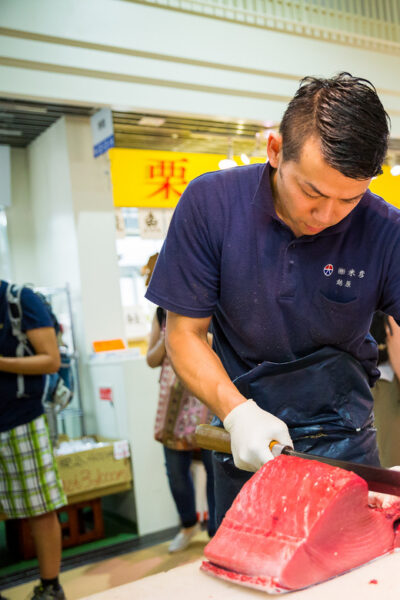
Tsukiji Fish Market Food and Culture Walking Tour
What we made of it →
Hungry Osaka Street Food Tour: 15 Dishes & 3 Drinks
What we made of it →
Tsukiji Fish Market: Street Food & Culture Walking Tour
What we made of it →Tsukiji Fish Market: Street Food & Culture Walking Tour
What we made of it →
[1 Group Only] Osaka Street Food Tour for Family
What we made of it →

Takoyaki making experience ~Japan’s popular street food~
What we made of it →Where this tour turns up