Review · ROME
Rome: Testaccio Market Food Tour with Street Food & Wine
Rome tastes better in Testaccio. This three-hour food walk takes you away from the usual tourist route and into one of the city’s most genuinely Roman districts. I especially like the generous tastings, which add up to a full meal, and the mix of food, wine, and neighborhood stories. The main consideration is timing: practical details describe the tour as 2.5 hours, while the headline duration is three hours, so leave room in your schedule.
You meet in Piazza di Testaccio, then follow a guide through the market and nearby streets. Guides such as Duné bring plenty of personality to the outing, while Marco has also led the experience. The small group, limited to 10 people, makes it easier to hear explanations and keep the food stops relaxed, though this is not a good choice if you have serious mobility limits.
Key points to know before booking
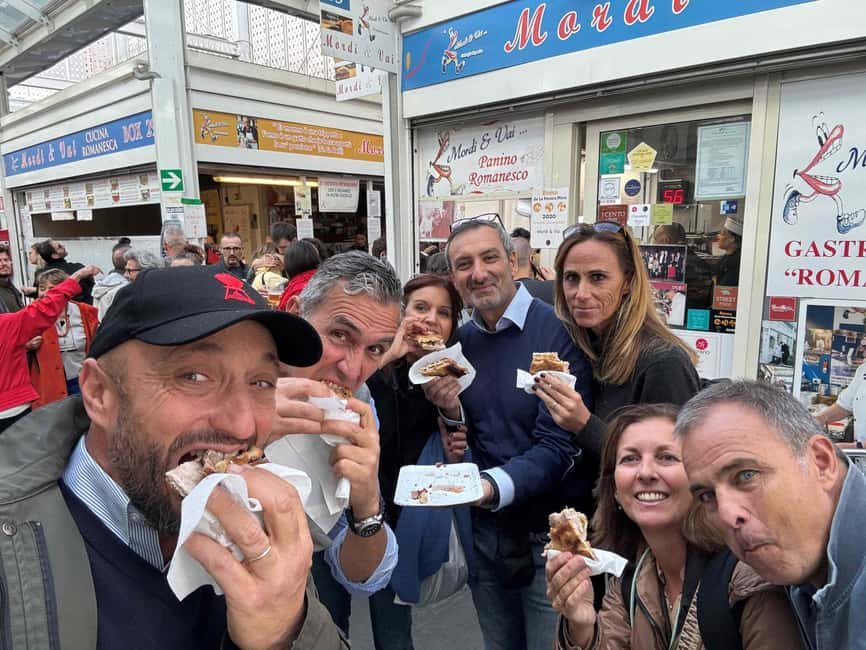
- Five food stops: Market stalls and nearby food spots provide enough tasting portions for a full Roman meal.
- Classic pasta is central: Expect Roman favorites such as carbonara, amatriciana, and cacio e pepe.
- Testaccio comes with a story: Your guide explains Monte Testaccio, the former slaughterhouse, and the area’s old river-port role.
- Wine is part of the meal: Tastings accompany the food, with a blind-tasting game and a small prize.
- The finale is pure Roman comfort: A maritozzo with whipped cream and espresso finishes the tour.
- Useful timing detail: The start time is 11:00 AM, Monday through Saturday, with no Sunday departures.
Why Testaccio makes a better food setting than central Rome
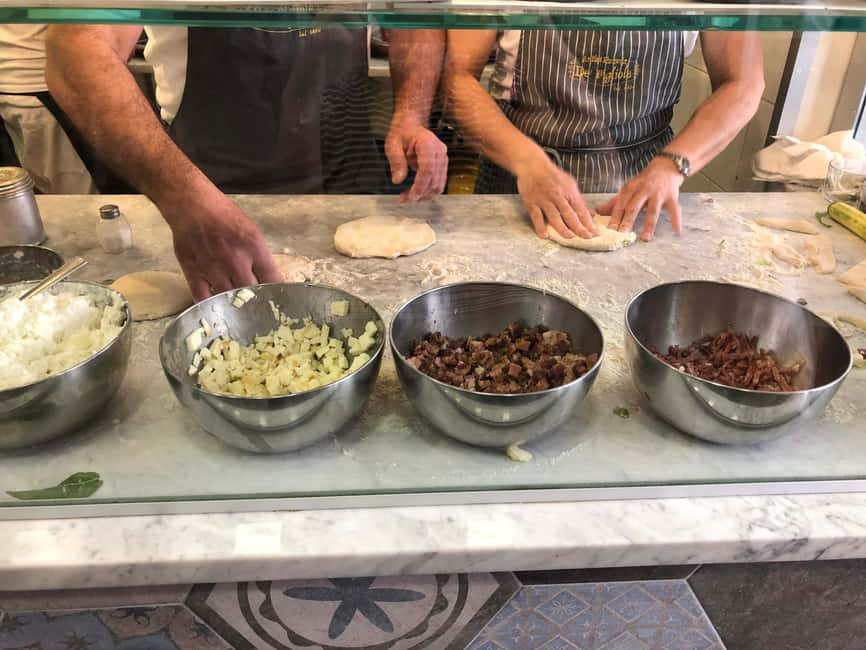
Rome’s famous center is wonderful, but food tours there can spend much of their time weaving through crowds and landmark traffic. Testaccio gives you a different view of the city. It has working-class roots, a market used by locals, and an everyday rhythm that feels less arranged for sightseeing.
The neighborhood also carries unusual pieces of Roman history. Monte Testaccio is a hill formed from broken ancient amphorae, the large clay containers once used to transport goods. The former slaughterhouse, known as the ex-mattatoio, helps explain Testaccio’s long connection with food and working life. The district also played a role as Rome’s historic river port.
That context matters because you are not simply eating in a market. You are learning why certain foods became part of Roman life and why this neighborhood developed its particular character. Duné has been praised for connecting the food with stories about the district and its people, rather than treating each stop as an isolated snack.
I like this kind of tour early in a Rome visit. You get an introduction to local dishes, hear names you will see again on menus, and learn how pasta, cured meats, cheese, and wine fit into the city’s food culture. You can then use that knowledge for the rest of your stay.
More Night Market Food Tours in Italy
- Roman Food Tour with Visit to the Trionfale Food Market
★ 5.0 · 471 reviews - Rome: Street Food, Local Market and Hidden Gems Tour
★ 5.0 · 57 reviews - Venice Street Food Tour with Local Guide with Local Food Market Visit
★ 5.0 · 822 reviews
Meeting at Piazza di Testaccio at 11:00 AM
The meeting point is Piazza di Testaccio, near the north side of the Amphora Fountain. More specifically, you should look for Edicola Emporio Testaccio beside the newsstand. The guide wears or carries a FoodLoverTour cap or bag, giving you a clear visual marker.
Arrive ready to eat. The guide checks dietary requirements before the tour starts, so this is the right moment to repeat any allergy or food restriction. Vegetarian and gluten-free choices are available, but the tour is not fully vegan.
The 11:00 AM departure is useful for two reasons. You can enjoy the market when food service is in full swing, and the tastings can serve as lunch. You should avoid planning a large midday meal afterward because the portions are described as generous.
Wear comfortable shoes. The tour uses the market and surrounding streets, and it runs in rain or shine. Although the walking is described as easy, the experience is not suitable for people with mobility impairments. The exact route may also shift slightly depending on market conditions and the stops being served that day.
The market stops: street food with a Roman accent
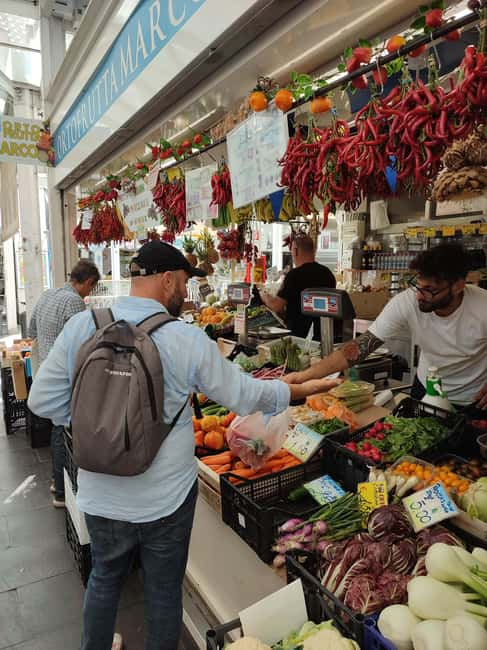
The first part of the outing centers on Testaccio Market and the nearby food scene. Rather than giving you a single sit-down meal, the guide moves you through several handpicked stops. This format lets you sample more dishes and see how different vendors contribute to Roman food culture.
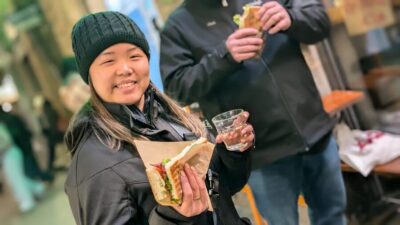
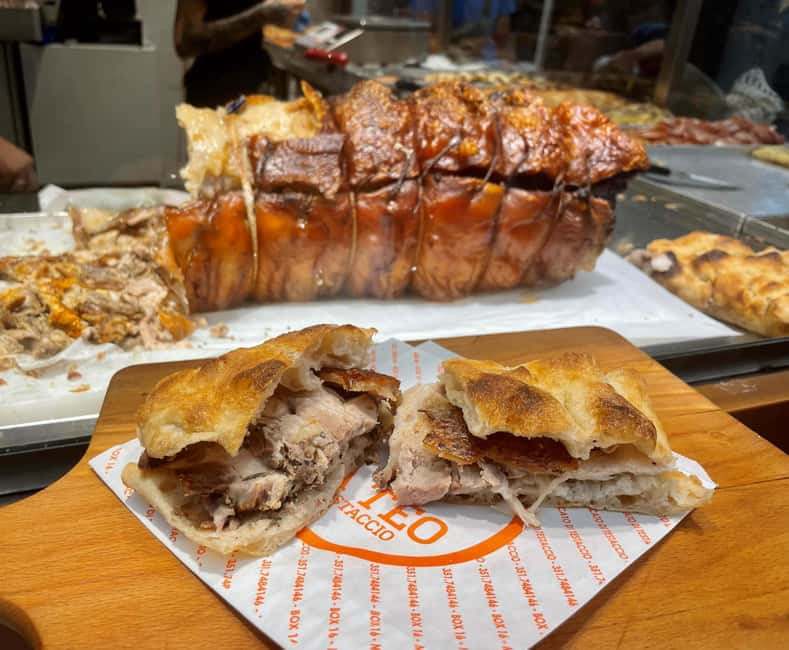
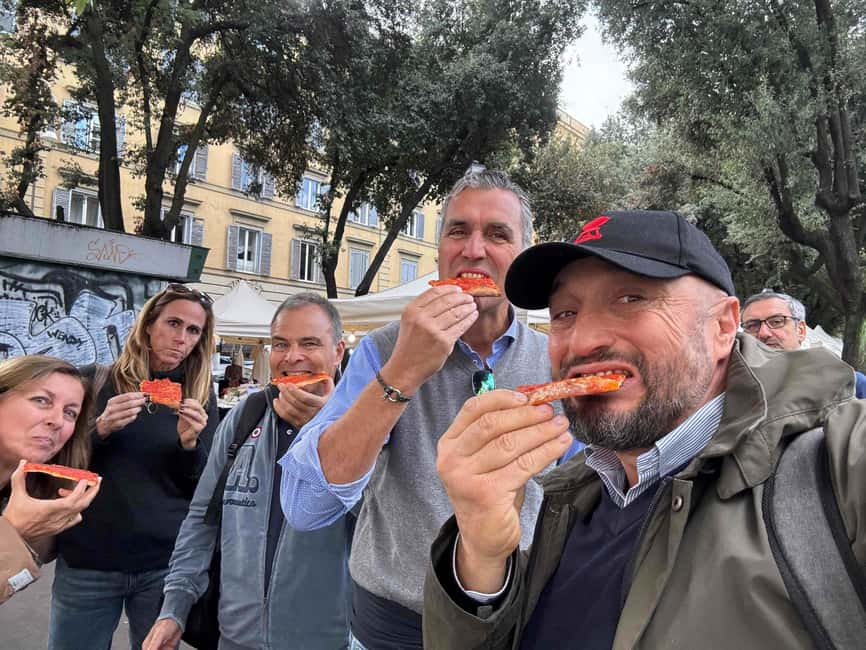
You can expect pizza by the slice and Roman-style sandwiches among the early tastings. These are useful introductions to the practical side of Roman eating: food that is quick, filling, and designed for daily life. The point is not tiny decorative bites. The portions are intended to build into a proper meal.
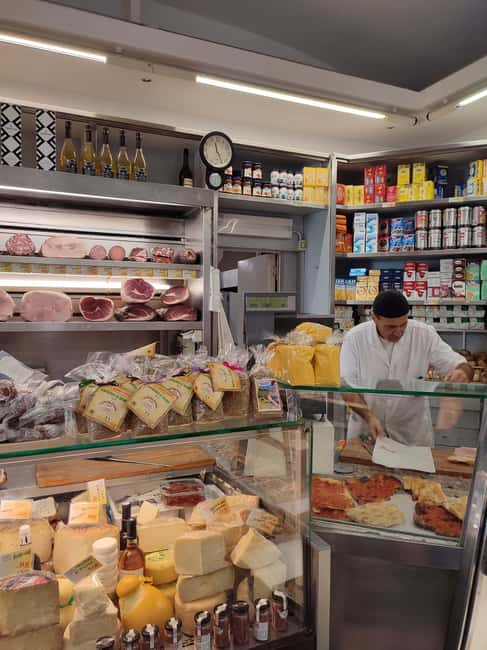
The market setting also gives the guide room to explain ingredients and habits as you eat. You may encounter cheeses and cured meats alongside the prepared foods. The exact vendors and offerings can vary, but the stated plan includes five local stops, with both market stalls and wine-focused locations.
I like this approach more than a tour built around one famous restaurant. A market route shows you several parts of the food chain and gives you a better sense of how Romans shop and snack. The tradeoff is that the experience is less predictable than a fixed restaurant menu. If a particular dish is your top priority, ask the guide what is planned when you arrive.
The pasta course: carbonara, amatriciana, and cacio e pepe
The main food event is homemade pasta with classic Roman sauces. Carbonara, amatriciana, and cacio e pepe are specifically named, giving you a useful taste of Rome’s best-known pasta traditions.
Carbonara is creamy in texture but traditionally gets that quality from egg and cheese rather than cream. Amatriciana brings tomato and cured pork, while cacio e pepe relies on cheese and black pepper. Tasting them within the same food tour lets you compare three sauces that look simple but depend on good ingredients and careful preparation.
This is where the tour begins to feel like more than a snack crawl. Pasta is one of the clearest ways to understand Roman cooking: a short list of ingredients, strong flavors, and little room to hide mistakes. Your guide can also help you recognize the names and ingredients later when you order in a restaurant.
Be realistic about the pace. You are sampling several foods, drinking wine, and moving between stops. This is not a long cooking class, and there is no indication that you prepare the pasta yourself. You are there to taste, learn, and enjoy the route.
More Street Food and Drinks Crawls in Italy
- Rome: Vatican Street Food and Wine Tour with Farmers Market
★ 5.0 · 37 reviews - Vatican Street Food Tour and Wine Experience with Local Guide
★ 5.0 · 7 reviews - Florence: Street Food Tour with Wine & Local Guide
★ 4.9 · 1,443 reviews - Florence: Street Food Walking Tour with Wine
★ 4.9 · 719 reviews
Wine pairings and the blind-tasting game
Wine appears throughout the tour rather than being saved for one final tasting. Pairing wine with pizza, sandwiches, pasta, cheese, and cured meats gives the meal a natural progression.
The blind-tasting game adds a playful break from the history and food explanations. You taste wine without being told exactly what it is, then take part in a small competition with a prize. It is a simple feature, but it helps keep the group involved and gives you something to talk about with the people around you.
The wine element does require a little planning. Because tastings are spread across the tour, you should pace yourself and drink water when available. Additional food and drinks are not included, so you should not assume that every extra order or beverage is covered by the $95 price.
For someone who enjoys wine, the pairings add clear value. If you do not drink alcohol, ask in advance what alternatives are possible. The supplied details confirm food accommodations for vegetarian and gluten-free diets, but they do not promise a fully alcohol-free tasting plan.
Monte Testaccio and the neighborhood’s working past
One of the best parts of the tour is the chance to connect food with place. Monte Testaccio is not a natural hill. It was formed from fragments of ancient amphorae, the clay vessels used to move goods through the Roman world.
That detail gives the neighborhood an unusual physical reminder of its commercial past. Your guide also discusses the former slaughterhouse and Testaccio’s role as a river port. Together, these subjects explain why the district became linked with markets, workers, meat, shipping, and practical Roman cooking.
Duné has received especially strong praise for making these facts lively and easy to follow. Her fluency in English and Italian also helps at the market, where communication with vendors can add another layer to the experience. You are not simply hearing a lecture while walking. The guide acts as a bridge between the food, the sellers, and the neighborhood.
The history is presented in short pieces between tastings, which suits the setting. You get enough background to understand Testaccio without spending the afternoon in a formal history lesson. That balance is important on a food tour, where the meal should remain the main event.
The sweet finish: maritozzo and espresso
The final stop brings the tour back to a classic Roman pastry: the maritozzo. This soft sweet bun filled with whipped cream is a fitting ending after a savory meal, and it is served with espresso.
The maritozzo is not just a generic dessert choice. It is closely tied to Roman café culture and gives you another food name to recognize during your stay. The espresso provides the familiar Italian finish, especially useful after a morning of eating and walking.
This final course also helps the three-hour format feel like a complete meal rather than a sequence of samples. You begin with street food, move through pasta and wine, and finish with pastry and coffee. If you have a sweet tooth, this may be the moment you remember most clearly.
What $95 gets you, and where the value lies
At $95 per person, this is not the cheapest way to eat lunch in Rome. You can certainly buy pizza, pasta, and coffee for less if you order on your own. The price makes more sense when you count the five stops, the wine tastings, the full-meal portions, and the guide’s time.
The strongest value is the combination of food and local context. You are paying to avoid guesswork, find several stops efficiently, understand what you are eating, and hear how Testaccio developed. A small group of up to 10 also gives the experience a more personal feel than a large coach-style food outing.
I would consider it good value for first-time visitors who want an easy introduction to Roman cuisine. It is also useful for repeat visitors who have already seen the Colosseum, Trevi Fountain, and Pantheon and want a neighborhood-focused morning.
The value is weaker if you are a very light eater, avoid wine, or prefer to choose every dish yourself. There are also no additional foods or drinks beyond what is listed, so budget separately if you want extras. The tour is generous, but it is still a guided tasting rather than an unlimited food experience.
Guide style and group size
The human side of this outing receives the most consistent praise. Duné is described as friendly, entertaining, and well informed about both food and local history. She is also fluent in English and Italian, which can make the market interactions feel more natural.
Marco and other guides may lead the tour, so the exact personality of your outing can vary. Still, the format gives the guide plenty of room to shape the experience around the group. With only 2 to 10 participants, you can ask questions without holding up a large crowd.
The minimum group size is two people. If fewer than two participants are booked, the tour may not run, so check the status of your departure when making plans. Children are welcome, but remember that the morning includes walking, wine tastings, and a steady series of foods. Parents should contact the provider about dietary needs in advance.
The tour is conducted in English. Other languages may be available by request, but you should arrange that before booking rather than assume it will be offered on the day.
Practical limits you should consider
The published information gives two durations: three hours in the main description and 2.5 hours in the practical notes. I would set aside three hours so you are not rushed, especially if the group pauses for questions or the food service takes a little longer.
The tour runs Monday through Saturday and does not operate on Sundays. It begins at 11:00 AM, which makes it a lunch replacement rather than an evening food crawl.
You can cancel up to 24 hours before the start for a full refund, and the booking option allows you to reserve while paying later when available. Full payment is required to confirm the booking. Dietary restrictions and allergies should be reported in advance, not at the last minute.
Rain does not cancel the tour, so check the forecast and bring suitable clothing. Comfortable footwear matters more than dressing up. The walking is not presented as difficult, but people with mobility impairments should choose another activity.
Who should book this Testaccio food tour?
I would recommend it to you if you want:
- A filling introduction to Roman food rather than a few token samples
- A neighborhood setting away from the busiest central sights
- Classic pasta, street food, wine, dessert, and coffee in one morning
- A small group with room for questions
- Local history explained alongside the food
- Help understanding Roman menu terms and food traditions
I would be more cautious if you need a wheelchair-accessible outing, want a fully vegan menu, dislike group activities, or do not drink alcohol. The tour may still suit vegetarians and people avoiding gluten, but you should give advance notice and confirm the available substitutions.
Should you book it?
Book this tour if you want Rome explained through its market stalls, pasta bowls, wine glasses, and working streets. The strongest reasons are the generous portions, five-stop route, lively guides such as Duné, and the chance to learn about Monte Testaccio and the old slaughterhouse while you eat.
Skip it if your priority is a formal cooking lesson, a fully vegan menu, or complete control over every dish. For most food-focused visitors, though, $95 buys more than lunch. It buys an organized introduction to Testaccio and a practical understanding of how Roman food fits into daily life.
FAQ
How long does the Testaccio food tour last?
The experience is described as lasting three hours, while the practical information gives a duration of 2.5 hours. Allow up to three hours in your schedule.
What time does the tour start?
The stated start time is 11:00 AM.
On which days does the tour operate?
It operates Monday through Saturday and is not available on Sundays.
Where is the meeting point?
Meet at Edicola Emporio Testaccio in Piazza di Testaccio, next to the newsstand and near the north side of the Amphora Fountain. Look for the guide with a FoodLoverTour cap or bag.
How many people are in each group?
Groups have between 2 and 10 participants. A minimum of two participants is required for the tour to run.
What food is included?
The tastings include Roman street food, pizza by the slice, Roman-style sandwiches, cheeses, cured meats, homemade pasta with sauces such as carbonara, amatriciana, and cacio e pepe, plus a maritozzo and espresso.
Is wine included?
Yes. Wine tastings are included throughout the tour, along with a blind-tasting game and a small prize.
Are vegetarian or gluten-free options available?
Vegetarian and gluten-free options are available if you notify the provider in advance. The tour is not fully vegan.
Is the tour suitable for people with mobility impairments?
No. The experience is not suitable for people with mobility impairments. Comfortable shoes are recommended, and the tour runs in rain or shine.
More Street Food and Drinks Crawls in Rome
- Hungry Osaka Street Food Tour:15 Tastings & 3 Drinks with a Local
★ 5.0 · 1,727 reviews - Cancun Taco Tour, Local Beer and Night Market with Transportation
★ 5.0 · 816 reviews - Budapest Centre Food Tour with 10+ Tastings, Wine & Street Food
★ 5.0 · 810 reviews - Authentic Vienna Food Tour inc. lunch, street food, 3 drinks
★ 5.0 · 749 reviews
More Night Market Food Tours in Rome
- Small Group: Michelin and Local Hawker Food Tour with 9 tastings
★ 5.0 · 1,890 reviews - Seoul Street Food Market Tour
★ 5.0 · 1,226 reviews - Athens: Food Market Visit and Cooking Class with Wine
★ 4.9 · 1,087 reviews - Seoul: Night Market Food Tour with Local Guide
★ 4.9 · 943 reviews
Just added around Rome
- Testaccio Street Food Tour Eat Like a Local★ 3.5 · 2 reviews
- Vegan Street Food Tour in Rome★ 5.0 · 6 reviews
- Tasty Trastevere Street Food Tour in Rome from Tiberine Island to Ponte Sisto★ 5.0 · 25 reviews
- Tasty Rome Street Food Tour around Campo de’ Fiori Market & Jewish Ghetto★ 5.0 · 2 reviews
- Vatican Street Food Tour and Wine Experience with Local Guide★ 5.0 · 7 reviews
- Gems of Rome: Small group E-bike tour with street food stops★ 5.0 · 36 reviews
- Rome Trastevere Street Food Tour: Eat and Drink Like a Local★ 5.0 · 35 reviews
- Campo de’ Fiori & Jewish Ghetto Rome Street Food & Walking Tour★ 5.0 · 5 reviews
Street Food and Drinks Crawls, compared.
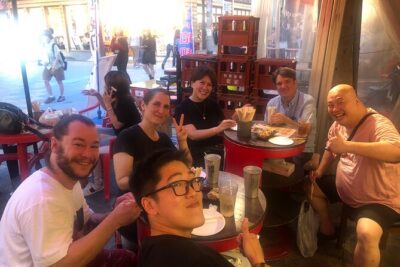
Hungry Osaka Street Food Tour:15 Tastings & 3 Drinks with a Local
What we made of it →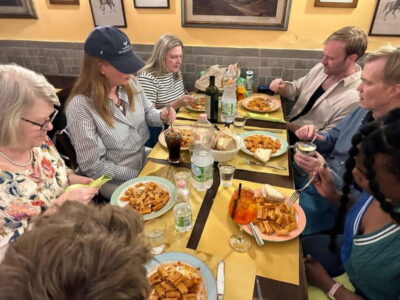
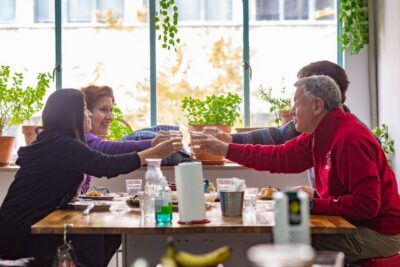
Food Market Visit and Cooking Class with Wine
What we made of it →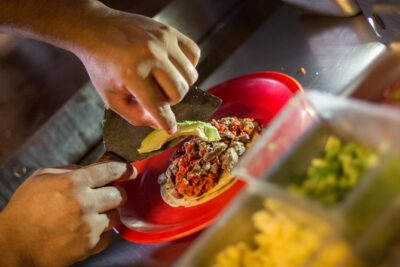
Cancun Taco Tour, Local Beer and Night Market with Transportation
What we made of it →Budapest Centre Food Tour with 10+ Tastings, Wine & Street Food
What we made of it →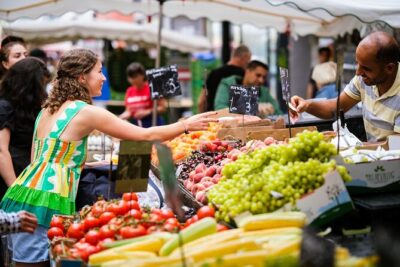
Authentic Vienna Food Tour inc. lunch, street food, 3 drinks
What we made of it →