
Review · ROME
Rome: Street Food Tour with Local Guide
Come hungry, leave with Roman food tips. This 2.5-hour walk links Campo de’ Fiori and the Jewish Quarter with five tastings, a little wine and beer, and plenty of local history. I especially like the mix of food and sightseeing, plus the way the route reaches smaller lanes and neighborhood shops instead of sticking only to Rome’s grand monuments. The main drawback is that portions can vary, so this is better as a generous tasting session than a full dinner.
I also like the short walking distances between stops. You get time to focus on each bite, while guides such as Mattia, Francesca, Marco, Ramona, and Tiziano add stories about Roman food and the city around you. Be aware that food is served standing up, the morning route is the only one that includes the Campo market, and the tour is not suitable for vegans or people with gluten intolerance.
Five things to know before you book
- The meeting point is under Giordano Bruno: Find the statue in the middle of Campo dei Fiori square.
- Five tastings form the backbone: Expect Roman favorites such as pizza, supplì, cured meats, artichoke, and gelato, with one sample of wine and one sample of beer.
- The morning has an extra market advantage: Campo de’ Fiori’s open-air market is open only during the morning tour.
- The route covers important Roman corners: You pass the Jewish Ghetto, Portico of Octavia, Turtle Fountain area, Pantheon, and Sant’Eustachio.
- The guides are a major strength: Mattia, Francesca, Marco, Ramona, Barbara, and others are repeatedly praised for warmth, humor, food knowledge, and Rome tips.
- Plan your next meal carefully: The food may be plentiful, but you should not assume the tastings replace lunch or dinner.
Starting under Giordano Bruno in Campo dei Fiori
The tour begins at the statue of Giordano Bruno, in the center of Campo dei Fiori. This is a practical meeting point, but it is also a useful opening chapter for Rome. Bruno was a philosopher executed in the square, and the statue gives your guide a natural way to talk about the city’s complicated past before anyone takes a bite.
Campo dei Fiori is one of Rome’s best places to begin a food walk because it shifts character during the day. In the morning, the square hosts an open-air market. Stalls sell food and other goods, giving you a visual introduction to ingredients before you taste them. If you book later, you will miss the market itself, although the square and its surrounding lanes remain part of the route.
That timing point matters. I would choose a morning departure if the market is important to you. An afternoon or evening walk may offer a different feel, but the market visit is specifically tied to the morning tour.
More Street Food Tours in Rome:
- Rome: Trastevere & Campo de Fiori Street Food Walking Tour
★ 4.9 · 2,768 reviews - Rome Street Food Tour with Local Guide
★ 5.0 · 2,361 reviews - Rome: Trastevere Street Food Walking Tour with Local Expert
★ 4.8 · 1,784 reviews
Pizza, wine, and Roman bites around Campo dei Fiori
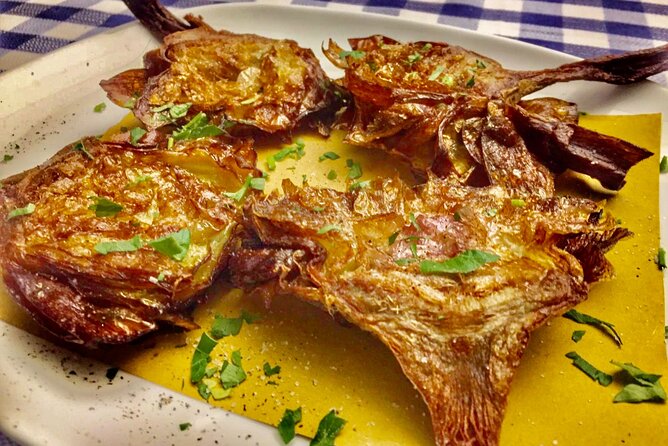
The first tastings take place around Campo dei Fiori and nearby streets. The food list centers on familiar Roman staples, but the guide helps explain what you are eating and why it matters. You may try pizza, cured meats, artichoke, and other local specialties as the group moves between stops.
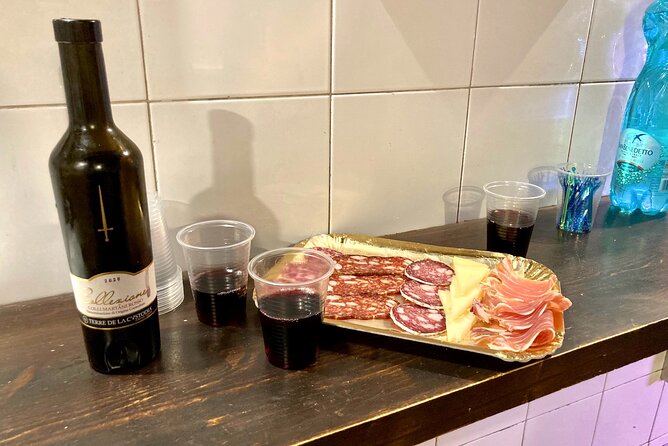
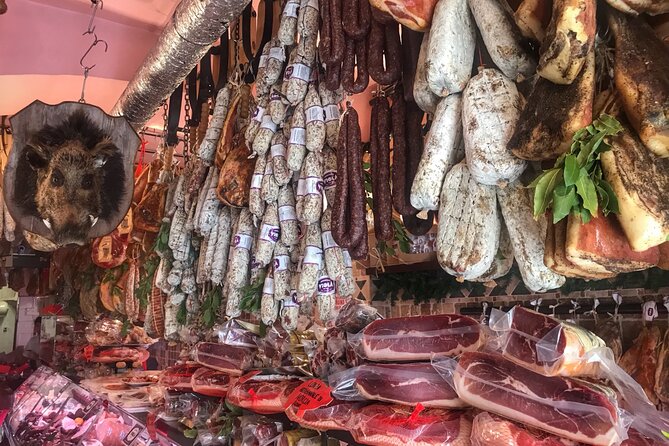
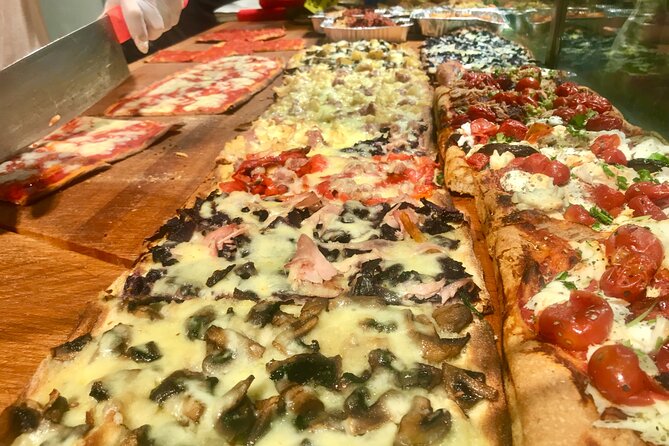
The pizza is not presented as a formal restaurant meal. Think of it as a focused sample that lets you compare a Roman everyday favorite with the other foods on the route. The same goes for the salami and cured meat. These tastings are useful if you want an introduction to local flavors without committing to a large plate or a long restaurant sitting.
A small wine sample and a beer sample are included. They add variety and help break up the food stops, though extra drinks cost more. If you are hoping for a full evening of wine, this is not that kind of tour. It is a food walk with modest drinks along the way.
The guide’s explanations are part of the value. Mattia is frequently praised for combining humor, history, and food without letting the talk become dull. Francesca is also praised for explaining the background of each food and drink. That combination makes a difference: a simple slice of pizza becomes more memorable when you understand its place in Roman daily life.
Via dei Chiavari and the art of the Roman snack
The route continues toward Via dei Chiavari, where another street food tasting takes place. This section is a good example of why a walking food tour can work better than a list of restaurants. You are moving through the old center, stopping for food in the same lanes where people shop, eat, and go about daily life.
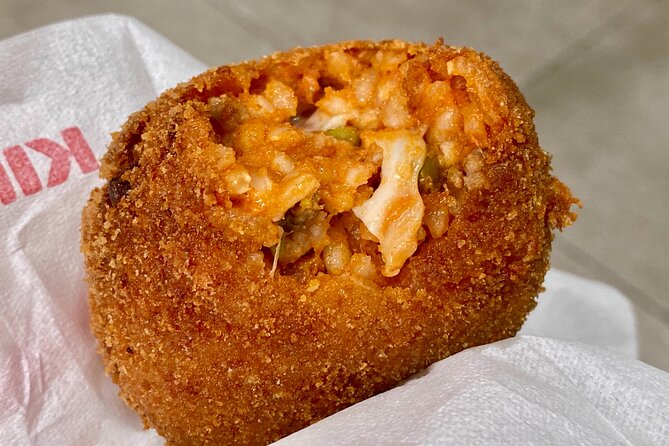
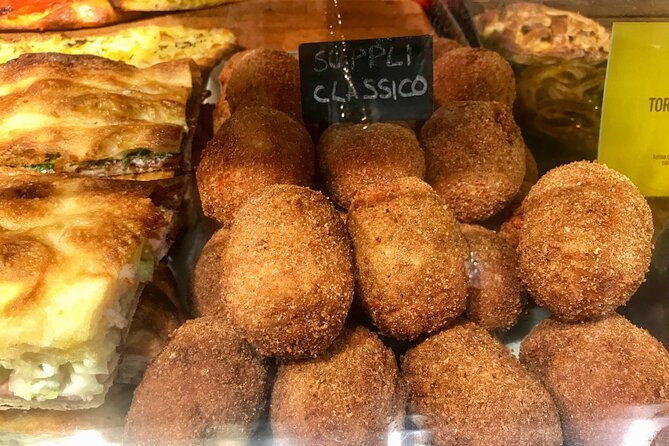
One signature bite is supplì, a deep-fried rice ball. It is a classic Roman snack, usually crisp on the outside and soft inside. The tour gives you a chance to try it as part of a broader meal rather than ordering it blindly from a menu.
Supplì became such a hit for some people that they returned later in the week for more. That is a useful sign for you if you want practical food leads, not just a one-time sample. Your guide can point out places worth remembering, and several guides also give restaurant suggestions for later in your stay.
The food portions are best understood as a sequence. You may receive more than expected, and several people have found the amount surprisingly filling. Still, one useful warning remains: do not book this expecting a guaranteed full dinner. If you take the evening tour, you may want a light meal afterward, depending on the portions served that day.
The Jewish Ghetto, where food and memory meet
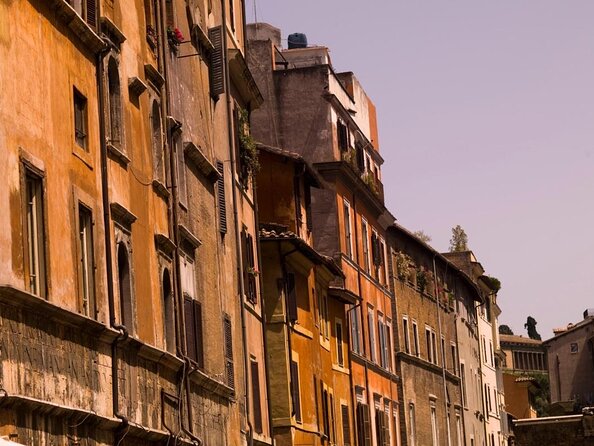
From Campo dei Fiori, the group walks into Rome’s Jewish Quarter. The route is short in distance but large in historical weight. Here, the food is not separated from the place. Roman Jewish cooking has its own traditions, and the guide connects the neighborhood, its buildings, and its dishes.
The Jewish Ghetto is one of the most rewarding parts of the tour for people who want more than a quick snack crawl. You get food, but you also get a sense of how different communities shaped Rome. Andrea, Ramona, and Mattia are among the guides praised for making this part of the city easier to understand through stories and local context.
The route includes a stop near the Portico of Octavia. This ancient structure was originally built under Augustus, Rome’s first emperor. You will have a brief photo stop here, rather than a long archaeological visit, so keep your expectations in check. The value is seeing the monument as part of a neighborhood walk, not studying it in detail.
You also pass the Turtle Fountain, associated with Bernini and Della Porta. Depending on the exact route and group pace, your guide may use nearby sights to explain Rome’s art and public spaces. This is one reason the tour feels broader than a simple food tasting: the stops give you a moving introduction to the historic center.
Same place, a different plate:
- Roman Food Tour with Visit to the Trionfale Food Market
★ 5.0 · 471 reviews - Trastevere & Campo de’ Fiori Street Food Tour, Eat Like a Local
★ 5.0 · 207 reviews - Hidden Rome: Small Group E-Bike Tour with Street Food Stops
★ 5.0 · 169 reviews - Hidden Rome: Small Group E-Bike Tour with Street Food Stops
★ 4.9 · 144 reviews
From the Pantheon to a sweet finish
After the Jewish Quarter, the walk continues through central Rome and passes by the Pantheon. This is a scenic part of the route rather than a ticketed visit inside the monument. You should not expect a guided Pantheon tour or entry. Instead, you get a view of one of Rome’s essential landmarks while moving toward the final food stop.
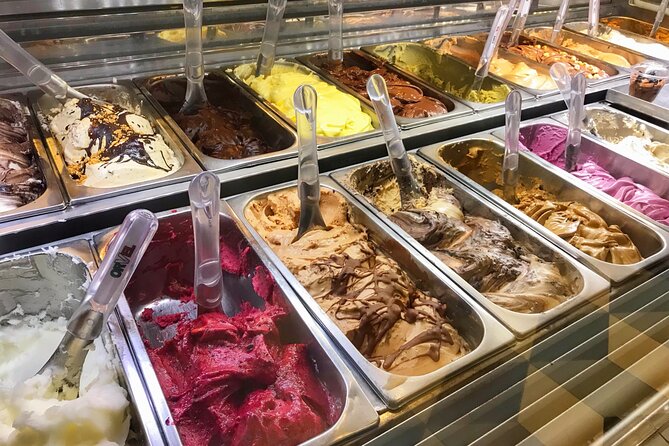
The last tasting is dessert, usually gelato. Ending with gelato is a sensible choice after salty foods, cured meat, fried supplì, and pizza. The guide can also help you think about flavor choices. One person found a hazelnut gelato disappointing but enjoyed an unusual orange, lemon, and chili combination. That is a reminder that gelato quality and flavor preference can vary, even when the stop itself is worthwhile.
The route passes near Sant’Eustachio, an area known for its historic café culture. Some guides point out the famous coffee shop there and share stories about its place in Rome. Coffee is not listed as an included tasting, so do not assume it is part of your package. Still, it can be a useful recommendation if you want to return later.
By the final scenic sections, you have covered a surprising amount of central Rome without a punishing walk. The itinerary includes several short walks of two to five minutes, along with longer stretches of sightseeing. Comfortable shoes are still sensible, since you will be on old city streets and standing at food stops.
What the 53 dollar price really buys
At $53 per person, this tour sits in the reasonable range for a guided food walk in a major European capital. You are paying for five tastings, a beer sample, a wine sample, a guide, and a walking route through two historic districts. You are also paying for help finding places and foods you might otherwise pass without noticing.
The value is strongest if you are new to Rome or want to understand the city’s food culture quickly. A good guide can save you from wasting a meal on a poor choice and can give you names to remember for later. Several guides also share practical suggestions for restaurants and places to visit, which adds value beyond the 2.5 hours.
The value is weaker if you mainly want a large meal. Portions can be generous, but the tour is designed around tasting five items at several stops. You may leave satisfied, or you may still want dinner. That depends on the day’s servings, your appetite, and how much you eat at each stop.
Food is served while standing. This keeps the route moving and suits the street food idea, but it may not work well for anyone who needs a seated meal or prefers a slower restaurant setting.
How the guides shape the experience
The strongest part of this experience is the guide. The food is important, but the tour depends on someone who can keep the group together, explain the neighborhood, answer questions, and make the stops feel connected.
The guide team includes names such as Mattia, Francesca, Marco, Ramona, Barbara, Tiziano, Andrea, Chiara, and Kristian. Their styles will differ, but the praise is consistent: warm, funny, energetic, and well informed about both food and Rome.
Mattia is especially noted for making history come alive and for balancing information with humor. Francesca is praised for her kindness, care, and detailed explanations about food. Marco is often credited with useful restaurant recommendations and a relaxed approach with families. Barbara receives praise for managing the pace well, giving you enough time to eat without letting the group drag.
That pace is important. A food tour can become tiring if the guide talks too long between bites or rushes everyone through the stop. Here, the route uses short walking sections and frequent tastings, which helps keep the 2.5 hours moving.
Group sizes can be small on some departures. One group had around eight or nine people, a size that made it easy to talk with others and ask questions. Group size can change, so you should not count on a private-feeling tour every time.
Dietary limits and practical planning
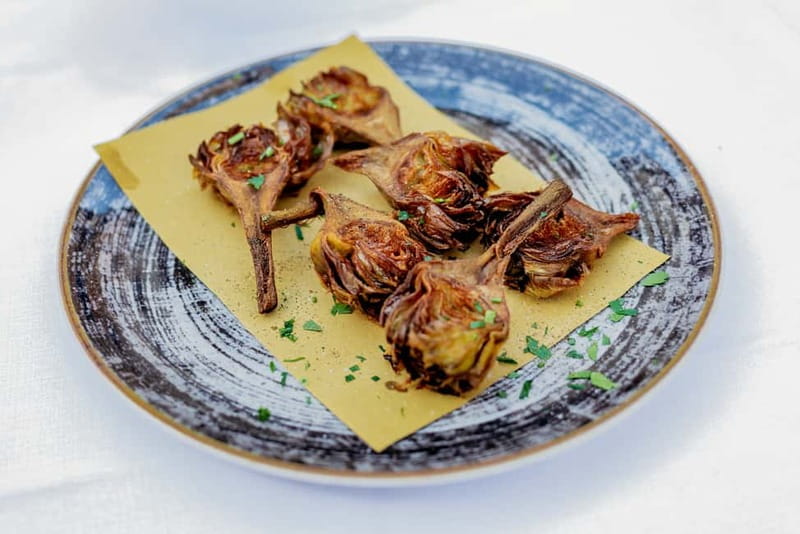
Vegetarian options are available if you tell the provider in advance. This is worth doing at booking, not at the meeting point. The food range can include pizza, artichoke, and other meat-free items, but the exact substitutions depend on what each stop can provide.
The tour is not suitable for vegans or people with gluten intolerance. Dairy restrictions may also make the experience difficult, even when the guide tries to help. If you have an allergy or strict dietary requirement, contact the provider before booking and get a clear answer.
The tour is conducted in English. You should arrive at the Giordano Bruno statue in the middle of Campo dei Fiori, not just somewhere near the square. Since the meeting point is in an open public space, allow a little time to locate the statue and your guide.
Free cancellation is available up to 24 hours before the start time, and you can reserve now and pay later. Those terms are useful if your Rome schedule is still changing, but the food and timing details matter more when deciding if this tour fits you.
Who should book this Rome food walk?
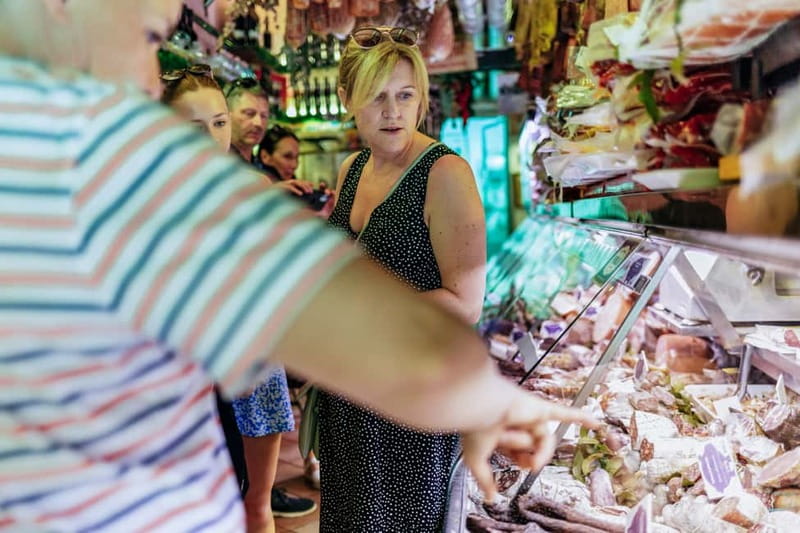
I would recommend it to first-time visitors who want a quick orientation to central Rome with something to eat at every stage. It also suits people who enjoy trying local specialties but do not want to spend hours planning restaurants.
Families can do well here, especially when the guide keeps the group moving and includes approachable foods such as pizza, fried rice balls, cured meats, and gelato. Children may enjoy the frequent stops, though standing to eat and walking through crowded old streets may not suit every family.
Food-focused visitors should book this near the beginning of their stay. You can return to the places you like, follow up on the guide’s restaurant suggestions, and use the first walk to understand Roman food terms.
I would skip it if you need a seated meal, avoid gluten, follow a vegan diet, or want an in-depth visit inside the Pantheon or other monuments. The historic sights are part of the route, but the food remains the main event.
Should you book the Campo dei Fiori and Jewish Quarter tour?
Yes, if you want a friendly introduction to Rome’s food and old center in one compact outing. The strongest reasons are the well-chosen mix of Roman bites, the Jewish Quarter route, and guides who add useful history without turning the tour into a lecture.
Book the morning if seeing the Campo market matters to you. Tell the provider about vegetarian needs in advance, wear comfortable shoes, and treat the tastings as a substantial snack rather than a guaranteed dinner.
At $53, the tour offers good value for a first taste of Roman food and neighborhoods. It is not the best choice for strict dietary needs or a formal sit-down meal, but for most food-curious visitors, it is an easy and enjoyable way to get your bearings in the historic center.
FAQ
Where does the Rome street food tour meet?
Meet under the statue of Giordano Bruno in the middle of Campo dei Fiori square.
How long does the tour last?
The walking food tour lasts 2.5 hours.
What food is included?
The tour includes five street food tastings. Foods can include pizza, supplì, cured meats, artichoke, gelato, and other Roman specialties.
Are drinks included?
One sample of beer and one sample of wine are included. Extra drinks are not included.
Is the Campo dei Fiori market open for every tour?
No. The market is open only during the morning tour.
Can I join if I am vegetarian or have dietary needs?
Vegetarian options and other dietary arrangements may be available with advance notice. The tour is not suitable for vegans or people with gluten intolerance.
Just added around Rome
- Testaccio Street Food Tour Eat Like a Local★ 3.5 · 2 reviews
- Vegan Street Food Tour in Rome★ 5.0 · 6 reviews
- Tasty Trastevere Street Food Tour in Rome from Tiberine Island to Ponte Sisto★ 5.0 · 25 reviews
- Tasty Rome Street Food Tour around Campo de’ Fiori Market & Jewish Ghetto★ 5.0 · 2 reviews
- Vatican Street Food Tour and Wine Experience with Local Guide★ 5.0 · 7 reviews
- Gems of Rome: Small group E-bike tour with street food stops★ 5.0 · 36 reviews
- Rome Trastevere Street Food Tour: Eat and Drink Like a Local★ 5.0 · 35 reviews
- Campo de’ Fiori & Jewish Ghetto Rome Street Food & Walking Tour★ 5.0 · 5 reviews
Street Food Tours, compared.
Old Town, Creek, Museums, Souks, & Street Food Tour
What we made of it →
Ho Chi Minh City Street Food Tour & Sightseeing By Motorbike
What we made of it →
Comuna 13 Graffiti Tour, Cable Car & Street Food
What we made of it →
Old Town, Souks, Street Food, Guided Tour & Abra Ride
What we made of it →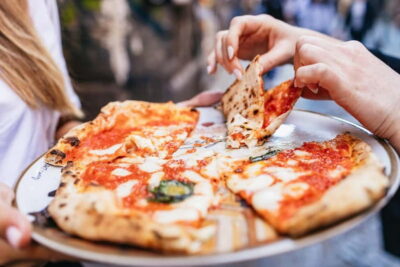
Small Group Hanoi Street Food Tour with a Real Foodie
What we made of it →
Saigon By Night and Street Food By Motorbike | Opt: Ao Dai Riders
What we made of it →
Private Street Food Tour by Motorbike/Car with Local Students
What we made of it →Where this tour turns up