
Review · ROME
Eat & Walk : Street Food in the Center & Trastevere
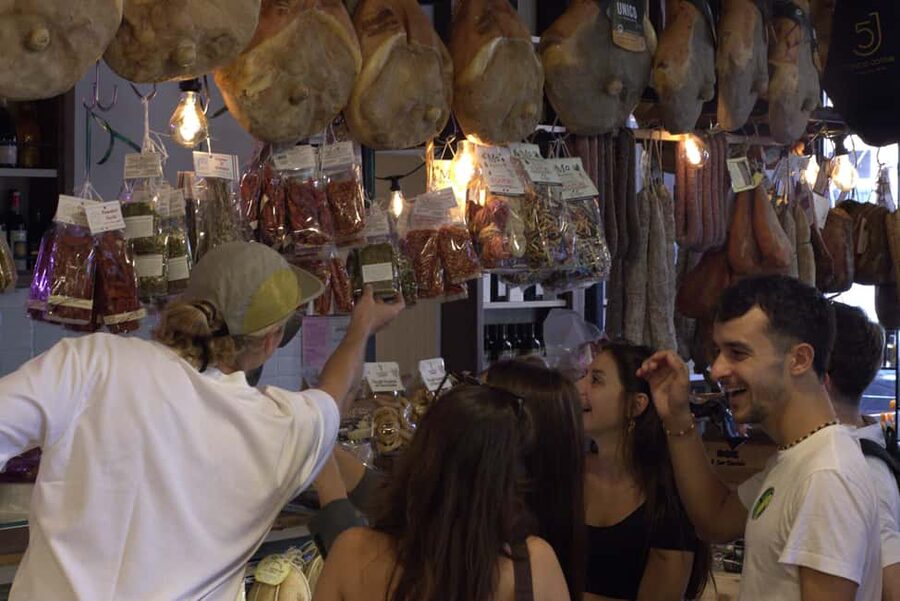
Rome tastes best on foot. This two-hour walk links ancient piazzas, the Jewish Ghetto, the Pantheon, and Trastevere with stops for Roman street food and local history. I especially like the compact route and the way food, daily life, and landmarks are folded together rather than treated as separate subjects.
I also like that guides such as Claudio and Gabriele have been praised for making the walk lively and personal. The main thing to consider is the limited amount of food: one participant counted pizza, deli meat and cheese, and gelato, and wished for a bakery stop. Food is served standing, and the tour is not suitable for vegans, people with lactose intolerance, celiac disease, or serious food allergies.
What makes this Rome food walk worth considering

- Three central Roman neighborhoods in two hours: The route connects the historic center, the Jewish Ghetto, Sant’Eustachio, and the streets toward Trastevere without requiring public transport.
- Food paired with place: Tastings are linked to bakeries, markets, shops, and old squares, so you learn where Roman food fits into city life.
- Guides who shape the experience: Claudio, Gabriele, and Gabrielle are singled out for humor, care, and strong knowledge of Rome and its food.
- A short route with plenty of landmarks: You pass Campo de’ Fiori, Turtle Fountain, the Pantheon, and Piazza Navona while eating along the way.
- A practical food warning: This is not a flexible tasting menu. Gluten, dairy, nuts, shellfish, and cross-contamination matter here.
- A fair price for a guided introduction: At $53 per person, the value rests on the guide, tastings, and efficient sightseeing rather than on a large quantity of food.
Starting at Piazza delle Cinque Lune
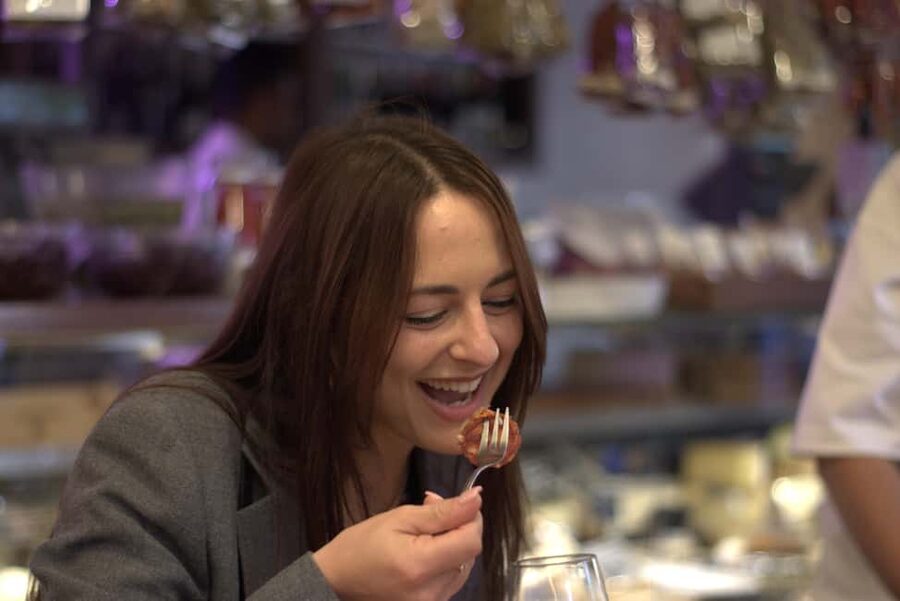
The meeting point is Piazza delle Cinque Lune 75, near the McDonald’s. That landmark is useful in a city where street names can feel less helpful than a familiar storefront. Your tour leader waits there, so arrive with enough time to locate the square and settle in before the group moves off.
This is a good starting area for a food walk because you are already among some of Rome’s most famous central sights. The experience does not begin with a long transfer or a coach ride. You meet your guide, then set out on foot through streets where the old and ordinary sit side by side.
You need comfortable shoes. The route includes repeated walks of roughly ten minutes between stops, and the tour lasts two hours. Bring water and a camera, but remember that food is served while standing. If you prefer a sit-down meal with a table, waiter, and time to linger, this is the wrong format.
More Street Food Tours in Rome:
- Rome: Street Food Tour with Local Guide
★ 4.8 · 4,077 reviews - Rome: Trastevere & Campo de Fiori Street Food Walking Tour
★ 4.9 · 2,768 reviews - Rome Street Food Tour with Local Guide
★ 5.0 · 2,361 reviews
Campo de’ Fiori and the first taste
Campo de’ Fiori is the first listed tasting stop, with about ten minutes set aside for food. The square is one of Rome’s best-known public spaces, and its mix of daily commerce, old buildings, and heavy foot traffic gives the guide plenty to discuss.
The value here is not just the bite in your hand. A guide can explain how Roman food connects to the city’s markets and working routines while you stand in a place that has long been part of central Rome’s public life. You get a quick orientation to the city through flavor, not a lecture delivered in a museum room.
Keep your expectations measured. A ten-minute stop is enough for a tasting and some context, not a full market visit or leisurely lunch. If you want to browse every stall or sit over a plate of food, you will need to return on your own.
The Jewish Ghetto and Roman food traditions
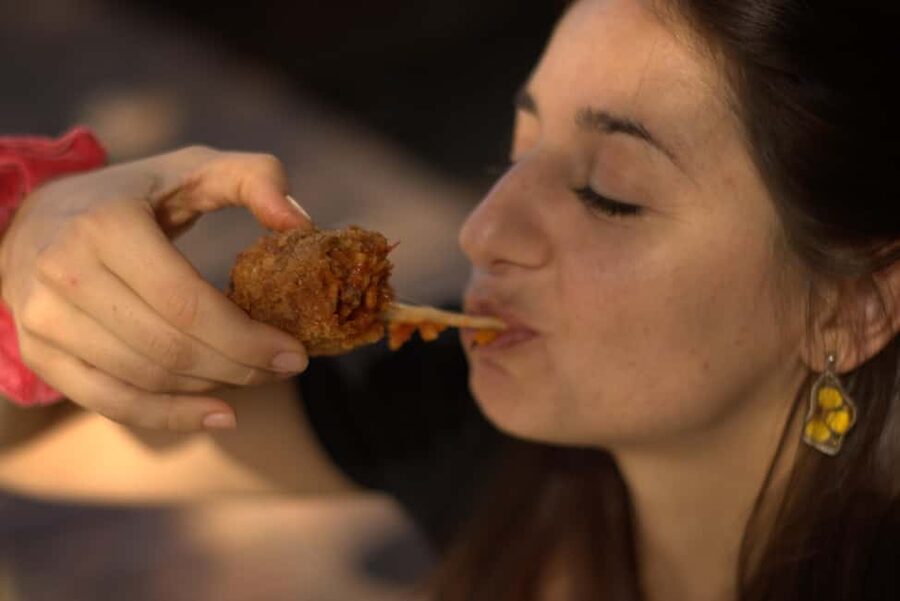
After another walk of about ten minutes, the route reaches Rome’s Jewish Ghetto for a food market visit. This part adds cultural weight to the tour because the neighborhood offers a different setting from the grand open squares and major monuments nearby.
You will have time to look around and hear about the area while continuing the food theme. The tour description points to local specialties, savory cheeses, cured meats, and classic Roman dishes, so this is one of the places where you can see how food traditions are tied to neighborhoods and family habits.
The schedule again allows about ten minutes. That is enough for a focused stop, but not enough for a detailed neighborhood tour. I would treat this as a first introduction, then return later if the Ghetto catches your interest. The route is useful for showing you where to wander next, even if it cannot tell the whole story.
Turtle Fountain and the quieter streets
The Fontana delle Tartarughe, or Turtle Fountain, is the next sightseeing stop. Unlike Campo de’ Fiori or the Pantheon, this is a more intimate landmark, and it gives the walk a change of pace.
You are not simply moving from one famous monument to the next. The route includes quieter backstreets and smaller public spaces, which helps you see Rome as a lived-in city rather than a checklist of grand attractions. This is also where a good guide can make a real difference by pointing out details you might otherwise pass without noticing.
The stop lasts about ten minutes. There is no separate tasting listed here, so consider it a pause for architecture, local atmosphere, and explanation before the next food-focused section. The short stop keeps the tour moving, but it also means you will not spend long studying the fountain.
Same place, a different plate:
- Rome: Trastevere Street Food Walking Tour with Local Expert
★ 4.8 · 1,784 reviews - Roman Food Tour with Visit to the Trionfale Food Market
★ 5.0 · 471 reviews - Trastevere & Campo de’ Fiori Street Food Tour, Eat Like a Local
★ 5.0 · 207 reviews - Hidden Rome: Small Group E-Bike Tour with Street Food Stops
★ 5.0 · 169 reviews
Sant’Eustachio, street food, and a central Roman pause
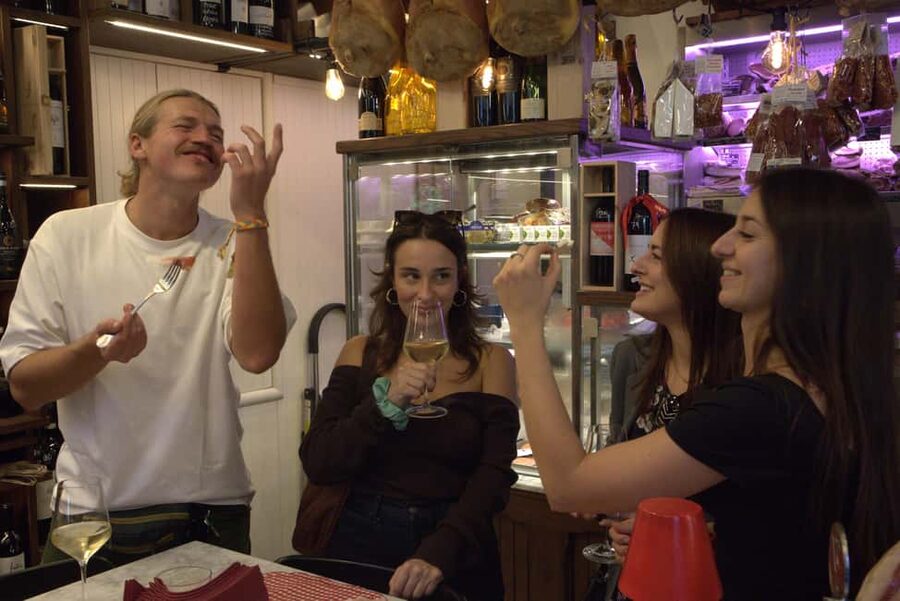
The route then continues toward Sant’Eustachio for street food, sightseeing, and another tasting. This is one of the most useful combinations on the walk because the setting and the food arrive together.
Sant’Eustachio places you close to the Pantheon and the dense historic center. You can expect another brief food stop, with the guide explaining what you are tasting and how it fits into Roman habits. The experience is designed to keep you moving, so the emphasis is on sampling and learning rather than eating a full serving.
Food lovers should note the limits clearly. One participant described three main food stops across the tour: pizza, deli meat and cheese, and gelato. That is a reasonable introduction for a two-hour walk, but it is not a progressive meal with many courses. If you are hungry enough to expect lunch, plan another meal afterward.
The Pantheon without losing the food thread

The Pantheon follows, with around ten minutes for sightseeing. This is the tour’s grandest monument, and it gives the guide a chance to connect Roman history with the streets and foods you have just encountered.
The short visit is best for orientation and outside context. The supplied details do not promise admission inside the Pantheon, so you should not book this walk expecting a dedicated interior visit. You will see the monument as part of the walking route and hear about its place in Rome’s story.
I like this part because it prevents the food experience from becoming too narrow. You are not only tasting pizza, cheese, cured meats, or gelato. You are also learning how those tastes sit within a city shaped by ancient buildings, religious sites, markets, and everyday movement.
Piazza Navona and the final stretch toward Ponte Sisto
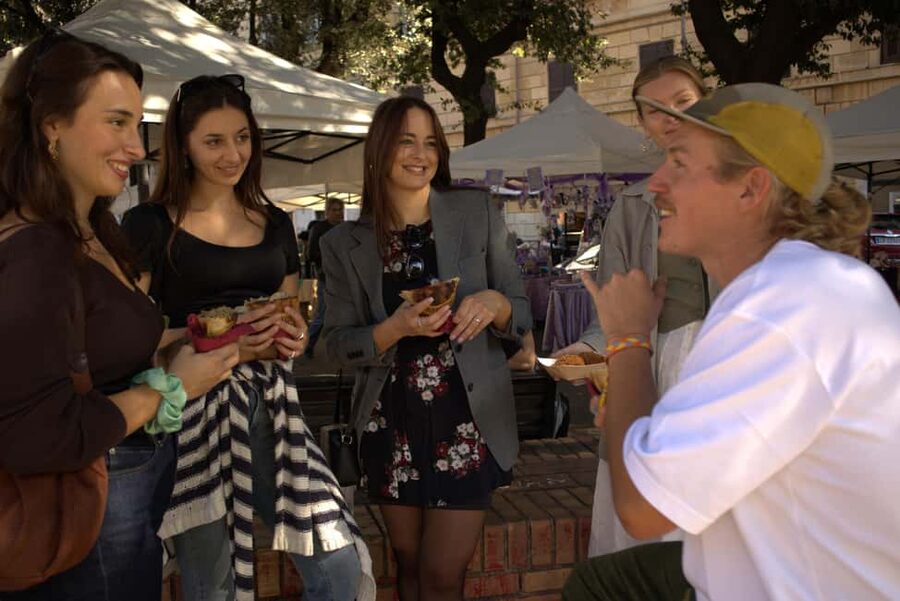
Piazza Navona comes next, with about ten minutes for sightseeing. The square is a natural highlight for a first visit to Rome, and it gives you another large public space after the smaller Turtle Fountain and the market setting of the Jewish Ghetto.
The guide can use this stop to help you connect the route. You have moved through several parts of central Rome, and the square offers a clear sense of how close many major sights are when you travel by foot. The walk does not isolate each attraction. It shows you how they relate to one another.
The tour finishes at Ponte Sisto, in the direction of Trastevere. This ending is practical. You are not returned to the original meeting point, so you should plan your next move from the bridge. It also leaves you near an area suited to further evening wandering or a meal, though the tour itself ends at the bridge.
How much food do you really get?

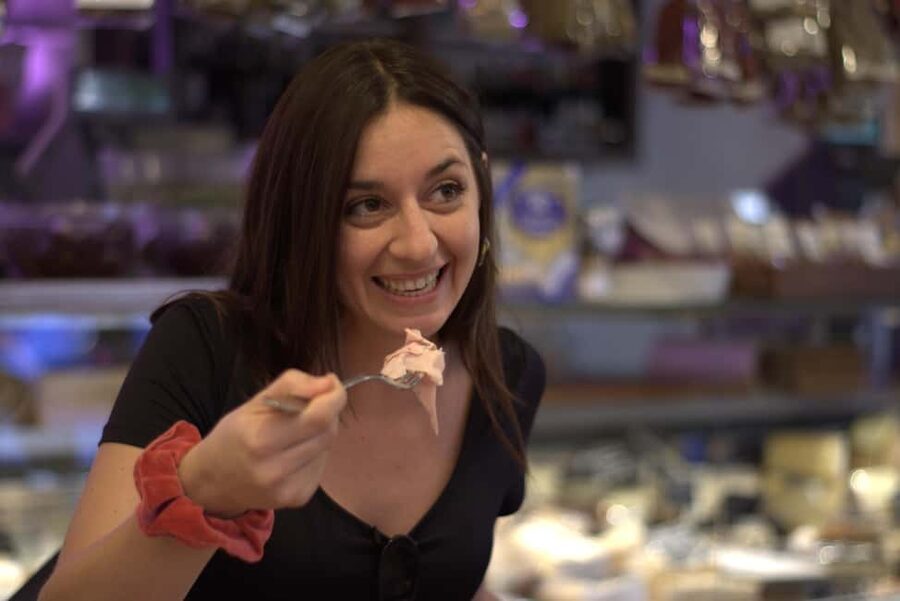
The strongest food stops appear to be pizza, deli meats and cheeses, and gelato. The tour description also refers to savory cheeses, cured meats, classic dishes, freshly baked bread, and family-run trattorias, but the exact tasting menu can vary.
That uncertainty matters. Food tours often sound larger on paper than they feel in the stomach, and this one is best understood as a sampling walk with sightseeing. The route gives you enough to compare a few Roman flavors and discover where you might want to eat later. It does not replace breakfast, lunch, or dinner.
One participant specifically wished for a bakery tasting. If bread, pastries, or baked Roman specialties are your main reason for booking, ask about the current tasting plan before you commit. The advertised experience mentions traditional bakeries, but the available feedback points to pizza, deli fare, and gelato as the clearest food stops.
The standing format also changes the mood. You will eat quickly, perhaps while listening to the guide or looking around a square. That feels suitably Roman and informal, but it may not suit anyone who needs time to sit, rest, or eat slowly.
The guides are the heart of the tour
The food is important, but the guide determines how much you take away. Claudio is praised for giving a strong view of both the city and its food during the two-hour walk. Gabriele is described as attentive, charismatic, and central to the enjoyment of the experience. Another guide, Gabrielle, is praised for making the historic walk playful and appealing to children.
Those details tell you what to look for. This is not meant to be a silent procession from snack to snack. You should expect stories about Rome, explanations of local food, and a friendly tone. The best moments will likely come when the guide connects a dish to the street you are standing on or turns a monument into part of the wider story.
The experience has received an overall rating of 4.9 from six ratings, with five five-star ratings and one four-star rating. That is a very small sample, so I would treat it as encouraging rather than final proof. Still, the praise is consistent around the same points: friendly guides, enjoyable history, local food, and an entertaining walk.
The $53 price and what it buys you
At $53 per person, you are paying for a two-hour guided walking experience with food tastings, not simply for the cost of snacks. The price also covers the guide’s local context and the planning that links several central neighborhoods into one efficient route.
I think the value is good if you want a first taste of Rome and prefer a guide to help you make sense of the city. You visit several major areas without arranging separate transport, and you finish with a better idea of where to keep exploring.
The value is weaker if you judge a food tour by quantity alone. Three modest food stops may not feel like $53 worth of lunch, especially if you need a full meal afterward. The right question is not Will this feed me all day? It is Will this help me understand Rome through a few local tastes and a guided walk?
The booking terms add useful flexibility. You can cancel up to 24 hours ahead for a full refund, and the reserve-now, pay-later option lets you hold a place without paying immediately. Starting times depend on availability.
Who should book this two-hour route?
I would choose this tour if you want a compact introduction to Rome’s historic center, enjoy walking, and like learning through food. It suits first-time visitors who want to connect Campo de’ Fiori, the Jewish Ghetto, the Pantheon, Piazza Navona, and the approach to Trastevere in one outing.
Families may also like it, especially if your guide has the same warm style praised for making the walk fun for children. The route changes scenery often, and the food tastings break up the sightseeing.
You should think twice if you have strict dietary needs. The tour is not suitable for vegans, people with lactose intolerance, gluten-free diets, celiac disease, or life-threatening nut or shellfish allergies. Cross-contamination is possible, even if you carry medication. The activity also says it is not suitable for people with nut allergies, so do not rely on the guide to adapt the menu safely.
Should you book Eat & Walk?
Book it if you want a guided introduction to Roman food and central Rome, with history woven into a short walking route. The strongest reasons are the well-connected itinerary, the praised guides, and the chance to see major sights while tasting local specialties.
Skip it if you want a long, seated meal, a large number of tastings, or a tour built around dietary substitutions. For everyone else, $53 is a fair price for a lively first look at Rome, especially if you use the final stop at Ponte Sisto as a starting point for more exploring.
FAQ
Where does the tour start?
It starts at Piazza delle Cinque Lune 75, 00186 Rome, near McDonald’s. The tour leader waits there.
Where does the tour finish?
The tour finishes at Ponte Sisto, 00153 Rome.
How long does the food walk last?
The advertised duration is two hours.
What language is the tour offered in?
The live tour guide leads the experience in English.
What food might be included?
The tour includes tastings of local specialties. The clearest food stops are pizza, deli meats and cheeses, and gelato, with the wider description also referring to classic Roman dishes, freshly baked bread, and other local foods.
Is the tour suitable for people with dietary restrictions?
It is not suitable for vegans, people with lactose intolerance, gluten-free diets, celiac disease, nut allergies, or serious nut and shellfish allergies. Cross-contamination is possible.
What should I bring?
Bring comfortable shoes, water, and a camera. Food is served while standing.
Just added around Rome
- Testaccio Street Food Tour Eat Like a Local★ 3.5 · 2 reviews
- Vegan Street Food Tour in Rome★ 5.0 · 6 reviews
- Tasty Trastevere Street Food Tour in Rome from Tiberine Island to Ponte Sisto★ 5.0 · 25 reviews
- Tasty Rome Street Food Tour around Campo de’ Fiori Market & Jewish Ghetto★ 5.0 · 2 reviews
- Vatican Street Food Tour and Wine Experience with Local Guide★ 5.0 · 7 reviews
- Gems of Rome: Small group E-bike tour with street food stops★ 5.0 · 36 reviews
- Rome Trastevere Street Food Tour: Eat and Drink Like a Local★ 5.0 · 35 reviews
- Small-Group Rome Street Food Guided Tour★ 5.0 · 15 reviews
Street Food Tours, compared.
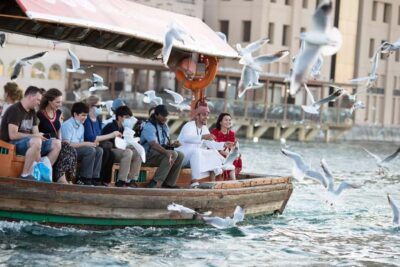
Old Town, Creek, Museums, Souks, & Street Food Tour
What we made of it →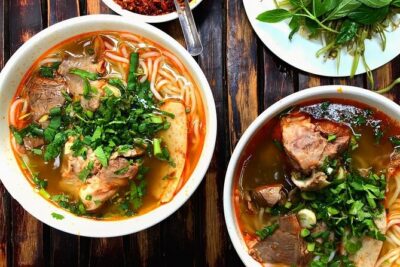
Ho Chi Minh City Street Food Tour & Sightseeing By Motorbike
What we made of it →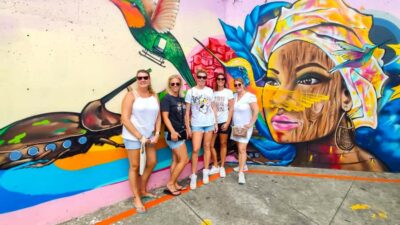
Comuna 13 Graffiti Tour, Cable Car & Street Food
What we made of it →
Old Town, Souks, Street Food, Guided Tour & Abra Ride
What we made of it →
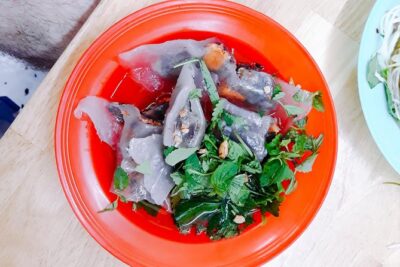
Small Group Hanoi Street Food Tour with a Real Foodie
What we made of it →
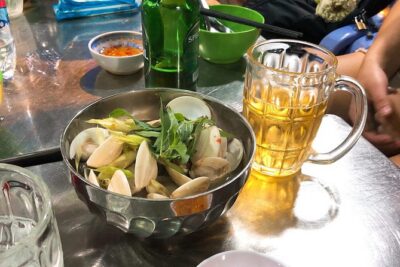
Saigon By Night and Street Food By Motorbike | Opt: Ao Dai Riders
What we made of it →Where this tour turns up