
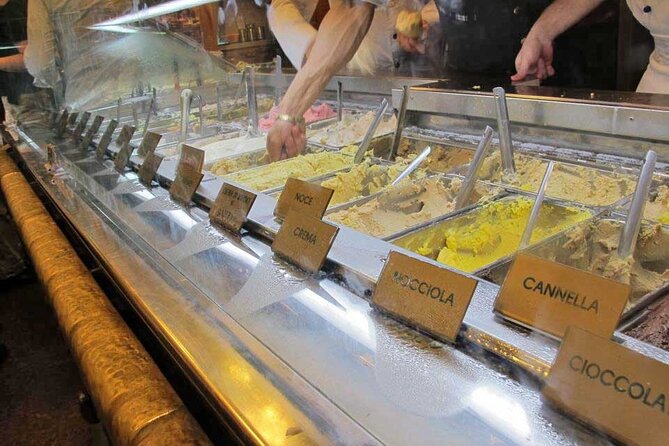
Review · ROME
Small-Group Rome Street Food Guided Tour
Rome tastes better one street at a time. This 2.5-hour walk links Roman street food with Campo de’ Fiori, the Jewish Ghetto, and ancient temples. I like the small maximum of 15 people, and I like that the stops feel connected to real neighborhoods rather than a single restaurant.
The food lineup is generous for $54.07: cured meats, cheese, wine, supplì, fried artichoke, pizza, and beer. Guides such as Arianna, Luca, Francesca, and Barbara have been praised for mixing history with humor and personal food stories. The main caution is dietary: this tour does not suit vegans or people avoiding gluten or dairy, and nut cross-contamination is possible.
Five things to know before booking
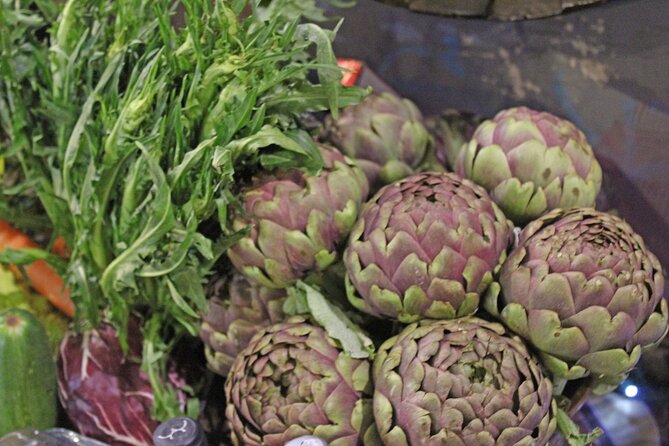
- Four distinctly Roman food stops: You taste salumi, cheese, supplì, carciofo alla giudia, and pizza while walking between historic sites.
- The Jewish Ghetto is more than a backdrop: The route explains the Portico of Ottavia, the Turtle Fountain, and the area’s difficult past.
- A small group keeps the walk personal: The maximum is 15 people, with several guides praised for answering questions and helping the group.
- Wine and beer are part of the tasting experience: Local Lazio wine accompanies the opening deli stop, and beer is served with pizza, though the general inclusions note says drinks are not included.
- Come hungry, not stuffed: The portions can carry you through the evening, according to one family group, so this works best as a late lunch or early afternoon meal.
- The route ends near the Pantheon area: You finish at Piazza di Sant’Eustachio, not back at Campo de’ Fiori.
Why this Rome food walk works
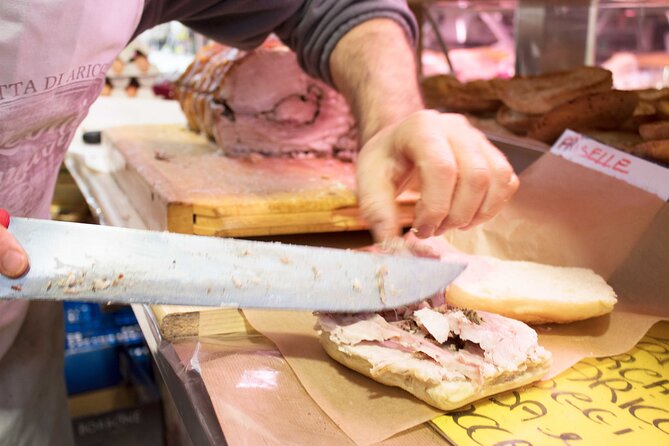
Rome has plenty of food tours, but this one makes a useful choice: it combines eating with a compact tour of central neighborhoods. You are not simply seated at a table while someone lists ingredients. You walk from Campo de’ Fiori through the Jewish Ghetto and onward to Largo Argentina, stopping for food as the city’s older layers appear around you.
That combination gives the tour its value. A plate of cured meat is more memorable when you are also learning how a norcineria fits into Roman food culture. A fried artichoke makes more sense after you have seen the streets of the old Jewish quarter. Pizza becomes part of the city’s everyday rhythm, not just another tasting sample.
I also like the group size. Fifteen people is not truly private, but it is small enough for a guide to hear questions and keep the walk together. Several guides have received praise for being friendly, funny, and well informed. Arianna added family food stories, Luca mixed humor with clear explanations, and Francesca was especially attentive to the group.
The tour lasts about two hours and thirty minutes. That is long enough for several stops without taking up your whole day. Still, it is a walking tour through busy central streets, and you need a moderate level of fitness. It runs rain or shine, so check the forecast and bring sensible shoes.
More Street Food Tours in Rome:
- Rome: Street Food Tour with Local Guide
★ 4.8 · 4,077 reviews - Rome: Trastevere & Campo de Fiori Street Food Walking Tour
★ 4.9 · 2,768 reviews - Rome Street Food Tour with Local Guide
★ 5.0 · 2,361 reviews
Campo de’ Fiori starts with salumi and wine
The meeting point is Piazza Campo de’ Fiori, one of central Rome’s best-known squares. The guide leads you to a local norcineria, a shop specializing in cured meats. This is where the food portion starts in earnest, with four kinds of Italian salumi, cheese, and wine from the Lazio region.
For me, this is a smart opening. Cured meats and cheese are easy to share, and the tasting gives you a quick introduction to Roman and regional flavors before the walking picks up. The local wine adds a useful sense of place. One person enjoyed the deli stop so much that they bought two bottles afterward.
Next comes supplì, a fried Roman rice croquette. It is usually a compact, satisfying bite, and here it follows the salumi and cheese rather than appearing as a random snack. You eat it in the surrounding area while walking, which keeps the pace casual.
The amount of food may surprise you. One group, ranging in age from 9 to 75, found the portions large enough to make a full evening meal unnecessary. I would plan this as a late lunch or early dinner, not as a warm-up before a major restaurant reservation.
Campo de’ Fiori can be crowded, and one practical complaint concerned the meeting point. The tour begins in the middle of the street market, and the guide’s sign may be only a small handheld piece of cardboard. Look carefully, arrive early, and keep your phone ready in case you need to identify the guide.
The Jewish Ghetto brings food and hard history together
From Campo de’ Fiori, the route moves into Rome’s Jewish Ghetto, described as the oldest Jewish quarter in the western world. This section gives the tour more weight than a basic snack crawl because the guide discusses the neighborhood’s past while pointing out major landmarks.
You hear about the Theatre of Pompey, the Portico of Octavia, and the Turtle Fountain. These stops help you read the streets instead of simply passing through them. The area also contains reminders of a painful history, and one guide’s account of that past made a strong impression on the group.
The food here is carciofo alla giudia, a Roman-Jewish fried artichoke. It is one of the most distinctive bites on the route. The preparation is tied to the neighborhood, so this is not just a generic fried vegetable added to fill out the menu.
I especially like that the history and food are paired. You can talk about the community, architecture, and changes in the neighborhood, then taste a dish associated with its Roman-Jewish cooking tradition. That gives the stop a clear purpose.
The thirty-minute estimate for each stop should not be read as thirty minutes of uninterrupted eating. It includes the explanation, the tasting, and the movement around the area. The walking between stops is part of the experience, so keep the schedule open rather than planning a tightly timed museum visit immediately afterward.
Apollo Sosianus leads to pizza and beer
The next stop is the Temple of Apollo Sosianus. The remains offer a sharp reminder that Rome does not need a major ticketed attraction to surprise you. Ancient columns and fragments appear alongside the modern city, and the guide explains what you are seeing before the food arrives.
At this point, you stop for a slice of pizza of your choice and a fresh beer. The pairing makes sense after the earlier cured meats and fried foods. It is also a chance to choose something familiar if the artichoke or supplì was outside your comfort zone.
One specific food memory from the tour was pizza with potatoes, which earned special praise. That detail tells you the pizza stop is not limited to one fixed flavor. The available choice can make the meal feel less rigid, though the exact selection is not specified.
The beer and wine information deserves a quick note. The highlights say local wine and beer are included, while the general inclusions section says drinks are not included. Since the itinerary clearly describes wine at the deli and beer with pizza, I would treat those tasting pours as part of the planned food experience, but confirm what is covered when you book if drink charges matter to your budget.
Same place, a different plate:
- Rome: Trastevere Street Food Walking Tour with Local Expert
★ 4.8 · 1,784 reviews - Roman Food Tour with Visit to the Trionfale Food Market
★ 5.0 · 471 reviews - Trastevere & Campo de’ Fiori Street Food Tour, Eat Like a Local
★ 5.0 · 207 reviews - Hidden Rome: Small Group E-Bike Tour with Street Food Stops
★ 5.0 · 169 reviews
Largo Argentina adds Caesar to the menu
The route continues to Area Sacra di Largo Argentina, one of the most striking open-air archaeological areas in central Rome. You see the remains of four Republican temples and learn that this is the place where Julius Caesar was stabbed by senators in 44 BC.
The site is valuable because it sits in the middle of the modern city. You do not need to enter a large museum or spend hours studying a map to connect Rome’s present streets with its ancient past. The guide’s explanation gives the ruins a human story, even if the stop itself is not another food tasting.
This also helps break up the meal. By the time you reach Largo Argentina, you have eaten several substantial items. A pause for history keeps the tour from feeling like a race from one counter to the next.
The official stop descriptions allow about thirty minutes here. The walking route then finishes at Piazza di Sant’Eustachio, near the Pantheon area. One person did not realize they had been left near the Pantheon, so pay attention to the final location and ask the guide to point it out if you plan to continue sightseeing from there.
What $54.07 gets you
At $54.07 per person, the price is fair if you value both food and guiding. You receive several tastings across different locations, a walking tour through central Rome, and explanations of landmarks that you might otherwise pass without understanding. The food alone is not the only measure of value.
The menu includes four types of salumi, cheese, wine, supplì, a fried artichoke, pizza, and beer. That is a full tasting sequence, not one token sample at each stop. The portions can be enough to replace a meal, which matters when comparing the price with an ordinary lunch.
You are also paying for the route and the local context. A guide who can explain why a dish belongs to a neighborhood adds something you cannot get by ordering random snacks on your own. Guides have been praised for answering questions, sharing family food stories, and keeping the tone light.
Still, the value depends on your appetite and diet. If you cannot eat gluten or dairy, much of the menu is off limits. Vegans are not accommodated. Vegetarians may be accommodated only if you advise the operator in advance, and nut allergies require caution because cross-contamination is possible.
The tour is booked, on average, 13 days ahead. That suggests you should not leave it until the last day of a short Rome visit, especially if you want a particular time. Confirmation is provided at booking, and the maximum group size is 15.
The guides shape the afternoon
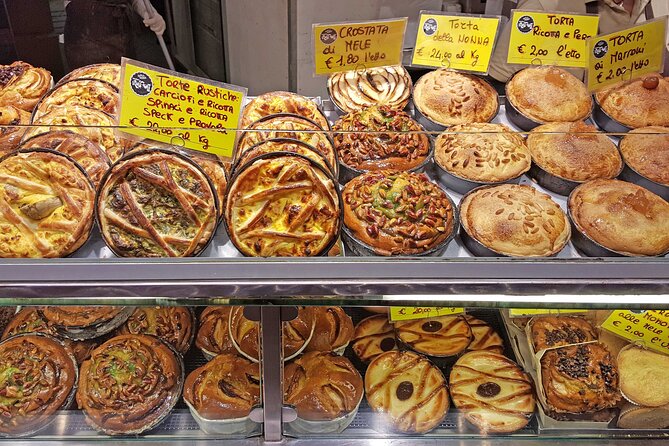
The food is important, but the guide can determine whether this feels like a string of samples or a real introduction to Rome. The strongest descriptions focus on guides who balance facts with personality.
Arianna is praised for enthusiasm, humor, and stories about meals with her family. She also kept the group engaged when rain came and went. Luca was described as lighthearted and helpful, with a talent for explaining Roman food and neighborhood history. Barbara was praised for her kindness with a mixed-age group.
Francesca also received strong praise for taking care of the group and helping a person with gluten restrictions. That does not change the official warning that the tour is not designed for gluten-free diets, but it suggests you should contact the provider well before the start if you have a special need.
The guide names can vary by date. You should not book expecting one specific person unless the operator confirms it. What you can reasonably expect is a small-group format with a guide leading the walk and explaining both the food and the sights.
Weather, walking, and food restrictions
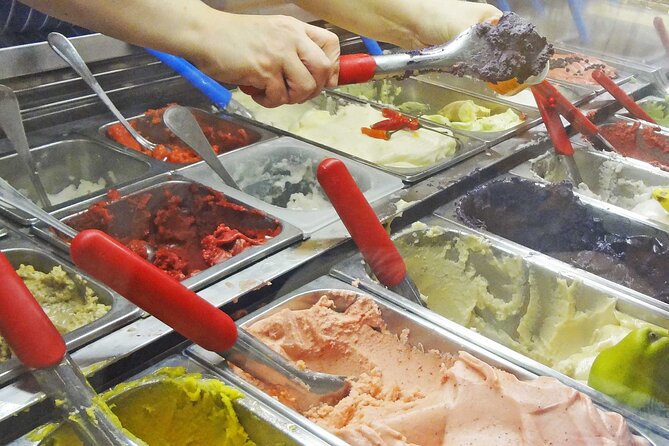
This is an outdoor walking experience, and it runs in all weather. Rain may make the market meeting point harder to manage, so arrive with enough time to find the guide. Comfortable shoes matter more than dressy footwear.
You also need enough stamina for a moderate walking route. The supplied details do not give an exact distance, but the tour moves through four areas and includes time on foot between tastings. If you need frequent rest breaks, ask the operator before booking.
The food restrictions are firm:
- Vegans cannot be accommodated.
- Gluten-free and dairy-free diets are not supported.
- Vegetarian choices may be possible if arranged in advance.
- Nut cross-contamination is possible.
- The tour is best for people comfortable eating cured meat, cheese, fried foods, pizza, wine, and beer.
The tour is open to a broad age range. A group that included children, adults, and older people enjoyed it, but each person should judge their own walking ability and food needs.
Who should book this Rome experience?
I would choose this tour early in a Rome visit. It gives you a list of foods to look for later, introduces several central neighborhoods, and points out places you may want to revisit for a full meal. One useful tip is to keep the rest of the evening flexible because the tastings can be filling.
It suits first-time visitors who want orientation without spending half a day in a museum. It also works for repeat visitors who have seen the major monuments and want a closer look at Roman food traditions and less obvious archaeological sites.
It is less suitable if your main goal is a formal cooking lesson, a long sit-down meal, or a tour built around dietary substitutions. It is also not the best choice for anyone who dislikes walking in poor weather or needs a precisely timed schedule.
Should you book the Campo de’ Fiori food tour?
Book it if you want a compact introduction to Roman food, neighborhood history, and central sights in one outing. The combination of salumi, supplì, carciofo alla giudia, pizza, wine, and beer gives you plenty to taste, while the Jewish Ghetto and Largo Argentina add real substance.
Skip it if you need vegan, gluten-free, or dairy-free food, or if you want drinks handled with no uncertainty. For everyone else, $54.07 is a sensible price for the quantity of food, the small group, and the access to guides who make the walk personal. Cancel at least 24 hours before the start for a full refund if your plans change.
FAQ
How long does the Rome street food tour last?
The tour lasts approximately 2 hours and 30 minutes.
Where does the tour start?
The meeting point is Piazza Campo de’ Fiori, P.za Campo de’ Fiori, 00186 Rome.
Where does the tour finish?
The tour ends at Piazza di Sant’Eustachio, 00186 Rome.
What food is included?
The tastings include four types of Italian cured meat, cheese, supplì, a Roman-Jewish fried artichoke, and a slice of pizza.
Are wine and beer included?
The tour details describe wine from Lazio at the norcineria and fresh beer with the pizza. However, the general inclusions also say drinks are not included, so confirm the drink policy when booking.
Can vegetarians join the tour?
Vegetarian options can be arranged only if you advise the provider in advance.
Can vegans or people avoiding gluten and dairy join?
The tour does not accommodate vegan, gluten-free, or dairy-free diets.
Is the tour suitable for people with nut allergies?
Possible nut cross-contamination is noted, so people with nut allergies should take caution and contact the provider before booking.
What happens if I need to cancel?
You can receive a full refund if you cancel at least 24 hours before the experience start time. Changes or cancellations made less than 24 hours in advance are not accepted for a refund.
Just added around Rome
- Testaccio Street Food Tour Eat Like a Local★ 3.5 · 2 reviews
- Vegan Street Food Tour in Rome★ 5.0 · 6 reviews
- Vatican Street Food Tour and Wine Experience with Local Guide★ 5.0 · 7 reviews
- Tasty Trastevere Street Food Tour in Rome from Tiberine Island to Ponte Sisto★ 5.0 · 25 reviews
- Tasty Rome Street Food Tour around Campo de’ Fiori Market & Jewish Ghetto★ 5.0 · 2 reviews
- Gems of Rome: Small group E-bike tour with street food stops★ 5.0 · 36 reviews
- Rome Trastevere Street Food Tour: Eat and Drink Like a Local★ 5.0 · 35 reviews
- Campo de’ Fiori & Jewish Ghetto Rome Street Food & Walking Tour★ 5.0 · 5 reviews
Street Food Tours, compared.
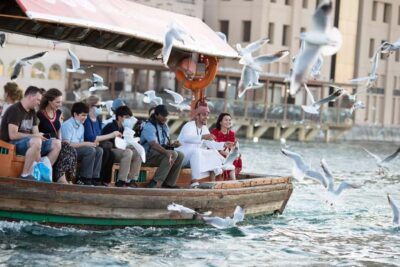
Old Town, Creek, Museums, Souks, & Street Food Tour
What we made of it →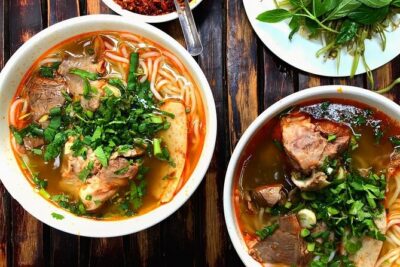
Ho Chi Minh City Street Food Tour & Sightseeing By Motorbike
What we made of it →
Comuna 13 Graffiti Tour, Cable Car & Street Food
What we made of it →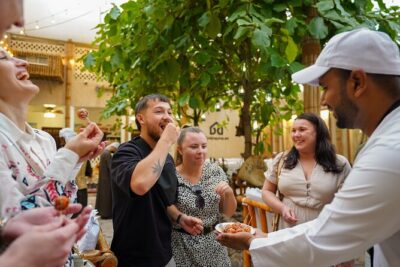
Old Town, Souks, Street Food, Guided Tour & Abra Ride
What we made of it →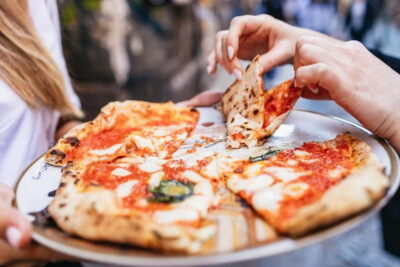
Small Group Hanoi Street Food Tour with a Real Foodie
What we made of it →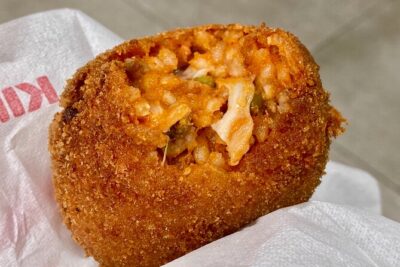
Saigon By Night and Street Food By Motorbike | Opt: Ao Dai Riders
What we made of it →Where this tour turns up