
Review · MARRAKECH
Marrakech: Street Food Tour by Night
Follow the smells after sunset. This roughly three-hour walk through Marrakech’s Medina combines ten tastings, local food stalls, and a filling meal in or around Djemaa el Fna. I like the easy central meeting point at Café de France, and I like that a guide can lead you into food corners you might otherwise pass by. The main thing to consider is that the food can feel basic if you already know Moroccan cuisine well.
I also like the relaxed pace and the chance to try olives, dates, pastries, nuts, and Moroccan meatballs without ordering full portions at every stop. Guides such as Mohammed, Ali, Mo, Benabadmohamed, and Imrane have earned especially warm praise for their local knowledge and friendly manner. The quality depends heavily on the guide, and some departures have included more souk browsing than actual street food.
Key points before you book
- Expect a full evening meal: Tastings lead to kofta or another traditional dinner, so eat lightly beforehand.
- Meet at Café de France: Wait at the entrance for the official guide with a guide badge, since unofficial guides may approach around the square.
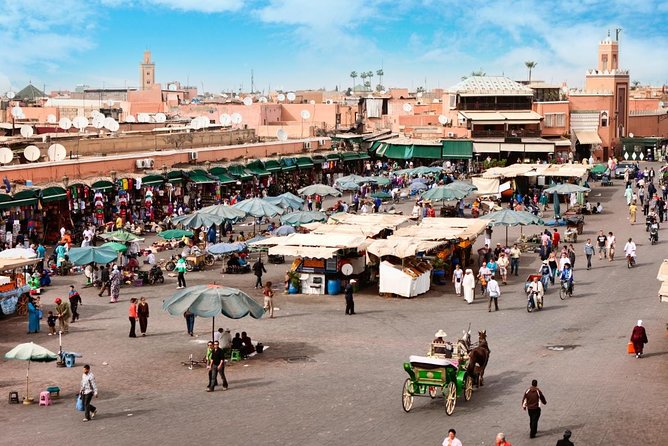
- The Medina is the main event: You will see food stalls, ingredient shops, family-oriented parts of the old city, and Djemaa el Fna after dark.
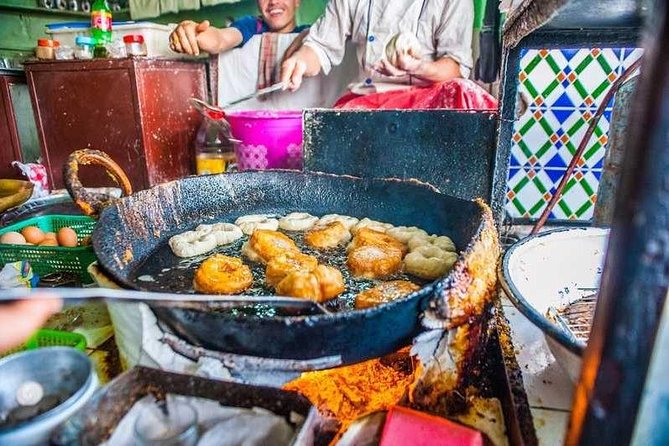
- Food choices can vary: Olives, dates, sweets, nuts, pastries, soup, pancakes, snails, kofta, or tagine may appear, but not every item is guaranteed.
- Small-group format: The group can include up to 15 people, with group discounts available.
- Plan for walking and waiting: The tour is advertised at about three hours, though some outings have finished closer to two and a half.
Starting at Café de France in Djemaa el Fna
The meeting point is Hôtel Restaurant Café de France, at the edge of Djemaa el Fna. This is a sensible place to begin because the square is easy to locate, but it can be confusing at night. Wait at the entrance for the official guide holding a guide badge. The operator specifically warns about fake guides offering tours around the square, so do not simply follow the first person who claims to be your guide.
The location also makes this a useful first-night activity. Djemaa el Fna can feel loud and disorienting when you first arrive in Marrakech. A local guide gives you a person to follow and a way to start learning the layout of the Medina without trying to decode every alley yourself.
The meeting point is near public transportation, and the tour finishes back there. That return is helpful because you do not need to arrange a separate ride from an unfamiliar part of the old city late at night.
The departure is a group experience, not a private walk. The maximum is 15 people, which is small enough for conversation but large enough that you should not expect the guide’s attention to remain with you every minute. Several guides have been praised for being patient with late arrivals, but you should still aim to arrive on time.
More Evening and Night Food Tours in Morocco:
- Marrakech: Street Food Tour by Night
★ 4.8 · 2,838 reviews - Marrakech Night Street Food Tour / Taste The Real Marrakech
★ 4.9 · 200 reviews - Saigon By Night and Street Food By Motorbike | Opt: Ao Dai Riders
★ 5.0 · 4,066 reviews
A first look at family food and Medina life
The opening walk takes you through different sections of the Medina, with attention to local food shops and the everyday life of families in the old city. This part is not only about eating. You also get a look at where ingredients are bought and how food is connected to home cooking.
Each section of the Medina has its own trade. You may pass shops devoted to spices, nuts, olives, dates, sweets, or ingredients used in Moroccan kitchens. The guide can explain what you are seeing and help you understand why a shop selling one modest ingredient may matter to local cooking.
This is where the experience can be more valuable than a simple list of snacks. Some people use the evening to learn what to look for later in their trip. Others enjoy the cultural context, including conversations about Moroccan eating habits and family meals.
The quality of this section rests on the guide. Mohammed and Mo have been praised for explaining Moroccan food and culture clearly, while Ali has been singled out for turning ordinary stops into a more engaging evening. Benabadmohamed has also been described as having strong connections with local sellers. Guide assignments can change, so treat these names as examples of well-received leadership, not a promise of a particular person.
There is one possible weakness here. The tour includes souk exploration, and that may not match your idea of a street food tour. If you want constant eating from food carts, you might find the early walking portion too long. One stop connected with argan oil has also been viewed as unnecessary by some participants who wanted more time in the food market.
Choosing dates in Rahba Kedima Square
Rahba Kedima Square brings a sweeter pause. You will see piles of dates and can choose a preferred mix. Dates are an everyday part of Moroccan food culture, and this stop gives you a simple way to compare varieties rather than buying a large quantity without knowing what you like.
The official timing here is about 10 minutes. That is enough for a sample and a short explanation, but not enough for a long food lesson. If you are interested in dates, ask questions about the choices in front of you. The guide can make this brief stop more useful by explaining how the varieties differ.
A practical point: you are already moving toward a substantial amount of food. It is tempting to eat generously at the first few stops, especially when something tastes good. Keep room for the final meal.
The olive stalls are a real highlight
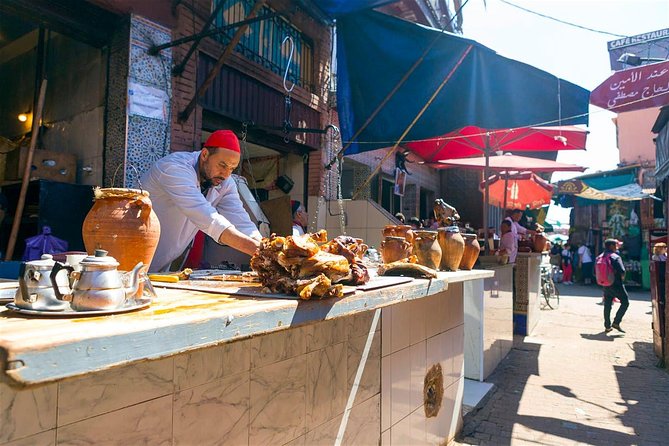
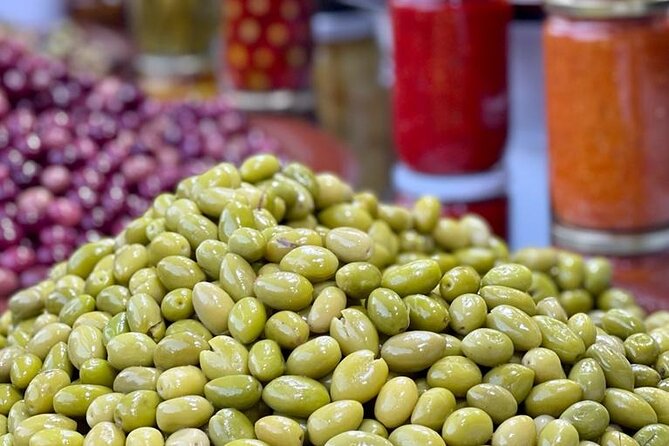
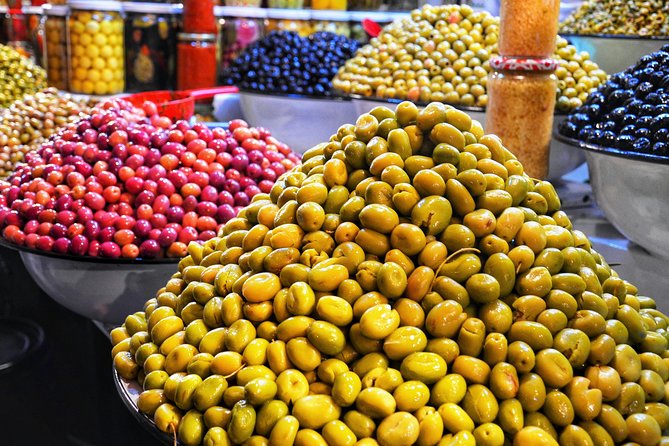
The olive stop is one of the strongest parts of the evening. You are led to a market area where different olives are displayed, then invited to choose flavors and sample them. This is a low-pressure way to try unfamiliar varieties, since you can take small portions instead of committing to a full purchase.
Olives also show how Moroccan food is built from simple ingredients. A good guide can point out differences in color, seasoning, texture, and use. Several people have especially praised the olives, and this is one stop where the tour feels focused and specific rather than generic.
The visit to the food markets is listed at about 20 minutes. That is not a long time, but it can be enough to sample several options. If you have already visited Marrakech’s souks, you may prefer a longer food-market visit. If you are new to the city, the short introduction is useful and easy to fit into a busy itinerary.
The tour may also include nuts, pastries, sweet treats, or other small bites along the way. One account described local soup and traditional savory pancakes, while another included snails as a surprise tasting. These less familiar foods are part of the fun, but you are not required to eat anything that makes you uncomfortable. Ask the guide what a dish contains before trying it.
More Street Food Tours in Morocco:
- Marrakech: Street Food Tour with a Local Guide
★ 4.9 · 3,119 reviews - The Original Marrakech Street Food Tour
★ 5.0 · 248 reviews - Marrakech Street Food Tour
★ 5.0 · 220 reviews - Casablanca Food Tour – Moroccan Street Food Tour
★ 5.0 · 86 reviews
Djemaa el Fna and the final plate of kofta
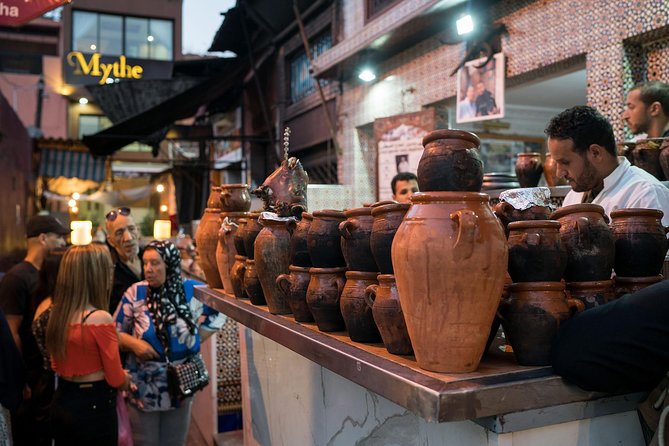
The final food stop returns to Djemaa el Fna, where you can try Moroccan kofta, or seasoned meatballs, with homemade tomato sauce. This is the part that turns a series of samples into dinner. The listed timing is about 30 minutes, although the overall experience includes walking and other pauses.
The word dinner matters here. The tour is not just a snack crawl. You are expected to finish full, and the operator describes around ten tastings. Bread, pastries, sweets, olives, dates, nuts, and a hot dish can add up quickly.
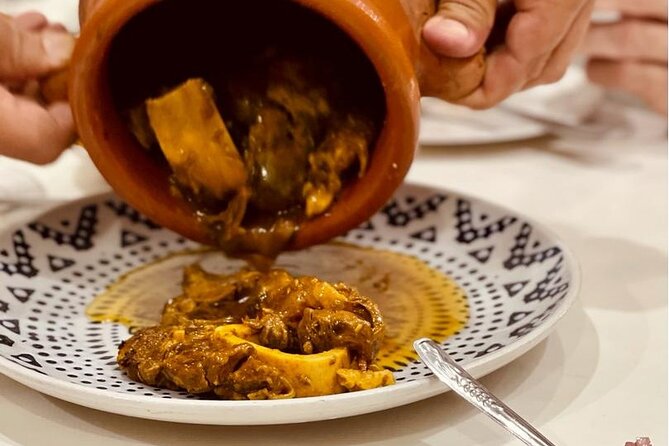
The exact final meal may vary. The main description points to kofta, while some accounts describe a rooftop dinner with tagine or several Moroccan dishes. It is best to treat the food selection as changeable rather than expecting a fixed restaurant menu. The dinner is included, with no separate food charge listed.
For many people, this is the payoff. You get to try foods in small amounts during the walk, then sit down for something more substantial. For others, the final meal is the only part that feels like a full food experience, while the earlier samples seem modest. That distinction is important if you are paying mainly for quantity.
What the guide adds to the evening
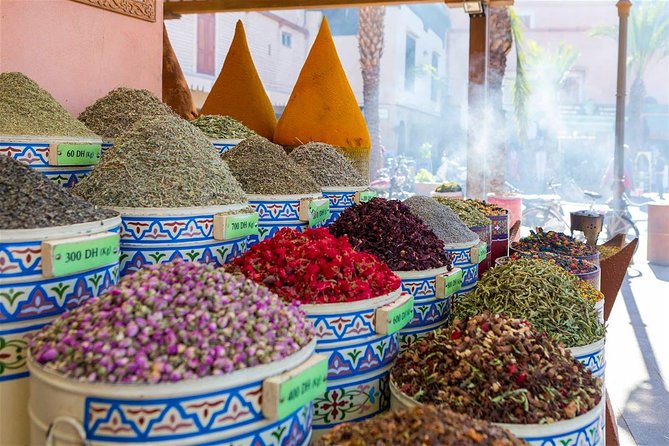
A strong guide can make a large difference here. The best departures are not simply a march from stall to stall. They include explanations of local food, the Medina, Moroccan customs, and the way families eat.
Ali has been praised as an especially warm host who shared cultural information and kept the pace comfortable. Mohammed has received repeated praise for explaining the city and directing people toward good dishes. Mo has been described as chatty and well informed. Imrane, when leading the German-language tour, has been praised for his stories and affection for Marrakech.
The range of feedback also points to a warning. Some departures have had guides who offered little explanation unless directly questioned. A food tour without context can feel like an expensive sequence of samples. I would ask questions as you walk: What is this ingredient? How is it used at home? Is this eaten as a snack or part of dinner? Those questions can turn a quiet guide into a more useful one.
Language ability may also differ by departure. English-language experiences are described in the supplied information, and Imrane is specifically identified as a German-speaking guide. If language matters to you, check what is available when you book rather than assuming every guide offers the same service.
Is $55 fair for the food and guidance?
At $55 per person, this is not the cheapest way to eat in Marrakech. Local food itself can cost far less. The price covers more than ingredients, though: you are paying for a roughly three-hour guided walk, food at several stops, a final dinner, and help finding your way through the Medina at night.
The value is strongest if this is your first evening in Marrakech. You receive an introduction to the city’s food, learn where to look later, and avoid the uncertainty of choosing stalls on your own. The experience can also help you move through Djemaa el Fna with more confidence.
The value is weaker if you already know Moroccan food or have spent several days eating in the Medina. Some portions may be small, and the route can include more souk walking than you expect. One critical account described a few types of olives, sweet pastries, a small snail tasting, and the final dinner as the main food components. That is enough for a meal, but it may not feel like ten major dishes.
Group discounts improve the price for families or larger parties. Since private transportation and a private tour are not included, you should also factor in how you will reach Café de France. The activity ends at the same meeting point, which helps keep the logistics simple.
Timing, comfort, and practical details
Allow the full three hours, even though some outings have lasted about two and a half. The route includes narrow Medina streets, food stalls, and time spent stopping to taste and listen.
Bring a bottle of water. One person specifically recommended it, and an evening of walking and eating can leave you thirsty. Eat lightly before starting, since the tastings and dinner are intended to leave you full.
The tour is listed as wheelchair and stroller accessible, and most people can participate. Because the experience takes place in the Medina and at market stalls, it is still wise to confirm any specific mobility needs before booking. The route may involve crowding, waiting, and uneven movement through busy shopping areas, though those details are not specified.
You receive confirmation at booking, and the experience requires good weather. You can cancel for a full refund up to 24 hours before the start time. Cancellations or changes made within 24 hours are not refunded or accepted, and a weather cancellation leads to another date or a full refund.
Who will enjoy this Marrakech food walk?
I would recommend it to first-time visitors who want a guided introduction on their first night. It is also a good fit for people who like trying small portions, asking questions, and learning how food fits into local life.
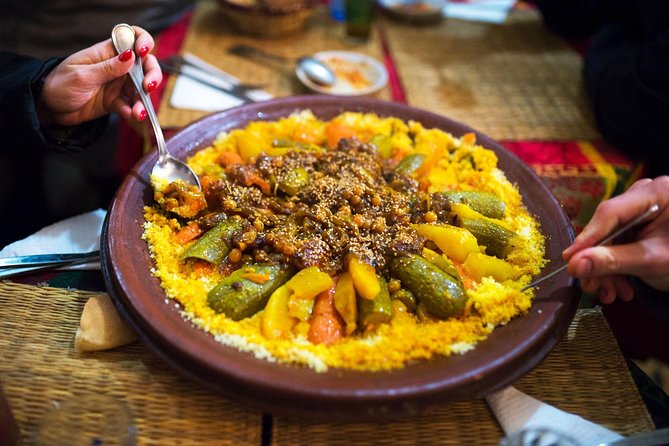
It suits curious eaters who want more than tagine and couscous. Olives, dates, pastries, nuts, soup, savory pancakes, snails, kofta, and possibly tagine give you a broader taste of Marrakech than a standard restaurant meal.
I would be more cautious if you want a tightly planned culinary itinerary with large portions at every stop. The guide and group can shape the evening, and some departures appear to offer more explanation than others. People who have already spent a week sampling Moroccan food may find the choices too simple.
Should you book this tour?
Book it if you want an easy, filling introduction to Marrakech food and prefer local guidance over choosing stalls alone. The olives, dates, Medina walk, and final kofta dinner make a good first-night outline, while guides such as Mohammed, Ali, Mo, or Imrane can add real character when available.
Skip it if you expect a chef-led tasting menu or a nonstop procession of unusual dishes. At $55, the best value comes from the combination of food, orientation, and company. Go with modest expectations about portions, arrive at Café de France on time, keep room for dinner, and ask questions throughout the walk.
FAQ
How long does the Marrakech street food tour last?
The tour is advertised at approximately three hours. Some outings have lasted closer to two and a half hours.
Where does the tour begin?
It begins at the entrance of Hôtel Restaurant Café de France beside Djemaa el Fna, at J2G7+G2G jamaa el-fnna, Rue des Banques, Marrakech 40000, Morocco.
Where does the tour end?
The activity ends back at the meeting point at Café de France.
How many people can join the tour?
The maximum group size is 15 people.
Is dinner included?
Yes. Dinner is included, along with the food tastings during the walk.
What foods will be served?
The route includes tastings such as olives, dates, pastries, and other local foods. The final dish is described as Moroccan kofta with homemade tomato sauce, but the food can vary, and some outings have included items such as nuts, soup, savory pancakes, snails, or tagine.
Is the tour wheelchair and stroller accessible?
Yes. The experience is listed as wheelchair and stroller accessible.
Is the tour private?
No. A private tour is not included. This is a group experience with up to 15 participants.
Can I cancel for a refund?
Yes. You can cancel at least 24 hours before the start time for a full refund. Cancellations or changes made less than 24 hours before the start time are not refunded or accepted.
Just added around Morocco
- Marrakech Street food Tours★ 4.5 · 15 reviews
- Local Hidden Spots Street Food Tour in Medina Marrakech★ 5.0 · 30 reviews
- Marrakech Tasting Tour: Experience Local Street Food & Culture!★ 5.0 · 5 reviews
- 3 Hours Private Tour Marrakech Night Market★ 5.0 · 2 reviews
- Marrakech Street Food with +10Tasting & Tanjia Dinner|Guided Walk★ 5.0 · 21 reviews
- Taste Marrakech Street food tour from Medina★ 5.0 · 34 reviews
- Essaouira Guided Tour: 3 on 1 – Nightlife tour, Live like a local & Street food★ 4.5 · 32 reviews
- Fez Street Food Tour★ 4.5 · 33 reviews
Evening and Night Food Tours, compared.
Saigon By Night and Street Food By Motorbike | Opt: Ao Dai Riders
What we made of it →
Private Street Food Evening Walking Tour in Ho Chi Minh City
What we made of it →

Small Group: Singapore Street Food & Night Tour with 9 tastings
What we made of it →
Tasting 8 Different Street Foods + Local Drink at Evening Time by Walking
What we made of it →
Small-Group Chiang Mai Evening Street Food Tour
What we made of it →
Bangkok Tuk-Tuk Tour by Night with Chinatown Street Food Meal
What we made of it →
Where this tour turns up