
Review · JAPAN
Nagoya Castle and Local Flavor Samurai Tales and Street Food Walk
Nagoya’s past is written in stone and gold. This compact walking tour pairs Nagoya Castle’s samurai-era sights with a guided introduction to local food at Kinshachi Yokocho, making it a useful first look at the city. I like the clear route from the castle’s East Gate to the food quarter, and I like that guides such as Toshi and Shu bring conversation about Japanese culture into the walk. The main point to check is the admission wording: the tour details say the castle fee is included, but the itinerary also says admission is not included.
The tour lasts about two and a half hours, with roughly 1 hour 40 minutes at the castle and 30 minutes at Kinshachi Yokocho. You should expect plenty of walking, some outdoor exposure, and a quick look at food rather than a full meal. One guest specifically praised the easy access from the purple subway line and advised arriving early, since a late start meant more crowds and longer lines.
Key points to know before booking
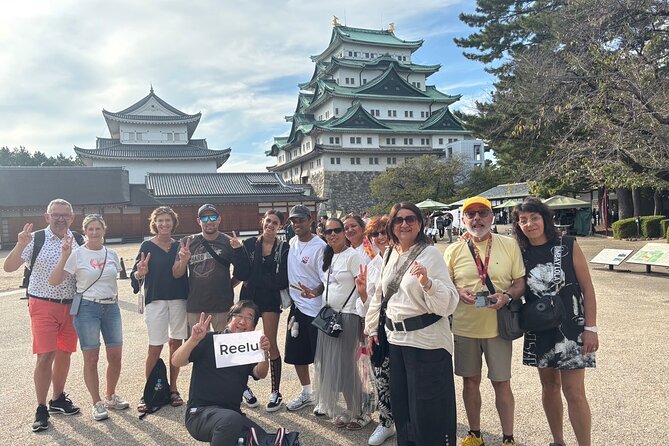
- Nagoya Castle comes first: Enter through the East Gate and see the Ninomaru Garden, stone walls, watchtowers, Honmaru Palace, and reconstructed main keep.
- The tour ends at Kinshachi Yokocho: You get an introduction to Nagoya specialties, traditional-style buildings, souvenir shops, and possible food tastings.
- Guides are a major strength: Toshi is praised for patience and professionalism, while Shu is noted for his warm manner and willingness to discuss Japanese culture.
- The group can include up to 12 people: That is small enough for questions, though the pace may feel less flexible than a private tour.
- Plan for a walking tour: The castle portion alone takes close to two hours, and one guest specifically warned you to be ready to walk.
- The price is $52.12 per person: That can be fair for a guided introduction, but confirm whether the castle admission fee is included before booking.
Why this makes a good first look at Nagoya
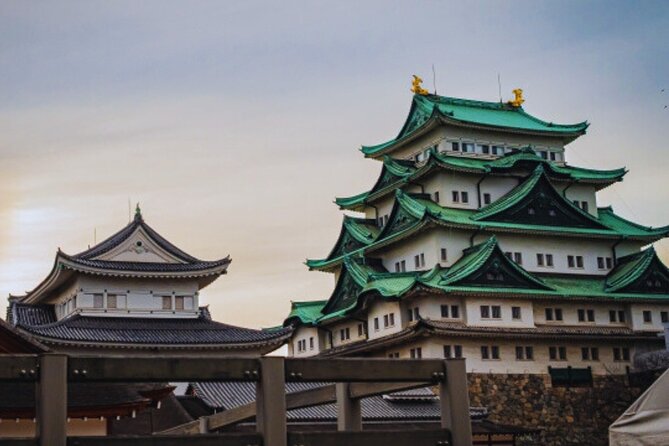
Nagoya is often used as a stop between Tokyo, Kyoto, and Osaka. It has major history, good food, and an important connection to the Tokugawa family, yet it can receive less attention than Japan’s better-known cities. This tour gives you a simple way to get oriented without spending a full day planning every stop.
I like the route because it connects two different sides of Nagoya. At the castle, you see power, defense, ceremony, and the visual language of feudal Japan. At Kinshachi Yokocho, you shift to food, shopping, and everyday local culture. The change is useful. You do not spend the whole tour looking at old walls without learning how the city presents itself today.
The tour is also short enough to fit into a busy schedule. At 2 hours 30 minutes, you could place it on a morning or afternoon when you have other plans nearby. The tradeoff is that the experience offers an introduction, not an exhaustive visit to every part of the castle complex or a long food crawl.
The average booking lead time is 48 days, which suggests you should not assume you can wait until the last minute during a busy trip. If your Japan plans are fixed, booking earlier is sensible. The group limit of 12 helps keep the walk personal, though the actual feel will depend on how many places are filled that day.
More Street Food Tours in Japan:
- Hungry Osaka Street Food Tour:15 Tastings & 3 Drinks with a Local
★ 5.0 · 1,727 reviews - Hungry Osaka Street Food Tour: 15 Dishes & 3 Drinks
★ 4.9 · 694 reviews - Tsukiji Fish Market: Street Food & Culture Walking Tour
★ 5.0 · 669 reviews
Starting at Nagoya Castle’s East Gate
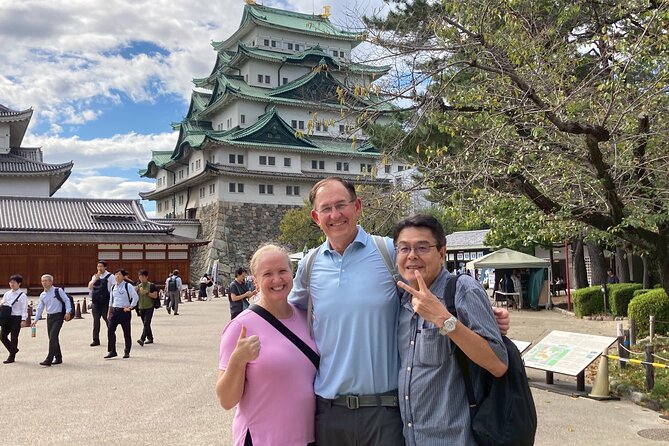
The meeting point is near Nagoya Monument at Ninomaru, in Nagoya’s Naka Ward. The walk begins at the castle’s East Gate, which is practical for public transportation. One guest specifically noted that the purple subway line drops you close to this entrance.
That detail matters because castle grounds can take time to cross. You do not want to arrive at the wrong side of the complex and begin the tour already rushing. Give yourself extra time to find the monument and meeting point, especially if you are unfamiliar with Nagoya’s station exits.
Arrive before the scheduled start. One late arrival of 33 minutes caused the group to begin later, when crowds and lines had increased. That is a useful warning for any guided walk: the guide may be able to wait only briefly, and a late start can change the whole experience.
The tour uses a mobile ticket, and confirmation is provided at booking. Keep your phone charged and have the meeting details ready. The stated group maximum is 12 people, so you should be able to hear the guide more easily than in a large bus group.
Ninomaru Garden and the castle grounds
The first substantial part of the experience takes place inside Nagoya Castle. The route includes the Ninomaru Garden, historic stone walls, watchtowers, and the grounds around the main buildings.
The garden gives the tour a quieter pause between the castle entrance and the more formal palace interiors. Your guide can explain how the site functioned as more than a residence. A Japanese castle was a place of defense, administration, ceremony, and status. The stonework and watchtowers help make that practical side visible.
I like having a guide here because the scale of a castle complex can be hard to read on your own. A wall may look impressive, but a guide can connect it to military planning and the authority of the ruling family. The tour description places strong emphasis on samurai culture and Edo-era construction, so expect the explanation to focus on how the site reflects that period.
You will also walk outdoors across a substantial area. Wear comfortable shoes and prepare for the weather. The tour does not offer a vehicle transfer between sights, and one guest’s advice was direct: be ready to walk.
Honmaru Palace and the reconstructed main keep
Honmaru Palace is one of the tour’s key visual stops. The route includes traditional sliding screen paintings and reconstructed palace halls. These interiors help you see a different side of samurai life than the defensive stone walls outside.
The palace was built for ceremony and residence, so details such as painted screens and formal rooms matter. They show how power was expressed through design, not only through weapons or fortifications. Your guide’s explanation should help you read the rooms as symbols of rank and authority rather than simply as beautiful interiors.
The itinerary also describes climbing the reconstructed main keep for views over Nagoya. That is an appealing part of the tour, especially if you want a broad sense of the city after seeing the castle up close. The word reconstructed is important, though. You are not visiting an untouched original keep, and you should set your expectations accordingly.
Because the tour spends about 1 hour 40 minutes at Nagoya Castle, the guide has time to explain more than a few photo stops. Still, the exact pace can vary with crowds, entry procedures, and the size of the group. A late start already proved costly for one participant, so punctuality matters.
There is also a practical inconsistency in the tour information. The included section says the admission fee to Nagoya Castle is covered, while the castle itinerary says the admission ticket is not included. I would confirm this with Reelu before paying. It is a small point, but it affects the real value of the $52.12 price.
Same place, a different plate:
- Tokyo: Tsukiji Fish Market Food and Culture Walking Tour
★ 4.7 · 757 reviews - Tsukiji Fish Market: Street Food & Culture Walking Tour
★ 4.8 · 259 reviews - [1 Group Only] Osaka Street Food Tour for Family
★ 5.0 · 208 reviews - Umami Town Street Food Tour
★ 5.0 · 120 reviews
What the guides add to the castle visit
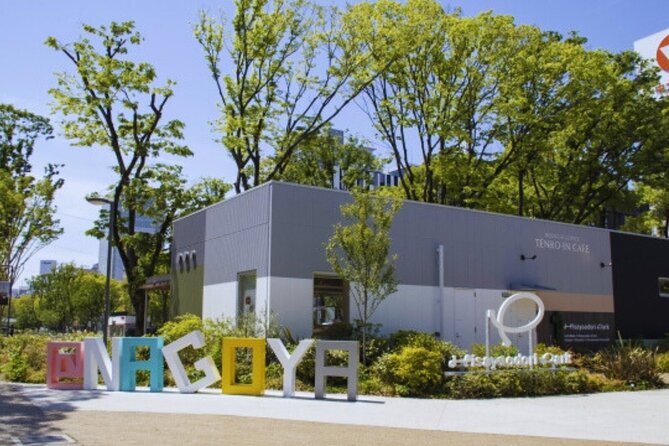
The strongest part of this experience appears to be the human side of the tour. Toshi is praised for being patient and professional. That is especially useful at a large historic site, where a clear guide can keep the group moving without making the visit feel rushed.
Another guest described Toshi as providing a private-feeling visit to the grounds. That does not mean every departure is private, since the published group limit is 12, but it suggests the guide may give close attention when the group is small.
Shu is described as friendly and warm, with a willingness to discuss many subjects connected to Japanese culture. That is a good fit if you want more than dates and architectural terms. You can ask how the castle relates to Japanese society, customs, and the broader samurai period.
I would not book this solely for a specific guide, since guide assignments can change. But the names are worth noting because they show the style you can expect: patient explanations, conversation, and an approachable manner rather than a dry lecture.
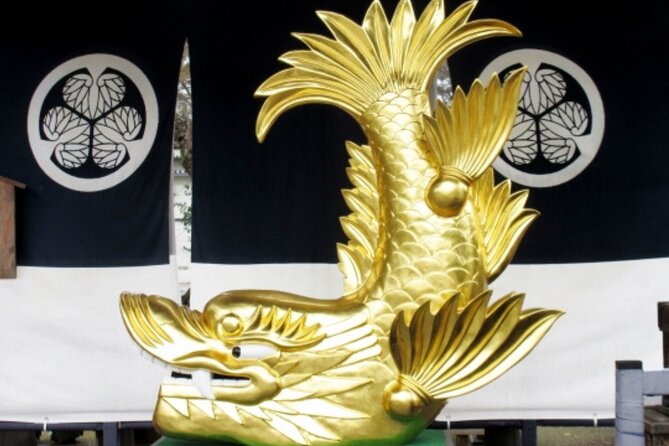
The guide also helps with cultural context. Nagoya Castle is not just a backdrop for photographs. Its gold shachihoko, palace halls, stone defenses, and Tokugawa connections are tied to the city’s place in Japan’s political past. The tour gives you a framework for understanding what you are seeing, which is valuable if this is your first visit to Nagoya.
Kinshachi Yokocho and Nagoya’s local food
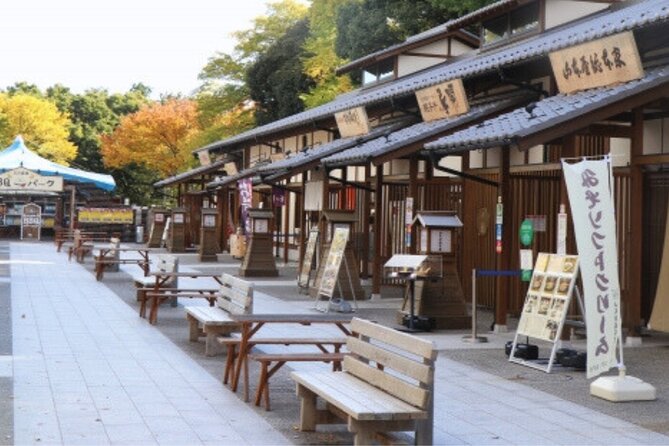
After the castle, the walk ends at Kinshachi Yokocho, in the Front Gate Area and Yoshinao Zone. This area uses traditional-style buildings and contains food outlets and souvenir shops. The setting gives the tour a clear change of mood after the formal castle grounds.
The guide introduces local specialties and Nagoya’s food culture during the 30-minute stop. This is a short visit, so I would think of it as a guided orientation to the area rather than a full street-food tour. The tour details say meals are not included, which means you should budget separately if you want to buy food.
That distinction matters. The title promises street food, but the confirmed details describe learning about local dishes and tasting a variety of specialties without including meals in the price. Ask the guide what tasting opportunities are planned, and bring a little extra money for anything you want to sample.
You may find this stop most useful if you do not yet know Nagoya’s food traditions. A guide can point out what is local, explain how dishes fit into the city’s identity, and help you decide what to try later. If you want a serious food crawl with several substantial servings, this probably will feel too brief.
The ending is convenient. You finish at Kinshachi Yokocho rather than returning to the starting point, so you can continue eating, shopping, or exploring the area independently. The official end point is in Sannomaru, and the tour ends at Kinshachi Yokocho.
Is $52.12 a fair price?
At $52.12 per person, the value depends on the admission arrangement and what you want from a guide. If the Nagoya Castle entrance fee is included, the price is reasonable for a small-group walk lasting 2 hours 30 minutes, especially if your alternative is trying to interpret the castle without context.
The cost pays for more than transport. There is no vehicle ride or hotel pickup listed. You are paying for a local guide, a planned route, cultural explanation, and help connecting the castle with Nagoya’s food culture.
If admission is not included, the value becomes less generous, though still potentially fair for a focused private-feeling or small-group introduction. Since the supplied information conflicts on this point, confirm before booking. I would not want you to discover an extra entrance charge at the gate.
The tour is a better deal for a first visit than for someone who already knows Nagoya Castle well. Repeat visitors may prefer to spend their money on a longer food experience or explore the castle at their own pace. First-time visitors often gain more from the guide’s explanations and the simple route.
Who should book this walk?
I would suggest this tour to you if you want a manageable introduction to Nagoya and prefer history explained in person. It suits couples, solo visitors, families with older children, and anyone who likes to combine a major sight with a local food stop.
It is also a good match if you have limited time in the city. The route has a clear start and finish, and the final stop leaves you in an area where you can continue on your own.
You should think twice if walking for nearly two hours outdoors is difficult. The castle portion covers a sizable site, and the tour does not appear designed for a slow, stop-and-rest pace. You should also avoid expecting a full meal. The Kinshachi Yokocho visit is mainly an introduction to local specialties, with food purchases separate.
The experience can work well for cruise passengers, but allow plenty of time around your ship schedule. One customer had to cancel after a tsunami warning prevented disembarkation, and the guide provided customer service during that difficult situation. The cancellation policy allows a full refund when you cancel at least 24 hours before the start time. Late cancellations and changes are not accepted for a refund.
Should you book the Nagoya Castle and food walk?
Book it if you want a guided first look at Nagoya Castle, an approachable explanation of samurai-era culture, and a short introduction to local food in one outing. Toshi and Shu are praised for the personal, conversational style this tour aims to provide, and the group size of up to 12 is sensible.
Before you pay, confirm two things: the exact castle admission arrangement and what food, if any, is included as a tasting. If you arrive early, wear good walking shoes, and treat Kinshachi Yokocho as a food introduction rather than dinner, the tour offers a practical way to get your bearings in Nagoya.
FAQ
How long does the Nagoya Castle and food walk last?
The experience lasts approximately 2 hours 30 minutes. About 1 hour 40 minutes is spent at Nagoya Castle, followed by about 30 minutes at Kinshachi Yokocho.
Where does the tour begin?
The meeting point is Nagoya Monument in Ninomaru, Naka Ward, Nagoya. The castle portion begins through the East Gate.
Where does the tour end?
The tour ends at Kinshachi Yokocho, in the Front Gate Area near the Yoshinao Zone.
Is the Nagoya Castle admission fee included?
The tour information gives conflicting details. One section says the admission fee is included, while the castle itinerary says admission is not included. Confirm this point with the provider before booking.
Are meals included?
No. Meals are listed as not included. The guide introduces local specialties at Kinshachi Yokocho, and any food you choose to buy is separate.
What is the cancellation policy?
You can cancel for a full refund if you cancel at least 24 hours before the experience start time. Cancellations or changes made less than 24 hours before the start are not refunded.
Just added around Japan
- Tsukiji Fish Market Street Food & Culture Walking Tour★ 5.0 · 8 reviews
- Ueno Park and Ameyoko Street Food Market Half Day Walking Tour★ 5.0 · 3 reviews
- Tokyo Fish Market Food Tour: Street Food & Friendly Guide★ 3.0 · 2 reviews
- Tokyo:Enjoy street food & Japanese food culture at Tsukiji Market★ 5.0 · 6 reviews
- Tokyo Street Food Tour – 7 Japanese Foods★ 5.0 · 16 reviews
- Tsukiji Fish Market: Street Food Tour with Tasting★ 5.0 · 4 reviews
- Matsushima Bay, Islands and Seafood Market day tour from Tokyo★ 5.0 · 2 reviews
- Tokyo: Private Tsukiji Fish Market Tour with 3 Food Stops★ 5.0 · 9 reviews
Street Food Tours, compared.

Old Town, Creek, Museums, Souks, & Street Food Tour
What we made of it →
Ho Chi Minh City Street Food Tour & Sightseeing By Motorbike
What we made of it →
Comuna 13 Graffiti Tour, Cable Car & Street Food
What we made of it →
Old Town, Souks, Street Food, Guided Tour & Abra Ride
What we made of it →
Small Group Hanoi Street Food Tour with a Real Foodie
What we made of it →
Saigon By Night and Street Food By Motorbike | Opt: Ao Dai Riders
What we made of it →Where this tour turns up