
Review · INDONESIA
Taste & Explore Bali: Denpasar Street Food & Historic Sites
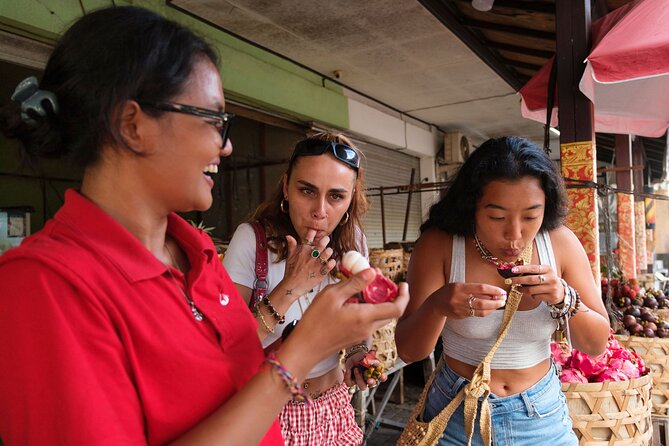
Denpasar rewards curious eaters. This three-hour walk pairs local street food with central Bali’s temples, monuments, markets, and colonial-era landmarks, giving you a better sense of daily life beyond the resort strip. You begin at Pura Agung Jagatnatha at 4:00 pm and finish at Nadhi Heritage, with stops for babi guling, bakso, jaje Bali snacks, and Indonesian coffee along the way.
I like the small maximum of 12 people, which gives the guide room to explain unfamiliar dishes and answer questions. I also like the mix of food and history: you are not simply moving from one eating stop to the next, but learning why certain dishes matter in Balinese culture. The main drawback is dietary flexibility. This is not suitable for vegetarians, vegans, or people with gluten allergies, and the food is aimed more at adults and older children than young kids.
Key things to know before booking
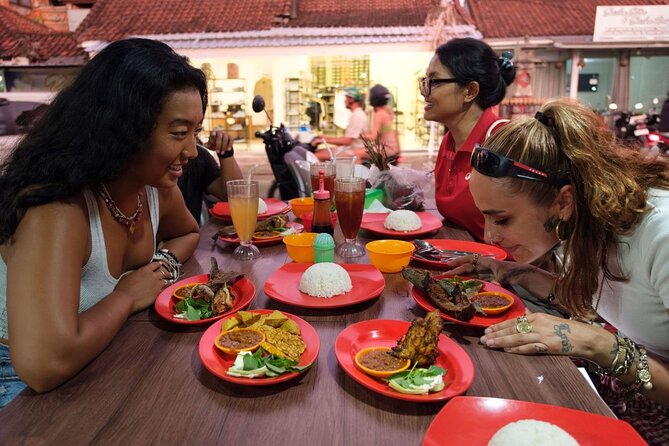
- Babi guling is a cultural highlight: You try Bali’s famous roast pork, a dish traditionally linked with ceremonies rather than everyday meals.
- The walk begins at a major Hindu temple: Pura Agung Jagatnatha gives the experience a spiritual starting point before the food stops begin.
- Denpasar history is part of the meal: Puputan Square, the Catur Muka statue, and colonial landmarks add context to the city you are walking through.
- You visit several local food sellers: The experience supports roughly four to six small stalls and businesses in the surrounding community.
- The final stop is coffee, not dessert: You finish with Indonesian Arabica coffee at Nadhi Heritage, served hot or iced.
- Plan for a true local menu: Babi guling, bakso, jaje Bali, soup, fruit, cakes, and other market foods may appear, but there are no children’s meals.
Why this Denpasar food walk is different
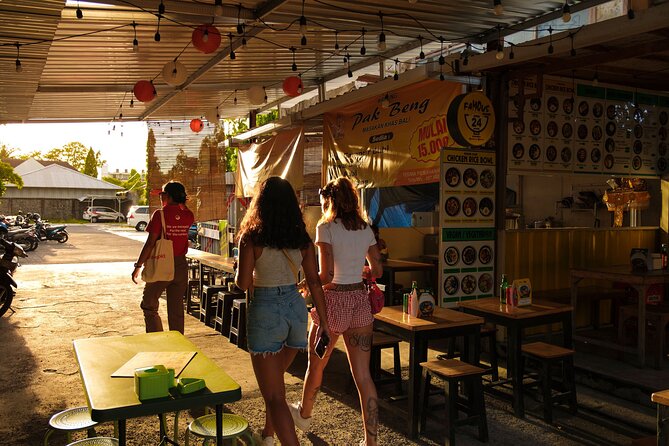
Many Bali food tours stay close to the areas already familiar to visitors. This one takes you into central Denpasar, where temples, government buildings, markets, shops, and food stalls share the same streets. That change of setting matters. You see a working city rather than a polished restaurant district designed mainly for holidaymakers.
The food also has a clear local connection. The vendors are local people who sell food for a living, and the ingredients used at the stops are grown and bought locally. Your spending is spread among several small stalls, rather than concentrated in one restaurant. That makes the price feel more useful than a simple meal purchase.
The tour costs $45 per person. For about three hours, that includes a guided walk, several tastings, historical interpretation, and coffee. Additional food and drinks are not included, and gratuities are separate, so you should treat the price as covering the planned tasting route rather than an unlimited meal.
The small-group format improves the value. With no more than 12 people, you are less likely to miss an explanation about a dish or be separated from the guide in a crowded market. Private arrangements may also be available, according to the tour format, but the supplied details do not specify the private-tour price.
More History Walks in Indonesia:
- Palermo: Street Food and History Walking Tour
★ 4.9 · 1,486 reviews - Lecce History and Street Food Tasting Small Group Tour
★ 5.0 · 288 reviews - Lima: Historic Center Street Food, Market, and Eateries Tour
★ 4.9 · 216 reviews
Starting at Pura Agung Jagatnatha
The meeting point is Pura Agung Jagatnatha, at Jalan Surapati No. 7 in Denpasar. This is the central Hindu temple used to begin the walk, and it gives you a quiet, spiritual opening before the city’s food markets take over.
You have about 15 minutes here. Admission is included at no extra charge, and the stop is short enough to introduce the setting without turning the tour into a long temple visit. Your guide can help explain the role of Hindu worship in Bali and point out details that might otherwise pass unnoticed.
You should dress and behave respectfully around the temple. The experience is primarily a food and city walk, not a full religious tour, so expect an introduction rather than an extended ceremony or formal visit.
Starting here is a smart choice. It gives the later dishes more meaning. Babi guling is not merely a famous Bali food; it has ceremonial importance. Learning that before tasting it helps you see the dish as part of a living tradition.
Puputan Square and the memory of 1906
The next historical section centers on Puputan Square, described as the symbolic heart of Bali and a place connected with the 1906 resistance against colonial rule. This is where the tour shifts from temple culture to political history.
The word puputan refers to a fight to the death, and the square carries that memory. The tour also points out Denpasar’s symbolic 0 km landmark, which marks the city center in a practical and civic way. Together, the site and the landmark help explain why this area matters to local identity.
You will not spend hours at the square. The schedule allows roughly 15 minutes for this portion, so the guide’s explanation is important. If you like history, listen closely and ask questions while you have the chance. If you mainly want food, this short stop keeps the historical portion from taking over the evening.
This is one reason I prefer the experience to a market-only outing. You get a sense of how the city remembers resistance, not just what it eats.
Patung Catur Muka and central Denpasar landmarks
At Patung Catur Muka, you can photograph the four-faced god statue, one of Denpasar’s recognizable public monuments. The area also includes colonial-era landmarks, including the Nederlandsch-Indië Sokkelklok.
The four faces give the monument a strong visual identity, and the stop offers a useful pause between the temple and food portions. You have around 15 minutes here, enough for photographs and a short explanation from the guide.
The combination of Balinese religious imagery and colonial-era architecture is especially useful for first-time visitors to Denpasar. It shows that the city’s public spaces carry several layers of history at once. You are not simply looking at an attractive statue. You are seeing how civic and religious symbols share the center of the city.
Keep your expectations realistic. This is a short walking tour, so you will not receive a full architectural survey of Denpasar. The value comes from seeing several landmarks in sequence and having someone connect them.
More Street Food Tours in Indonesia:
- Jakarta: Private Guided Sightseeing & Street Food Night Tour
★ 4.8 · 99 reviews - Bali: Authentic Culinary Street Food Experience Tour
★ 4.7 · 99 reviews - Ubud Traditional Night Market Food Tour-All Inclusive
★ 4.4 · 95 reviews - Denpasar: Night Street Food Walking Tour
★ 4.5 · 60 reviews
Jalan Gajah Mada, babi guling, and bakso
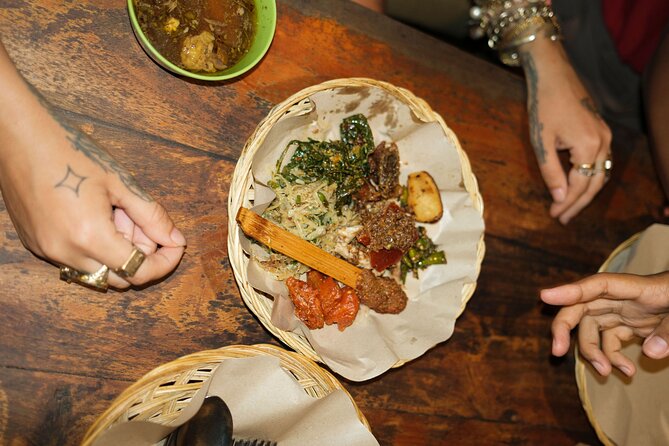
Jalan Gajah Mada brings the walking route into a heritage street lined with local shops and colonial buildings. This is also where the main savory food tasting begins, with two dishes that give you a useful contrast: babi guling and bakso.
Babi guling is Bali’s signature roast pork. It is traditionally associated with ceremonies, which makes tasting it one of the most meaningful parts of the tour. You get to try a dish with a role in Balinese customs, not just a popular item chosen for tourists.
Bakso offers a different experience. This Indonesian meatball soup is warm, familiar, and comforting, with a broth-based format that contrasts with the roast pork. If you are cautious about unfamiliar food, bakso may be the easier starting point. If you enjoy learning through taste, comparing the two dishes shows how varied Indonesian cooking can be.
This stop lasts about 30 minutes. It is not presented as a large restaurant meal, and you may want extra food or drinks later because additional purchases are not included. The tour is designed to let you sample several foods rather than fill up at one stop.
A guide can also help with ordering and explain what you are eating. That matters with local dishes, especially if you are unsure how a soup, roast meat, or market snack is normally served.
Badung Market and Jaje Bali snacks
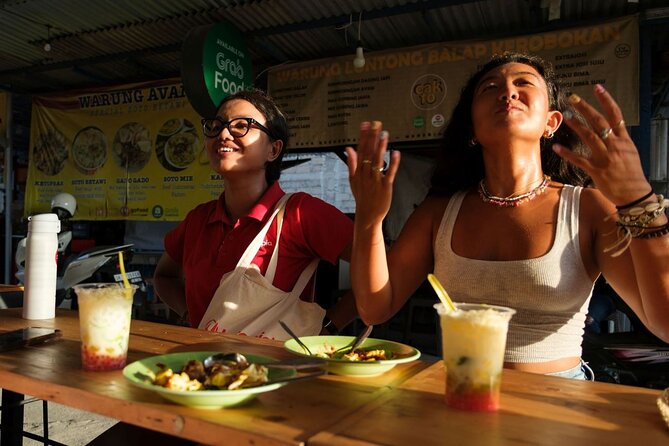
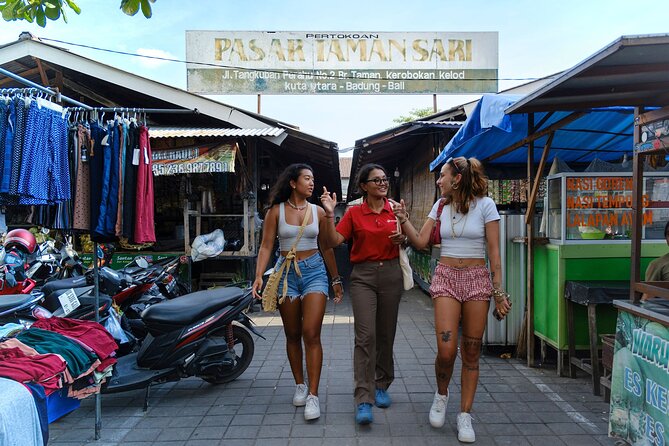
Badung Market is the main street-food section of the experience. You spend about 30 minutes here, trying traditional Jaje Bali snacks and taking in the market atmosphere.
Jaje Bali refers to traditional Balinese sweets, often made with rice flour and coconut. These snacks can be colorful, soft, chewy, or lightly sweet. They are a useful reminder that Balinese food is not limited to the better-known savory dishes.
The market also gives you the best chance to see how local food is sold in everyday life. The vendors are not simply performing a tasting for a tour group. They are local sellers who depend on their stalls for income. The route is intended to support several of these businesses, with around four to six food stalls benefiting from the group’s visits.
This is also the least predictable part of the food experience. Market selections can vary, and the precise snack assortment may depend on what is available that day. That is part of the point, but it means you should not expect a fixed restaurant menu.
Past participants have particularly valued the chance to try foods they might have avoided alone, including unfamiliar fruit, cakes, and soup. A guide such as Irfan has helped explain how to choose kue, or Indonesian cakes, and soto, a type of soup. Those small pieces of advice can make the market feel less intimidating.
Nadhi Heritage and Indonesian Arabica coffee
The final stop is Nadhi Heritage at Jalan Gajah Mada No. 122. Here you finish with authentic Indonesian Arabica coffee, served hot or iced.
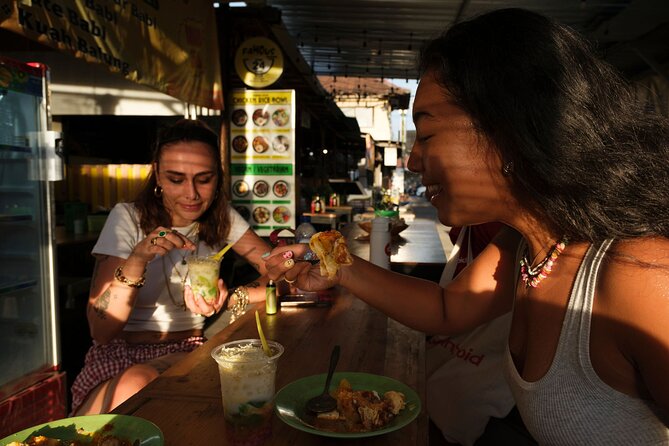
The coffee stop lasts about 30 minutes, giving you time to sit down and let the walking portion settle. It is a pleasant ending because the tour does not finish with a rushed market bite. You get a drink, a place to talk with the guide, and a final connection to Indonesia’s food culture.
Coffee preferences are personal, of course. If you do not drink coffee, the supplied details do not list a replacement drink, so you should ask about options before booking. The tour includes the planned coffee experience, but additional drinks are at your own expense.
The end point is separate from the opening temple, at Nadhi Heritage in the Gajah Mada area. That is useful to know if you are arranging a pickup or planning another activity afterward. The tour starts at 4:00 pm and lasts about three hours, so you should expect to finish around 7:00 pm, allowing for normal variation.
What the guide adds to the evening
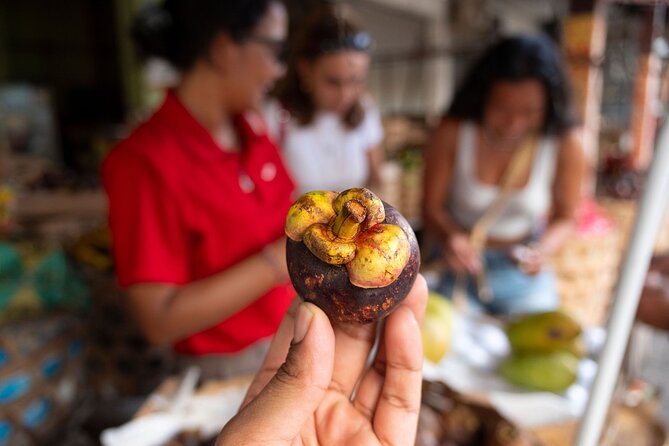
The guide is central to the experience. Without explanation, the route would be a sequence of snacks and city stops. With a good guide, the dishes connect to customs, history, and daily life.
The guide names associated with past departures include Putra, Irfan, Lena, and Srix. Putra has been praised for providing a calm, well-managed outing. Irfan has helped with market choices and food explanations. Lena has been described as easy to talk with, and Srix has been appreciated for explaining local customs while pointing out sights.
You should not book this expecting the same guide each time. Still, the range of positive feedback suggests that the guide role is one of the experience’s strongest features. A small group of up to 12 allows for conversation rather than a speech delivered to a crowd.
The walking pace also seems manageable for most people. One portion may include a short taxi ride near the end, based on the available experience notes, but the official route describes a guided walk through central Denpasar. Ask the provider if you need exact transport details for your date.
Food restrictions, children, and comfort
This experience is best for adults and older children. Children under six are not permitted, and there are no special kids’ meals. The food is local and authentic, so younger children may find the flavors, textures, or serving style less familiar.
Vegetarian and vegan visitors should not book this tour. The provider also cannot cater to gluten allergies or intolerances. Because the route includes babi guling and several market foods, there is no reliable way to reshape the experience around those needs.
If you eat pork and enjoy trying new foods, the menu is a strong point. If you prefer familiar dishes, the bakso and coffee may feel approachable, while the market snacks and roast pork offer more adventurous moments.
The tour is near public transportation, and confirmation is received at booking. Bring comfortable walking shoes, though the supplied details do not specify the total walking distance. The 4:00 pm start means you should also account for afternoon traffic when making your way to Pura Agung Jagatnatha.
Who gets the best value from the $45 price
I see the strongest value here for someone staying in Seminyak who wants a guided reason to visit Denpasar. You are paying not only for food, but also for access to a city center that can feel difficult to read on your own.
The price works best if you appreciate small portions from several places, historical commentary, and local introductions. It works less well if you want one large dinner, a long temple visit, or a flexible menu.
You should also budget for extra food and drinks if you have a large appetite. Gratuities are not included. Free cancellation is available when you cancel at least 24 hours before the 4:00 pm start time. Changes or cancellations within 24 hours are not refundable.
Should you book this Denpasar food tour?
Book it if you want a compact introduction to Denpasar that combines history, local food, and human-scale market visits. The strongest reasons are the ceremonial context of babi guling, the chance to try food from working local stalls, and the small group size.
Skip it if you need vegetarian, vegan, or gluten-free food, or if you are looking for a child-focused outing. You should also choose another experience if your main goal is a long, sit-down dinner.
For curious eaters, this is a useful three-hour detour from the resort areas. You leave with more than a list of dishes. You gain a clearer picture of Denpasar’s public spaces, its food traditions, and the people who keep its markets moving.
FAQ
Where does the tour start?
It starts at Pura Agung Jagatnatha, Jalan Surapati No. 7, Dangin Puri, Denpasar.
What time does the tour begin?
The tour starts at 4:00 pm.
Where does the tour finish?
It finishes at Nadhi Heritage, Jalan Gajah Mada No. 122, Denpasar.
How long does the experience last?
The experience lasts approximately three hours.
What food is included?
You taste babi guling, bakso, traditional Jaje Bali snacks, and other local street food. The experience also includes Indonesian Arabica coffee at Nadhi Heritage.
Are extra food and drinks included?
No. Additional food and drinks are not included.
Can vegetarians or vegans join?
No. The provider cannot accommodate vegetarian or vegan diets on this tour.
Are gluten allergies or intolerances accommodated?
No. The provider cannot cater to gluten allergies or intolerances.
How many people can join the tour?
The group has a maximum of 12 people.
Just added around Indonesia
- Ubud: Night Market Feast with Balinese Culinary Odyssey★ 4.7 · 5 reviews
- Ubud: Gianyar Night Market Food Tour with up to 17+ Tastings★ 4.7 · 13 reviews
- Yogyakarta Night Street Food Hunting★ 5.0 · 3 reviews
- Denpasar Night Market Food Tour★ 5.0 · 4 reviews
- Balinese Street Food Tour By Motorbike All You Can Eat and Drink!★ 5.0 · 5 reviews
- Bali Street Food Tour: Savor Authentic Flavors & Night Market★ 5.0 · 2 reviews
- Bali Street Food Tour★ 5.0 · 44 reviews
- Street Food Tasting by Walking★ 5.0 · 2 reviews
Street Food Tours, compared.
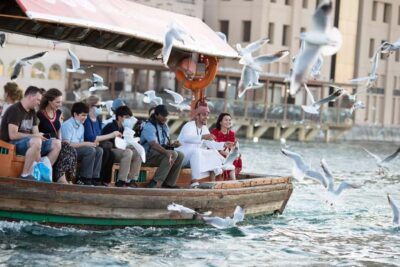
Old Town, Creek, Museums, Souks, & Street Food Tour
What we made of it →
Ho Chi Minh City Street Food Tour & Sightseeing By Motorbike
What we made of it →
Comuna 13 Graffiti Tour, Cable Car & Street Food
What we made of it →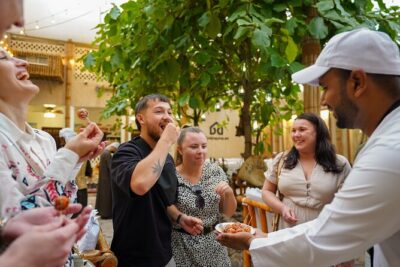
Old Town, Souks, Street Food, Guided Tour & Abra Ride
What we made of it →
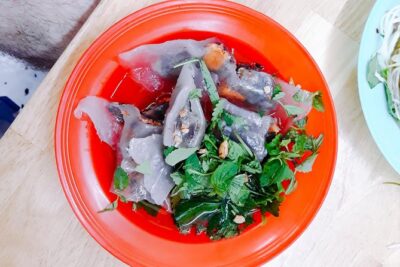
Small Group Hanoi Street Food Tour with a Real Foodie
What we made of it →
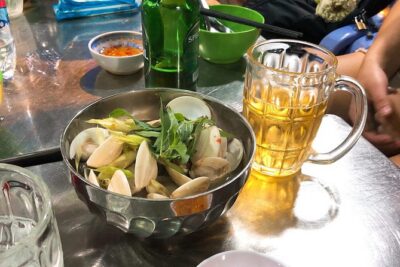
Saigon By Night and Street Food By Motorbike | Opt: Ao Dai Riders
What we made of it →Where this tour turns up