
Review · UBUD
Ubud: Gianyar Night Market Food Tour with up to 17+ Tastings
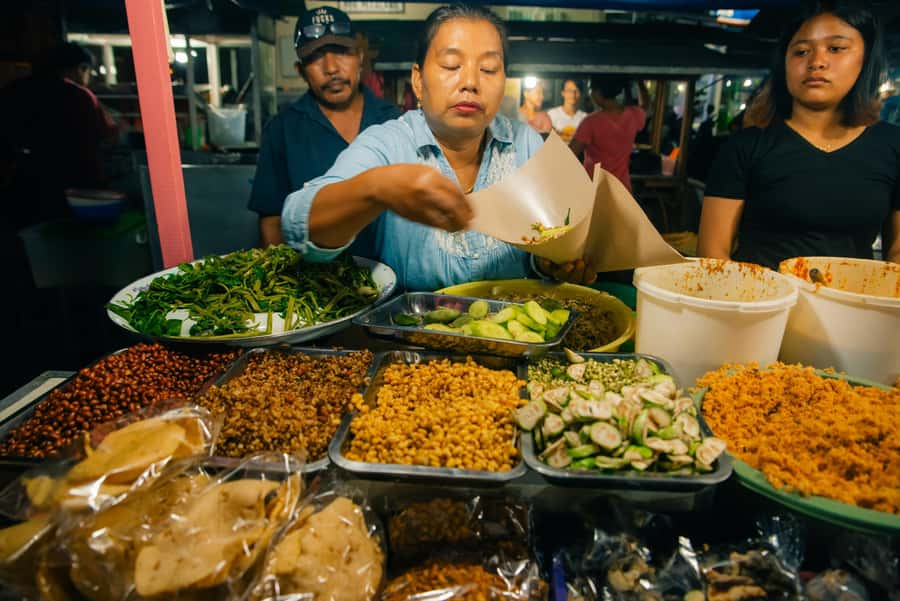
The best Bali meals may cost very little. This Ubud evening tour takes you to Gianyar Night Market for a generous parade of local food, from lemongrass-wrapped Satay Lilit to roasted pork, banana fritters, and pandan crepes. I like the small groups of up to five and the chance to eat where local families eat, not in a polished café. The main drawback is the menu: meat, spice, nuts, and plenty of food make this a poor fit for vegetarians, vegans, people with diabetes, or anyone with a nut allergy.
The guide can add real value here. Car, Ryan, Agung, Suker, and others have been praised for explaining Balinese food and culture along the way, with Ryan singled out for his calm style and detailed knowledge of the island. I also like that transport can be added from Ubud, though the drive to Gianyar takes about 30 minutes and shared pickup can vary by 15 to 20 minutes.
This is not a dainty tasting menu. You may receive full plates of rice and meat, soups, satays, desserts, and more, so arrive hungry and pace yourself. Sambal Matah can bring serious heat, and Bali Belly is not a souvenir worth taking home.
Key points at a glance
- Up to 15 core dishes, with listings describing up to 17 or more tastings: Expect a substantial meal rather than tiny samples.
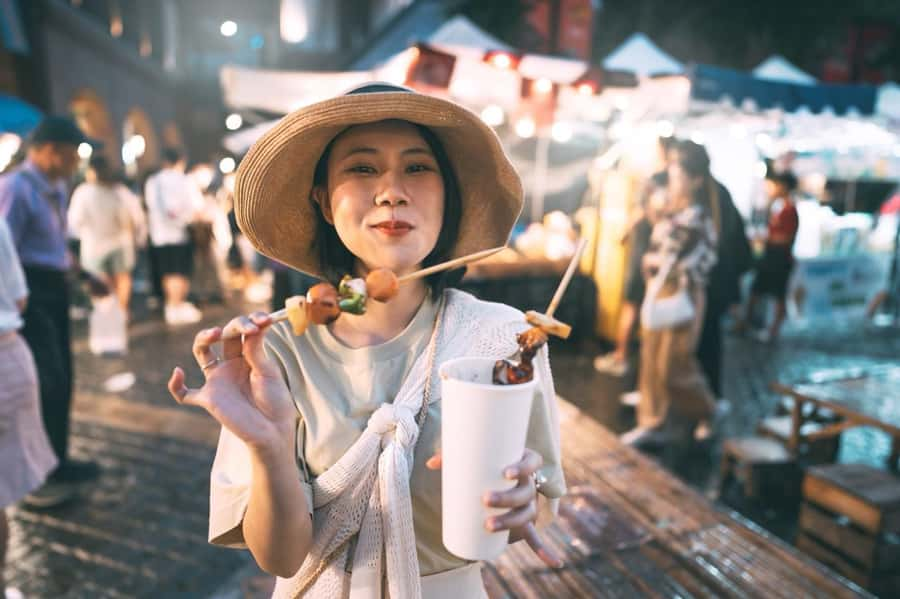
- Gianyar Night Market: You eat at a local pasar malam, surrounded by food stalls, sounds, and everyday Balinese life.
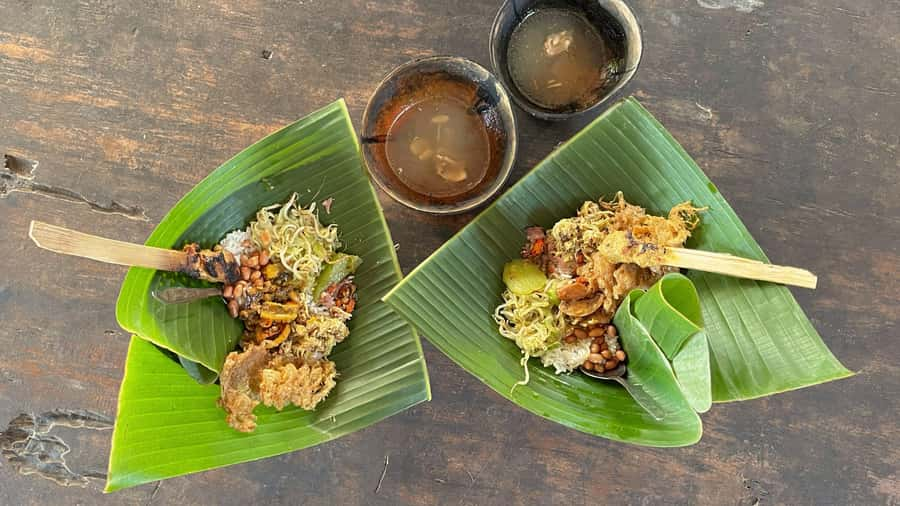
- Classic Balinese specialties: Satay Lilit, Babi Guling, Ayam Betutu, Nasi Campur, Lawar, and Sambal Matah lead the savory menu.
- Dessert has a proper role: Pisang Goreng, Dadar Gulung, Bubur Injin, Pisang Rai, and other Jaja Bali sweets may appear.
- Small English-speaking group: The group is limited to five participants, giving the guide room to explain ingredients and customs.
- $32 value: The price includes food samples, a guide, mineral water, admission fees, and transport only when that option is selected.
Why Gianyar Night Market makes a good food stop
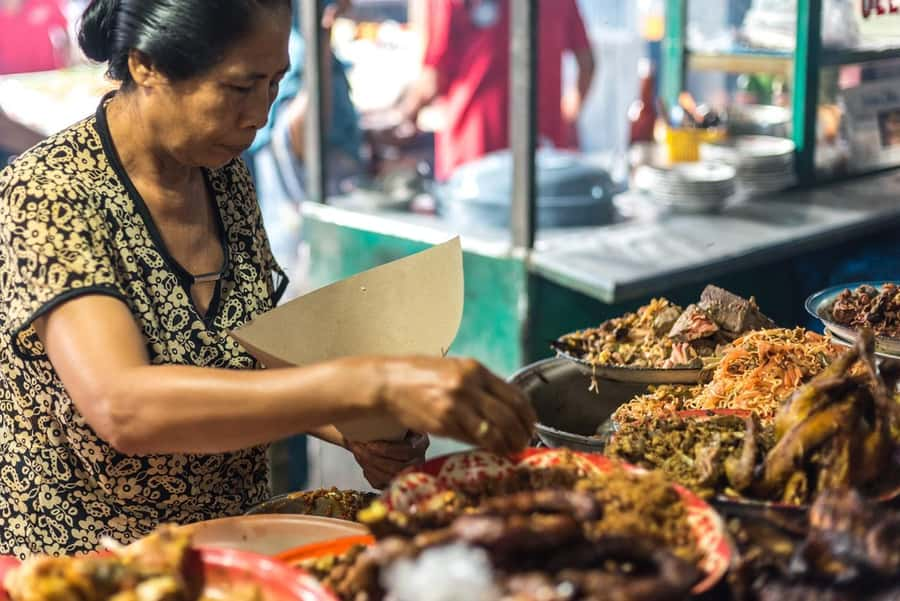
Ubud has plenty of restaurants aimed at visitors. Gianyar offers something different. The night market is a local food center where people come for familiar dishes, quick meals, sweets, and snacks. You are not just sampling a few famous recipes. You are seeing how Balinese food works in an ordinary evening setting.
That matters because many dishes taste best when eaten close to their source. Babi Guling is more than roast pork on a plate. Nasi Campur shows how rice, meat, vegetables, and sambal are combined into one filling meal. Sweets such as Dadar Gulung reveal the importance of coconut, pandan, and palm sugar in Indonesian cooking.
I would choose this outing early in your Bali stay if food is a major reason for your trip. The guide can explain what you are seeing before you order on your own later. The market also gives you a practical introduction to spice levels, textures, and ingredients that may otherwise seem unfamiliar.
The atmosphere is part of the experience, but it may not suit everyone. This is a working market, not a quiet dining room. You should expect crowds, strong aromas, and food being prepared quickly around you. That is precisely the appeal for some people, but anyone seeking a polished, slow-paced meal may prefer an Ubud restaurant.
More Night Market Food Tours in Indonesia:
- Ubud Traditional Night Market Food Tour-All Inclusive
★ 4.4 · 95 reviews - Ubud Day Tour : Waterfall, Temple and Local Night Market Tour
★ 5.0 · 17 reviews - Bali Night Market Experience and Ubud Highlights tour
★ 5.0 · 16 reviews
Starting with Satay Lilit and Sambal Matah
The first tastes set the tone. Satay Lilit uses minced fish mixed with spices and wrapped around lemongrass sticks before grilling. The lemongrass gives the skewer a fragrant shape and a gentle herbal note, while the fish makes it softer than the usual chunks of meat on a satay skewer.
Sambal Matah brings the heat. This raw Balinese sambal is fresh, sharp, and built to wake up the palate. It often accompanies rice and meat, so you can control how much you take. My practical advice is simple: start with a small amount. You can always add more, but the sambal cannot be removed once it has taken over your plate.
The guide is especially useful at this point. A good explanation helps you understand that sambal is not just a sauce poured on top for decoration. It is part of the balance of the meal, adding sharpness and heat to richer foods.
Babi Guling and Ayam Betutu at the market
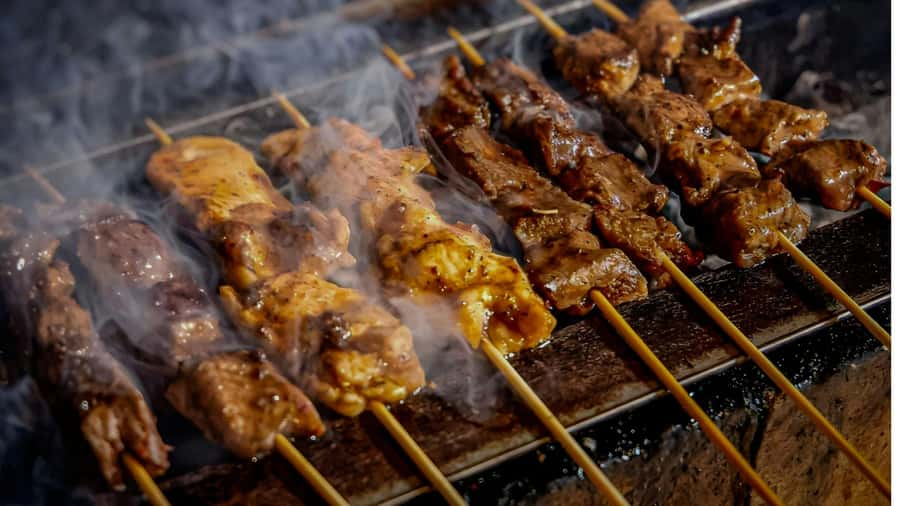
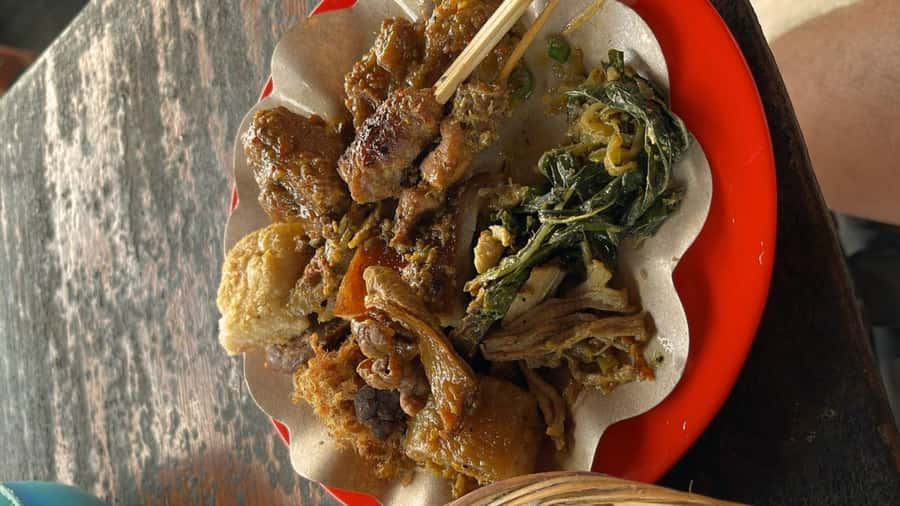
Babi Guling is one of Bali’s best-known foods. The suckling pig is roasted with aromatic spices and herbs, then carved for serving. At the market, you may see the preparation and carving rather than receiving an abstract description in a restaurant.
Expect the pork to arrive as part of a larger plate, usually with rice, vegetables, and spicy accompaniments. The portion can be more generous than the phrase food tasting suggests. That is good value, but it also means you should not fill up at the first stall.
Ayam Betutu offers a different texture and cooking method. The chicken is seasoned, wrapped in banana leaves, and cooked slowly until tender. The spice mixture gives it a full flavor, while the slow cooking keeps the meat soft.
Together, these two dishes show different sides of Balinese cooking. Babi Guling is tied to roasting and ceremonial food traditions, while Ayam Betutu shows what slow cooking and heavy seasoning can do to poultry. If you are sensitive to chili, ask the guide which parts are hottest before taking a full serving.
Nasi Campur and Lawar explain the Balinese plate
Nasi Campur is one of the most useful dishes for understanding everyday Indonesian meals. You receive steamed rice with several sides, which may include grilled meat, vegetables, spicy preparations, and sambals. Instead of choosing one main course, you get a small survey of flavors on one plate.
For a first-time visitor, this can be more informative than eating a single famous dish. You can compare salty, sweet, spicy, smoky, and fresh elements in one sitting. It also makes clear why rice is central to the meal. The rice gives the stronger flavors somewhere to land.
Lawar adds another layer. It combines minced meat, coconut, spices, and fresh vegetables, with ingredients changing by season. It can be unfamiliar in both texture and seasoning, so I would treat it as a chance to ask questions rather than making assumptions based on its appearance.
These dishes are also where dietary restrictions become important. This is not a vegetarian-friendly food tour, and many preparations include meat. The activity is specifically unsuitable for vegetarians, vegans, people with diabetes, and people with nut allergies. Do not count on simply removing one ingredient from every dish.
More Street Food Tours in Indonesia:
- Bali: Authentic Culinary Street Food Experience Tour
★ 4.7 · 99 reviews - Jakarta: Private Guided Sightseeing & Street Food Night Tour
★ 4.8 · 99 reviews - Denpasar: Night Street Food Walking Tour
★ 4.5 · 60 reviews - Night Walking Tour-Malioboro street food with guide at Yogyakarta
★ 5.0 · 53 reviews
Sweet stalls: Pisang Goreng, Dadar Gulung, and more
The sweet course keeps the evening from ending on chili. Pisang Goreng, or fried banana, is a simple local favorite with a crisp coating and soft fruit inside. It is familiar enough for cautious eaters, but still very much at home in the market setting.
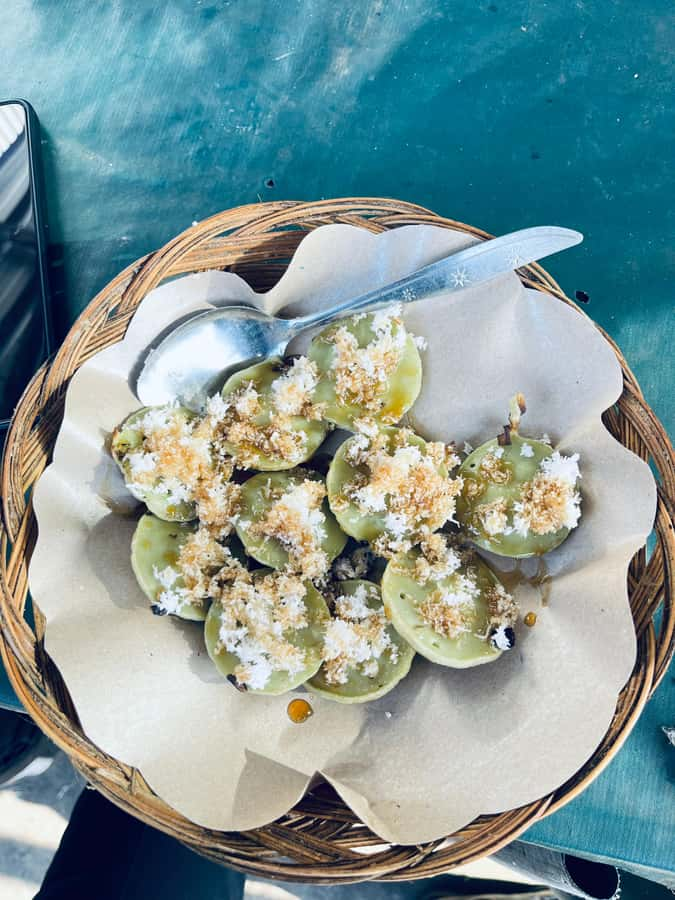
Dadar Gulung is more distinctive. These green pandan crepes are filled with sweet coconut and palm sugar. The color is striking, and the filling gives you a chewy, fragrant finish after the savory dishes.
Other sweets and snacks may include Pisang Rai, Jaja Bali, Bubur Injin, and fruit. Bubur Injin is a black rice dessert, usually valued for its soft texture and sweet coconut character. Martabak and Lumpia may also appear, bringing a savory or sweet pastry element to the later tastings.
The exact lineup can change, and the supplied information uses both up to 15 dishes and up to 17 or more tastings. I would read that as a generous range, not a promise of a fixed number. The guide and market availability will shape the final meal.
What the guide adds to the evening
The strongest part of this experience may be the person walking you through it. Food markets are easy to visit on your own, but it is harder to know what to order, how much chili to use, or why a dish matters.
Car has been praised for discussing Balinese culture during the drive. Ryan has been described as calm and well informed about local food, and he has also been praised for explaining Bali in detail. Agung is noted for punctuality and for pointing out his own favorite foods. Suker has been praised for combining cultural information with a kind and funny manner.
Those details matter because the tour is not only a sequence of bites. The guide can help you notice the difference between a snack, a shared side, and a complete meal. You can also ask about ingredients before eating, which is important when you are dealing with raw sambal, nuts, strong spices, or unfamiliar meats.
The English-speaking format keeps the experience accessible. With a maximum of five people, you should have a better chance to ask questions than on a large coach tour. Still, the guide quality may vary by departure, so it is best to treat the named guides as examples of the standard people have experienced rather than a guarantee of a particular person.
Timing, transport, and the Ubud connection
The tour lasts about three to five hours. That range allows for the drive, market visit, food stops, and drop-off. From Ubud, the market is about 30 minutes away by car, making this a sensible evening outing during a Ubud stay.
Pickup depends on the option you select. A transfer package includes hotel pickup and drop-off, as well as transportation. Without that option, you will use the stated meeting point, which can vary. Shared pickup requires patience, since you should allow a 15 to 20 minute window.
The driver and vehicle details are normally shared the day before. For a last-minute booking, they may arrive later. Alcohol is not allowed in the vehicle, and alcoholic drinks are not included.
The drop-off choices include Ubud, AZKO Gianyar Bali, and Ubud Palace. Check your chosen option carefully before paying, since transport is not part of every package.
Is $32 a fair price?
At $32 per person, this is good value if you want a full introduction to Balinese street food without sorting out every dish yourself. The price includes samples of up to 15 dishes, a guide, mineral water, and admission fees. If you choose the transfer option, transportation and hotel pickup and drop-off are included as well.
The value increases for first-time visitors. You are paying for guidance, local food selection, and the time needed to move through the market. You may spend less by eating independently, but you would also need to decide what to order and manage the language and food-safety questions on your own.
It is less attractive if you eat very little, avoid meat, or dislike spicy food. Extra food and drinks are not included, and personal expenses are your responsibility. Alcohol is excluded. The meal is substantial enough that you may not want another dinner afterward.
A 4.7 rating from 13 ratings suggests a strong start, with repeated praise for food quantity, guide quality, and cultural explanations. I would place the greatest weight on those recurring points, rather than expecting every evening to follow the same menu or have the same guide.
Who should book it?
I would recommend this tour to first-time visitors to Bali, curious eaters, couples, small groups, and solo visitors who want company at the market. It works particularly well for anyone who wants context with a meal, not just a list of dishes.
It is also useful for cautious eaters who want a guide to explain ingredients and local spice levels. You can try small amounts first and avoid treating every red sauce as harmless. Mineral water is included, but bring a sensible attitude toward chili and stop before your stomach does.
I would not recommend it for vegans, vegetarians, people with diabetes, or people with nut allergies. It is also not ideal if you want a quiet, controlled restaurant meal or a fixed menu with exact portions.
Practical tips for a better evening
- Eat lightly beforehand, but do not arrive starving. The food can be plentiful.
- Start with small amounts of Sambal Matah and ask about spice before adding more.
- Tell the guide about allergies or dietary limits before the first tasting.
- Wear comfortable clothing for a three to five hour outing.
- Keep your pickup window open by 15 to 20 minutes if you choose shared transport.
- Use the first part of the evening to ask questions. The guide can explain dishes you may later seek out on your own.
- Bring room for dessert. The sweet dishes are not an afterthought.
FAQ
How many foods will I taste?
The core description says samples of up to 15 dishes, while the experience is also presented as offering up to 17 or more tastings. The exact number can vary with the market and the evening.
Is hotel pickup included?
Hotel pickup and drop-off are included only if you select the transfer option. Otherwise, the meeting point depends on the booking option you choose.
How long does the tour last?
The tour lasts between three and five hours. Check the available starting times for your chosen date.
Is the tour suitable for vegetarians or vegans?
No. The tour is not suitable for vegetarians or vegans because many dishes include meat.
What languages are offered?
The live tour guide speaks English.
Can I cancel for a refund?
Yes. You can cancel up to 24 hours in advance for a full refund. You can also reserve now and pay later.
Should you book this Gianyar food tour?
Book it if you want a generous meal, a local market setting, and a guide who can explain what is on your plate. The combination of Satay Lilit, Babi Guling, Ayam Betutu, Nasi Campur, Lawar, sambal, and Balinese sweets gives you a useful first taste of the island’s food culture for $32.
Skip it if your diet rules out meat, nuts, or strong seasoning. For everyone else, this is a practical way to reach Gianyar Night Market, eat widely, and leave with a better sense of what to order during the rest of your time in Bali.
Just added around Indonesia
- Ubud: Night Market Feast with Balinese Culinary Odyssey★ 4.7 · 5 reviews
- Yogyakarta Night Street Food Hunting★ 5.0 · 3 reviews
- Denpasar Night Market Food Tour★ 5.0 · 4 reviews
- Taste & Explore Bali: Denpasar Street Food & Historic Sites★ 4.5 · 27 reviews
- Balinese Street Food Tour By Motorbike All You Can Eat and Drink!★ 5.0 · 5 reviews
- Bali Street Food Tour: Savor Authentic Flavors & Night Market★ 5.0 · 2 reviews
- Bali Street Food Tour★ 5.0 · 44 reviews
- Street Food Tasting by Walking★ 5.0 · 2 reviews
Night Market Food Tours, compared.
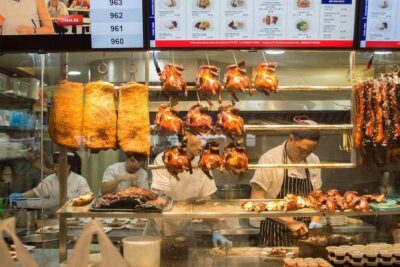
Small Group: Michelin and Local Hawker Food Tour with 9 tastings
What we made of it →

Food Market Visit and Cooking Class with Wine
What we made of it →
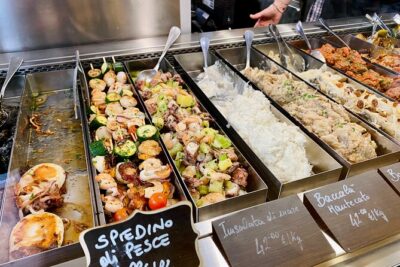
Venice Street Food Tour with Local Guide with Local Food Market Visit
What we made of it →
Cancun Taco Tour, Local Beer and Night Market with Transportation
What we made of it →
Tsukiji Fish Market Food and Culture Walking Tour
What we made of it →
Cancun Street Food Tour with Food Stalls, Local Market and Murals
What we made of it →Where this tour turns up