
Review · UBUD
Ubud: Night Market Feast with Balinese Culinary Odyssey
Follow the smoke after sunset. This Ubud-Gianyar food walk takes you into the evening market where Balinese families, workers, and students eat, not just where visitors take photos. I like the chance to try dishes you might miss on your own, and I like how guides such as Nata explain the food instead of simply pointing at it. The main drawback is that the market can be crowded, and the experience requires walking, standing, and handling spicy or unfamiliar ingredients.
The $27 price is fair if you want a friendly introduction to Balinese food without guessing what to order. You get several tastings, a local English-speaking guide, water, and a look at daily food traditions. Check your option carefully, though: private transport includes hotel pickup and herbal drinks with coffee, while the shared walking option does not include transportation.
Key Points Before You Book
- Two local night-market stops: The evening includes food at Gianyar and time at another Bali market area, giving you more than one look at local dining.
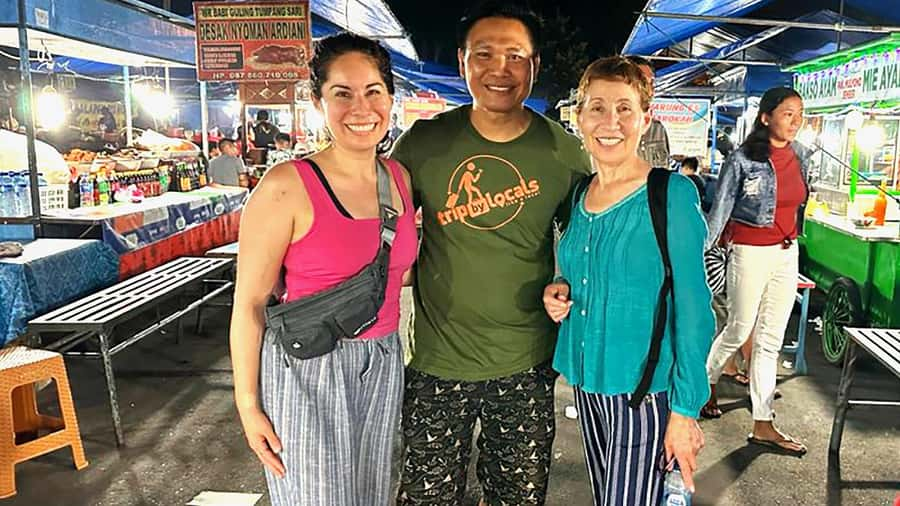
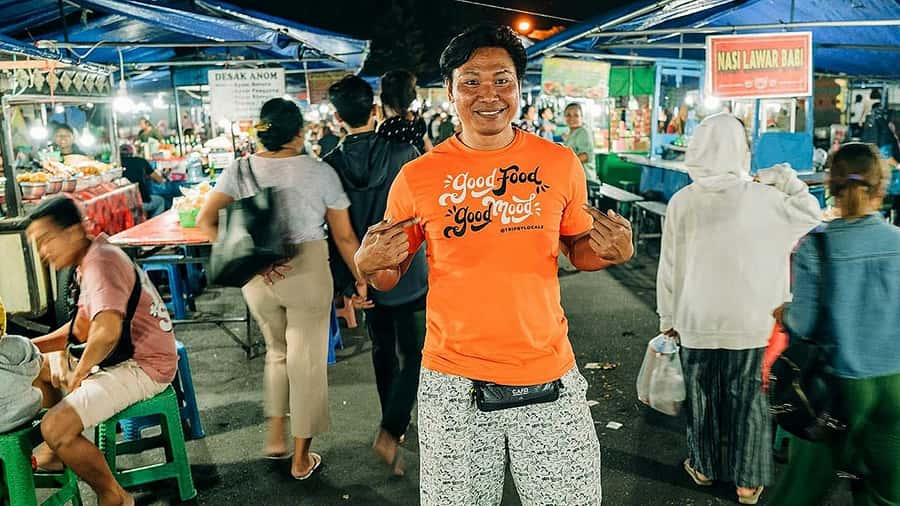
- Nata earns special praise: Several guests found Nata warm, helpful, and good at matching dishes to dietary preferences.
- Herbal drinks and coffee come first: These tastings are included with the Private Transport option and show how simple drinks fit into daily Balinese life.
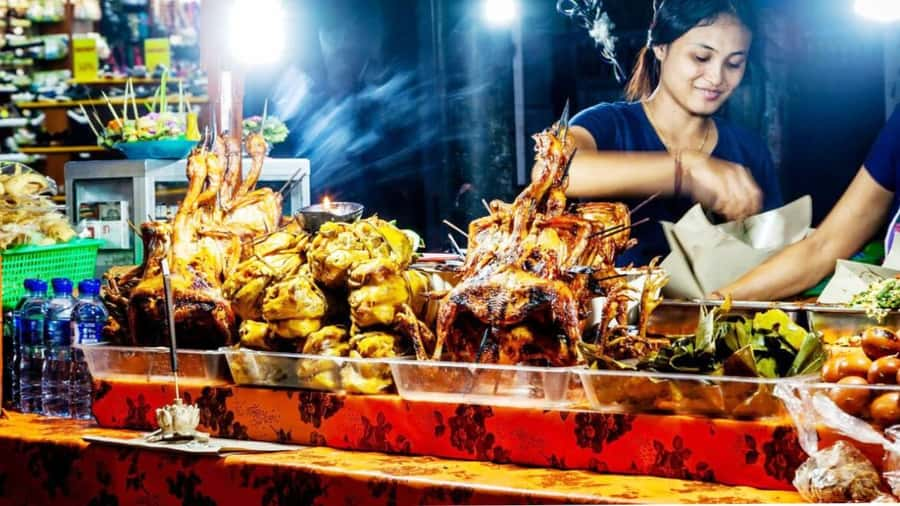
- Food is chosen around the market: You taste a mix of savory dishes, grilled food, sweets, and local favorites rather than following a rigid restaurant menu.
- Bring cash and comfortable shoes: Vendors usually do not accept cards, and the route includes walking through a busy market.
- Private or shared formats: You can pay for a more personal outing with pickup or choose the less expensive walking option.
Why This Night Market Experience Works
Ubud has plenty of restaurants aimed at visitors. They can be good, but a night market shows you a different side of Bali. Here, food is practical, social, and tied to the end of the workday. People arrive after sunset, buy a quick meal, chat with friends, and head home.
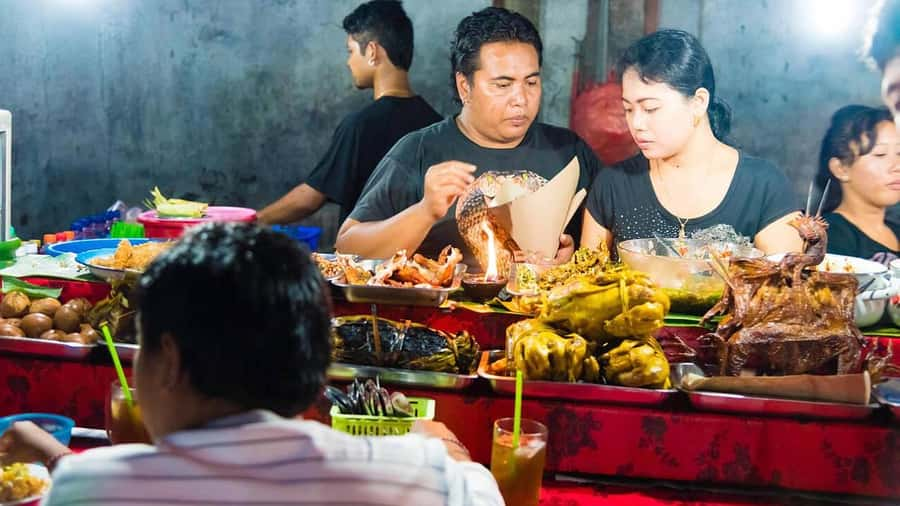
That setting gives the tour its value. You are not simply tasting prepared samples in a quiet room. You are moving through food stalls while vendors cook in front of you, with smoke, sizzling grills, sweet smells, and the steady movement of local customers around you.
A guide matters in this setting. Market food is not always labeled in English, and a dish may look unfamiliar even when its ingredients are simple. Your guide can explain what you are seeing, how the food is prepared, and when people usually eat it. This makes it easier to try something outside your normal order.
The experience has earned a 4.7 rating from five published ratings, with particular praise for the food choices and the guide’s care. Nata is named several times, and his ability to explain dishes and respond to preferences is a clear strength.
More Night Market Food Tours in Indonesia:
- Ubud Traditional Night Market Food Tour-All Inclusive
★ 4.4 · 95 reviews - Ubud Day Tour : Waterfall, Temple and Local Night Market Tour
★ 5.0 · 17 reviews - Bali Night Market Experience and Ubud Highlights tour
★ 5.0 · 16 reviews
Starting With Balinese Coffee and Herbal Drinks
If you select the Private Transport option, the evening begins with traditional Balinese herbal drinks and local coffee. This is a useful opening because it places food in the setting of ordinary life rather than treating it as a list of exotic dishes.
Your host introduces the herbs, spices, and basic ingredients used in these drinks. You also get a sense of how food and drink connect to daily routines. This is not a formal class, so you should expect tasting and conversation rather than a long lecture.
The coffee and tea portion received some of the strongest individual praise. It gives you a gentle way to begin before the heavier food arrives. It also helps if you are new to Balinese flavors and want to understand the role of simple ingredients before entering the market.
One important catch: the herbal tea and coffee tasting is included only with Private Transport. If this part matters to you, confirm the option name before paying.
Entering the Gianyar Market After Sunset
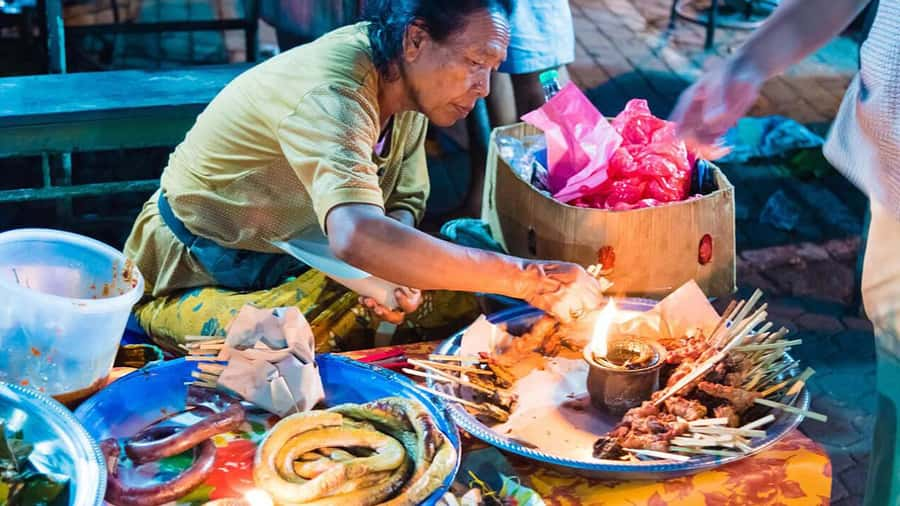
The main food stop takes place in Gianyar, where local families, workers, and students gather after sunset. The market is active and informal, with stalls serving quick meals and snacks rather than polished restaurant courses.
Expect to walk from stall to stall and stop as your guide selects food worth trying. The meal can include savory items, grilled dishes, local sweets, and other snacks. The exact mix may change, which is part of the point. This is market eating, not a fixed tasting flight.
You may watch vendors prepare food directly in front of you. That gives you useful context about texture and cooking methods, and it lets you see how fresh items are handled. Your guide can also explain which foods are commonly eaten at certain times and how dishes connect with Balinese ceremonies and traditions.
The food choices can be generous. George from the United Kingdom said the experience covered sweet, smoky, salty, and spicy flavors, and he ate enough to sleep soundly afterward. That is a good reminder to arrive hungry, but not so hungry that you rush through the first few stops.
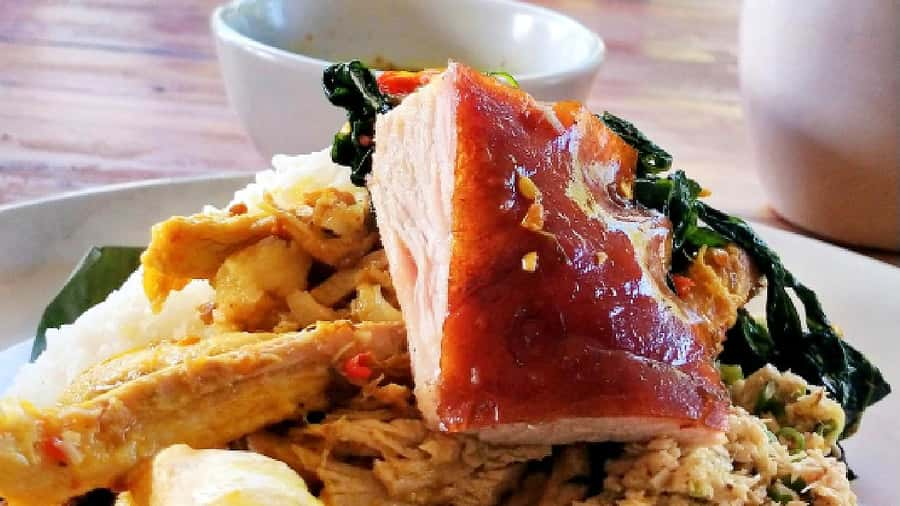
Babi guling, or Balinese roasted pork, may be available at a local restaurant during the outing. Alicja from Poland particularly appreciated being introduced to it, along with other dishes she would not have known how to find alone. This does not mean every menu is guaranteed to include the same items, so treat it as a possible highlight rather than a promise.
A Second Market and Time to Look Around
The itinerary also allows time at another Bali market area, including an arts and crafts market visit. The food portion is the main reason to book, but this second stop broadens the evening beyond eating.
You may have free time to look at local goods and observe how the market changes from a food stop into a place for shopping and social activity. The listed timing gives about two hours for dinner, snacks, drinks, and the food market, followed by about an hour for the additional visit.
That three-hour structure is a useful guide, although the full experience is advertised as lasting two to four hours. Starting times vary, and the pace can depend on the selected option, group size, market conditions, and how long you spend at each stall.
The extra market time may feel less essential if you only want a food tour. Still, it gives you breathing room and keeps the evening from becoming a rushed series of bites.
Same place, a different plate:
- Jakarta: Private Guided Sightseeing & Street Food Night Tour
★ 4.8 · 99 reviews - Bali: Authentic Culinary Street Food Experience Tour
★ 4.7 · 99 reviews - Denpasar: Night Street Food Walking Tour
★ 4.5 · 60 reviews - Night Walking Tour-Malioboro street food with guide at Yogyakarta
★ 5.0 · 53 reviews
What You Will Actually Eat
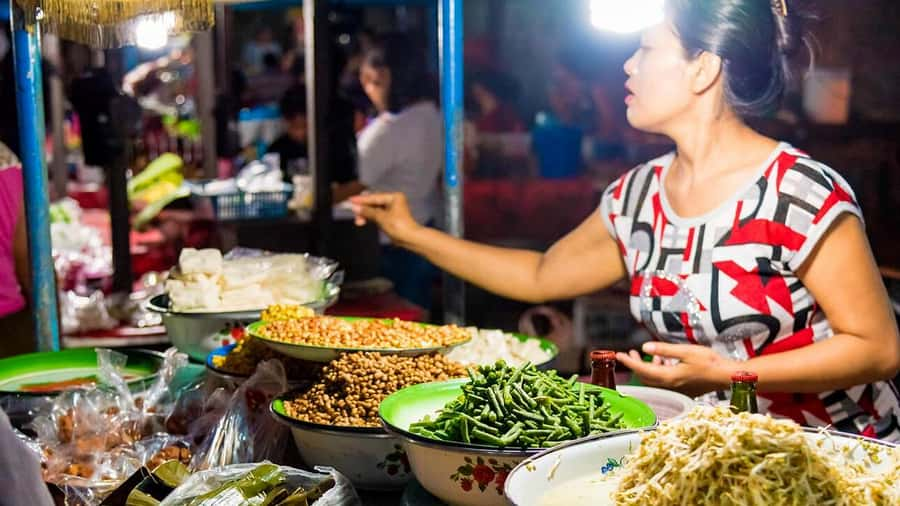
The tour does not promise one fixed menu. Instead, you try a selection based on what is available and worthwhile at the market that evening. That approach suits a local food experience because night-market cooking is shaped by the vendors and the day’s supply.
You can expect a mixture of:
- Savory Balinese dishes
- Freshly grilled items
- Local snacks
- Sweet treats
- Traditional drinks
- Possible local restaurant dishes such as babi guling
The guide explains what you are eating and helps you decide what to try. This is especially useful for ingredients, spice levels, and dishes that do not have clear English names.
Several people valued the guide’s help with food restrictions. Michelle from the United States appreciated being directed toward dishes that suited her diet, and Clarisse from France noted that Nata adjusted the experience for vegetarian preferences, spice tolerance, and other restrictions.
You should still provide allergy and dietary information before the tour. The food may contain peanuts, spices, or coconut-based ingredients, and the experience is specifically listed as unsuitable for people with food allergies. A preference is not the same as a serious allergy, so use caution and communicate clearly.
Private Transport or Shared Walking Tour
Your choice of option changes the evening in practical ways.
The Private Transport option includes hotel pickup and drop-off in central Ubud, plus the herbal drink and coffee tasting. It is the better choice if you want door-to-door service, more personal attention, or help coordinating the evening. It may also suit you if you are staying outside the center and do not want to arrange your own ride.
Pickup outside central Ubud can cost extra. The provider asks for an active WhatsApp number so pickup details and live updates can be handled directly. Guests should provide that number during booking.
The Shared Group option is less personal and does not include hotel pickup. You meet at the designated point and join the group from there. This can be a good value if you are comfortable navigating to the meeting place and mainly want help choosing and understanding food.
A separate walking option also requires you to go directly to the meeting point. Do not assume that every booking includes transportation just because pickup is available for one version of the experience.
How the Crowds and Walking Affect the Evening
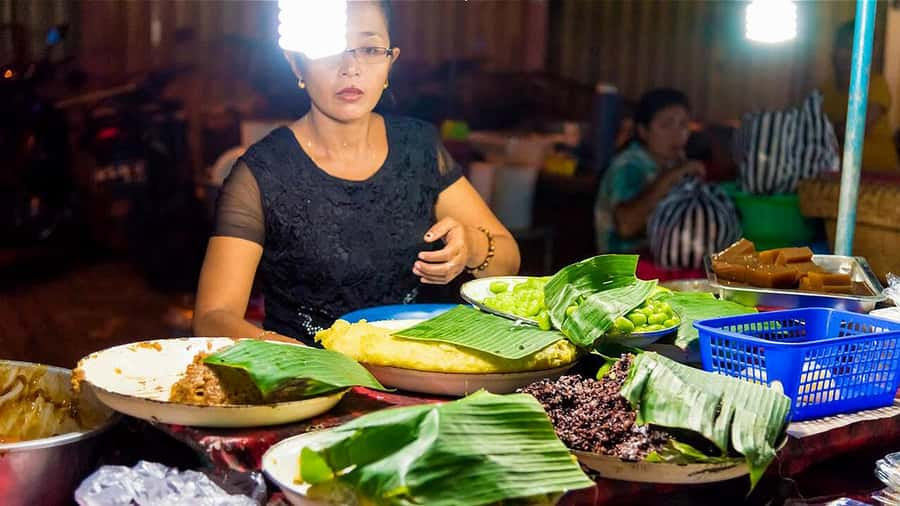
This is a walking food outing through a real market, not a seated dinner. You will likely spend time standing, moving around stalls, and sharing space with local shoppers. Peak hours can feel crowded.
That atmosphere is part of the appeal, but it also demands some patience. You may need to wait while vendors prepare food, move carefully through narrow areas, or pause while the group gathers. Comfortable walking shoes and loose, comfortable clothes will make the evening easier.
The experience runs in rain unless major Balinese religious holidays interrupt the schedule. Carrying a small rain layer is sensible, though the supplied information does not promise that one will be provided.
You should also bring cash. Most night-market vendors do not accept cards, and personal expenses are not included. Alcohol, including beer, is also excluded.
The activity is not suitable for children under three, people with back or heart problems, people with mobility impairments, or wheelchair users. These limits make sense given the walking, standing, crowds, and uneven market setting.
Is $27 Good Value?
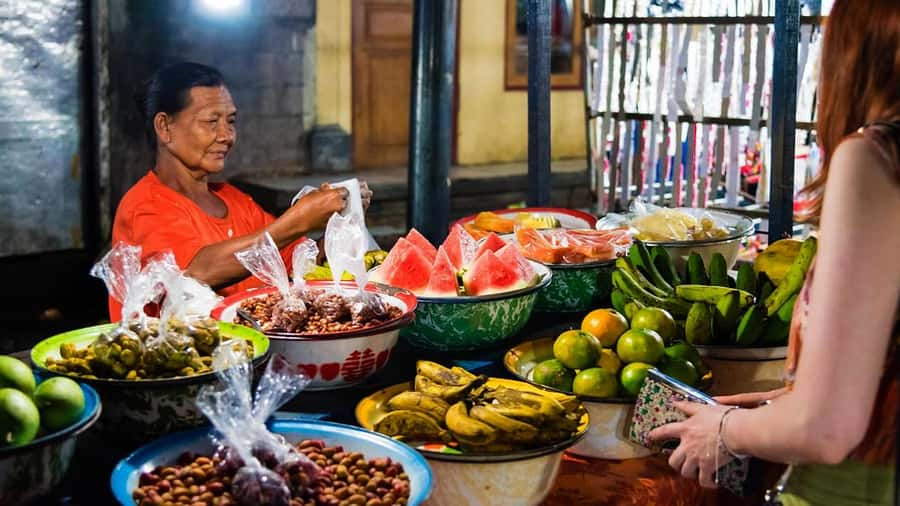
At $27 per person, this is a modestly priced way to get orientation in Bali’s food culture. You are paying for more than the food itself. The guide helps you identify dishes, explains local habits, and takes away much of the uncertainty that comes with ordering at an unfamiliar market.
The price looks strongest for first-time visitors to Bali, cautious eaters who want encouragement, and anyone who would otherwise stay with familiar restaurant meals. The value is also better if you choose several tastings and make full use of the guide’s explanations.
The private option may cost more if you are outside central Ubud because of the additional pickup fee. Even so, the convenience can be worth it if you are traveling with a small party or want the coffee and herbal drink tasting.
You should not book this expecting a luxury dinner. Vendors, seating, menu, and pacing are all part of the market setting. The reward is variety and local context, not table service or a carefully plated meal.
Who Will Enjoy This Most
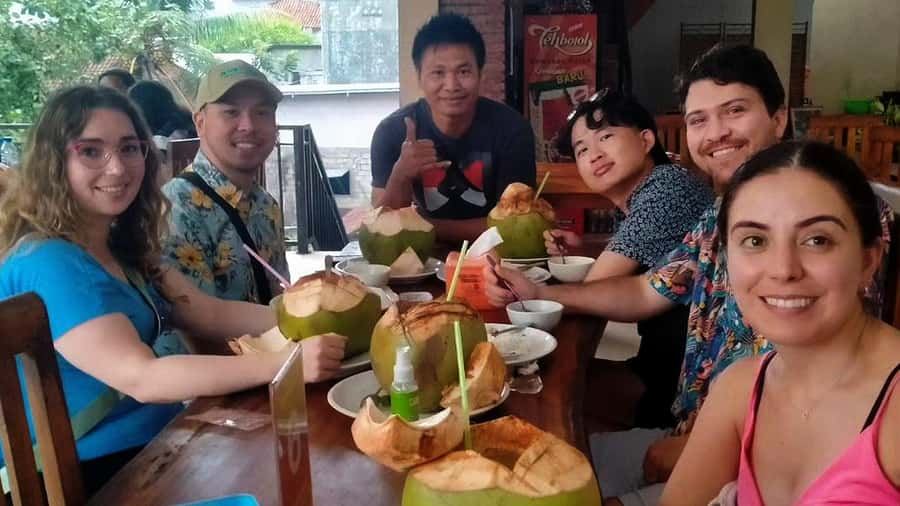
I would recommend this to curious eaters who want a practical introduction to Balinese food. It is also a strong choice if you feel unsure about ordering street food alone or want a local person to explain what is in front of you.
It suits couples, solo visitors, and small groups. The private format gives you more control, while the shared option keeps the cost down and adds a social element.
This is less suitable if you need wheelchair access, cannot walk or stand for long, have serious food allergies, or dislike crowds. It may also disappoint you if you want a quiet restaurant meal with a predictable menu.
The best mindset is simple: arrive hungry, bring cash, ask questions, and accept that the food selection may change. You are paying for access and guidance, not a printed menu.
Should You Book the Ubud Night Market Feast?
You should book it if you want to taste Balinese food in the setting where locals actually eat after sunset. The strongest reasons are the guide’s personal help, the broad mix of sweet, smoky, salty, and spicy food, and the chance to try dishes you might never identify on your own.
Choose Private Transport if pickup, coffee, herbal drinks, and a more personal outing matter to you. Choose the shared walking version if you want the lower-cost introduction and can reach the meeting point yourself.
I would skip it if you need guaranteed dishes, quiet surroundings, easy mobility, or strict control over every ingredient. For most food-curious visitors staying in Ubud, though, $27 is a sensible price for an evening that connects what you eat with how people in Bali live.
FAQ
How long does the Ubud night market experience last?
The experience lasts about two to four hours. The listed schedule includes roughly two hours for dinner, snacks, drinks, and the Gianyar food market, followed by about one hour for another market visit and free time.
What food is included?
You receive selected tastings from local stalls, including savory dishes, grilled items, local snacks, sweets, and possible local restaurant dishes such as babi guling. The exact food selection can vary.
Is hotel pickup included?
Hotel pickup and drop-off are included only with the Private Transport option. The shared group and walking options require you to meet the guide at the designated meeting point.
Is the herbal tea and coffee tasting included with every option?
No. The herbal tea and traditional Balinese coffee tasting is available with the Private Transport option only.
Do I need to bring cash?
Yes. Most night-market vendors do not accept cards, and personal expenses are not included.
Can I request food for dietary preferences?
You should provide information about allergies or dietary restrictions in advance. Guides can adjust recommendations for preferences such as vegetarian food, spice level, and certain dietary needs, but the experience is not suitable for people with food allergies.
Is the tour suitable for wheelchair users?
No. The experience is not suitable for wheelchair users or people with mobility impairments. It involves walking through a lively market and standing at food stalls.
What happens if it rains?
The experience runs rain or shine, except during major Balinese religious holidays. Comfortable shoes, practical clothing, and a rain layer are sensible choices.
Just added around Indonesia
- Ubud: Gianyar Night Market Food Tour with up to 17+ Tastings★ 4.7 · 13 reviews
- Yogyakarta Night Street Food Hunting★ 5.0 · 3 reviews
- Denpasar Night Market Food Tour★ 5.0 · 4 reviews
- Taste & Explore Bali: Denpasar Street Food & Historic Sites★ 4.5 · 27 reviews
- Balinese Street Food Tour By Motorbike All You Can Eat and Drink!★ 5.0 · 5 reviews
- Bali Street Food Tour: Savor Authentic Flavors & Night Market★ 5.0 · 2 reviews
- Bali Street Food Tour★ 5.0 · 44 reviews
- Street Food Tasting by Walking★ 5.0 · 2 reviews
Night Market Food Tours, compared.
Small Group: Michelin and Local Hawker Food Tour with 9 tastings
What we made of it →
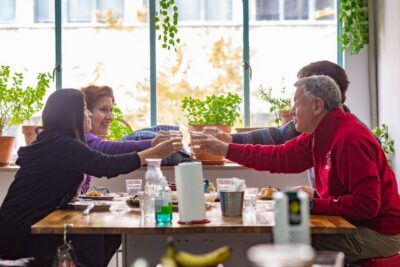
Food Market Visit and Cooking Class with Wine
What we made of it →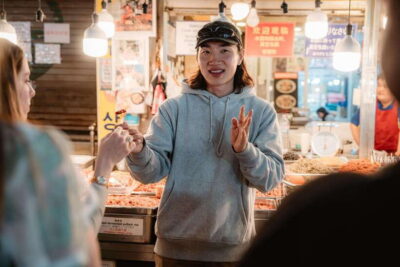
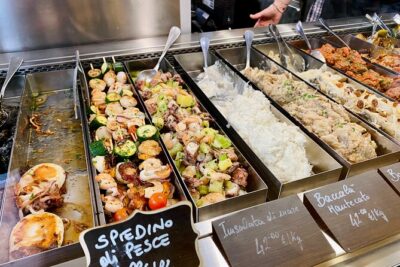
Venice Street Food Tour with Local Guide with Local Food Market Visit
What we made of it →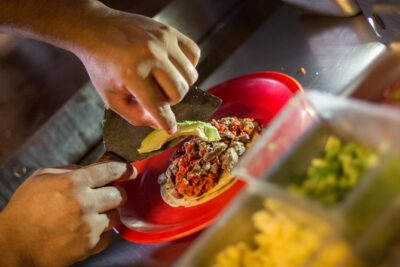
Cancun Taco Tour, Local Beer and Night Market with Transportation
What we made of it →
Tsukiji Fish Market Food and Culture Walking Tour
What we made of it →
Cancun Street Food Tour with Food Stalls, Local Market and Murals
What we made of it →Where this tour turns up