
Review · YOGYAKARTA
Street Food Tasting by Walking
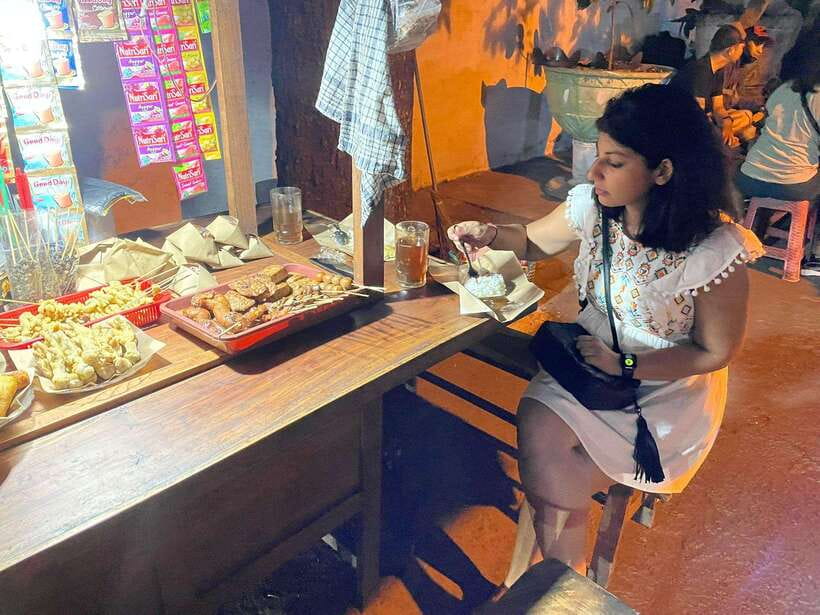
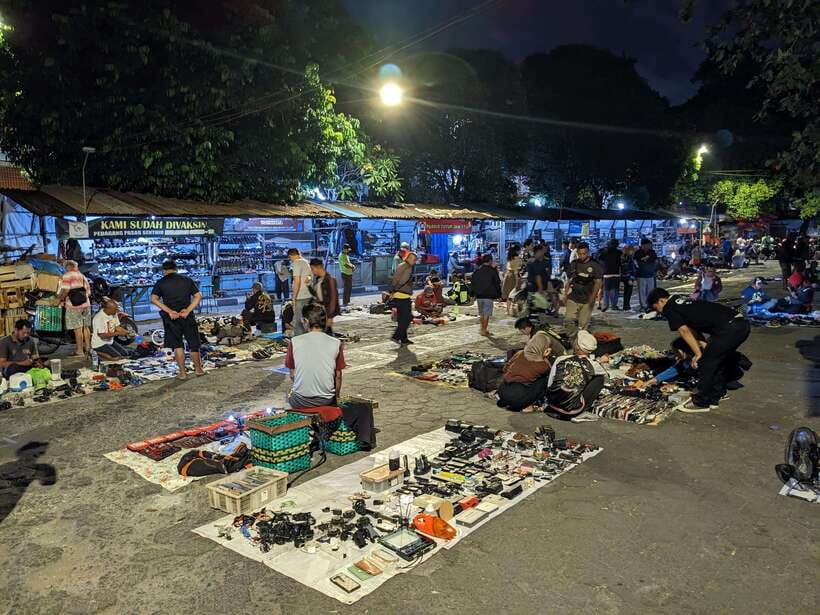
Taste Yogyakarta after dark. This small-group walk pairs local food with major sights, so you get more than a meal. I like the broad tasting list, from Gudeg and Javanese noodles to Kopi Joss, and I like the relaxed guidance from Ibnu, who can adjust the evening around your curiosity. The main consideration is the walking: this tour is not suitable for people with mobility impairments.
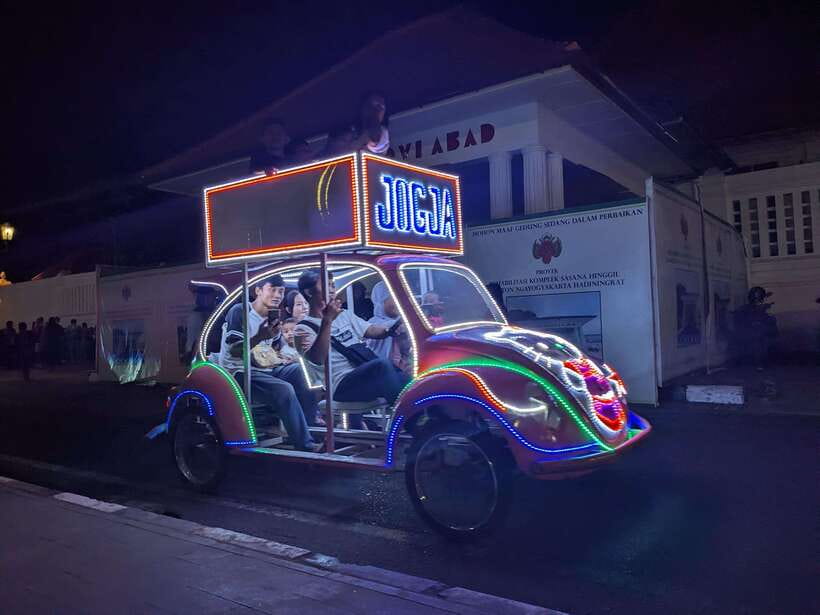
The Alun-alun Kidul finale adds real fun to the food stops. You ride an Odong-odong pedal car around the South Square and take part in a traditional ritual or challenge. The advertised visit lasts 2.5 hours, but the evening may run longer if the guide and guest agree to keep exploring.
Key points to know before booking
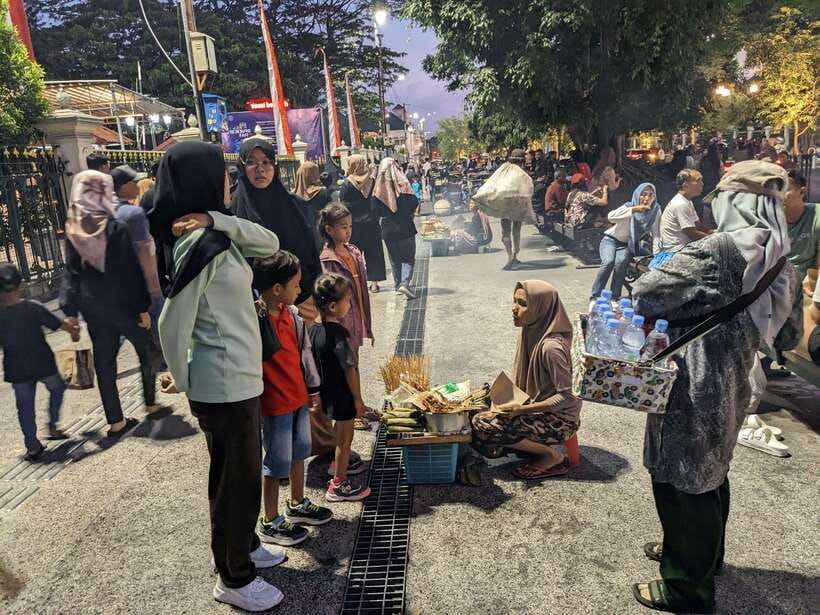
- Kopi Joss closes the evening: Try Yogyakarta’s famous charcoal coffee near the neon cars at Alun-alun Kidul.
- Ibnu offers a flexible style: He speaks good English and can explain dishes, landmarks, and local customs as questions come up.
- The menu covers both snacks and meals: Expect Gudeg, Sego Kucing, sate, bakpia, gorengan, lumpia, Jamu, Wedang Ronde, and more.
- The route links food with history: You pass Benteng Vredeburg, Gedung Agung, the Kraton, and both northern and southern squares.
- The group is capped at seven: That makes it easier to ask questions and keep the pace personal.
- Wear proper walking shoes: This is a walking tour with food stops, not a sit-down dinner with short transfers.
Why this Yogyakarta food walk works
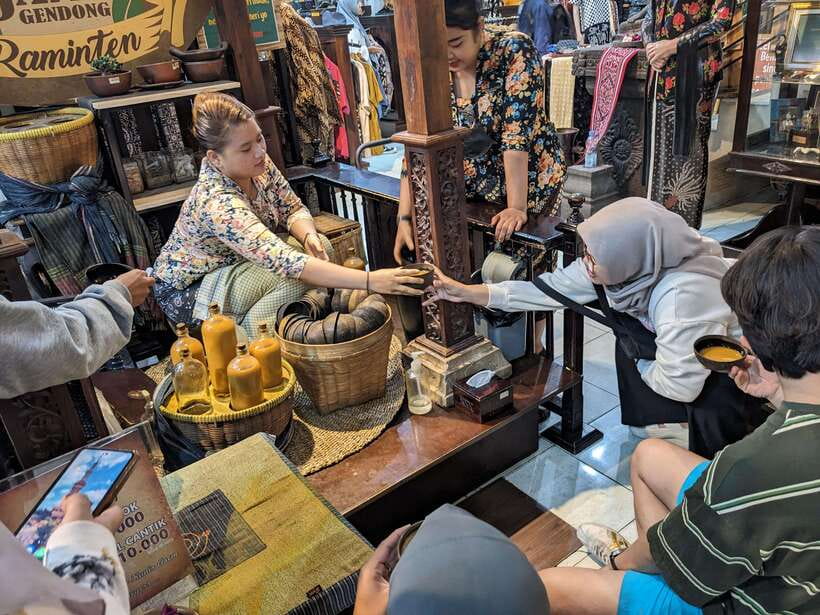
Yogyakarta is easier to understand when food, streets, and royal landmarks are treated as one experience. This tour does that in a compact evening. You meet in front of Mutiara Hotel Malioboro, then set off with a local English-speaking guide toward the city center and its traditional food stalls.
I like this format because you do not have to choose between sightseeing and eating. You can see important places such as Benteng Vredeburg, Gedung Agung, Alun-alun Utara, the Kraton, and Alun-alun Kidul while learning what to order along the way.
The food list is unusually wide for a 2.5-hour activity. You may try small snacks, sweet treats, drinks, noodles, rice dishes, grilled food, and Yogyakarta specialties. That variety makes the tour useful early in your stay, when you are still trying to work out what you like and where to find it.
The experience is limited to seven participants. That matters here. Street food tours work best when you can stop, ask questions, and watch what is being served without being pushed along by a large group.
More Street Food Tours in Indonesia:
- Jakarta: Private Guided Sightseeing & Street Food Night Tour
★ 4.8 · 99 reviews - Bali: Authentic Culinary Street Food Experience Tour
★ 4.7 · 99 reviews - Ubud Traditional Night Market Food Tour-All Inclusive
★ 4.4 · 95 reviews
Starting on Malioboro Street
Your meeting point is in front of Mutiara Hotel Malioboro. Hotel pickup is not included, so you need to make your own way there. The activity ends back at the same meeting point, which makes the arrangement fairly simple if you are staying near Malioboro Street.
Malioboro is a practical starting point because it puts you close to several central sights. It also gives the guide room to introduce the city through ordinary food rather than beginning with a formal lecture. Bring comfortable shoes and a camera. You will be walking, stopping, tasting, and moving on again.
The exact starting time depends on availability. Since the experience is built around an evening outing, check the departure time carefully before booking. Personal expenses are not included, so carry some money if you want to buy anything beyond the included tastings.
A broad introduction to Javanese flavors
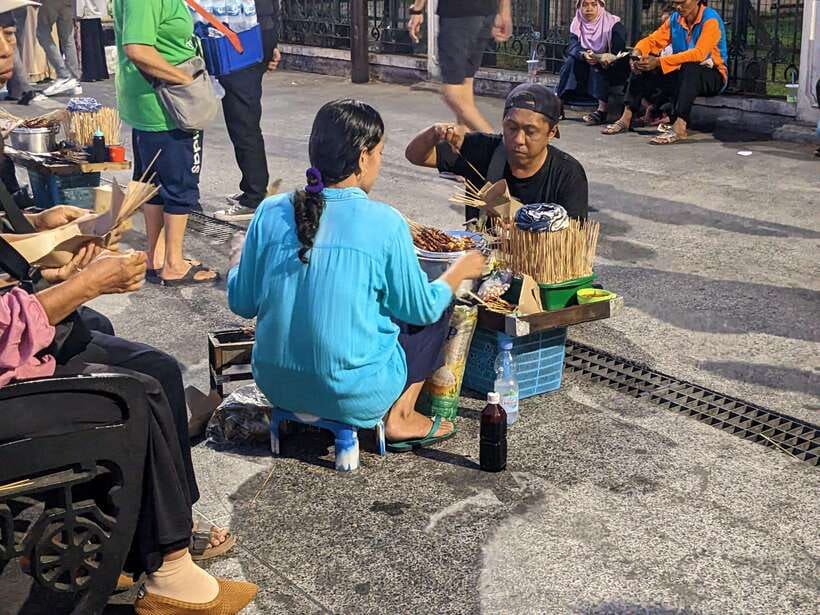
The strongest part of the tour is the range of tastes. You are not limited to one famous dish. Instead, the menu can include:
- Gudeg, a well-known Yogyakarta dish
- Sego Kucing, a small rice serving
- Javanese noodles
- Sate
- Gorengan, fried snacks
- Lumpia
- Bakpia
- Kopi Joss
- Wedang Ronde
- Jamu
This list gives you a useful first look at how Javanese eating moves between sweet, savory, hot, fried, grilled, and herbal flavors. Some items are likely to feel familiar, such as noodles or skewered sate. Others, including Jamu and Wedang Ronde, give you a better sense of local drink traditions.
The small portions implied by a multi-stop tasting format are helpful. You can try several things without committing to one large meal. That said, a tasting walk is not the same as a full restaurant dinner. If you arrive very hungry, keep that in mind.
A flexible guide can make a major difference here. Ibnu is specifically noted for speaking good English and taking time to answer questions. He can explain what you are eating, help you decide what to try, and adjust the pace rather than forcing every guest through a rigid list of stops.
What to expect from the food stops
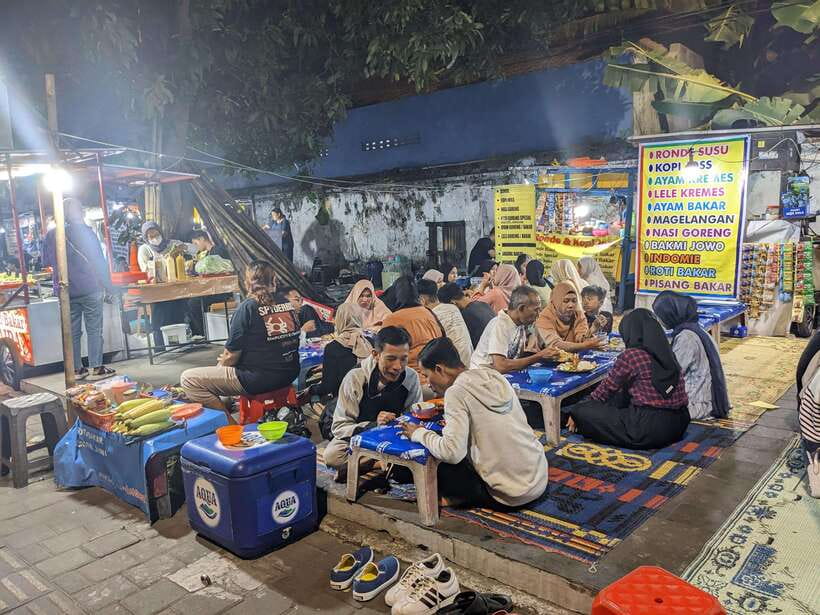
The tour combines food and conversation instead of treating each dish as a quick sample. You might pause over a drink, ask about an unfamiliar ingredient, or decide to spend more time with one type of food. The available information does not promise a fixed restaurant list, so the exact stops can vary.
That flexibility is a strength if you want a personal introduction to Yogyakarta. It is less ideal if you prefer a tightly timed schedule with every vendor confirmed in advance. The guide’s approach appears to favor questions and local suggestions over a fixed set of bites.
Kopi Joss is one of the most memorable stops. This coffee is associated with a piece of burning charcoal added to the drink, giving the tasting a bit of theater as well as a local specialty. The evening can end with Kopi Joss near the neon cars at Alun-alun Kidul, a fitting place for a final drink and a pause after walking.
You may also try Wedang Ronde, Jamu, and the food items listed above. Since the experience includes beverage tasting, it is not only about eating. You get several ways to notice local preferences, from sweet warm drinks to herbal flavors and coffee.
Alcohol and drugs are not allowed, and littering is prohibited. Those rules are basic, but they matter on a street food outing where you are moving through public spaces.
Same place, a different plate:
- Denpasar: Night Street Food Walking Tour
★ 4.5 · 60 reviews - Night Walking Tour-Malioboro street food with guide at Yogyakarta
★ 5.0 · 53 reviews - Bali Street Food Tour
★ 5.0 · 44 reviews - Yogyakarta: Night Walking and Street Food Tasting Tour
★ 4.9 · 31 reviews
Passing Benteng Vredeburg and Gedung Agung
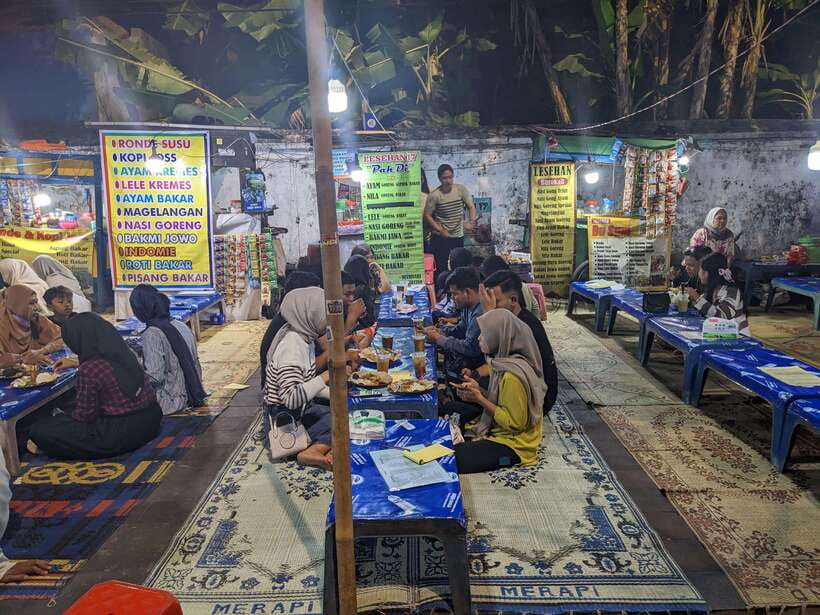
The route takes you past Benteng Vredeburg and Gedung Agung, two important central landmarks. The tour information does not promise an extended interior visit, so think of these as route highlights rather than long museum stops.
That is still valuable. A food walk gives you a sense of how the city’s major buildings sit within daily life. You are not seeing landmarks in isolation. You are moving between them while eating the food people associate with the city.
Benteng Vredeburg adds a historical point to the route, while Gedung Agung is part of Yogyakarta’s official and civic center. Your guide can provide context as you walk, and the small group makes it easier to ask for more detail if a particular building catches your attention.
Do not expect a full historical tour. The focus remains food, local streets, and the evening’s activities. If you want long guided visits inside each landmark, you would need a separate sightseeing tour.
From Alun-alun Utara to the Kraton
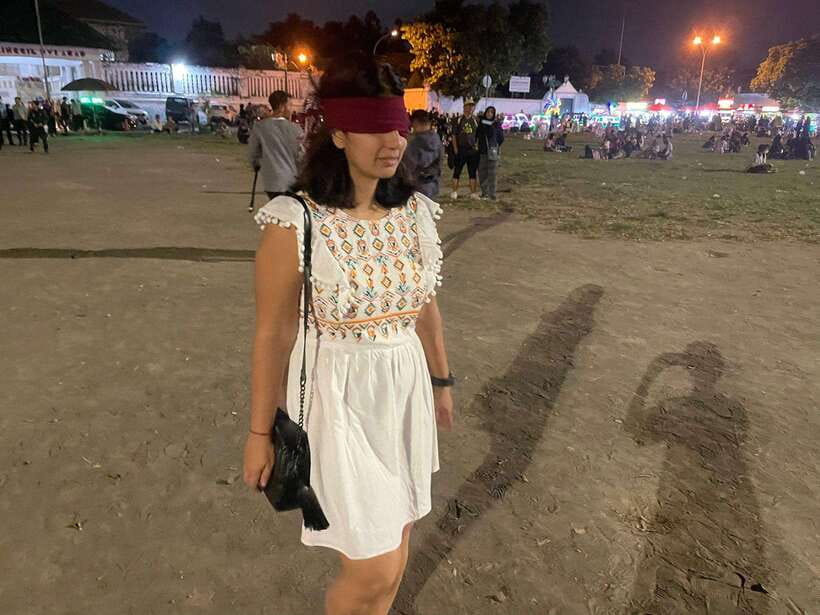
The walk continues through Alun-alun Utara, the northern square, and past the Kraton, Yogyakarta’s royal palace. These are central places in the city’s identity, and including them gives the food tour a stronger sense of place.
The Kraton is especially useful as a reference point. It helps connect the dishes and customs you are learning about with the wider Javanese setting. You are not just checking off a food list. You are seeing where the city’s royal and public spaces fit into the evening route.
The details provided do not include a palace admission or an extended interior tour. Plan on seeing the Kraton as part of the walk unless your guide tells you otherwise. That keeps expectations clear and prevents confusion about what is included in the $26 price.
The timing also deserves attention. The official duration is 2.5 hours, with starting times depending on availability. One evening with Ibnu reportedly continued well beyond the planned finish because the pace stayed flexible. That does not guarantee a longer tour, so treat any extra time as a bonus rather than part of the contract.
Alun-alun Kidul and the neon pedal car
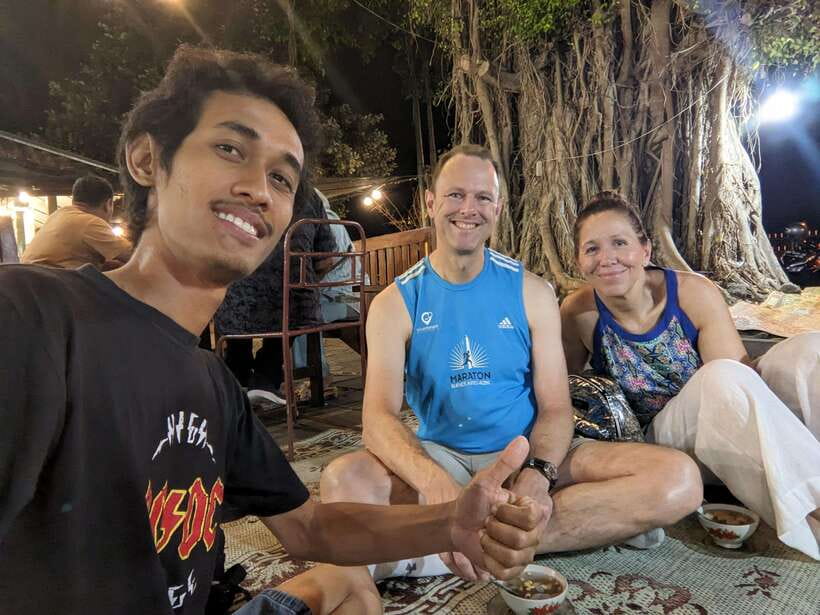
The best change of pace comes at Alun-alun Kidul, the South Square. Here, the tour shifts from walking and tasting to a short local activity. You ride an Odong-odong pedal car around the square, with bright neon lighting adding a playful touch to the evening.
This is not a polished theme-park ride. Its appeal is the simple, slightly quirky atmosphere of joining a local square activity after a food walk. The experience feels social and light, especially if your group is small.
You also take part in a traditional ritual or challenge. The information does not specify exactly which challenge will be offered, so your guide will explain the activity on the night. That uncertainty is worth accepting if you enjoy participating in local customs rather than only observing them.
The square provides a memorable finish because it changes the rhythm of the tour. After several food stops and central landmarks, you get a fun activity and time to enjoy the public space. The final Kopi Joss near the neon cars can become the evening’s last stop.
The guide makes the difference
A food tour is only as good as the person explaining the food. This experience benefits from a guide who can do more than point out dishes. Ibnu is described as flexible, able to speak good English, and willing to answer questions about the city and its food.
That matters when the menu includes items you may not recognize. You can ask what something is, how it is usually eaten, or which taste to try next. You are also not locked into a tight schedule with a set order of bites, at least according to the way the tour can operate.
The small group limit of seven supports that style. You are more likely to get direct answers, and the guide can notice if you want more explanation or a slower pace. Solo visitors may find the format especially comfortable. One evening operated with only one participant and still continued as a full, personal outing.
Still, flexibility has a tradeoff. The tour may not feel identical from one departure to another. If you need a firm timetable, fixed vendors, or guaranteed quantities of every listed food, ask for clarification before booking.
Is $26 a fair price?
At $26 per person, the tour offers more than food samples alone. The price includes local street food tasting, beverage tasting, visits to major Yogyakarta places, the Odong-odong activity, and the traditional ritual or challenge at Alun-alun Kidul.
I see the best value in the combination. A meal by itself might cost less, but this price also pays for an English-speaking guide, route planning, explanations, and a small-group experience. You are buying a guided introduction to Yogyakarta, not only a plate of food.
The value is strongest if you are new to the city or unsure where to begin. After the tour, you should have a clearer idea of which dishes interest you and which areas you might revisit on your own. It can help you get your bearings early in a stay.
The value is weaker if you already know Yogyakarta’s food scene and are comfortable ordering everything independently. In that case, the included landmarks and guide may still appeal, but the food guidance is less essential.
Free cancellation is available up to 24 hours in advance for a full refund, and you can reserve now and pay later. Those terms help if your schedule is still moving, but the meeting point, starting time, and food availability still need your attention.
Who should book this experience?
I would choose this tour if you want a compact introduction to Yogyakarta with plenty of variety. It suits solo visitors, couples, and small groups who like asking questions and trying foods they might otherwise pass by.
It is also a good choice for anyone who wants more than a standard landmark walk. The Kraton, squares, and historic buildings give the evening structure, while the food and pedal car keep it from feeling like a formal sightseeing circuit.
You should think twice if walking is difficult. The experience is not suitable for people with mobility impairments, and comfortable shoes are specifically recommended. The route includes multiple food stops and landmark areas, so this is not a short transfer-based outing.
You should also avoid booking if you want a quiet, formal dinner. The food is served as part of a walking experience, with tastings and movement rather than one long meal at a table.
Should you book this Yogyakarta food tour?
Book it if you want to learn the city through its food, central sights, and evening customs. The combination of Gudeg, Jamu, Kopi Joss, the Kraton area, and the neon pedal car gives you a useful first taste of Yogyakarta in one outing.
I would book it near the beginning of a stay, when a guide can help you recognize dishes and point you toward places you may want to return to. The flexible style, personal attention from Ibnu, and seven-person limit are the biggest reasons to choose it.
Skip it if you need a fixed itinerary, a guaranteed restaurant list, or an accessible route. For everyone else, $26 is a reasonable price for a friendly food introduction with a memorable South Square finish.
FAQ
Where does the tour start?
Meet your guide in front of Mutiara Hotel Malioboro on Malioboro Street.
Where does the tour end?
The activity ends back at the meeting point in front of Mutiara Hotel Malioboro.
How long does the tour last?
The advertised duration is 2.5 hours. Starting times depend on availability.
What language does the guide speak?
The live tour guide speaks English.
How many people can join the tour?
The experience is offered as a small group with a maximum of seven participants.
What foods and drinks may be included?
The tasting can include Kopi Joss, Wedang Ronde, Jamu, Javanese noodles, Gudeg, Sego Kucing, sate, bakpia, gorengan, and lumpia.
Is hotel pickup included?
No. Hotel pickup and drop-off are not included.
What should I bring?
Wear comfortable walking shoes and bring a camera. Personal expenses are not included.
Just added around Indonesia
- Ubud: Night Market Feast with Balinese Culinary Odyssey★ 4.7 · 5 reviews
- Ubud: Gianyar Night Market Food Tour with up to 17+ Tastings★ 4.7 · 13 reviews
- Yogyakarta Night Street Food Hunting★ 5.0 · 3 reviews
- Denpasar Night Market Food Tour★ 5.0 · 4 reviews
- Taste & Explore Bali: Denpasar Street Food & Historic Sites★ 4.5 · 27 reviews
- Balinese Street Food Tour By Motorbike All You Can Eat and Drink!★ 5.0 · 5 reviews
- Bali Street Food Tour: Savor Authentic Flavors & Night Market★ 5.0 · 2 reviews
- Bali Street Food Tour★ 5.0 · 44 reviews
Street Food Tours, compared.

Old Town, Creek, Museums, Souks, & Street Food Tour
What we made of it →
Ho Chi Minh City Street Food Tour & Sightseeing By Motorbike
What we made of it →
Comuna 13 Graffiti Tour, Cable Car & Street Food
What we made of it →
Old Town, Souks, Street Food, Guided Tour & Abra Ride
What we made of it →
Small Group Hanoi Street Food Tour with a Real Foodie
What we made of it →
Saigon By Night and Street Food By Motorbike | Opt: Ao Dai Riders
What we made of it →Where this tour turns up