Review · SINGAPORE
UNESCO Hawker Culture: Chinatown Food Tasting Tour
Come hungry, leave better informed. This three-hour Chinatown walk links Singapore’s food stalls with the people, faiths, and working neighborhoods that shaped them. I like the mix of nine to ten food and drink tastings with real street history, especially the stop for bak kwa, the local coffee shop, and the famous chicken rice at Maxwell Food Centre. I also like that guides such as Ronnie, Jeanette, Kelvin, and Kent add personal detail rather than simply pointing at buildings.
The main drawback is the pace. You cover several sites on foot, and hawker centers cannot be booked in advance. Your guide may need time to find seats and order food, so this is not a tightly timed meal. Dietary requests may also be difficult on a shared tour, and the route is not wheelchair-accessible.
Key points at a glance
- Nine to ten tastings: Expect a generous run of local food and drinks, including bak kwa, coffee, sweets, chicken rice, and Fuzhou oyster pancakes.
- Chinatown beyond the postcard: The route includes Pagoda Street, Sago Lane, Ann Siang Hill, traditional coffee shops, and painted alley murals.
- Food with a story: Guides explain how immigrant communities, temples, trades, and hawker stalls shaped modern Singapore.
- Maxwell Food Centre at the heart of the tour: This is where you sample well-known local dishes without having to decode every stall alone.
- Small-group or private choices: The format suits first-time visitors, solo travelers, and anyone who wants help ordering unfamiliar food.
- A useful first-day activity: The guide can help you understand Singapore’s neighborhoods and recommend what to eat later in your trip.
Why this Chinatown walk works so well
A food tour can easily become a parade of snacks with no sense of place. This one has a better shape. You begin with the Chinese immigrant story, walk through streets where old trades and newer businesses sit side by side, then eat your way through two major hawker centers.
I like that the food is not treated as a separate attraction. Bak kwa connects to Chinese New Year traditions. Coffee shops point to everyday working life. Chicken rice and oyster pancakes show how Singapore’s food culture grew from many communities, not from one single national recipe.
The guides are a major part of the value. Ronnie is praised for his humor, passion, and ability to explain a dish without making the talk feel like a lecture. Jeanette is described as upbeat and attentive, while Kent and Kelvin receive similar praise for their care and clear explanations. One solo participant even received help finding the correct MRT station afterward.
That personal attention matters in Chinatown. Many stalls have unfamiliar names, crowded counters, and fast-moving queues. Having someone choose a sensible spread, explain each dish, and watch the timing takes away much of the guesswork.
More Night Market Food Tours in Singapore
- Small Group: Michelin and Local Hawker Food Tour with 9 tastings
★ 5.0 · 1,890 reviews - Small-Group Food Tour With Hawker Center: Eat Like A Local
★ 5.0 · 420 reviews - Singapore: Local Hawker Food Tour with Tastings
★ 4.7 · 181 reviews
Starting at Pagoda Street and the Chinatown Heritage Centre
The usual meeting point is Chinatown MRT Exit A, though your exact meeting place depends on the option you book. From there, the tour moves toward Pagoda Street and the Chinatown Heritage Centre, with about 35 minutes for a guided visit, photographs, walking, and food tasting.
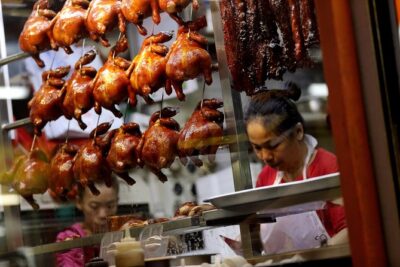
The first taste is bak kwa, a sweet-savory grilled meat snack strongly linked with Singapore’s Chinese food traditions. It is a smart opening bite: portable, distinctive, and easy to enjoy while you hear about the migrants who built lives and businesses in this part of town.
The Chinatown Heritage Centre gives the early history a physical setting. Rather than hearing only dates and names, you get a sense of the cramped lodging, hard work, family separation, and small businesses associated with earlier Chinese communities. The point is not simply to admire old facades. It is to understand why the streets look and function as they do.
You should expect this part to be more than a quick photo stop. The guide fills in the social background, which makes later sights easier to read. If you have limited time in Singapore, this opening gives you useful context before the food takes over.
Murals, coffee shops, and Chinatown’s smaller lanes
The next section keeps you on foot through Chinatown’s lanes, with time for murals by local artist Yip Yew Chong and visits near traditional coffee shops. These painted scenes are especially useful for photographs, but they also give the guide a way to talk about ordinary life, work, family, and neighborhood memory.
I like this part because it moves away from the main tourist strip. The side lanes and older shopfronts show a quieter side of Chinatown, even though the area can be crowded at peak times. You may notice details you would otherwise walk past, such as the role of coffee shops as social spaces and the way newer businesses occupy old buildings.
This is also where the tour’s walking format earns its keep. You are not looking at Chinatown through a coach window. You move between food, architecture, art, and religious sites at street level. Wear shoes that can handle three hours of walking, and bring an umbrella or rain poncho. Singapore’s weather can change quickly.
Ann Siang Hill and the Crazy Rich Asians photo stops
Ann Siang Hill brings a change of mood. Its historic streets and restored buildings are among the most photogenic parts of the route, and the guide points out locations recognizable from Crazy Rich Asians.
The movie connection may attract some visitors, but the value is broader than a film photograph. Ann Siang Hill helps you see how old Chinatown streets have been reused. The area’s visual appeal comes from the meeting of historic architecture, narrow lanes, and contemporary shops and restaurants.
You get around 35 minutes here for walking, sightseeing, and photographs. That is enough for an introduction, though not a slow exploration of every lane. If you enjoy taking pictures, you may want to keep your camera ready and avoid using this time for a large meal. The main food stop is still ahead.
More Chinatown Food Tours in Singapore:
- Singapore: Chinatown Hawker Food Tasting Tour
★ 5.0 · 96 reviews - Michelin Premium Food Tour with Hawker Centre & Chinatown Tour
★ 4.5 · 50 reviews - UNESCO Hawker Culture: Chinatown Food Tasting Tour
★ 5.0 · 47 reviews - Singapore: Chinatown Hawker Guided 8-Dish Tasting Tour
★ 4.9 · 41 reviews
Eating through Maxwell Food Centre
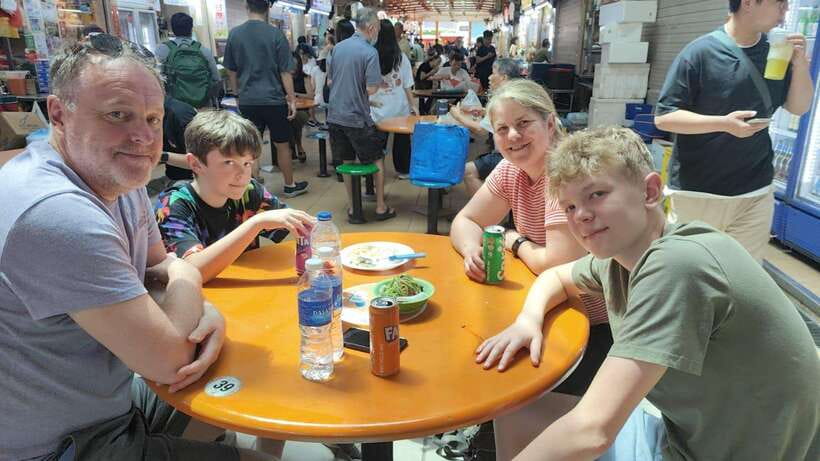
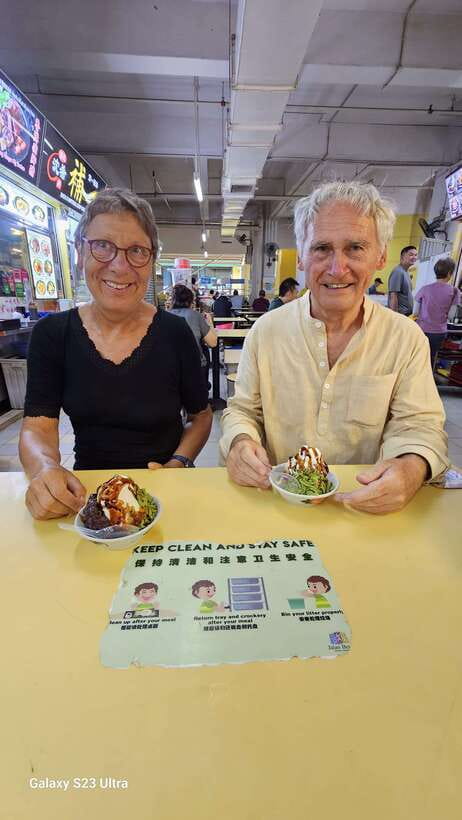
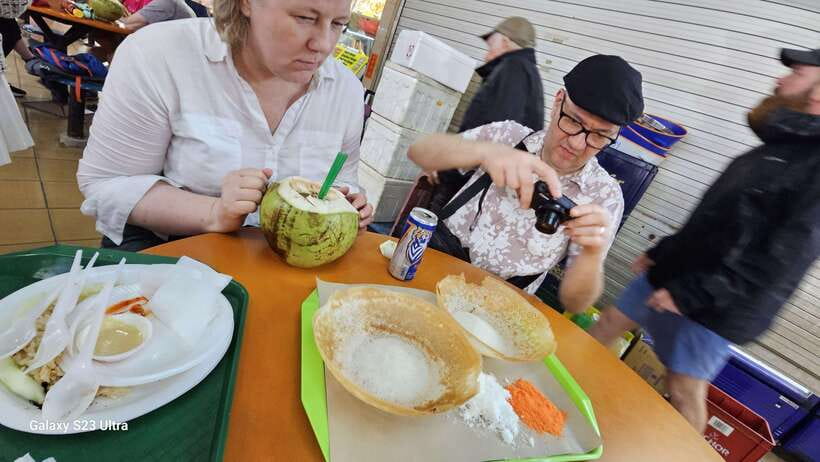
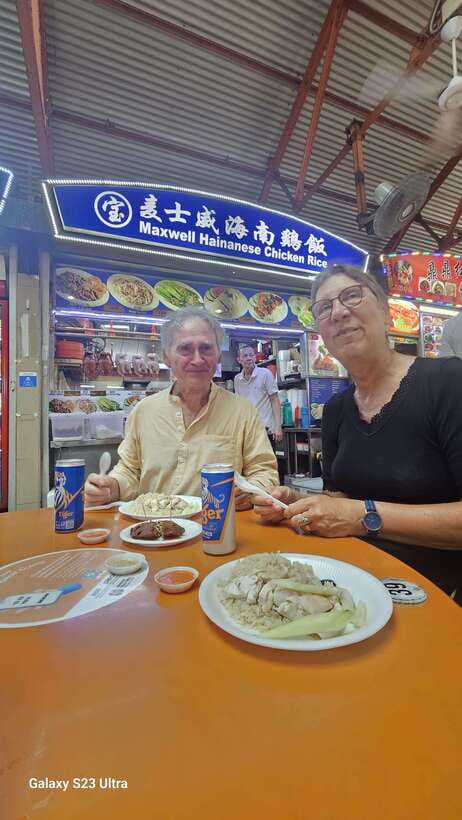
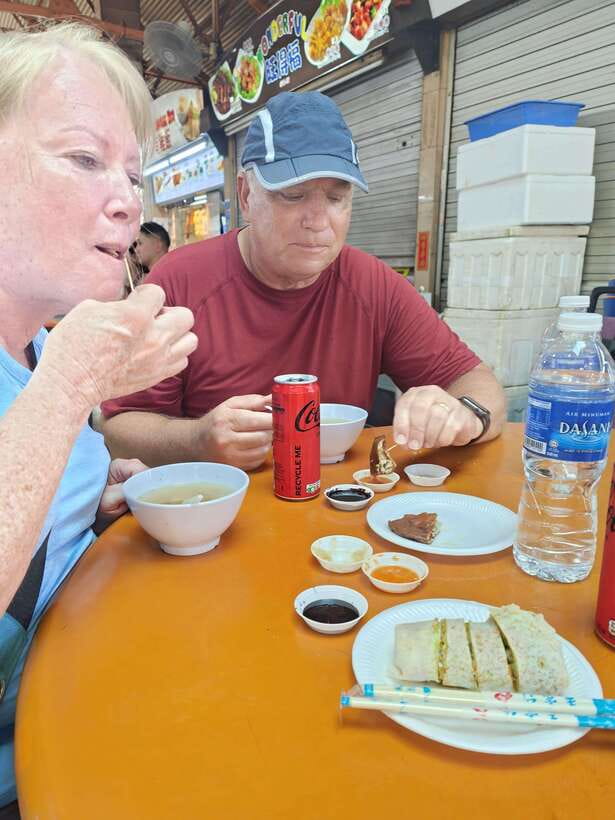
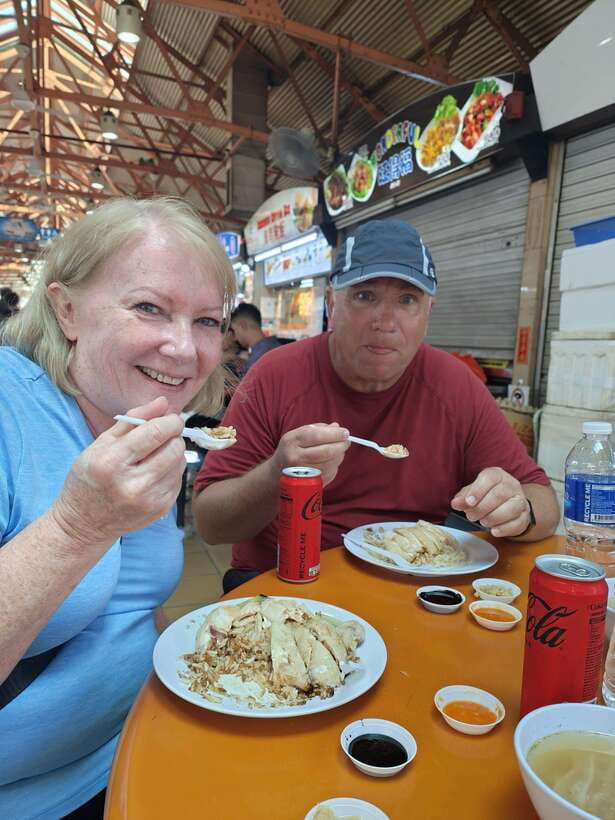
Maxwell Food Centre is the tour’s main eating session, with about 35 minutes for a visit, snacks, and tastings. This is where your guide’s local judgment becomes especially useful. Instead of wandering from stall to stall, you receive a selection of handpicked food and drinks from well-known or Michelin Bib-recognized hawker stalls.
The exact lineup can vary, but the experience includes local favorites such as Hainanese chicken rice and Fuzhou oyster pancakes. You may also have additional sweets, coffee, or other small portions. The chicken rice receives particular praise, including the playful reminder that the rice and sauce can be the star of the plate.
Do not eat lunch before this tour. Nine or ten tastings can add up quickly, even when they are served as small portions. One of the strongest practical benefits is that you can try several dishes without committing to a full serving of everything.
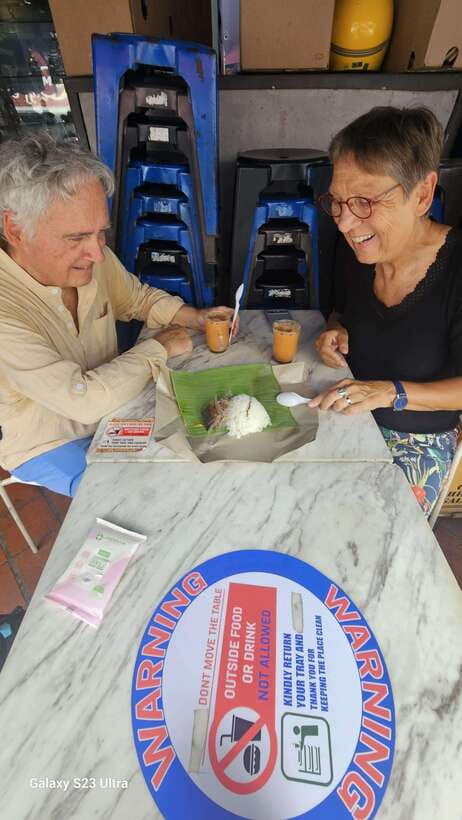
There is one important tradeoff. Maxwell Food Centre is a working hawker center, not a reserved restaurant. Tables cannot be booked, food cannot be pre-ordered, and your guide may need to wait for seats or queue at several stalls. That can slow the group, especially during busy meal periods.
I would treat the waiting as part of the setting rather than a flaw, but you should allow patience in your schedule. This is not the right tour if you need to reach a train, airport transfer, or show immediately afterward.
Buddha Tooth Relic Temple and its cultural setting
The route then reaches Buddha Tooth Relic Temple and Museum, with about 20 minutes for guided sightseeing and walking. The visit adds a religious and cultural layer to a tour that could otherwise focus too heavily on food.
Your guide explains the importance of the temple and helps you notice details that may not be clear during an independent visit. It is a place to slow down, observe respectfully, and understand how religious buildings remain part of daily Chinatown life.
The time here is short, so think of it as an introduction rather than a full museum visit. If you want to study every display or spend quiet time inside, you may need to return on your own. Dress and behave respectfully at religious sites, and follow any instructions given during the visit.
Sago Lane, once called the street of the dead
Sago Lane gives the walking tour some of its most unusual historical context. Once known as the street of the dead, it is tied to older funeral and death-related businesses in Chinatown.
This stop helps explain how neighborhoods were shaped by practical needs as well as commerce and religion. It is also a reminder that the old Chinatown was not designed as a visitor attraction. It was a place where people lived, worked, worshipped, ate, and dealt with difficult parts of life.
The subject may feel more serious than the food stops, but that contrast improves the tour. You get a fuller picture of the district instead of a cleaned-up version made only for photographs.
Chinatown Complex and the final food atmosphere
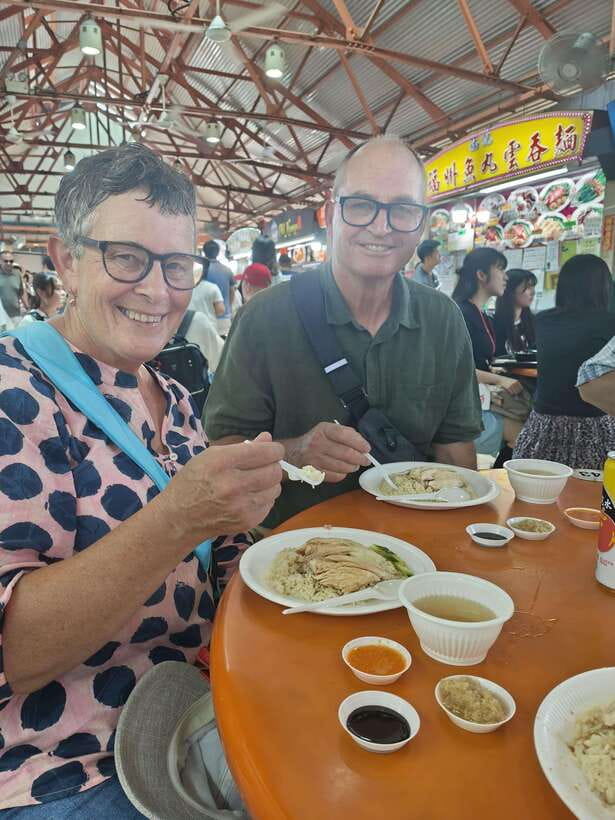
The tour finishes around Chinatown Complex, where you see another side of the area’s architecture and hawker culture. The final 20-minute section is focused on guided sightseeing, walking, and passing through the food scene.
Chinatown Complex is useful as a closing stop because it leaves you with a sense of how large and varied Singapore’s hawker system is. Maxwell Food Centre introduces you to selected dishes. Chinatown Complex shows the scale and everyday energy of the wider food culture.
The tour ends at Chinatown Complex, which is practical if you want to keep eating, shop nearby, or return to the MRT. Your guide may also offer food suggestions for later. Ronnie, for example, has recommended a dinner restaurant serving chili crab, a helpful bonus if you are still planning your meals.
What the $69 price really buys you
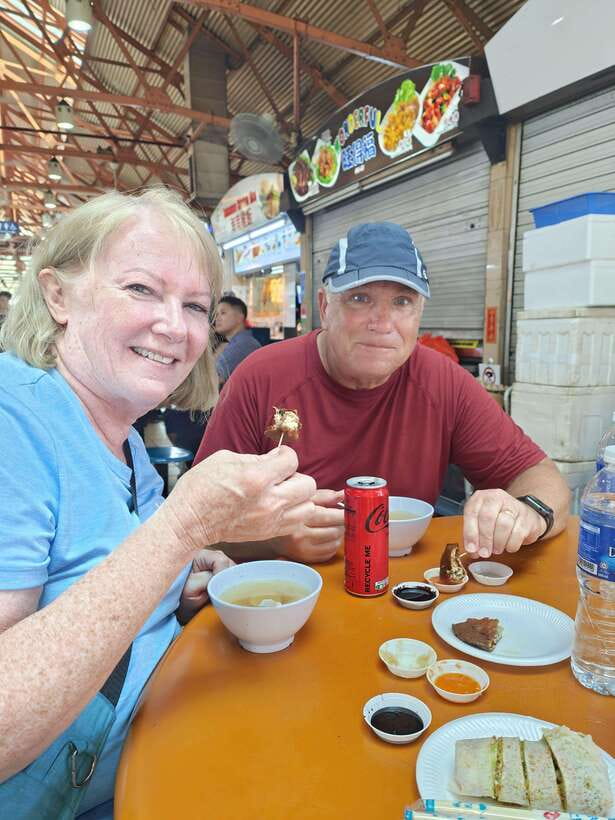
At $69 per person, this is not the cheapest way to purchase individual hawker dishes. If all you want is chicken rice and coffee, you can spend far less on your own.
The value comes from the combination. You receive a licensed guide, a bottle of mineral water, three hours of guidance, and nine to ten selected food and drink tastings. You also get the explanation behind the dishes, help navigating unfamiliar stalls, and a route that links Chinatown’s food with its architecture and immigrant communities.
For a first visit, that package is reasonable. You are paying to reduce uncertainty and make better choices in a busy area. The price is easier to justify if you would otherwise skip foods because you do not know what to order, or if you want historical context along with lunch.
Private and small-group options are available. A private tour is the better choice if you have allergies, strong dietary needs, or want the guide to adjust the pace. Shared groups may offer less flexibility, and special diets may not be accommodated unless you book privately and contact the operator first.
Who will enjoy this most
I would recommend this tour to first-time visitors who want a practical introduction to Singapore’s food culture. It also suits short stopovers, since three hours covers several important Chinatown sights without requiring a full day.
Solo visitors can benefit from the guidance and social structure. Couples and families will appreciate having food chosen and explained for them. The tour is also a good fit if you enjoy walking, photography, local history, and trying several small portions instead of sitting down for one long meal.
You may want to skip it if you prefer a quiet, reserved restaurant experience, dislike waiting at food stalls, or already know Chinatown well. It is also a poor match for anyone who cannot manage a three-hour walking route or needs wheelchair access.
Children aged two and under can join free. The child ticket policy limits the number of child tickets in relation to adult tickets, so check the booking rules carefully if you are traveling with a larger family.
Practical advice before you book
- Start hungry. The food adds up, and the best way to enjoy the range is to keep breakfast light.
- Wear comfortable shoes. The route includes several walking sections and uneven city pavements may require care.
- Carry rain protection. An umbrella or poncho is recommended.
- Give yourself extra time afterward. Hawker queues and table searches can delay the finish.
- Share dietary information before booking. Private tours offer the best chance of adjustments.
- Confirm your meeting point. The start can vary by booking option, although Chinatown MRT Exit A is one stated starting place.
- Choose your language carefully. Guides are available in English, Chinese, and Japanese.
- Keep the guide’s restaurant suggestions in mind. You may leave full, but dinner planning is still useful if you are staying in Singapore.
Should you book the Chinatown food tour?
Book it if you want more than a list of dishes. The strongest part of this experience is the way the guide connects bak kwa, coffee, chicken rice, temples, murals, and old streets into one readable story about Singapore.
The tour is especially good value for a first visit or short stopover. Go hungry, expect some waiting, and choose a private option if dietary needs matter. If you accept the walking and the informal hawker-center setting, this is a friendly, food-filled way to get your bearings in Chinatown.
FAQ
How long does the Chinatown food tour last?
The tour lasts three hours, including walking, sightseeing, guided explanations, and food tastings.
Where does the tour start?
There are two possible starting location options, and the meeting point may vary depending on the option booked. Chinatown MRT Exit A is one stated meeting point.
Where does the tour finish?
The drop-off location is Chinatown Complex, also referred to as Chinatown complex.
What food and drinks are included?
The experience includes nine to ten handpicked food and drink tastings from famous or Michelin Bib hawker stalls. Examples include bak kwa, Hainanese chicken rice, Fuzhou oyster pancakes, coffee, and sweets.
Can the hawker-center food be pre-ordered?
No. Tables cannot be booked and food cannot be pre-ordered. You may need to wait while the guide finds seats and orders the food.
Is the tour suitable for people with dietary restrictions?
Special dietary needs may not be catered to on a shared tour. Contact the operator before booking, and consider a private tour if you need the best chance of adjustments.
Is the tour wheelchair-accessible?
No. The activity is not wheelchair-accessible.
Which languages are available?
Live guides are available in English, Chinese, and Japanese.
Can I cancel the booking?
You can cancel up to 24 hours in advance for a full refund. A reserve-now, pay-later option is also available.
Just added around Singapore
- UNESCO Hawker Culture: Chinatown Food Tasting Tour★ 5.0 · 47 reviews
- Singapore Street Food Join-In Tour★ 5.0 · 2 reviews
- Singapore Street Food and Ethnic Quarters Kick Scooter Tour★ 5.0 · 8 reviews
- Signature Urban Night Tour: Sunset Street Food in Singapore★ 5.0 · 4 reviews
- Singapore: Little India Hawker Food Tasting Tour★ 5.0 · 21 reviews
- Singapore Nightlife: Street Food, Night Views and Drinks★ 5.0 · 19 reviews
- Singapore Chinatown Local Hawker Food Tour★ 5.0 · 2 reviews
- Best Ever Street Foods with Local Foodie – PRIVATE TOUR★ 5.0 · 4 reviews
Chinatown Food Tours, compared.
Bangkok Tuk-Tuk Tour by Night with Chinatown Street Food Meal
What we made of it →
Bangkok Tuk-Tuk by Night with Chinatown Street Food Meal
What we made of it →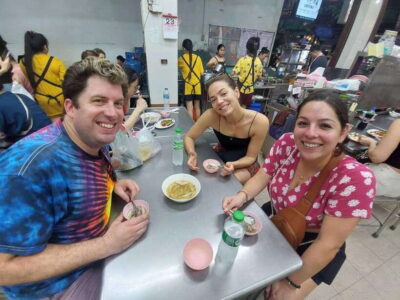
Chinatown Food Tour with Michelin Food Stalls
What we made of it →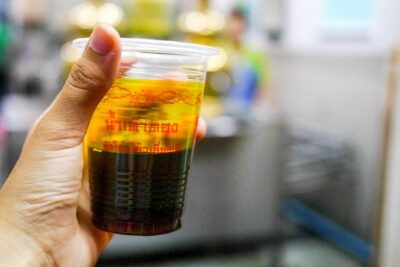
Night Street Food Tour of Bangkok’s Chinatown
What we made of it →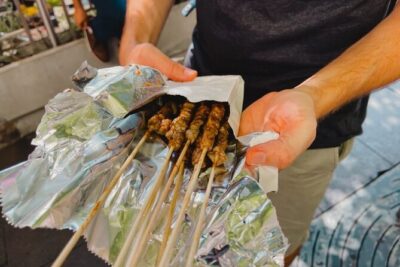
Sydney’s Chinatown Street Food and Stories Walking Tour
What we made of it →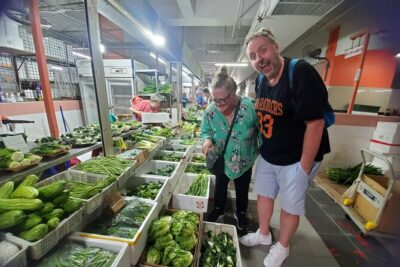
Bangkok Hidden Gems: Talad Noi, Chinatown & Street Food Tour
What we made of it →