
Review · DUBAI
Private Dubai Old Town Tour,street food,Boat & Museums
Dubai began beside the creek. This private three-hour tour makes the city’s early days easy to understand, with Al Fahidi’s historic lanes and a traditional abra ride at its center. I like the personal scale of a private group, and I like the mix of museums, markets, food, and local stories rather than a simple photo tour.
The strongest moments should be the creek crossing and the food stops. You may try shawarma, camel milk ice cream, dates, Dubai chocolate with pistachio, and other local tastes, depending on the guide’s route that day. The main consideration is the pace: three hours covers a lot, and the walking, uneven old streets, and market crowds may be tiring for some people.
Key points at a glance
- Private group for up to five: You receive a more personal outing than a large coach tour, with room for questions and a flexible feel.
- Al Bastakiya gets the most time: About one hour is set aside for Dubai’s historic quarter, including old houses, museums, and cultural explanations.
- The abra ride connects two sides of Old Dubai: This short traditional boat trip gives you a useful view of Dubai Creek and leads toward the spice and gold markets.
- Street food is part of the tour: Expect local tasting stops that may include savory food, dates, sweets, camel milk ice cream, and other regional flavors.
- Guides can add real cultural context: Mahmoud received especially strong praise for his warmth and language skills, while Hichem was noted for giving clear explanations in Italian.
- The route ends at the Gold Souk: You finish among Dubai’s famous jewelry shops, after passing through Al Ras and the Spice Souk.
Why Old Dubai deserves your first afternoon
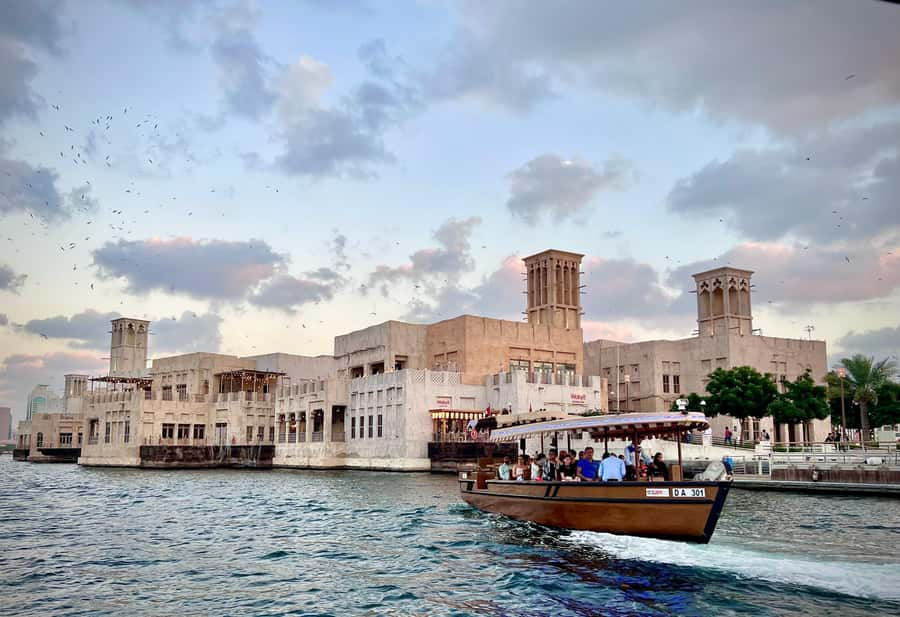
Dubai’s glass towers can make the city seem brand-new, but this tour shifts your attention to the creek, trading streets, courtyards, and older neighborhoods that came before the modern skyline. You begin at Wokyo Noodle Bar in Al Seef, a practical meeting point near the old creek district.
The opening section includes time for sightseeing, shopping, and a guided introduction. That matters because Al Seef can feel polished and busy, while the nearby historic quarter has a quieter, more traditional character. Your guide helps connect the two, showing how Dubai presents its past beside its present-day restaurants and shops.
I would choose this tour early in a Dubai visit. The guide can give you cultural context before you spend time in the souks, and you will have a better sense of what you are seeing later in the trip. It also works well after a flight, since the route is compact and the guide can provide water.
The advertised duration is three hours. One account describes roughly two pleasant hours, so I would keep some flexibility in your plans and not book a tight airport transfer or restaurant reservation immediately afterward.
More Old Quarter and Medina Food Walks in Dubai:
- Dubai: Old Town, Creek, Museums, Souks, & Street Food Tour
★ 4.8 · 10,816 reviews - Dubai: Old Town, Souks, Street Food, Guided Tour & Abra Ride
★ 4.9 · 7,170 reviews - Dubai: Old Town, Souks, Street Food, Guided Tour & Abra Ride
★ 5.0 · 1,664 reviews
Al Bastakiya gives the tour its character
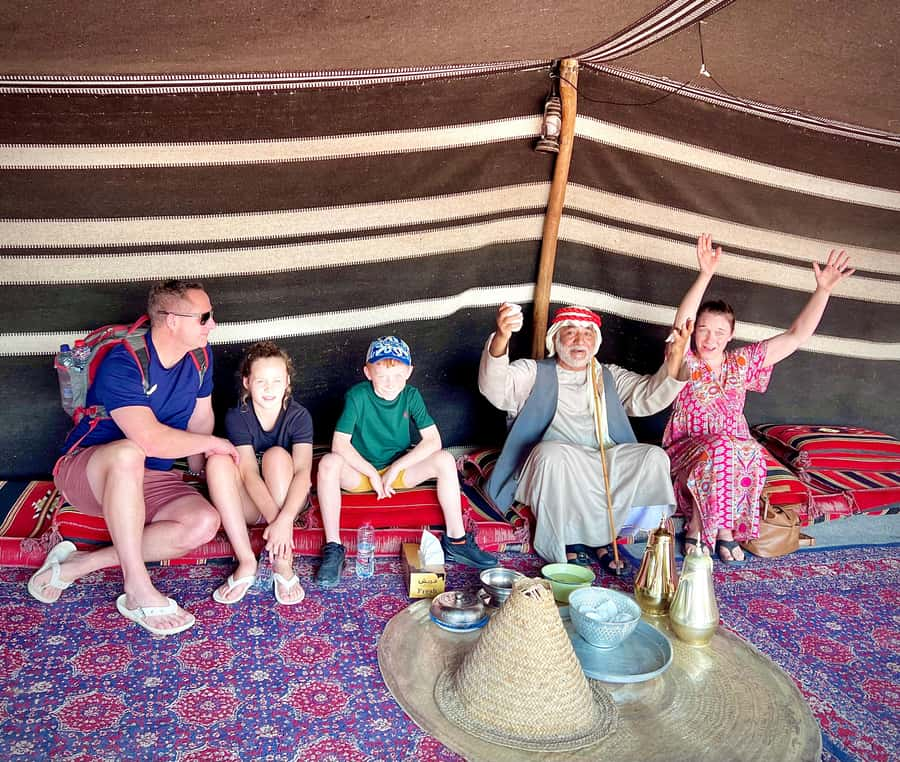
About an hour is devoted to Al Bastakiya, also known as the Al Fahidi Historical District. This is the heart of the outing, and it gives your guide time to explain Dubai’s earlier way of life rather than rushing you from one landmark to the next.
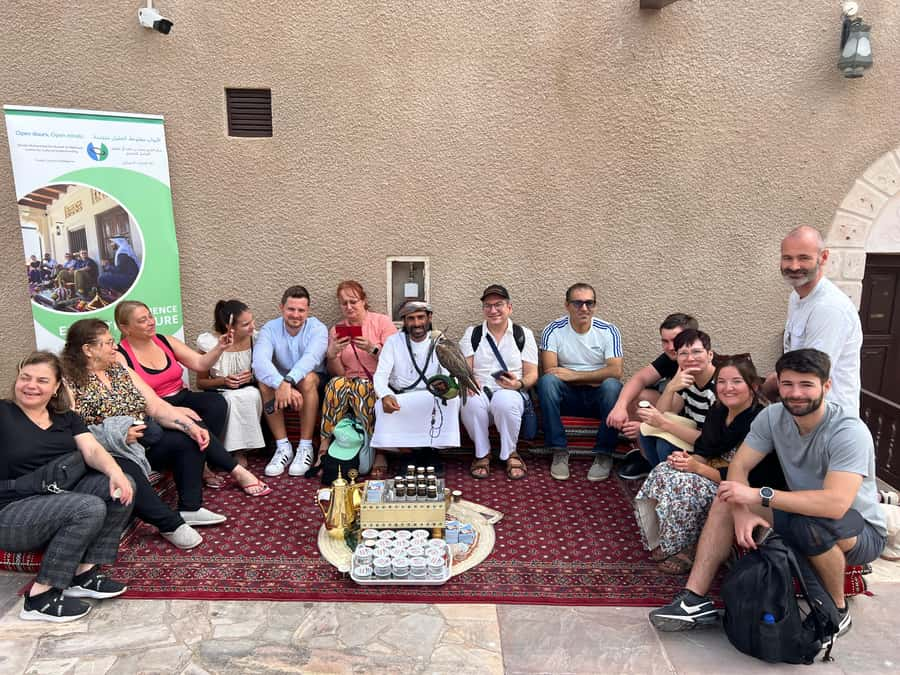
You can expect a walking tour through old lanes, traditional house recreations, and historic sites. A coins museum is included in the route described by one guest, and the tour may also include a look at an automated police station and a stop where tea or coffee is offered. The exact order can vary, but the point is clear: this is not only an outdoor walk.
The architecture is useful here because it gives you something concrete to look at while learning about local customs, trade, family life, and the city’s growth. Ask questions as you go. With a private guide, you are not limited to a fixed lecture intended for twenty or thirty people.
Mahmoud was praised for explaining local culture, values, traditions, UAE history, and Islamic culture with enthusiasm. He also speaks Italian very well. Hichem was likewise praised for clear Italian explanations and for sharing local customs and small details that may not appear in standard guidebooks.
Those guide skills matter more than polished scenery. Old Dubai is best understood through stories about how people used the buildings and streets. If your guide is Mahmoud or Hichem, you may find the cultural explanation especially strong, though guide assignment is not guaranteed.
Al Fahidi Fort and the museum stop
The route gives about ten minutes to Al Fahidi Fort. That is a short visit, so treat it as an important landmark and orientation point rather than a full museum session.
The fort represents Dubai’s earlier defensive and civic life. Your guide can put it into the wider story of the emirate, linking the fort to the neighboring lanes, markets, and creek trade. The stop also offers a useful break from walking before the route moves toward Al Souq Al Kabeer.
Because the visit is brief, I would not book this tour solely for an in-depth fort museum experience. Its value comes from the way it fits into the larger Old Dubai route. You see the fort, hear the explanation, and continue through the district instead of spending most of your limited time indoors.
Al Souq Al Kabeer and the old market streets
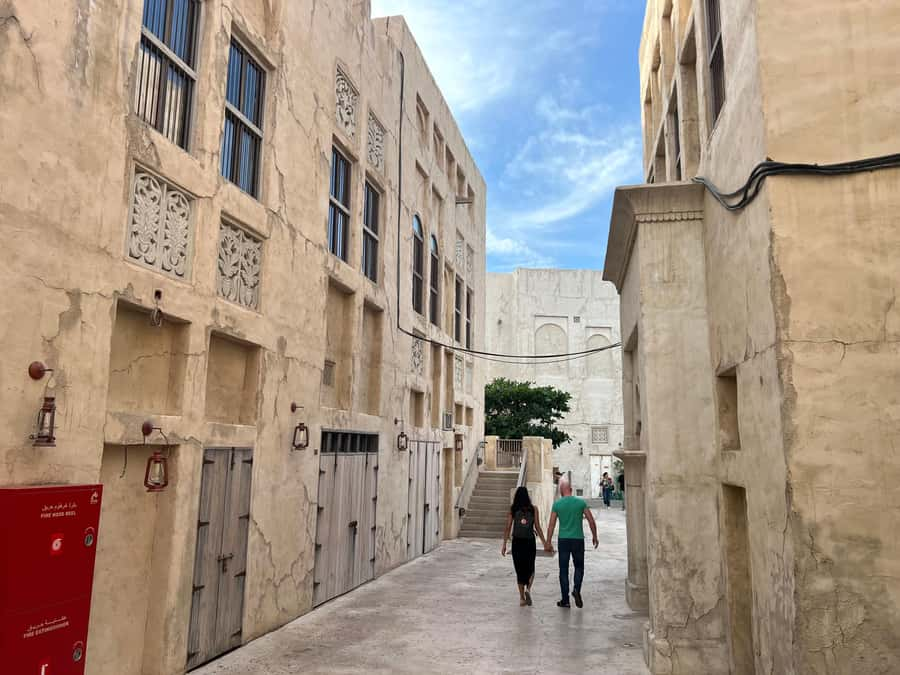
The tour allows roughly 25 minutes at Al Souq Al Kabeer, with guided sightseeing, free time, and shopping. This gives you a first look at the old market atmosphere before the route reaches the Spice Souk and Gold Souk.
Your guide can help explain how to look at goods, ask questions, and bargain politely. The tour description specifically includes learning the art of haggling, which is useful if you plan to buy spices, souvenirs, textiles, or jewelry later.
The shopping portion is worth treating as an introduction, not a dedicated buying session. You may want time to compare prices and decide what you really want. On a private tour, you can ask the guide about products and local customs, but you should still make your own purchasing decisions.
The route includes no transactions as part of the included service. In plain terms, bring payment only for anything you personally choose to buy, and do not expect shopping to be included in the tour price.
A few more nights of eating around Dubai worth a look
- Dubai.Discover Old town,Markets,street food,Abra &Museums
★ 4.9 · 181 reviews - Dubai Souks, Museum, Street Food Walking Tour with Hotel Transfer
★ 4.5 · 7 reviews - Takua Pa: Food Market, Tsunami Museum, Temple, & Old Town
★ 4.9 · 165 reviews
Dubai Creek and the traditional abra crossing
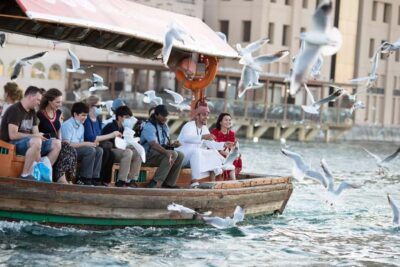
The creek is the tour’s main change of scene. After the older streets, you reach the water for a photo stop and a traditional abra boat ride.
An abra is a simple wooden creek boat used as a practical link between the two sides of Old Dubai. The crossing is short, but it gives you a view of the waterfront, working boats, market buildings, and the movement that helped Dubai grow as a trading center.
I like this part because it is transportation and sightseeing at once. You are not being taken around in a modern vehicle while looking at history through glass. You are using a traditional form of transport that still belongs to the daily life of the creek.
The boat can be busy, and this is not a luxury cruise. You should expect a straightforward crossing rather than a long narrated voyage. That is part of its appeal. The abra connects the neighborhoods efficiently, then leaves you close to the markets on the Deira side.
A later secret photo stop is also listed, with scenic views along the way. Since the exact location is not specified, think of it as a flexible viewpoint rather than a guaranteed major attraction.
Street food that turns the walk into a tasting tour
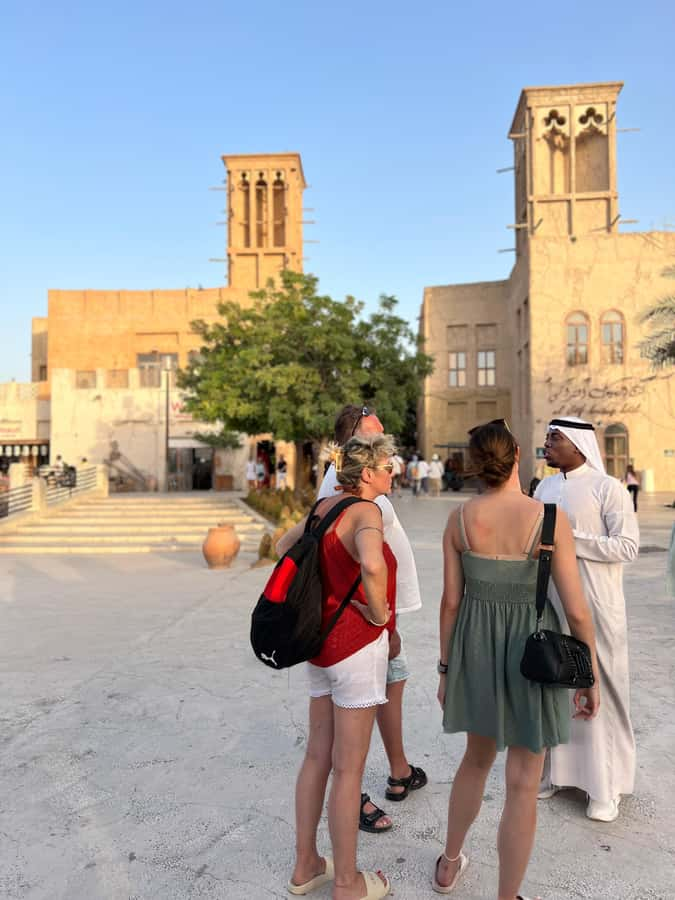
Food gives this tour a welcome practical edge. The included tasting covers vegetarian and non-vegetarian options, and the guide can help you understand what you are trying.
One detailed account describes shawarma, camel milk ice cream, excellent dates, dates with chocolate, and Dubai chocolate with pistachio. Those examples show the range: you are not limited to one formal restaurant meal, but you may sample familiar street food alongside sweets and regional ingredients.
The tasting can also help if you arrive hungry. A guide arranged tasty shawarma for one family, and the group received water at the start. Still, I would not treat the experience as a full lunch guarantee. The itinerary promises local street food tasting, but the exact dishes and quantities may change.
If you have dietary restrictions, explain them before the tour begins. The listed options include vegetarian and non-vegetarian food, but no further allergy or dietary details are provided. You should ask the guide what each item contains before eating.
The food is valuable because it places culture on your plate. Dates, saffron, spices, camel milk products, and street food are easier to remember after you have tasted them. It is also a pleasant way to break up the walking.
Spice Souk and Al Ras
After the abra ride, you reach the Spice Souk, with time for sightseeing, shopping, and a break. The route then continues through Al Ras for about 20 minutes before finishing at the Gold Souk.
The Spice Souk is where your guide can explain saffron, spice use, and local ingredients. One account describes a friend of the guide explaining curiosities about saffron and spices, followed by tastings of dates and chocolate. That kind of specialist explanation may not be guaranteed, but it shows how the private format can add personal connections.
You may find the market more commercial than expected. Sellers are there to make sales, and some shops may offer samples while encouraging you to buy. Keep your pace comfortable, ask prices clearly, and remember that bargaining is part of the experience rather than a sign of conflict.
Al Ras gives you another stretch of old-market streets before the final stop. It is less about a single monument and more about seeing how the neighborhoods fit together. Your guide can point out the transition from food and spice shops toward the jewelry trade.
Finishing at the Gold Souk
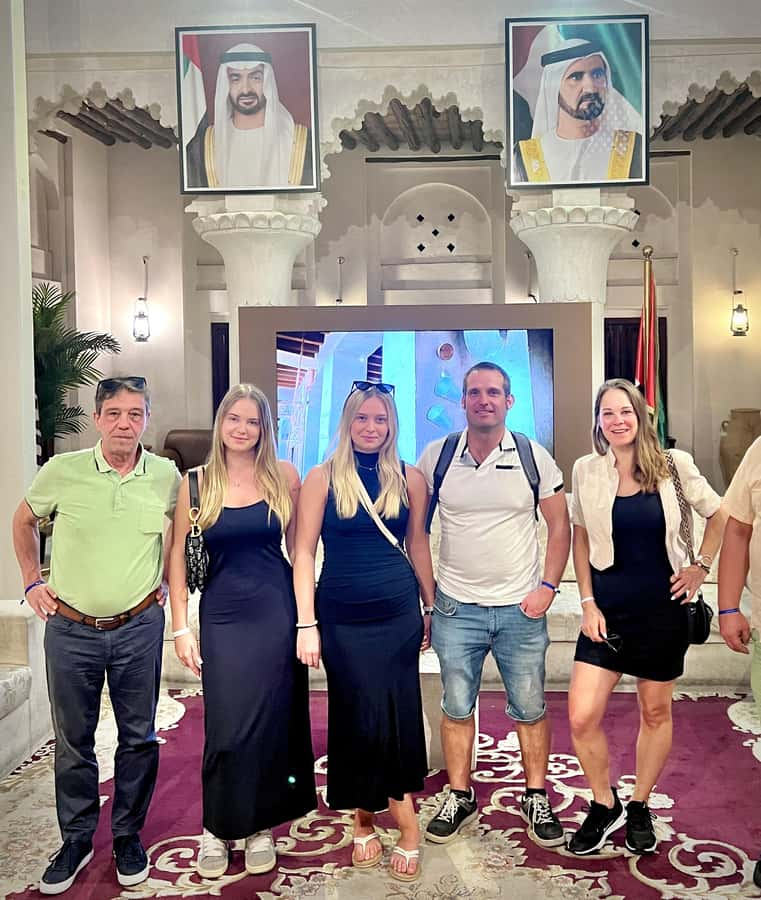
The Gold Souk is the final point, and it makes sense as an ending. After seeing the creek and market lanes, you arrive among shop windows filled with gold jewelry and large decorative pieces.
You do not need to buy anything to enjoy the stop. The souk is a place to look closely, compare designs, and observe how gold is displayed and sold. If you do shop, use the haggling advice from earlier and ask your guide for help with local shopping etiquette.
Ending here also gives you options. You can continue exploring on your own, leave the market, or use the area as a starting point for more of Deira. Since the tour does not return you to the original meeting point, plan your next move before you start.
What the private format is worth at $231
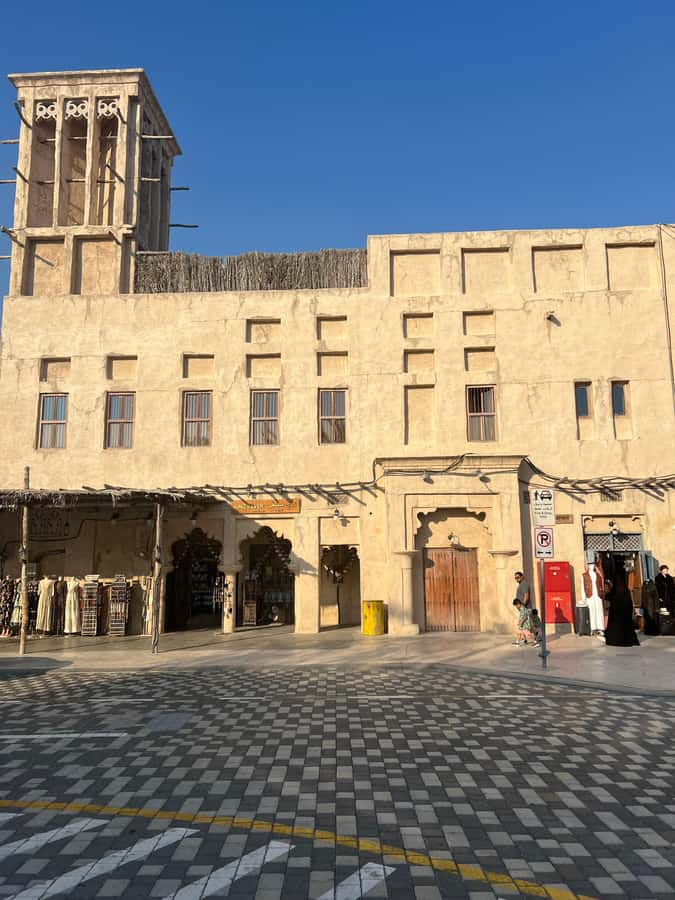
The price is $231 for a group of up to five people. For one person, that is expensive. For five people sharing the cost, it works out to about $46.20 per person, which is more reasonable for a private three-hour outing with a guide, food tastings, bottled water, and an abra ride.
The value rests on the guide, not on expensive admission tickets. The main sights are historic streets, markets, the creek, and cultural stops. You are paying for interpretation, route planning, personal attention, and the chance to ask questions without a large group waiting.
I would consider it good value for a family or group of friends who want one organized introduction to Old Dubai. It is less compelling for a solo visitor on a tight budget, especially if you prefer exploring markets independently.
The private format is also useful for families. A guide was patient with a three-year-old after an early arrival from a night flight, adjusting the pace and helping the family through the route. That does not make the tour effortless for every child, but it suggests a flexible approach.
Timing, comfort, and who should book
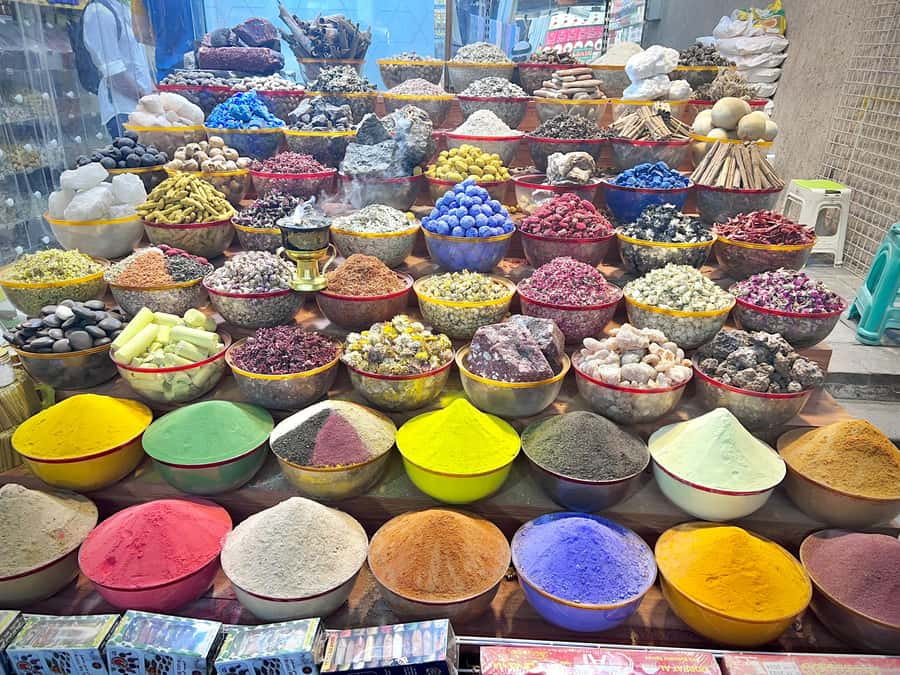
Wear comfortable shoes. You will walk through historic lanes, markets, and the creek area, and the route includes several stops rather than one seated activity. Bottled water is included, but you should still dress for Dubai’s conditions.
Smoking is not allowed during the activity. Wheelchair users should choose another experience, since the tour is not suitable for wheelchair access.
I would recommend this for first-time visitors who want Old Dubai explained in plain language. It also suits families, small friend groups, and anyone who enjoys food, local customs, and markets more than formal sightseeing alone.
It may not suit you if you want a slow museum tour, a long boat cruise, or a focused shopping expedition. The itinerary moves from one neighborhood to another in a short time. You will see many places, but you will not spend an hour at every one.
Should you book this Old Dubai tour?
Book it if you want a private introduction to Dubai’s older neighborhoods, especially if your group can share the $231 cost. The mix of Al Bastakiya, Al Fahidi Fort, street food, the abra, Spice Souk, and Gold Souk gives you a useful first look at the city beyond its towers.
I would give special weight to the guide language you need. Mahmoud and Hichem were praised for their Italian, while the tour also lists English, German, Spanish, Portuguese, and French. Ask about your preferred language when booking.
Choose another option if you need wheelchair access, dislike market pressure, or want a longer and slower museum visit. For everyone else, this is a practical way to connect Dubai’s food, trade, architecture, and traditions in one compact outing.
FAQ
How long does the private Old Dubai tour last?
The advertised duration is three hours. One account describes about two hours, so it is sensible to allow some flexibility around the stated schedule.
Where does the tour start?
The meeting point is Wokyo Noodle Bar in Al Seef.
Where does the tour finish?
The tour finishes at the Dubai Gold Souk.
Is the abra boat ride included?
Yes. A traditional abra boat ride across Dubai Creek is included.
Is food included?
Yes. Local street food tasting is included, with vegetarian and non-vegetarian options listed. Examples described on the route include shawarma, dates, camel milk ice cream, and Dubai chocolate with pistachio, though exact items can vary.
What languages are available?
Live guides are listed in English, German, Italian, Spanish, Portuguese, and French.
Is the tour suitable for wheelchair users?
No. The activity is listed as unsuitable for wheelchair users. Comfortable shoes are recommended, and smoking is not allowed.
Just added around Dubai
- Original Street Food Tour of Dubai★ 4.5 · 41 reviews
- Dubai Street Food Tour★ 5.0 · 5 reviews
- Old Dubai Walk, Souk, Street Foods, Al Fahidi and Al Seef Tales★ 4.0 · 9 reviews
- Private Dubai Street Food Tour .★ 4.5 · 7 reviews
- Dubai Souks, Museum, Street Food Walking Tour with Hotel Transfer★ 4.5 · 7 reviews
- Local Street Food and Guided Walking Tour of Dubai Old Town★ 5.0 · 37 reviews
- Old Dubai Guided Tour With Photographer: Souks & Street Food★ 4.9 · 74 reviews
- Dubai: Old Town Walking Tour with Abra Cruise & Street Food★ 4.9 · 71 reviews
Old Quarter and Medina Food Walks, compared.
Old Town, Creek, Museums, Souks, & Street Food Tour
What we made of it →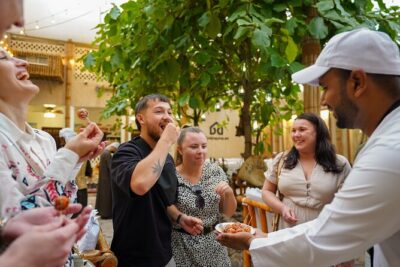
Old Town, Souks, Street Food, Guided Tour & Abra Ride
What we made of it →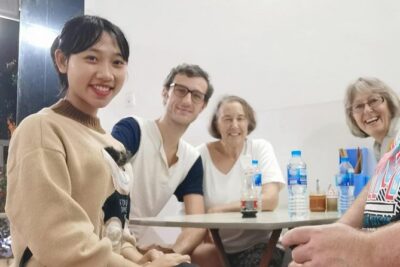
[HOT] Hanoi Old Quarter Walking Street Food – Small Group Tour
What we made of it →Old Town, Souks, Street Food, Guided Tour & Abra Ride
What we made of it →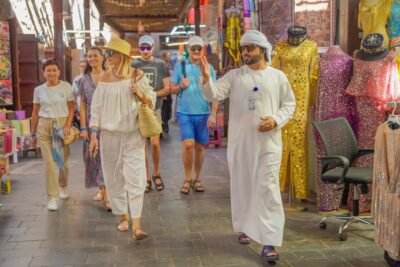
Old Town, Street Food, Creek, Souks, & Emirati House
What we made of it →
Chania: Old Town Highlights Guided Tour with Street Food
What we made of it →Where this tour turns up