
Review · OSAKA
Deep Dive: Osaka Food Markets from Local to Luxurious!
Osaka eats first. This four-hour walk shows you a side of the city built around shopping, cooking, and everyday meals, from the polished food floors of Takashimaya to neighborhood markets where locals buy meat, fish, and vegetables. I like the mix of four very different food districts and the chance to compare ordinary shopping with Osaka’s famous Kuromon Ichiba Market.
I also like the small-group format, limited to eight people, and the guide’s role in explaining customs, food, and local life. Ferdinand, the French guide who led one recent outing, was praised for sharing his experience of living in Japan and answering questions carefully. The main drawback is cost control: the $59 price does not include food, drinks, souvenirs, or the 330-yen transportation charge, so your final spending depends on how much you sample.
Key points at a glance
- Seven stops in four hours: The route links department-store food halls, Tenma markets, Korea Town, Kuromon Ichiba, and kitchenware shops.
- A look at Osaka’s food culture: You see both polished luxury and practical neighborhood shopping, not just tourist snack stalls.
- Sampling is extra: Bring money for every bite, drink, and food purchase because none are included.
- Small group advantage: With no more than eight participants, you should have room to ask questions and follow explanations.
- Three guide languages: Tours are offered in English, Spanish, and French.
- Comfortable shoes matter: This is a walking-heavy outing with repeated market visits and neighborhood connections.
Osaka through food, not monuments
Osaka is often sold through neon streets, comedy, and big-name attractions. This tour chooses a more useful theme: what people buy, cook, and eat.
That makes the route appealing if you have already seen the main sights or want a break from temples and formal cultural stops. You are not simply led to one famous market, handed a skewer, and sent on your way. The route compares several kinds of food shopping, each with a different mood and purpose.
The day begins at the McDonald’s directly in front of Tenma Station. That is a practical meeting point, but take care to confirm you are at the correct station and the correct McDonald’s. Osaka has plenty of busy rail areas, and starting calmly will help you enjoy the rest of the walk.
The listed stops receive about 25 minutes each. Since the tour lasts four hours and includes transportation, walking, and transfers, those blocks are best understood as short guided visits rather than long independent shopping sessions. You will get an introduction to each area, then decide where you want to spend your own money.
More Night Market Food Tours in Osaka:
- Deep Dive: Osaka Food Markets from Local to Luxurious!
★ 5.0 · 31 reviews - Small Group: Michelin and Local Hawker Food Tour with 9 tastings
★ 5.0 · 1,890 reviews - Seoul Street Food Market Tour
★ 5.0 · 1,226 reviews
Takashimaya: polished food shopping in Namba
The first department-store stop is the TUMI Takashimaya Osaka Store, part of the Takashimaya setting in Namba. The tour uses this stop to show the upscale end of Japanese food retail.
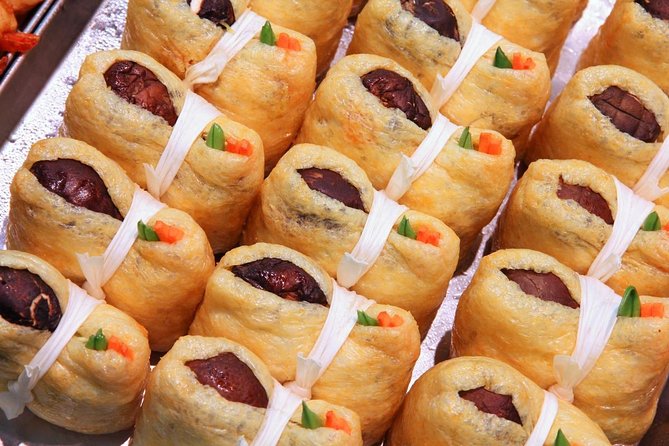
Japanese department-store food floors are useful for understanding presentation and quality. Carefully arranged meats, fish, produce, prepared foods, and sweets can appear almost too neat to disturb. You might find carefully boxed gifts, refined ingredients, and cooked foods designed for a quick meal or a special occasion.
The value here is comparison. If you only visit open-air market streets, you see one part of Osaka’s food culture. A department store shows another: food treated as a premium product, a gift, or an item worth paying extra for.
You should not expect a full meal at this stop. The tour does not include samples, and the schedule allows about 25 minutes. If something catches your eye, ask the guide about it before buying. A small-group guide can help you understand what you are looking at, especially when labels or food customs are unfamiliar.
Tenma Ichiba and Pulala Tenma
Pulala Tenma, also called the Tenma Ichiba Market Building, shifts the focus from department-store polish to practical market shopping.
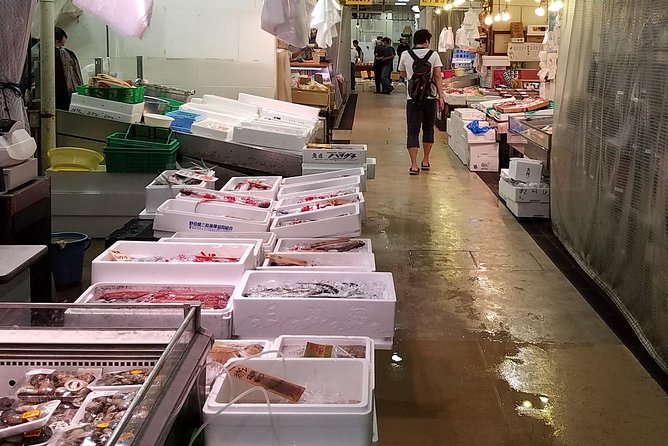
This is one of the more useful stops for seeing how food fits daily life. You will encounter the kinds of ingredients associated with ordinary cooking, including meats, fish, vegetables, and other staples. The point is less about a single famous snack and more about seeing the range of products available to local shoppers.
The 25-minute visit is short, so stay close and listen for the guide’s explanations. Market buildings can be visually busy, and you may be tempted to stop at every counter. That is part of the fun, but it can also make time disappear quickly.
I like this stop because it adds context to the more famous markets later in the route. You see that Osaka’s food culture is not only about eating on the spot. It is also about buying ingredients, choosing quality, and knowing where to shop for everyday meals.
Tenjinbashisuji: a long shopping-street view
Tenjinbashisuji Shopping Street gives the tour a different setting again. Instead of a single enclosed market or department-store floor, you move through a neighborhood shopping area.
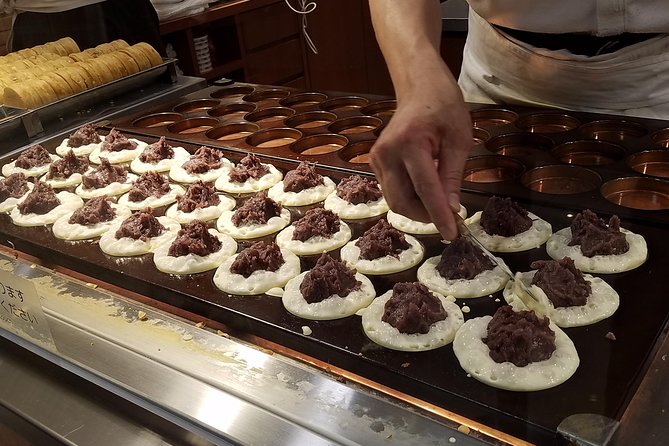
The stop helps connect food with ordinary city life. Along a traditional shopping street, food shops sit within a wider mix of local businesses and daily errands. You might see produce, prepared foods, sweets, and other shops serving people who live nearby.
Do not treat this as a dedicated tasting session. Food purchases are your responsibility, and the schedule is designed for a guided look rather than an unlimited wander. If you have a particular interest, such as sweets, fish, or kitchen ingredients, tell your guide early so you can use the stop well.
The practical benefit is that you are not left to decode the street alone. A guide can explain what a shop is for, how people use the area, and why one type of market feels different from another. That human explanation is a major part of what you are paying for.
Same place, a different plate:
- Hungry Osaka Street Food Tour:15 Tastings & 3 Drinks with a Local
★ 5.0 · 1,727 reviews - Hungry Osaka Street Food Tour: 15 Dishes & 3 Drinks
★ 4.9 · 694 reviews - [1 Group Only] Osaka Street Food Tour for Family
★ 5.0 · 208 reviews - Umami Town Street Food Tour
★ 5.0 · 120 reviews
Tsuruhashi and Osaka’s Korean connection
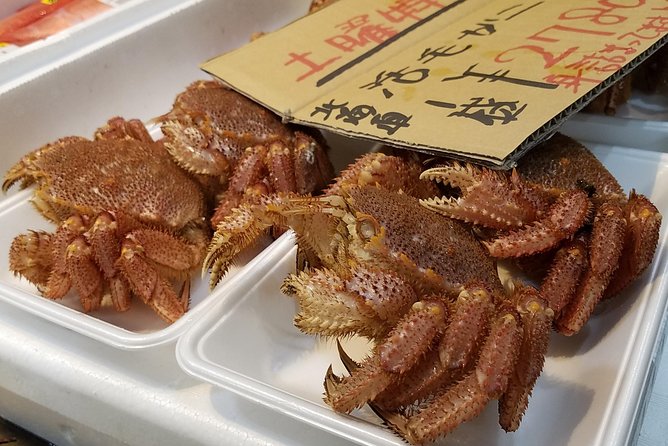
Tsuruhashi brings a Korean influence into the day. The description presents it as a Japanese-infused Korea Town where fewer tourists tend to go, making it a useful change from the best-known central markets.
This stop broadens the idea of Osaka food. You are not looking at one fixed Japanese menu. You are seeing how food traditions meet, adapt, and become part of neighborhood life.
The guide’s background may add something here. Ferdinand was praised for explaining Japanese and Korean markets, local customs, history, and his own life in Japan as a French person. That mix of personal experience and cultural explanation can make Tsuruhashi easier to understand than a quick walk through a row of shops.
Keep your expectations practical. The tour does not promise a meal in Korea Town, and any snacks or refreshments cost extra. If you want to taste something, ask what it is and how it is normally eaten before ordering. That is exactly the kind of question a small group makes easier.
Kuromon Ichiba: famous, crowded, and full of choices
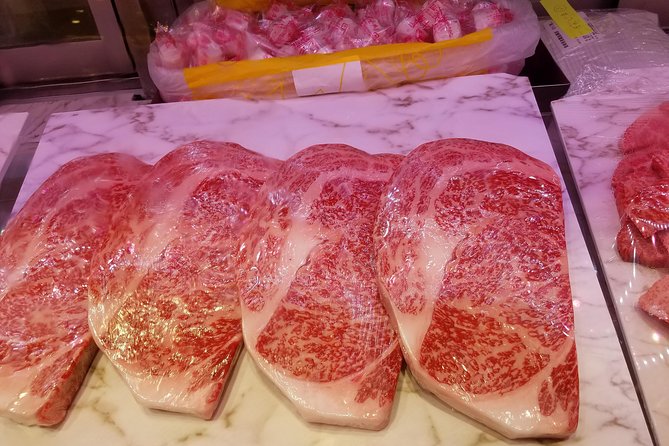
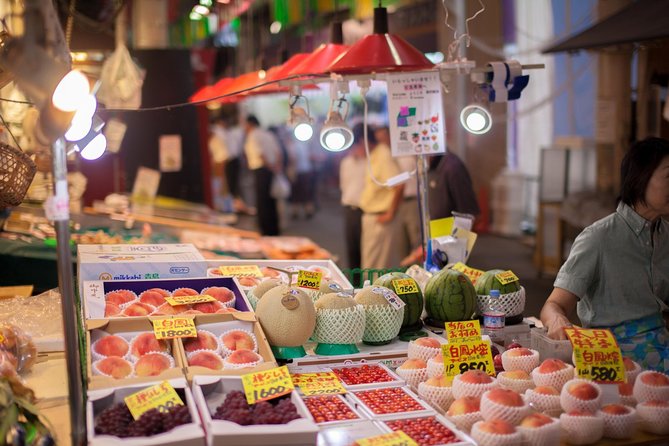
Kuromon Ichiba Market is the best-known stop on the route. It is famous for delicacies sold both raw and cooked, so this is where many people will feel most eager to spend money.
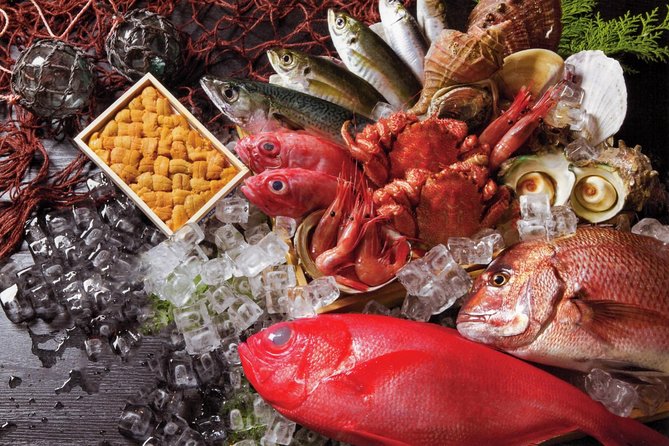
You might find seafood, meat, produce, prepared foods, and small items meant to eat as you walk. The appeal is variety. One person can try something cooked, another can buy fruit or fish, and someone else can simply look and take photographs.
There is also a tradeoff. Famous markets can be more expensive than ordinary neighborhood shops, and the tour price does not cover any purchases. Set a snack budget before you arrive. Otherwise, one attractive counter can turn into several unplanned expenses.
The 25-minute schedule is another reason to decide what matters most. You will not have time to examine every stall in detail. Let the guide give you the broad picture, then choose one or two things that genuinely interest you.
I appreciate that Kuromon is not presented as the entire story. It is one stop among several. You get the famous market atmosphere, but you also see places that are more closely tied to regular shopping. That makes the visit more balanced.
Doguyasuji: the practical side of Japanese food
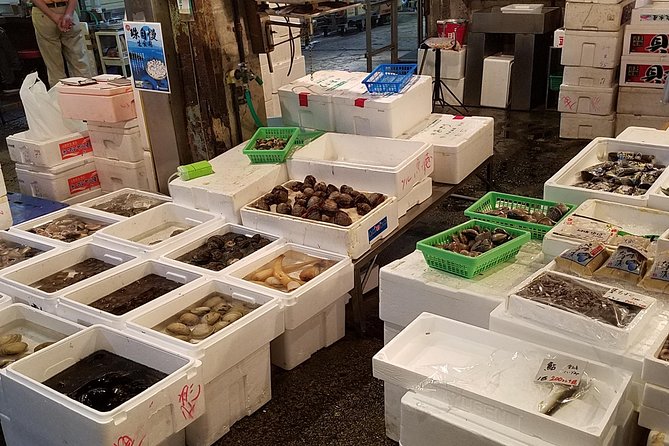
Sennichimae Doguyasuji Shotengai is a kitchenware shopping street, and it adds an important piece to the food story. Food culture is not only ingredients and finished dishes. It also depends on knives, dishes, utensils, cookware, and the tools used to prepare and serve meals.
This stop may be especially good for cooks, food professionals, and anyone who enjoys browsing practical objects. You might find useful souvenirs here, though remember that souvenirs are not included in the tour price.
The stop also gives you a break from tasting decisions. You can focus on how food is prepared and presented rather than constantly deciding what to eat next. If you have room in your luggage, this may be the place where you find something more lasting than a snack.
Because the tour spends about 25 minutes here, you may need to return later if you want to shop seriously. Use the guide’s introduction to learn what the street offers, then note anything you would like to revisit independently.
Ending in Namba
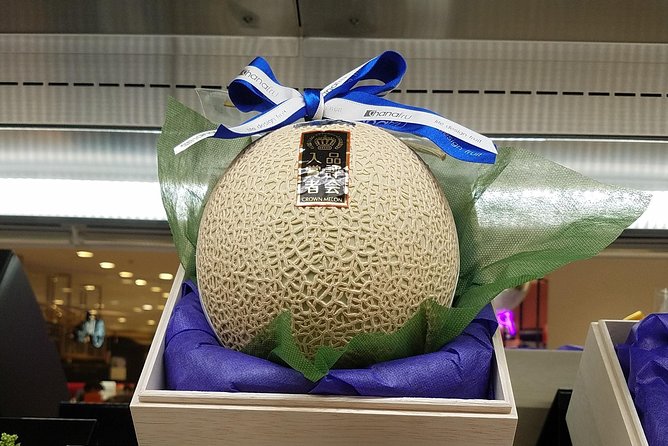
The route finishes in Namba, a major Osaka area and a convenient place to continue eating, shopping, or sightseeing on your own.
Ending here makes sense because you are already surrounded by food choices and transport connections. You can extend the day with a meal, return to a shop you noticed earlier, or simply stop for a drink after four hours on your feet.
Namba also brings the tour back to a more central, well-known part of Osaka after the less familiar market areas. That gives the outing a clear arc: premium retail, neighborhood markets, Korea Town, the famous central market, kitchenware shopping, and a finish in one of the city’s main districts.
What the $59 price really covers
At $59 per person, the price is reasonable if you want interpretation rather than a self-guided market walk. Your fee pays mainly for the guide’s time, route planning, language support, and explanations across several districts.
It is less attractive if you only want to eat as much as possible. Since samples, food, drinks, and souvenirs are all extra, your total cost can rise quickly. The 330-yen adult transportation charge is also separate.
I would plan for the tour as a guided introduction, not as an all-inclusive food crawl. Bring a little extra spending money, but do not assume you need to buy at every stop. You can enjoy much of the value by looking, asking questions, and choosing a few foods with care.
The small group helps justify the price. With a maximum of eight people, the guide should have a better chance to answer individual questions than on a large coach outing. It also makes it easier to hear explanations in market areas where noise and movement can compete for your attention.
Who will enjoy this food walk most
I would recommend this tour to you if you want food culture explained in context. It suits first-time Osaka visitors who want a guided orientation, repeat visitors looking for neighborhoods beyond the headline sights, and curious eaters who enjoy comparing different shopping settings.
It is also a good choice if you prefer a group small enough for questions. The available languages are English, Spanish, and French, and Ferdinand’s example shows how a guide may add personal perspective about living in Japan as well as information about food.
You may want to choose another activity if you need a full meal included, dislike walking, or want long stretches of free shopping time. The tour moves through several places in four hours, so its strength is variety rather than deep independent exploration at one market.
Wear comfortable shoes. That instruction is simple but important because you will be walking through multiple shopping areas and making transfers. There is no need to dress formally for the food stops.
Booking flexibility and useful planning tips
You can cancel up to 24 hours before the activity for a full refund, and you can reserve now and pay later. Those options help if your Osaka schedule is still changing.
Starting times depend on availability, so check the day and time carefully before booking. Arrive at the McDonald’s directly in front of Tenma Station with enough time to identify the meeting point.
A few simple choices will improve the outing:
- Eat lightly beforehand, but do not arrive expecting included food.
- Bring cash or a payment method for snacks, drinks, and purchases.
- Wear shoes suitable for several hours of walking.
- Ask questions early, especially if you want help choosing a food item.
- Save room for purchases if kitchenware or packaged foods interest you.
- Set a spending limit before Kuromon Ichiba.
Should you book it?
Book this tour if you want Osaka explained through its markets, ingredients, neighborhoods, and kitchen tools rather than through major monuments alone. The strongest features are the wide range of stops, the small group, and the guide’s personal explanations, especially if you join a guide such as Ferdinand who can discuss Japanese and Korean food customs alongside life in Japan.
Skip it if your main goal is a cheap, all-you-can-eat outing. Food and transportation cost extra, and each stop is fairly brief. For an organized introduction to Osaka’s local-to-luxury food world, though, the $59 price can be good value, provided you treat the tastings as optional additions and arrive ready to walk.
FAQ
Where does the tour start?
It starts at the McDonald’s directly in front of Tenma Station.
How long does the tour last?
The tour lasts four hours.
What languages are available?
The tour is offered in English, Spanish, and French.
How many people can join the group?
The group is limited to eight participants.
Is food included in the price?
No. Samples, food items, refreshments, and snacks are not included.
Are souvenirs included?
No. Souvenirs must be purchased separately.
Is transportation included?
Transportation during the tour is not included. An additional charge of 330 yen per adult applies.
What markets and shopping areas are visited?
The route includes Takashimaya, Pulala Tenma, Tenjinbashisuji Shopping Street, Tsuruhashi, Kuromon Ichiba Market, Sennichimae Doguyasuji Shotengai, and Namba.
What should I wear?
Wear comfortable shoes because the activity includes walking through several market and shopping areas.
Can I cancel for a refund?
You can cancel up to 24 hours in advance for a full refund.
Just added around Osaka
- Osaka Street Food Tour: Private & Personalized★ 4.5 · 36 reviews
- Retro Osaka Street Food Tour: Shinsekai★ 4.5 · 77 reviews
- Osaka 2 Hour Local Street Food Tour in Dotonbori and Namba★ 5.0 · 2 reviews
- Evening Street Food Hopping Tour in Downtown Osaka★ 5.0 · 8 reviews
- Eat Osaka: Street Food Cooking in an Authentic Kitchen!★ 5.0 · 87 reviews
- Deep Dive: Osaka Food Markets from Local to Luxurious!★ 5.0 · 31 reviews
- Eat Like a Local in Osaka – Private Custom Street Food Tour★ 4.3 · 33 reviews
- Osaka Shinsekai Street Food Tour – Evening★ 5.0 · 2 reviews
Night Market Food Tours, compared.
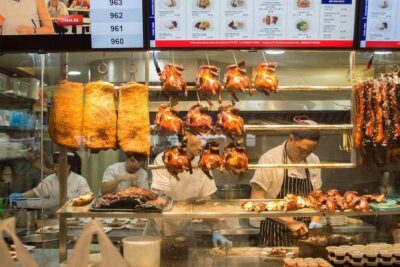
Small Group: Michelin and Local Hawker Food Tour with 9 tastings
What we made of it →
Food Market Visit and Cooking Class with Wine
What we made of it →
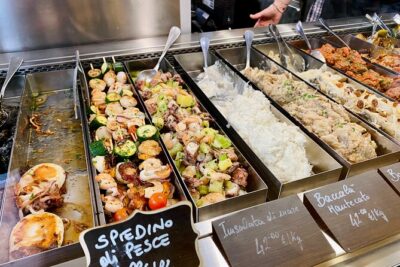
Venice Street Food Tour with Local Guide with Local Food Market Visit
What we made of it →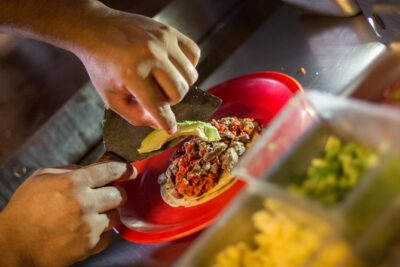
Cancun Taco Tour, Local Beer and Night Market with Transportation
What we made of it →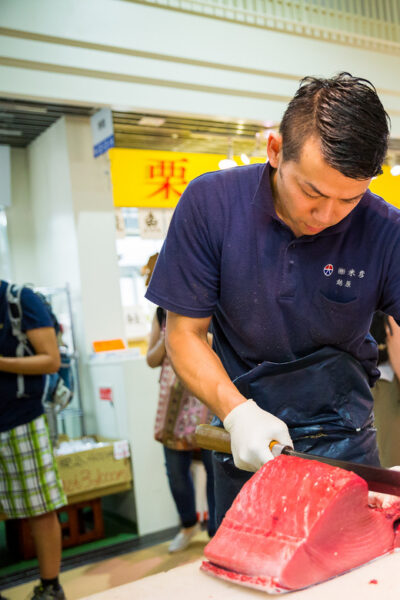
Tsukiji Fish Market Food and Culture Walking Tour
What we made of it →
Cancun Street Food Tour with Food Stalls, Local Market and Murals
What we made of it →Where this tour turns up