Review · SINGAPORE
Singapore: Chinatown Hawker Food Tour with 7 Food Tastings
Come hungry, leave curious. This three-hour Chinatown walk combines seven food tastings with local stories, market stops, and a look at the neighborhood’s architecture. I like the way it moves beyond restaurant dining: you try bak kwa at a small shop, sip coffee or tea in a traditional coffee shop, and eat at a hawker center where everyday Singaporeans find their meals.
I also like the guide-led format. Guides such as Tang, Jeanette, Edwin, Lee, and Angel have been praised for explaining both the food and Singapore’s past in clear, lively detail. The main consideration is group size. With a group of nine, one participant found that tables sometimes split the group and left less time for personal storytelling. Bring tissues, too, since hand towels are not supplied.
Key points to know before booking
- Bak kwa begins the food story: Try Singapore’s salty-sweet dried pork at a small specialist shop near the meeting point.
- The hawker center is the heart of the tour: You sample local favorites while learning why these inexpensive dishes matter to Singaporean life.
- The menu changes when needed: Oyster cake may replace popiah, thosai may replace prata, and Malay bamboo cakes may replace chendol if certain foods are unavailable.
- Chinatown history comes with lunch: The route includes the Buddha Tooth Relic Temple and explanations of the surrounding buildings.
- The price includes food and drinks: At $88 per person, you are paying for a full tasting route, a local guide, and the ease of ordering unfamiliar dishes.
- Wear comfortable shoes and bring tissues: You will walk between stops, eat in casual places, and may need to clean your hands yourself.
Starting at Chinatown MRT with bak kwa
The tour begins outside Chinatown MRT station at Exit A, near Bee Cheng Hiang. Look for the orange umbrella. This is a practical meeting point because you can arrive by metro without arranging a taxi or hotel transfer.
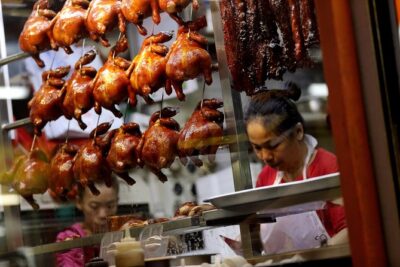
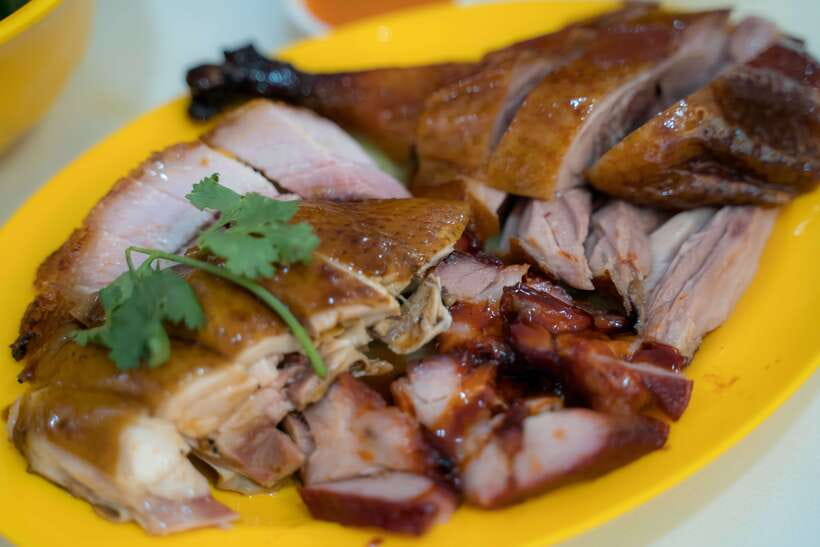
The first bite is bak kwa, one of Singapore’s best-known snacks. It is dried pork with a salty-sweet flavor and a chewy texture. At a small shop, you get a quick introduction to the snack rather than simply finding it on a restaurant plate. That matters because bak kwa is tied to local food habits and festive traditions, giving you a little cultural context before the meal grows larger.
You may also try an oyster cake or popiah, depending on availability. Oyster cake is a savory snack, while popiah is a fresh spring roll filled with vegetables and other ingredients. The substitution is worth noting. You should expect a set of local flavors, but not every named dish is guaranteed on every departure.
This early stop also helps set the tone. You are not sitting down for one fixed meal. Instead, you are building a Singapore food vocabulary one small portion at a time.
More Night Market Food Tours in Singapore
- Small Group: Michelin and Local Hawker Food Tour with 9 tastings
★ 5.0 · 1,890 reviews - Small-Group Food Tour With Hawker Center: Eat Like A Local
★ 5.0 · 420 reviews - Singapore: Local Hawker Food Tour with Tastings
★ 4.7 · 181 reviews
Kaya toast and coffee in a traditional shop
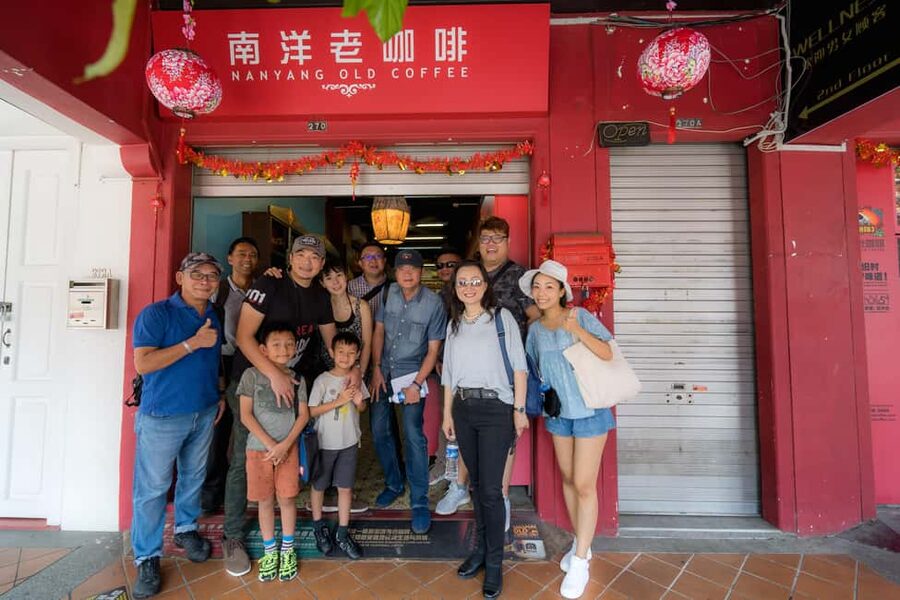
Next comes a visit to a traditional Singaporean coffee shop. You choose either local milk tea or coffee, served with kaya toast. Kaya is a sweet coconut and egg spread, usually paired with crisp toast and butter.
I like this stop because it shows a quieter side of Singaporean eating. Hawker food often gets the attention, but the coffee shop ritual is just as useful for understanding daily life. Your drink is familiar in form, but the flavors are different from a standard cafe breakfast. Local coffee and tea can be stronger and sweeter than you may expect.
The toast is also a good reset between savory tastings. You get something crisp, sweet, and filling before continuing toward the market. If you prefer coffee to tea, you have a choice, though the tour description does not specify particular preparation styles.
This is a useful point to ask your guide questions. Jeanette, Tang, and the other guides have been praised for explaining food and culture rather than rushing from plate to plate. The quality of the experience depends partly on how much conversation your group can share with the guide.
Inside the hawker center: chwee kueh and chicken rice
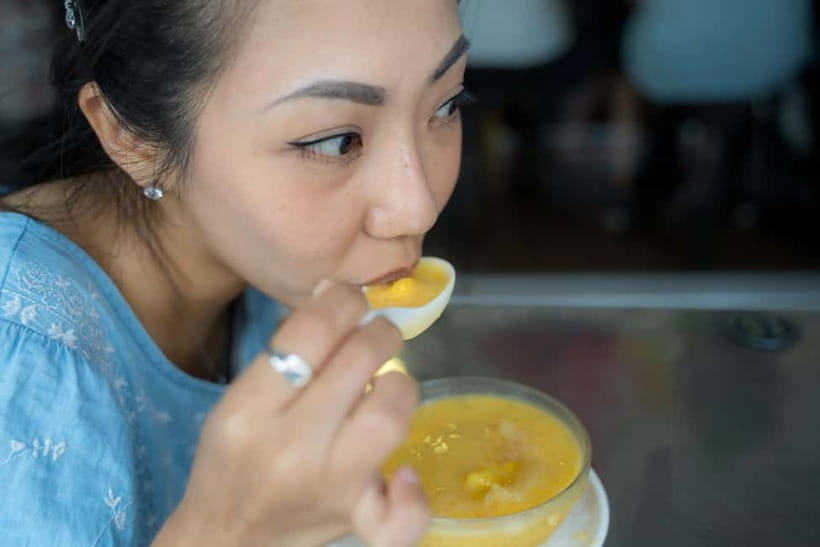
The route then reaches a covered market known as a hawker center. This is the main stage for the tour. Instead of one kitchen preparing a formal meal, a hawker center gathers many small food stalls under one roof. The setting lets you see how varied Singapore’s everyday food can be.
One tasting is chwee kueh, a steamed rice cake served with savory toppings. It is soft and mild, so the topping provides much of the character. This is the sort of dish you might overlook if you were ordering only familiar items, which is why a guide helps.
The main savory stop is Hainan chicken rice. The dish is simple in appearance: poached chicken, seasoned rice, and sauces. Its appeal comes from balance and preparation rather than heavy seasoning. Your guide selects the food and explains what you are eating, which is useful when several stalls and unfamiliar names compete for attention.
The hawker center is also where the $88 price begins to make more sense. You are not only buying seven small portions. You are paying for someone to choose reputable local bites, place them in a logical order, explain them, and keep the group moving through a busy food district.
Still, expectations matter. This is a tasting tour, not a full private meal at every stall. Portions are meant to leave room for the next stop. You should arrive hungry, but not expect seven large entrees.
A pause at the Buddha Tooth Relic Temple
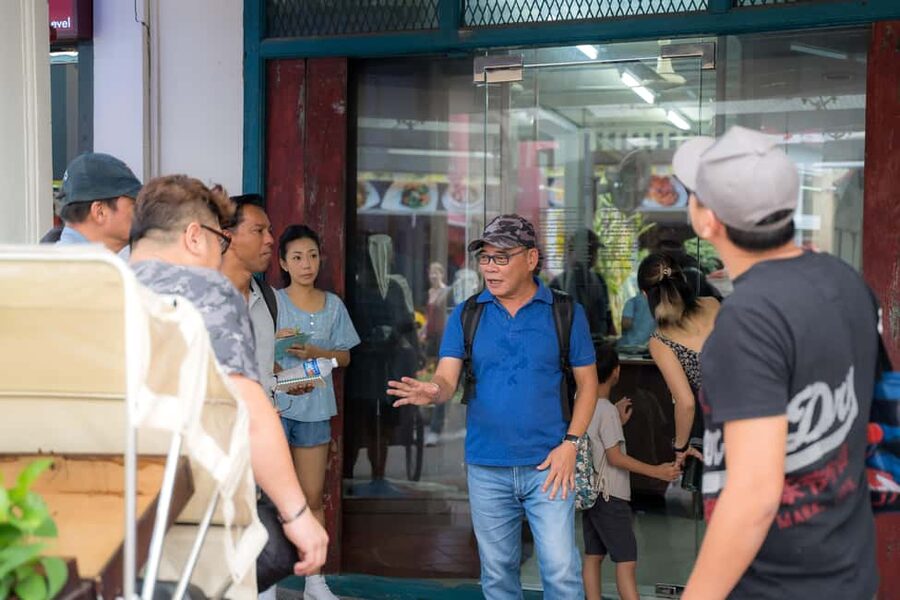
The Buddha Tooth Relic Temple gives the food walk a cultural break. It is a prominent Chinatown landmark, and visiting it keeps the experience from becoming a simple eating circuit.
The stop also helps connect the neighborhood’s buildings with its food traditions. Your guide discusses the surrounding architecture and Chinatown’s past, giving you more to notice as you walk. One guide, Lee, was praised for making Chinatown’s story vivid while continuing the food route.
You should treat this as a sightseeing pause rather than a long temple tour. The provided details do not promise an extended religious or architectural lecture. What you do get is a useful landmark and a chance to understand the area as a neighborhood, not just a collection of places to eat.
This balance is one of the tour’s strongest features. The food is the reason to book, but the history gives the bites a setting and a sense of place.
More Chinatown Food Tours in Singapore:
- Singapore: Chinatown Hawker Food Tasting Tour
★ 5.0 · 96 reviews - Michelin Premium Food Tour with Hawker Centre & Chinatown Tour
★ 4.5 · 50 reviews - UNESCO Hawker Culture: Chinatown Food Tasting Tour
★ 5.0 · 47 reviews - UNESCO Hawker Culture: Chinatown Food Tasting Tour
★ 4.9 · 43 reviews
Chinatown Food Street and the final savory tastings
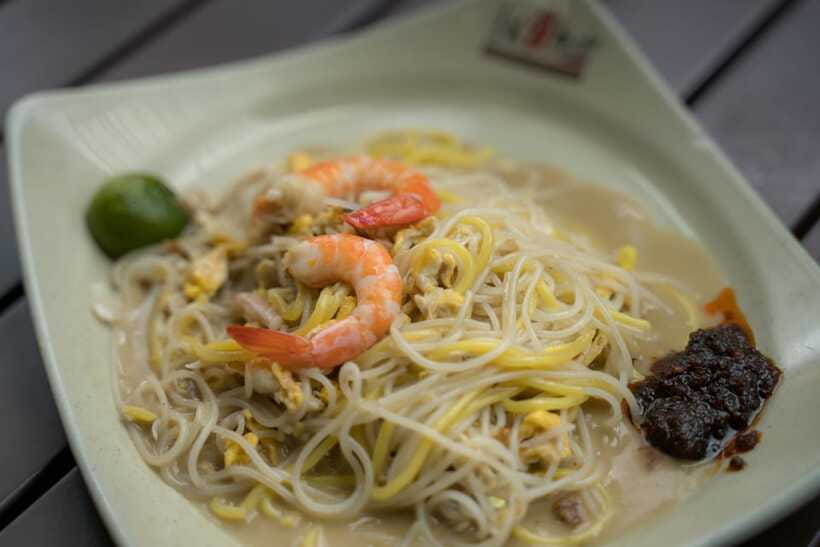
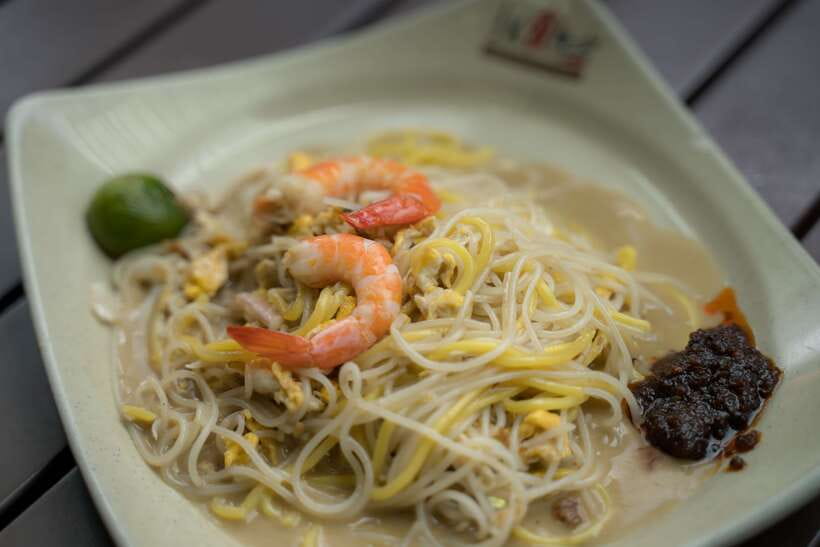
After the temple, the walk continues onto Chinatown Food Street. Here you try several more local favorites, including fried carrot cake, Indian prata with curry sauce, and Singapore fried prawn noodles.
Fried carrot cake is not a dessert. It is a savory dish made with rice cake, often cooked with other ingredients and sauces. The name can confuse first-time visitors, so this is exactly the kind of dish that benefits from a guide’s explanation.
Indian prata adds a different texture and flavor. You pair the flatbread with curry sauce, making this a more hands-on tasting than the earlier toast or rice dishes. If prata is not available, thosai may be served instead. That flexibility is practical, but it also means you should view the menu as a range of promised tastes rather than a rigid checklist.
The fried prawn noodles come with a can of Singapore Tiger Beer. This is the only specifically stated alcoholic drink, and the tour includes food and drinks in the price. If you do not drink alcohol, share your preference with the guide in advance.
The food street section can feel like the busiest part of the experience. A larger group may divide across tables, and one participant found that the guide had less time to explain dishes equally while arranging food. If you care most about detailed conversation, ask about expected group size before booking.
Dessert and the question of substitutions
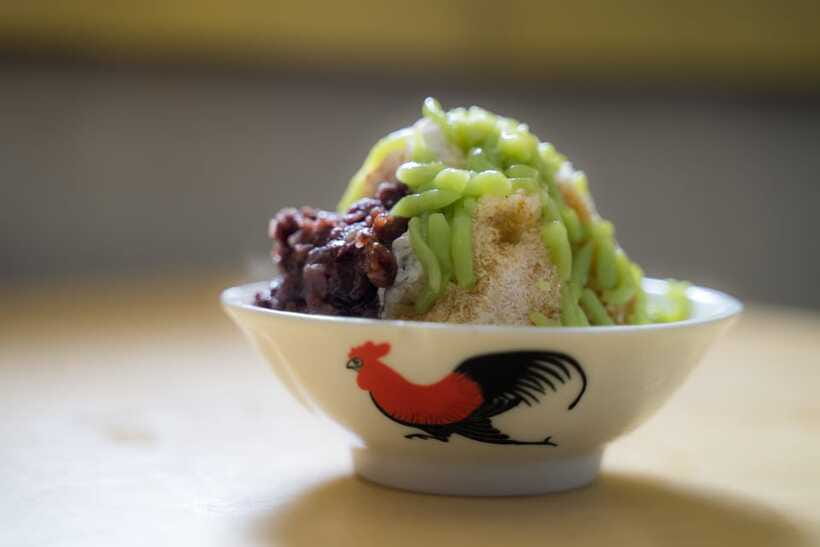
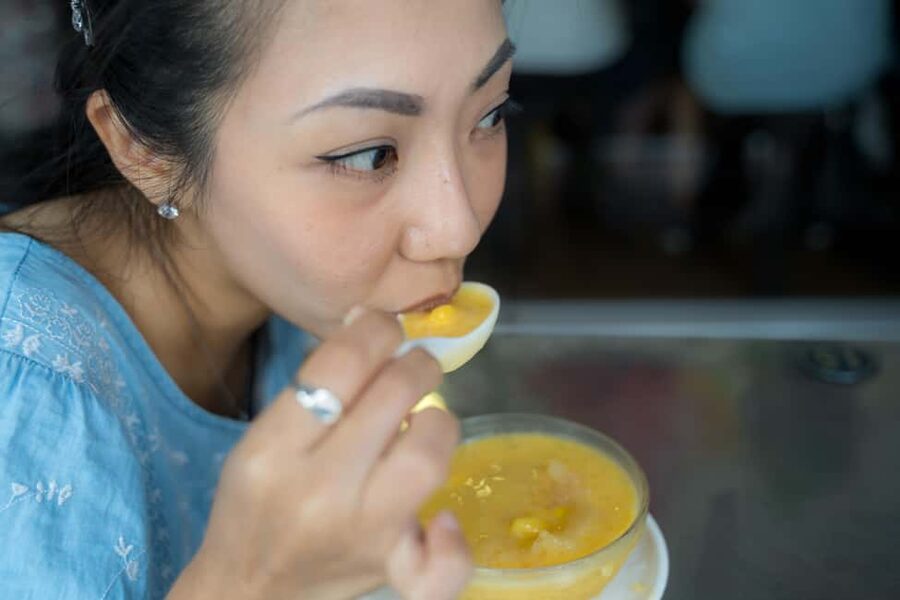
The final tasting is a local dessert. The planned option is chendol, a sweet dessert made with coconut milk, palm sugar, shaved ice, and green rice-flour jelly. If chendol is not available, Malay bamboo cakes may be offered instead.
This ending works well because the earlier foods lean savory, salty, and rich. A cold or sweet final course gives your palate a different finish. It also shows that Singapore’s food culture is not limited to Chinese dishes. The route includes Chinese, Malay, and Indian influences, along with the coffee shop tradition.
The food list includes bak kwa, oyster cake or popiah, coffee or tea with kaya toast, chwee kueh, chendol or bamboo cakes, prata or thosai, and chicken rice. The description also includes fried carrot cake and fried prawn noodles, so the exact count and portion plan may vary slightly depending on how the guide organizes the tastings. I would think of the experience as a broad seven-tasting food walk with extra small bites possible, not as seven identical courses at fixed restaurants.
What the guides add to the experience
The strongest praise goes to the guides. Julia enjoyed the guide’s command of the subject and the pace of the outing. Kristine appreciated Jeanette’s explanations of history and culture. Reena and Leslie singled out Tang for making the food and local background engaging, while Ryan’s short advice is simple: bring your appetite.
Edwin was also praised for answering questions and explaining the dishes as the group tried them. Angel combined food introductions with stories about Chinatown’s past. These comments point to the real value of the experience: the guide is not merely escorting you between stalls.
The quality can vary with group dynamics. A small group allows more questions and easier sharing of plates. A larger group can mean waiting for food, splitting across tables, or missing part of the guide’s explanation. One group had nine people and found this distracting. That is not a reason to reject the tour, but it is a fair issue to consider at $88.
Is $88 a fair price?
At $88 per person, this is more expensive than wandering Chinatown and buying individual snacks yourself. If you already know Singaporean food and enjoy planning your own meals, you may prefer the cheaper do-it-yourself route.
The tour offers value in three areas. First, you get a planned progression through several food traditions without having to research stalls or guess what to order. Second, food and drinks are included, so the price is easier to judge than a tour fee that excludes every tasting. Third, you receive cultural background and local guidance while eating.
I would consider the price reasonable for a first visit, especially if you want structure and English explanations. It is less appealing if your main goal is quantity. Portions are tastings, and the tour lasts three hours rather than providing a long sit-down feast.
The tour also ends where it begins, outside Chinatown MRT Exit A. That makes it easy to continue sightseeing or return to your hotel by metro, though hotel pickup is not included.
Practical advice for a smoother food walk
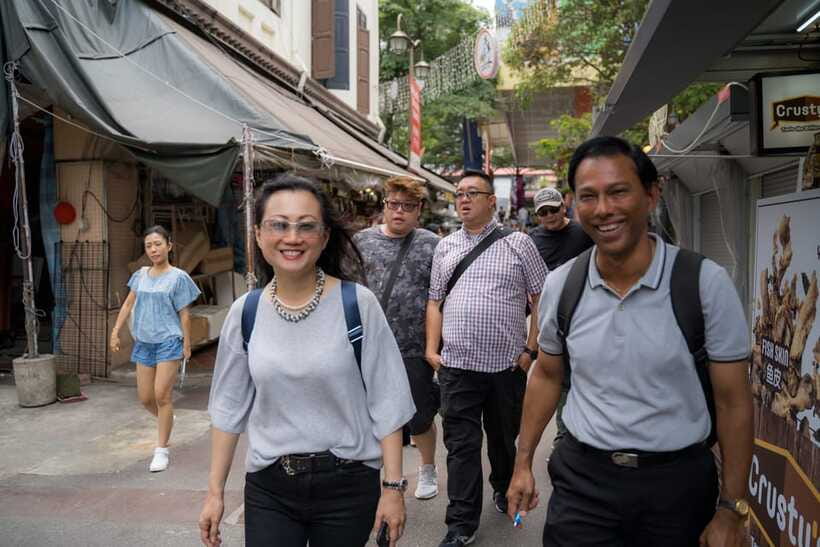
Wear comfortable shoes. You will be walking between shops, the hawker center, the temple, and Chinatown Food Street, and the tour is long enough for footwear to matter.
Bring tissues or paper towels. One participant specifically found that no towels or tissues were provided. Hawker food can be messy, and relying on shared supplies is not wise.
Tell the operator about dietary needs in advance. The available information does not promise that every restriction can be handled, so early notice is important. Ingredient substitutions may be possible, but you should not assume every dish can be changed.
Plan to eat lightly before meeting the group. The food arrives in several stages, and the point is to sample broadly. You will enjoy the route more if you have room for the later noodles, prata, beer, and dessert.
The tour is conducted in English. It is best suited to adults and older children who enjoy trying unfamiliar foods, walking through local neighborhoods, and listening to cultural explanations while eating.
Who should book this Chinatown food tour?
I would choose this experience if you are visiting Singapore for the first time and want an organized introduction to local food. It is especially useful if dishes such as chwee kueh, bak kwa, fried carrot cake, or chendol are new to you.
You should also book it if you value stories as much as bites. The guides are consistently praised for explaining Chinatown, Singaporean culture, and the foods on the table. You get more than a list of snacks.
I would hesitate if you want a private, slow-paced meal or dislike eating at shared tables. The group may be large enough to divide across tables, and the guide may be busy arranging food. I would also choose another plan if you need a strictly fixed menu, since several tastings can change when ingredients are unavailable.
Should you book it?
Book this tour if you want a friendly, guided introduction to Singapore through small portions, local food shops, a hawker center, Chinatown architecture, and a temple visit. The food selection is broad, the drinks are included, and guides such as Tang, Jeanette, Edwin, Lee, and Angel have made a strong impression with their explanations.
Skip it if you prefer exploring alone, need guaranteed dishes, or want a full restaurant meal for $88. For most first-time visitors who arrive hungry and bring tissues, this is a useful and enjoyable way to get oriented to Singaporean food.
FAQ
How long does the Singapore Chinatown food tour last?
The tour lasts three hours.
Where does the tour start?
It starts outside Chinatown MRT station at Exit A, near Bee Cheng Hiang. Look for the orange umbrella.
Where does the tour end?
The tour ends back at the meeting point outside Chinatown MRT station.
What food is included?
The tastings include bak kwa, oyster cake or popiah, local milk tea or coffee with kaya toast, chwee kueh, chendol or Malay bamboo cakes, Indian prata with curry sauce or thosai, and Hainan chicken rice. Fried carrot cake and Singapore fried prawn noodles are also included in the route.
Are food and drinks included in the price?
Yes. Food and drinks are included.
Is hotel pickup included?
No. You must make your own way to the Chinatown MRT meeting point.
What language is the tour conducted in?
The tour is conducted in English.
What should I bring, and can I share dietary needs?
Wear comfortable shoes and bring your dietary requirements to the operator’s attention in advance. Bringing tissues or paper towels is also sensible because they are not provided.
Just added around Singapore
- UNESCO Hawker Culture: Chinatown Food Tasting Tour★ 4.9 · 43 reviews
- UNESCO Hawker Culture: Chinatown Food Tasting Tour★ 5.0 · 47 reviews
- Singapore Street Food Join-In Tour★ 5.0 · 2 reviews
- Singapore Street Food and Ethnic Quarters Kick Scooter Tour★ 5.0 · 8 reviews
- Signature Urban Night Tour: Sunset Street Food in Singapore★ 5.0 · 4 reviews
- Singapore: Little India Hawker Food Tasting Tour★ 5.0 · 21 reviews
- Singapore Nightlife: Street Food, Night Views and Drinks★ 5.0 · 19 reviews
- Singapore Chinatown Local Hawker Food Tour★ 5.0 · 2 reviews
Chinatown Food Tours, compared.
Bangkok Tuk-Tuk Tour by Night with Chinatown Street Food Meal
What we made of it →
Bangkok Tuk-Tuk by Night with Chinatown Street Food Meal
What we made of it →
Chinatown Food Tour with Michelin Food Stalls
What we made of it →
Night Street Food Tour of Bangkok’s Chinatown
What we made of it →
Sydney’s Chinatown Street Food and Stories Walking Tour
What we made of it →
Bangkok Hidden Gems: Talad Noi, Chinatown & Street Food Tour
What we made of it →