
Review · SINGAPORE
Singapore: Chinatown Street Food Tour
Come hungry, leave better informed. This three-hour Chinatown walk combines eight local dishes with stories about Singapore’s food, culture, and past, so you get more than a meal-by-meal tasting. I especially like the mix of famous stops and quieter lanes, plus the chance to try Hainanese chicken rice, traditional coffee, fried carrot cake, spring rolls, and other local favorites in the places where people actually eat.
I also like having a licensed English-speaking guide to explain what is on the plate and what you are seeing between tastings. Richard received warm praise for his passion and clear storytelling, while Liang was singled out for sharing excellent street food and useful background. The main drawback is the $118 price, which is not cheap for three hours, and the tour may not suit anyone with food allergies or limited mobility.
Key points at a glance
- Eight Singaporean dishes included: The tasting covers Hainanese chicken rice, local coffee, fried carrot cake, spring rolls, and more.
- Chinatown is the classroom: Walk between the Chinatown Heritage Centre, Buddha Tooth Relic Temple, street market, and food centers while your guide explains the area.
- Starts early: The tour runs daily from 9 AM to 12 PM, with the food stops timed as a morning eating adventure.
- Strong guide-led experience: Richard and Liang were praised for their food knowledge, cultural context, and personable approach.
- Bring practical gear: Comfortable shoes, water, sunscreen, and a poncho or umbrella are wise choices in Singapore’s heat and rain.
- Not designed for everyone: Wheelchair users and people with food allergies should choose another activity.
Why this Chinatown food tour works
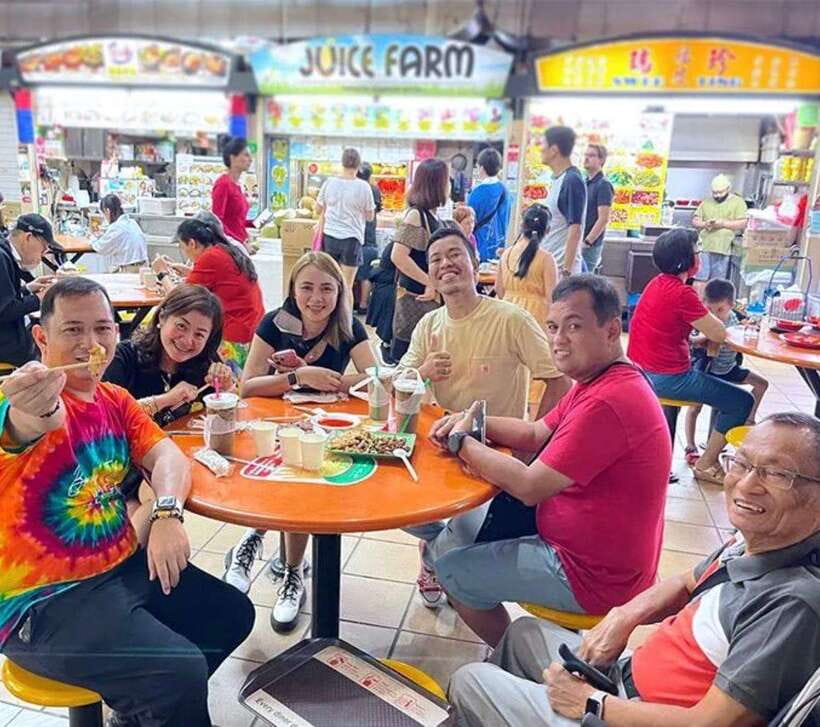
Singapore is one of Asia’s great eating cities, but its food culture can be hard to decode on your own. A hawker center may offer dozens of stalls, unfamiliar names, and dishes that look similar until someone explains the difference. This tour gives you a guide, a route, and eight dishes to try without asking you to make every choice yourself.
I like that food is only half the experience. The walking route links Chinatown’s shopping streets, alleys, religious buildings, markets, and food centers. You are not simply seated at one restaurant for three hours. You keep moving, looking around, and hearing how food fits into Singapore’s Chinese heritage and modern city life.
The tour costs $118 per person. That includes the guide and eight local dishes, but not transport to Chinatown, personal spending, or extra food and drinks. I consider the price reasonable only if you value the explanation and structure as much as the food itself. If you mainly want a cheap meal, you can eat for far less at a hawker center. If you want a guided introduction that removes the guesswork, the price makes more sense.
More Chinatown Food Tours in Singapore:
- Singapore: Chinatown Hawker Food Tasting Tour
★ 5.0 · 96 reviews - Michelin Premium Food Tour with Hawker Centre & Chinatown Tour
★ 4.5 · 50 reviews - UNESCO Hawker Culture: Chinatown Food Tasting Tour
★ 5.0 · 47 reviews
Meeting at Chinatown Visitor Centre
You meet at the Chinatown Visitor Centre, close to Chinatown MRT Exit A. This is a practical starting point because you can reach it by public transport and do not need to arrange a hotel pickup. Give yourself extra time to find the exit and meeting point, since the tour starts on time and does not extend for late arrivals.
The morning schedule runs from 9 AM to noon. That makes this feel more like a substantial breakfast and early lunch than a conventional afternoon food walk. Arriving hungry matters, but do not arrive dehydrated. Singapore can be hot and humid, and the route includes outdoor walking between indoor and covered food stops.
Wear shoes you can walk in for three hours. Bring water, sunscreen, and a poncho or umbrella. Rain can arrive quickly, and the activity continues through the streets rather than staying inside one building.
Chinatown Heritage Centre and the first look at the district
The Chinatown Heritage Centre is an early stop, with about 30 minutes for a visit, guided sightseeing, and a photo stop. This gives you a useful frame for the food ahead. Chinatown is not just a collection of restaurants and souvenir stalls. The district connects Singapore’s Chinese community, old shophouses, religious sites, markets, and everyday eating habits.
Your guide uses the walking time to explain what you are seeing. That context matters because the route passes through areas that can otherwise blur together. A guide can point out why certain streets matter, how the neighborhood developed, and how food became part of the district’s identity.
Do not expect a long museum visit here. The itinerary allows roughly half an hour, so treat this as an introduction rather than a full historical tour. You will spend much of the experience walking and eating.
Exploring Chinatown before the food begins
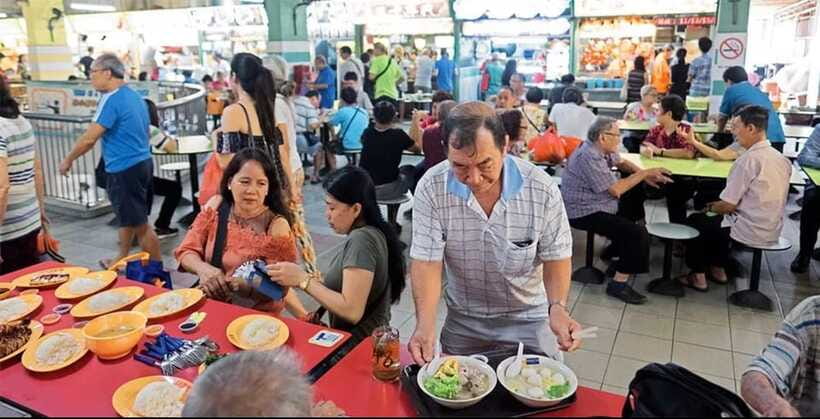
The next portion takes you through Chinatown itself, with another half hour for walking, sightseeing, and a break. The route combines well-known shopping areas with less familiar lanes. That balance is one of the better features of the tour because you see the district as a working neighborhood, not only as a sightseeing stop.
Your guide also helps set the pace between dishes. The walks give you time to digest and build an appetite, though the tropical weather may make the walking feel more demanding than the distance suggests. Water is important, especially if you are not used to Singapore’s climate.
This section is also where the tour’s cultural side becomes clear. The guide is not only carrying you from one snack to the next. You get stories about Singapore and Chinatown along the way, which is why the experience is more useful early in your trip than at the very end.
More Street Food Tours in Singapore:
- Small Group: Michelin and Local Hawker Food Tour with 9 tastings
★ 5.0 · 1,890 reviews - Small Group: Singapore Street Food & Night Tour with 9 tastings
★ 5.0 · 1,240 reviews - Singapore: UNESCO Street Food & Cultural Experience
★ 5.0 · 524 reviews - Small-Group Food Tour With Hawker Center: Eat Like A Local
★ 5.0 · 420 reviews
Maxwell Food Centre and the Singapore breakfast table
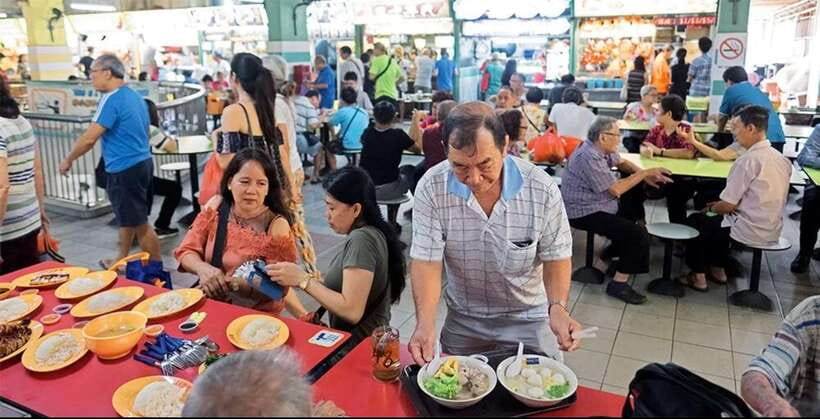
Maxwell Food Centre is scheduled for a 30-minute food stop. Here you begin the main tasting, with Hainanese chicken rice and traditional Singaporean coffee among the highlights.
Hainanese chicken rice is one of Singapore’s best-known dishes, and trying it on a guided food tour gives you a chance to understand why it matters. The dish is simple in appearance, but the cooking, seasoning, rice, and sauces all contribute to the final plate. The tour does not ask you to study a menu or guess what to order. You can focus on tasting and listening.
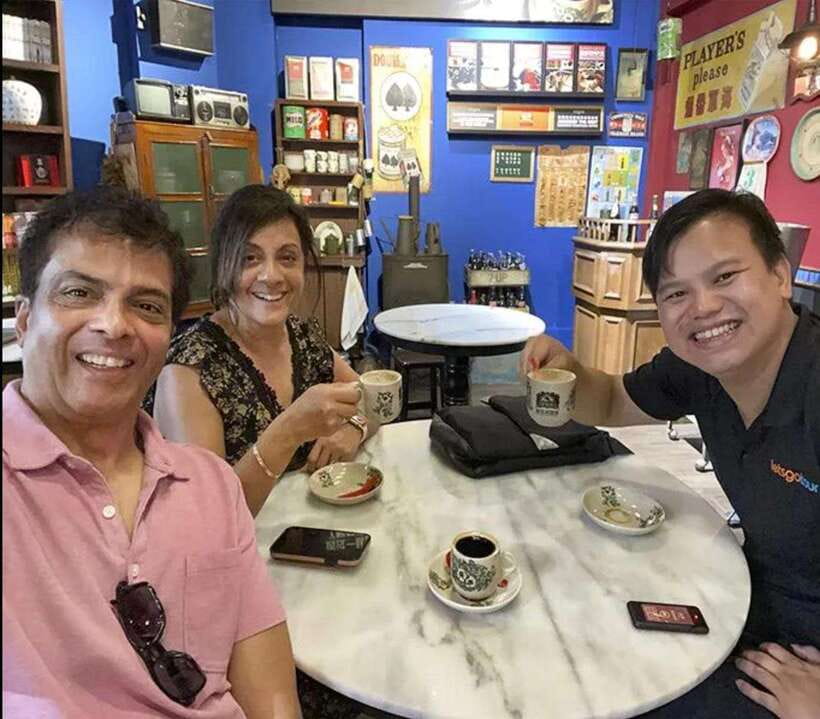
Traditional local coffee adds a useful contrast. It is not simply a drink to wash down the food. It is part of Singapore’s everyday eating culture and helps show how a morning meal can be both quick and social.
The 30-minute stop means you should expect a focused tasting, not an unhurried café visit. If you want a second drink or a larger serving beyond what is included, budget for it separately. Additional food and drinks are not part of the tour price.
Buddha Tooth Relic Temple and a pause from eating
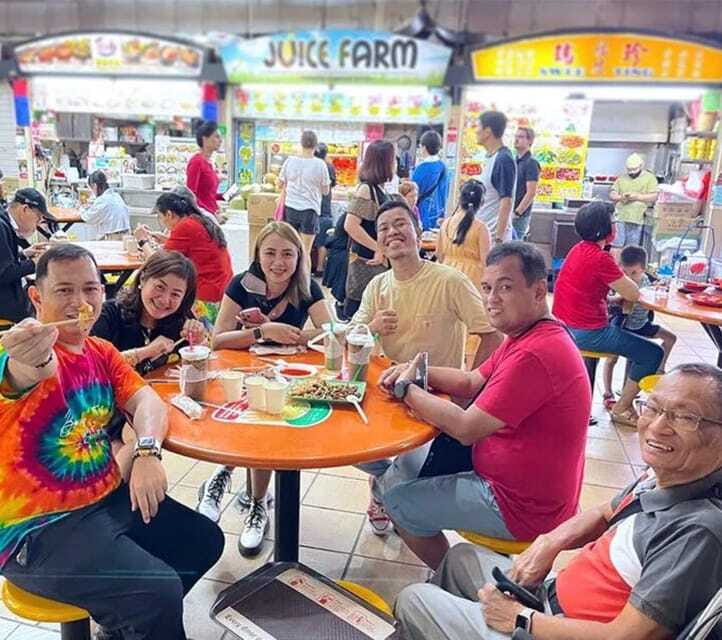
The Buddha Tooth Relic Temple comes next, with a guided visit and about half an hour for sightseeing and walking. This gives the tour a welcome change of pace after the first food stop.
The temple is important to the route because it adds a religious and architectural layer to Chinatown. You are not spending the entire morning in food halls. Instead, you move between food, local history, and places of worship. That variety keeps the tour from feeling like a checklist of dishes.
Dress and behave respectfully at the temple. The supplied information does not specify a dress code, so your guide is the best person to follow if local rules or requests apply during the visit. Keep your camera ready for the exterior and surroundings, while remaining attentive to the religious setting.
This stop also creates a natural break before the next market visit. If you are eating at a quick pace, the walk and temple visit give you time to reset.
Chinatown Street Market and time among the stalls
The Chinatown Street Market provides another half-hour segment for a break, guided sightseeing, street food, and free time. This is a more informal part of the morning, where you can look around at the stalls and get a sense of the district’s commercial side.
The market is useful for understanding how Chinatown presents itself to both local shoppers and sightseers. Your guide can help separate the food worth your attention from the displays that are mainly for browsing. You have some free time here, but the overall tour remains guided and scheduled.
Do not assume that free time means you can wander off for long. The activity has several food stops to fit into a tight morning, and the group needs to stay on schedule. If you spot something you want to buy, ask your guide how much time you have before making a purchase.
Chinatown Complex and the final food tasting
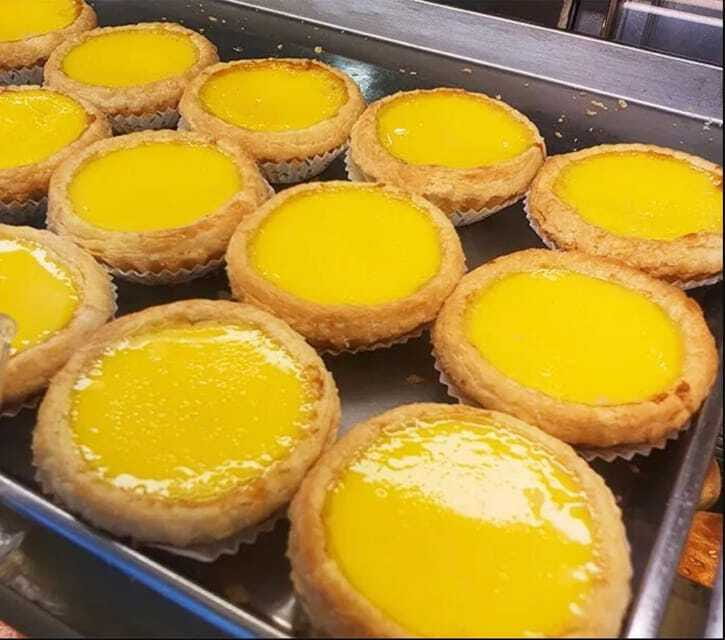
The final major stop is Chinatown Complex, where you visit a food market, walk with the guide, and complete more tastings. The exact food items can change according to availability, so the advertised eight dishes are a guide rather than a fixed menu carved in stone.
That flexibility is normal for a street food experience. Food centers depend on opening hours and daily supply, and a good guide needs room to adjust. You should expect the promised range of local dishes, but not assume that every item will be identical on every date.
Fried carrot cake is one of the named highlights. Despite its English name, it is not the orange dessert you may expect. The dish belongs to Singapore’s savory hawker tradition, which is exactly why a guide helps. You can taste it with the right expectations instead of waiting for a sweet cake.
Spring rolls and other local dishes round out the tasting. Since the tour includes eight dishes, the portions and pacing are designed to let you sample broadly. If you have a large appetite, you may want to carry money for extra food, but do not plan on adding too much during the tour. You need room for all eight tastings.
What the guide adds to the food
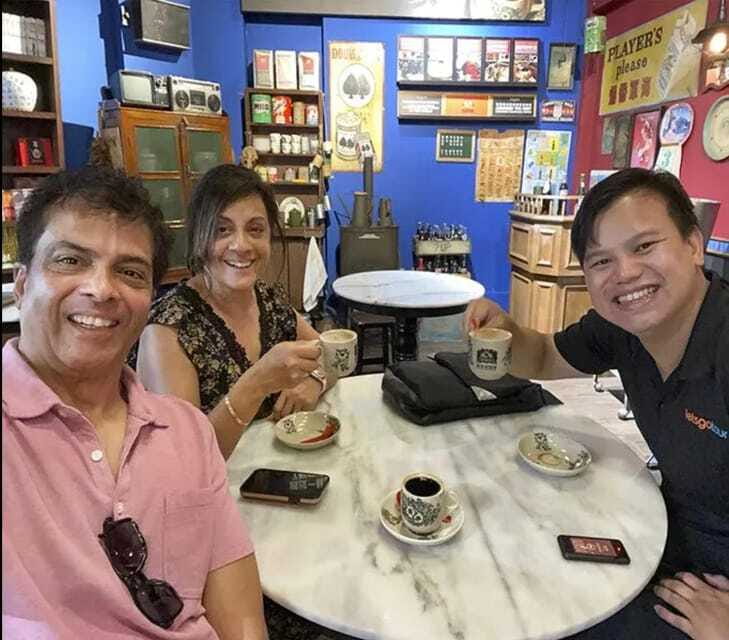
The strongest part of this experience is the guide’s role. Food tours can be disappointing when they become a string of anonymous snacks with little explanation. Here, the guide is expected to connect the dishes with Singapore’s culture and Chinatown’s past.
Richard was praised for being passionate about his work and for explaining both food and local history. Liang received similar praise for informative commentary and for taking the group to excellent street food. Those details suggest that the guide can make a major difference to the quality of the morning.
Still, guides have different personalities, and the exact experience will vary. The reliable part is the licensed English-speaking format and the planned route. If you enjoy asking questions, use the walking time well. Ask about ingredients, local eating habits, and how the dishes fit into Singaporean life.
The practical drawbacks to consider
The tour is not suitable for wheelchair users. The route includes street walking, markets, food centers, and temple sightseeing, so access may be difficult. If you need step-free access or extra time, contact the provider before booking rather than assuming the route can be altered.
People with food allergies should also avoid this activity. The food items can change, and the tour is built around tasting multiple local dishes. There is not enough information to confirm that substitutions or allergy controls are available.
The strict start time is another consideration. There are no refunds for late arrivals or no-shows, and the tour will not be extended if you arrive late. Plan your route to Chinatown in advance and aim to reach the visitor center early.
Finally, the price excludes transport and extras. You will need to pay your own way to the meeting point and cover any additional snacks, drinks, or personal purchases. The tour offers reserve-now, pay-later booking and free cancellation up to 24 hours before the start, which gives you some planning flexibility.
Who should book this experience?
I would recommend this tour to a first-time visitor who wants a guided introduction to Singaporean food without spending days researching hawker stalls. It also suits you if you enjoy walking, cultural context, and tasting several dishes rather than sitting down for one large meal.
It works well early in a Singapore visit. After the tour, you will recognize several foods and feel more comfortable exploring local food centers on your own. The guide’s explanations can turn an unfamiliar menu into something approachable.
I would be cautious if you are traveling on a tight food budget. At $118, this is a structured experience with a guide, not a bargain breakfast. I would also skip it if you have serious food allergies, use a wheelchair, dislike eating in the morning, or prefer a slow meal with plenty of personal choice.
My verdict on the Chinatown food tour
Book this tour if you want eight tastings plus local context, and you are happy to pay for guidance, planning, and a set route. The food highlights are appealing, but the real value comes from understanding what you are eating and how Chinatown fits into Singapore.
Skip it if you only want the least expensive way to eat. You can visit Maxwell Food Centre and Chinatown Complex independently, but you will have to choose the stalls, manage the timing, and provide your own background. For many first-time visitors, the guide and stories justify the extra cost.
FAQ
Where does the Singapore Chinatown food tour meet?
The meeting point is the Chinatown Visitor Centre, near Chinatown MRT Exit A.
How long does the tour last?
The tour is scheduled for three hours, from 9 AM to 12 PM. The included activity description also describes the guided experience as lasting three to four hours, so check the current start time and duration when booking.
What time does the tour operate?
It operates daily from 9 AM to 12 PM.
What food is included?
The tour includes eight local Singaporean dishes. Named examples include Hainanese chicken rice, traditional Singaporean coffee, fried carrot cake, and spring rolls.
Can the food items change?
Yes. Food items are subject to availability, so the exact dishes may vary.
Is transportation included?
No. Transportation to and from the Chinatown Visitor Centre is not included.
Are extra food and drinks included?
No. Additional food and drinks, along with personal expenses, are not included.
Is the tour conducted in English?
Yes. It is led by a licensed, English-speaking guide.
Can I cancel for a refund?
You can cancel up to 24 hours in advance for a full refund.
Is the tour suitable for wheelchair users or people with food allergies?
No. The activity is not suitable for wheelchair users or people with food allergies.
Just added around Singapore
- UNESCO Hawker Culture: Chinatown Food Tasting Tour★ 4.9 · 43 reviews
- UNESCO Hawker Culture: Chinatown Food Tasting Tour★ 5.0 · 47 reviews
- Singapore Street Food Join-In Tour★ 5.0 · 2 reviews
- Singapore Street Food and Ethnic Quarters Kick Scooter Tour★ 5.0 · 8 reviews
- Signature Urban Night Tour: Sunset Street Food in Singapore★ 5.0 · 4 reviews
- Singapore Chinatown Local Hawker Food Tour★ 5.0 · 2 reviews
- Singapore: Little India Hawker Food Tasting Tour★ 5.0 · 21 reviews
- Singapore Nightlife: Street Food, Night Views and Drinks★ 5.0 · 19 reviews
Chinatown Food Tours, compared.
Bangkok Tuk-Tuk Tour by Night with Chinatown Street Food Meal
What we made of it →
Bangkok Tuk-Tuk by Night with Chinatown Street Food Meal
What we made of it →
Chinatown Food Tour with Michelin Food Stalls
What we made of it →
Night Street Food Tour of Bangkok’s Chinatown
What we made of it →
Sydney’s Chinatown Street Food and Stories Walking Tour
What we made of it →
Bangkok Hidden Gems: Talad Noi, Chinatown & Street Food Tour
What we made of it →
Michelin Premium Food Tour with Hawker Centre & Chinatown Tour
What we made of it →Where this tour turns up